The Ultimate Guide to Crafting Authentic Pumpkin Bagels with New York Style Texture

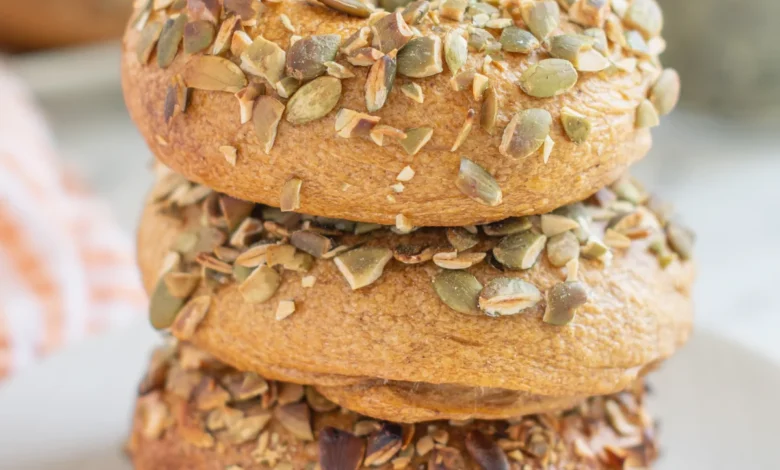
The pursuit of the perfect bagel is a hallmark of culinary dedication, a process defined by a specific set of chemical reactions, precise fermentation, and the iconic "boil-then-bake" technique. In recent years, bakers have sought to evolve the traditional New York-style bagel by integrating seasonal flavors, most notably pumpkin. Achieving a pumpkin bagel that retains the quintessential dense, chewy crumb and a glossy, blistered crust requires moving beyond simple bread recipes. It demands an understanding of dough hydration and the enzymatic impact of pumpkin puree on gluten development. This comprehensive analysis details the methodology, the historical context of the New York-style bagel, and the technical requirements for successfully incorporating pumpkin into high-hydration yeast doughs.
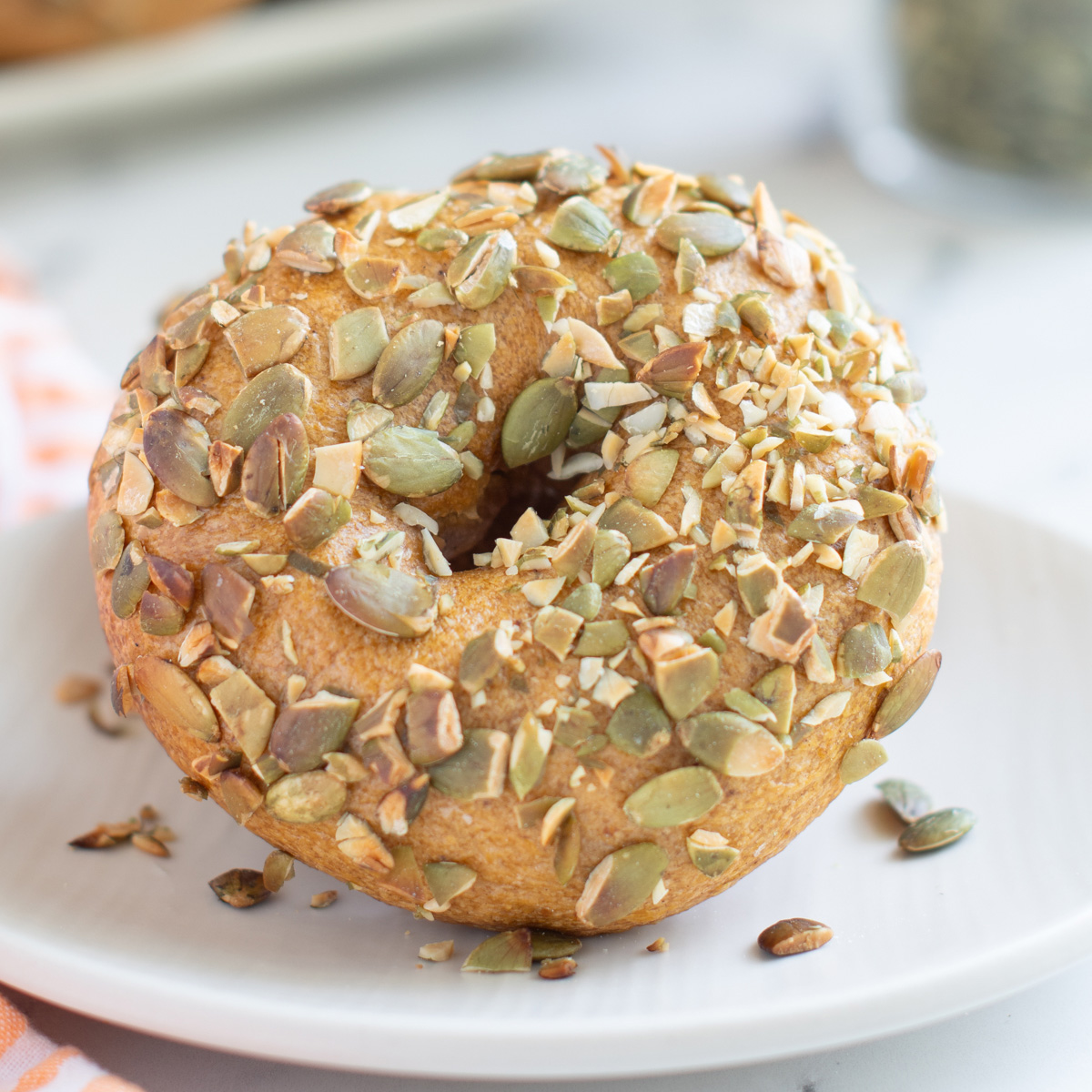
The Evolution of the New York-Style Bagel
The New York-style bagel is defined by its rigorous preparation process. Historically, the bagel originated in Jewish communities in Poland, eventually finding its definitive form in the Lower East Side of New York City during the late 19th and early 20th centuries. The key to the "New York" distinction lies in the use of high-gluten flour and a cold-fermentation process.
High-gluten flour, which typically contains 12% to 14% protein, is essential for providing the structural integrity required to withstand the boiling process. When pumpkin puree—a high-moisture, fibrous ingredient—is introduced to this mixture, it alters the water-to-flour ratio. Professional bakers have found that to maintain the classic "chew," the pumpkin must be treated as a wet ingredient and the flour ratio adjusted accordingly. Without these adjustments, the dough risks becoming too slack, leading to a softer, cake-like texture rather than the desired density.
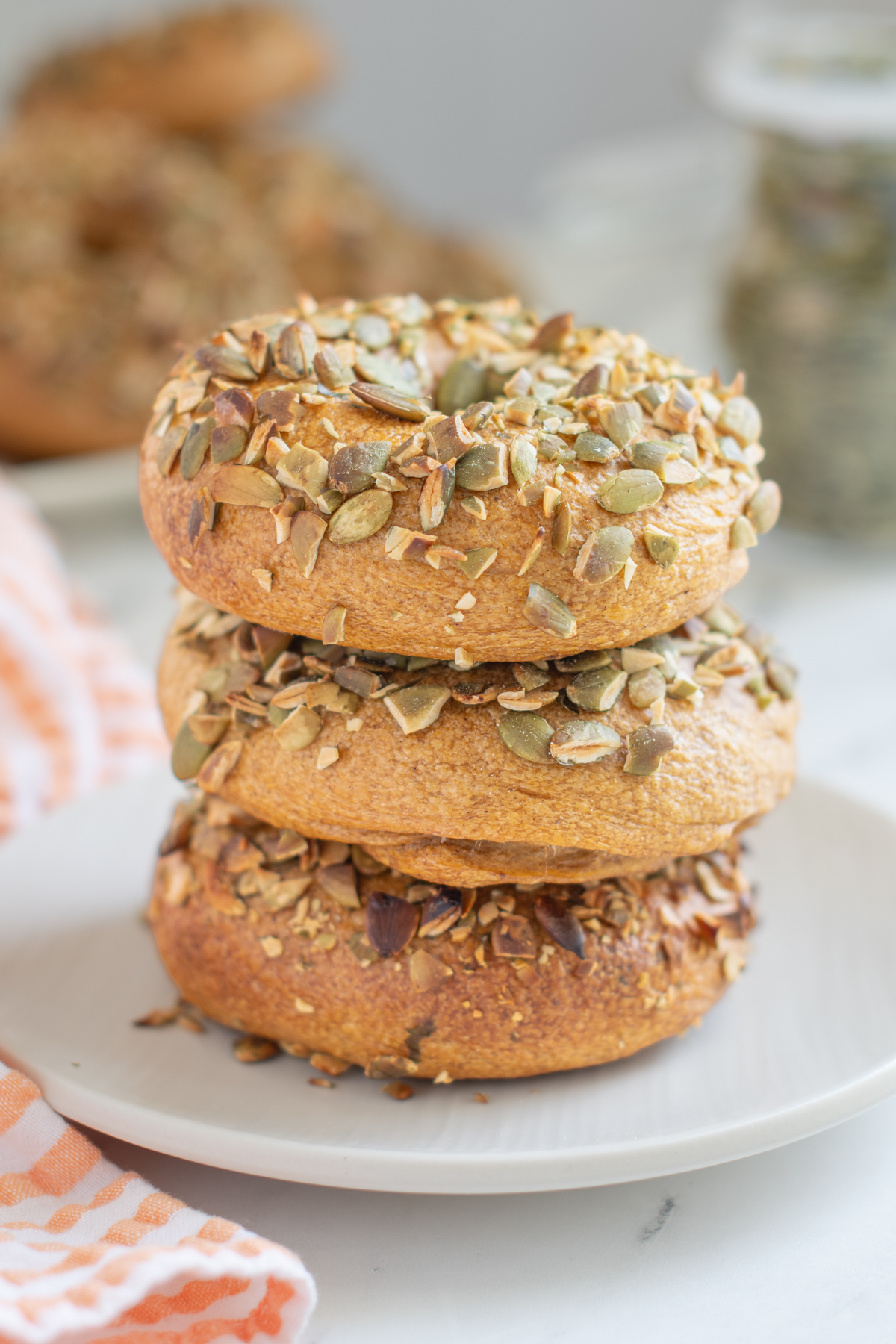
Technical Methodology: The Two-Day Process
The transition from a standard bagel to a pumpkin-infused variant necessitates a shift in the production timeline. A two-day, make-ahead process is the industry standard for high-quality, artisanal bagels. This schedule is not merely for convenience; it is a functional requirement for flavor development.
Day One: Mixing and Initial Fermentation
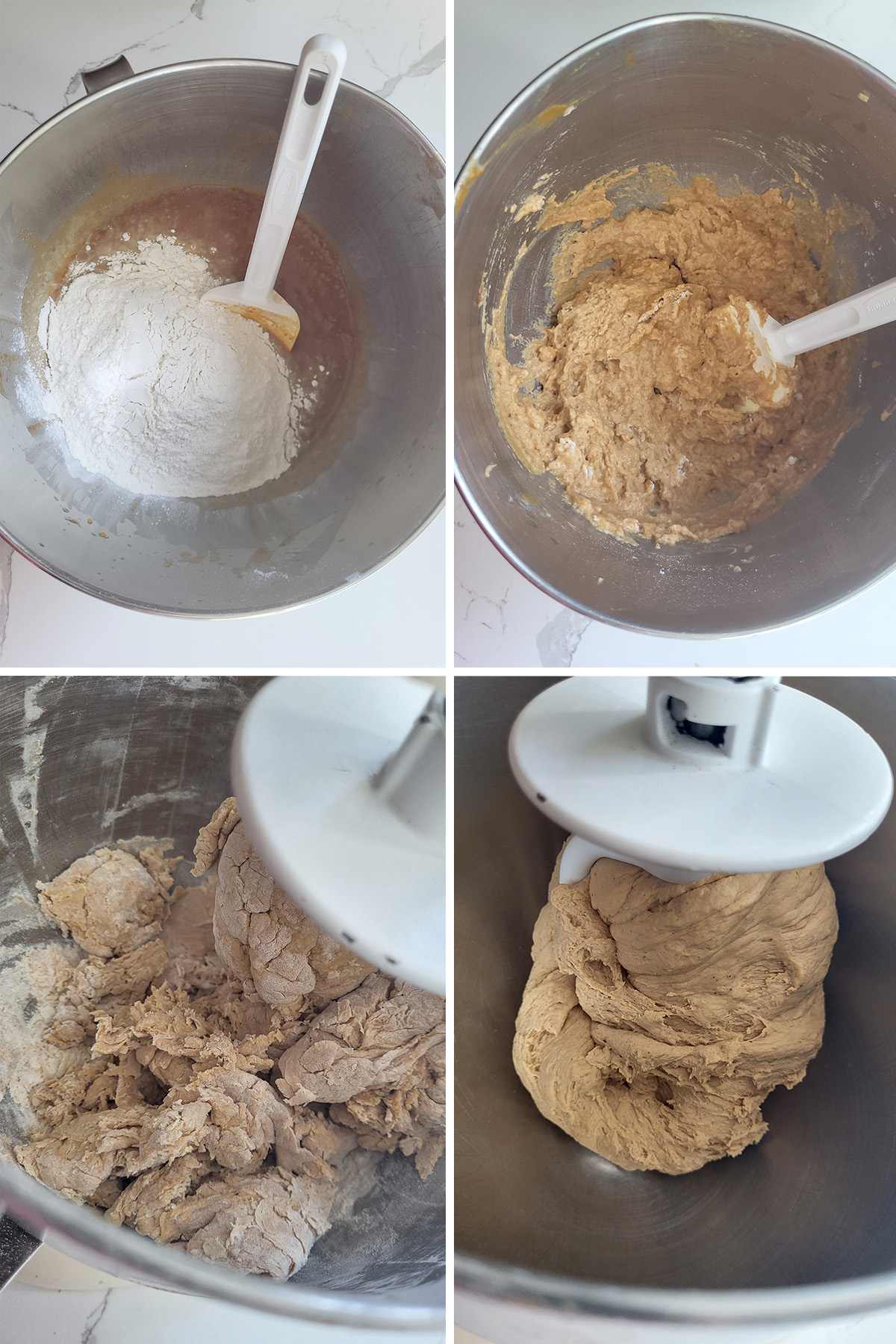
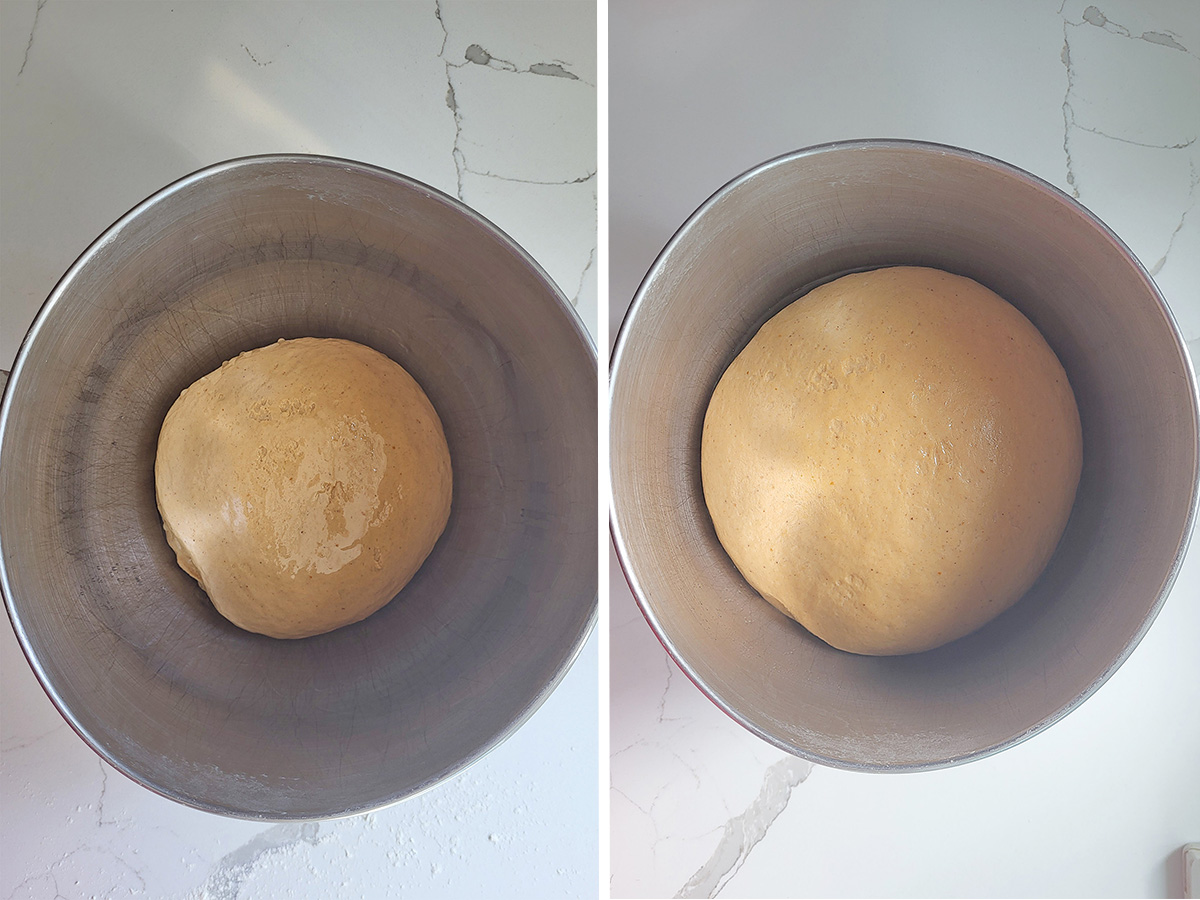
The process begins with the integration of pumpkin puree—typically canned, unsweetened variety—with warm water, yeast, malt syrup, and high-gluten flour. The addition of pumpkin spices, such as cinnamon, ginger, cloves, and nutmeg, must be carefully calibrated to ensure they provide a warming aromatic profile without inhibiting the yeast. Once the dough is kneaded to full gluten development, it undergoes a bulk fermentation period. This allows the yeast to metabolize the sugars in the flour and the pumpkin, creating the complex flavor profile associated with long-fermentation breads.
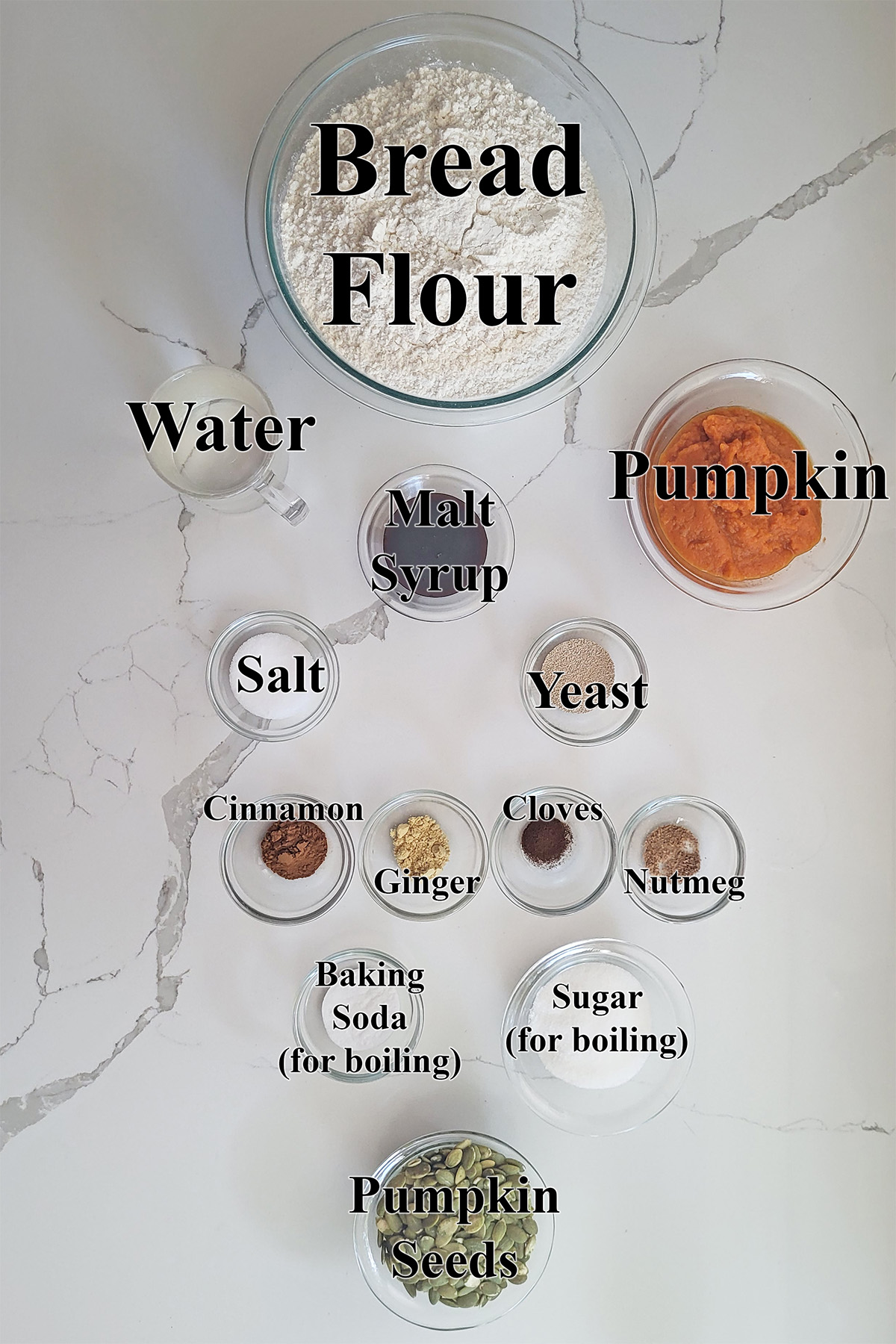
Day Two: Cold Proofing and Thermal Treatment
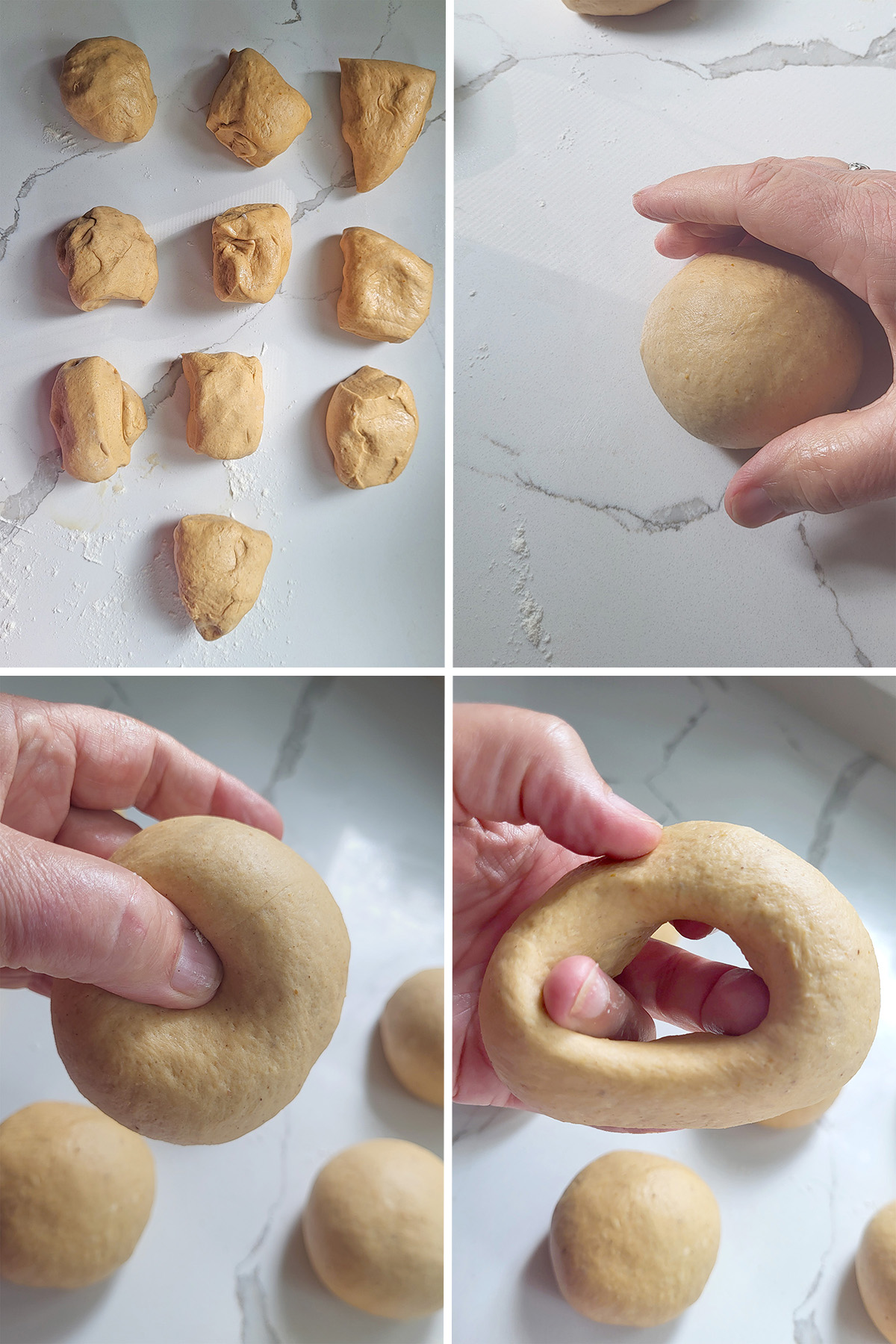
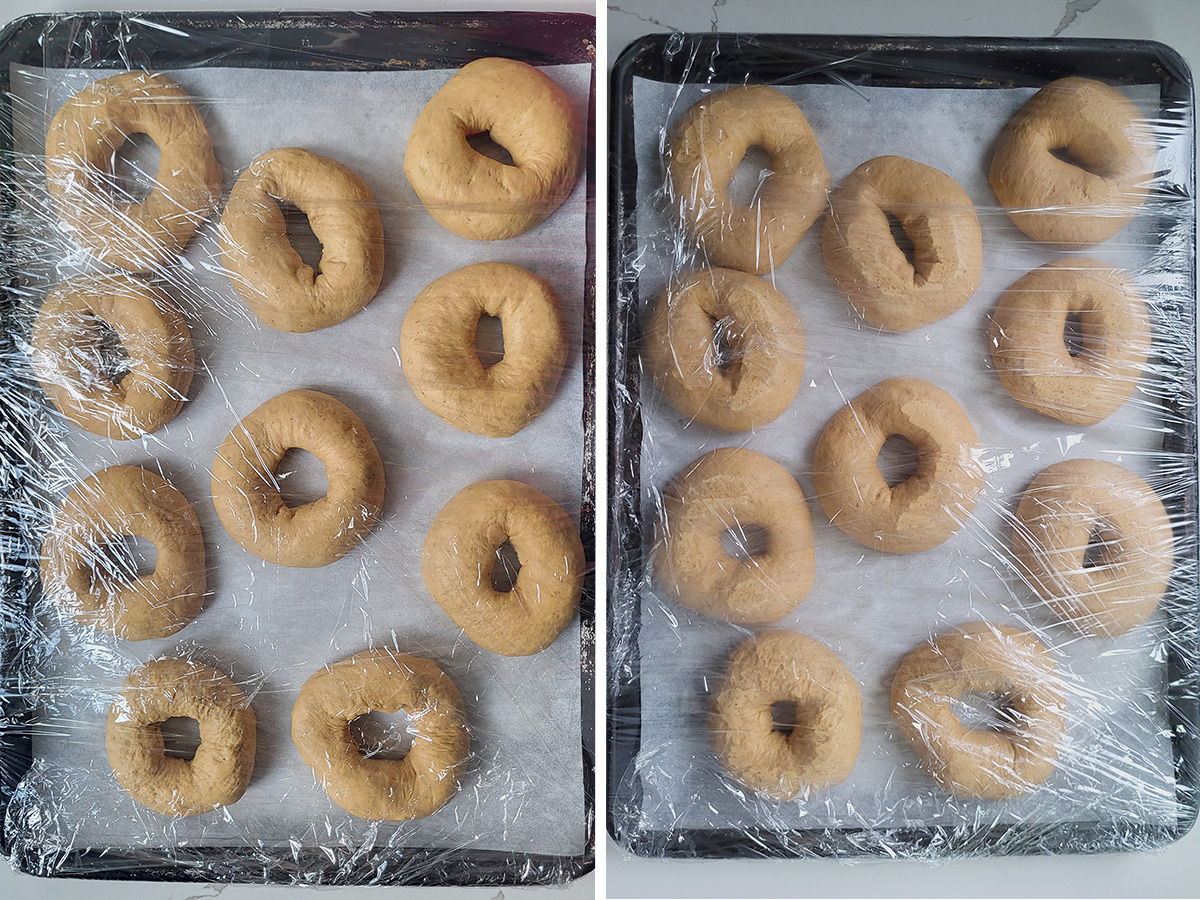
After initial shaping, the dough must undergo a "cold proof" or retard in a refrigerated environment (typically 38°F to 40°F) for several hours. This step is critical. It slows down the yeast activity, allowing for the accumulation of organic acids that contribute to the bagel’s signature tangy flavor and dense crumb.
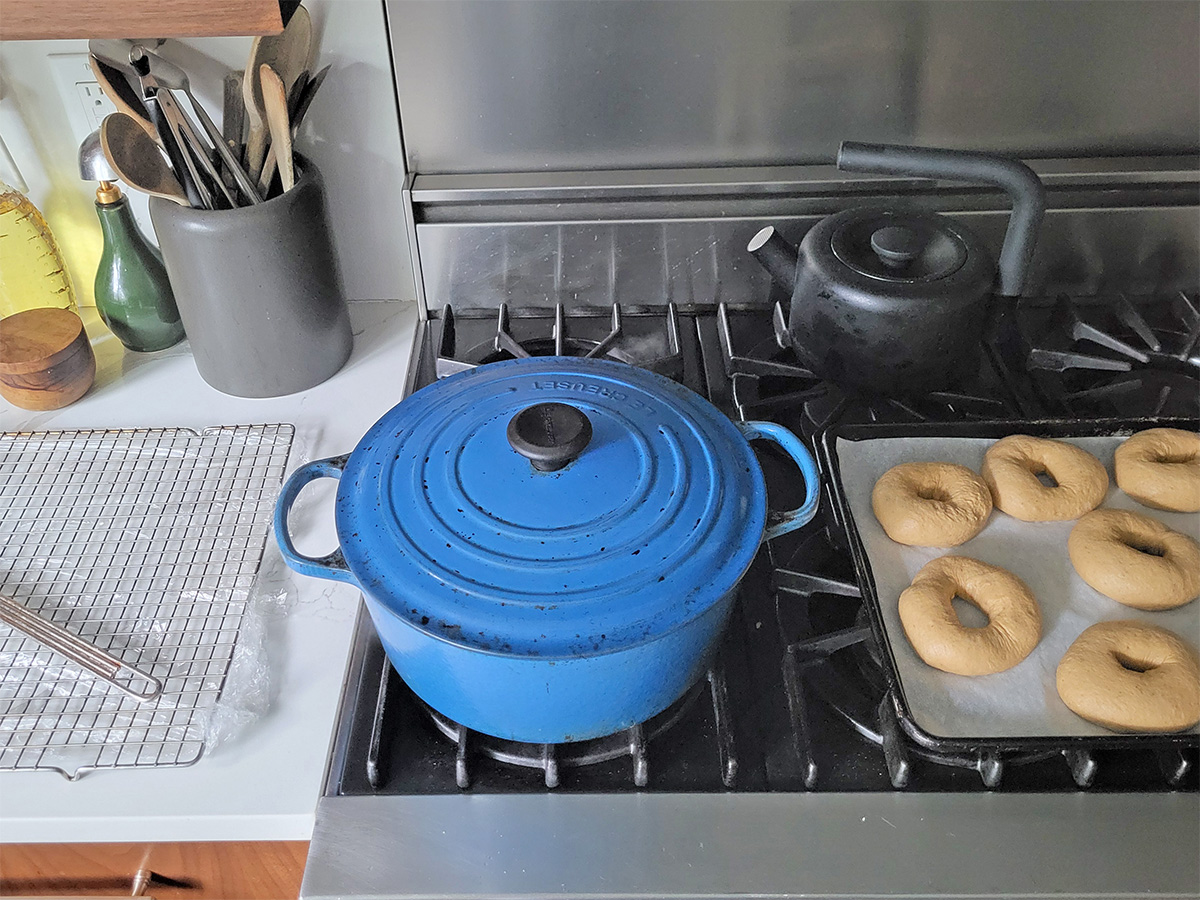
Before baking, the bagels are boiled in a malt-infused water bath. This process gelatinizes the starch on the surface of the dough, which is the primary driver of the final crust’s sheen and crispness. The boiling duration is typically short—60 to 90 seconds—to prevent over-hydration of the interior.
Supporting Data and Ingredient Science
The inclusion of pumpkin puree adds a significant nutritional component to the bagel. Data suggests that one cup of pureed pumpkin contains approximately 7 grams of fiber and is rich in Vitamin A and potassium. However, from a baking science perspective, the primary challenge is the moisture content.
In a standard batch of ten bagels, bakers must account for the approximately 90% water content of the pumpkin. Failure to compensate for this moisture often results in a dough that is impossible to shape, as it will lose its structural integrity during the boil. Furthermore, the use of malt syrup—a traditional ingredient in New York bagel making—is essential. Unlike granulated sugar, malt syrup provides a deep, complex sweetness that pairs effectively with the earthy notes of pumpkin.
Expert Analysis: The Impact of Additives on Crust Development
Professional bakers emphasize the importance of the "shiny crust." This is achieved through the interaction of the boiling water and the oven’s heat. When the bagels are removed from the boil and placed directly into a hot oven (usually 425°F to 450°F), the surface moisture evaporates rapidly, leaving behind a thin, taut, and glossy layer of gelatinized starch.
The addition of pumpkin spice does not significantly alter this chemical process, but it does influence the Maillard reaction—the browning process that occurs when proteins and sugars react under heat. Because pumpkin puree adds natural sugars to the dough, pumpkin bagels tend to brown slightly faster than plain ones. Consequently, bakers must monitor the oven carefully during the final 20–25 minutes of the bake to ensure the crust reaches a deep golden hue without burning the spices.
Broader Culinary Implications and Market Trends
The rise of seasonal, flavor-forward bagels represents a broader shift in the artisanal bread market. Consumers are increasingly seeking products that combine traditional, high-quality techniques with modern flavor profiles. The "Pumpkin Spice" category, which has dominated beverage and confectionery markets for years, has successfully migrated into the savory and yeasted-dough space.
From a production standpoint, the success of these items relies on the "make-ahead" efficiency that the recipe provides. By front-loading the labor—mixing and shaping on the first day and boiling and baking on the second—bakeries and home enthusiasts alike can ensure a fresh product with minimal morning effort. This model is highly efficient, as it separates the labor-intensive stages of production from the final service.
Nutritional Profile and Dietary Considerations
While the artisanal quality of the bagel is the primary draw, understanding the nutritional output is helpful for consumers. A single standard-sized pumpkin bagel contains approximately 360 calories, with 64 grams of carbohydrates and 13 grams of protein. The fiber content, bolstered by the pumpkin puree, contributes to a more balanced glycemic response compared to traditional white-flour breads.
For those adhering to specific dietary regimens, the ability to replicate this process at home allows for the control of sodium and sugar levels. Most commercial bagels are high in sodium (often exceeding 900mg per serving), but home-bakers can adjust the salt content during the mixing phase without compromising the fermentation process, provided the salt reduction does not drop below 1.5% of the flour weight, which is necessary for controlling yeast activity.
Summary of Best Practices
To achieve the best results when attempting these bagels, consider the following technical pillars:
- Flour Choice: Use only high-protein (bread or high-gluten) flour. All-purpose flour lacks the necessary protein structure to create the characteristic chew.
- Temperature Control: The cold-proof stage is non-negotiable. It is the single most effective way to ensure a dense, authentic New York-style texture.
- The Boil: Ensure the water is at a rolling boil and that the malt syrup is fully incorporated. This is the only way to achieve the characteristic sheen.
- Precision: When using pumpkin, measure by weight (grams) rather than volume. The density of pumpkin puree can vary significantly between brands, and precise hydration is the difference between a bagel and a bun.
By adhering to these rigorous standards, the home baker can achieve a professional-grade product that respects the history of the New York bagel while embracing the seasonal appeal of pumpkin. The resulting product is a testament to the balance between ancient fermentation techniques and modern culinary innovation, proving that the classic bagel remains one of the most versatile canvases in the baking world.