Mastering the Art of Da Lu Mian: A Culinary Deep Dive into Northern China’s Iconic Savory Gravy Noodle Dish

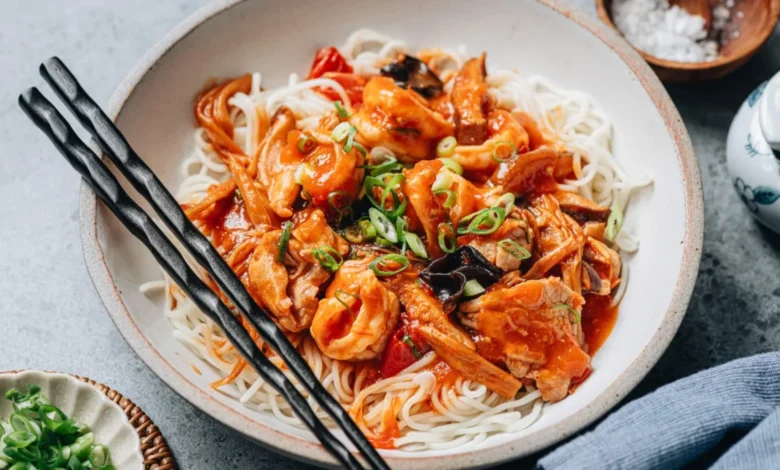
Northern Chinese culinary traditions have long centered on comforting, hearty wheat-based meals, with noodles standing out as a cornerstone of daily sustenance and festive celebrations alike. Among the region’s vast repertoire of noodle dishes, Da Lu Mian (translated broadly as noodles with a large-pot gravy) holds a revered status. Characterized by its signature cornstarch-thickened savory sauce ladled generously over freshly cooked wheat noodles, the dish bridges the gap between humble everyday comfort food and celebratory banquet fare. Recent refinements to classic home-cooking adaptations have brought this traditional northern delicacy into sharper focus for global culinary enthusiasts, shedding light on its rich history, distinct regional variations, and precise preparation techniques.
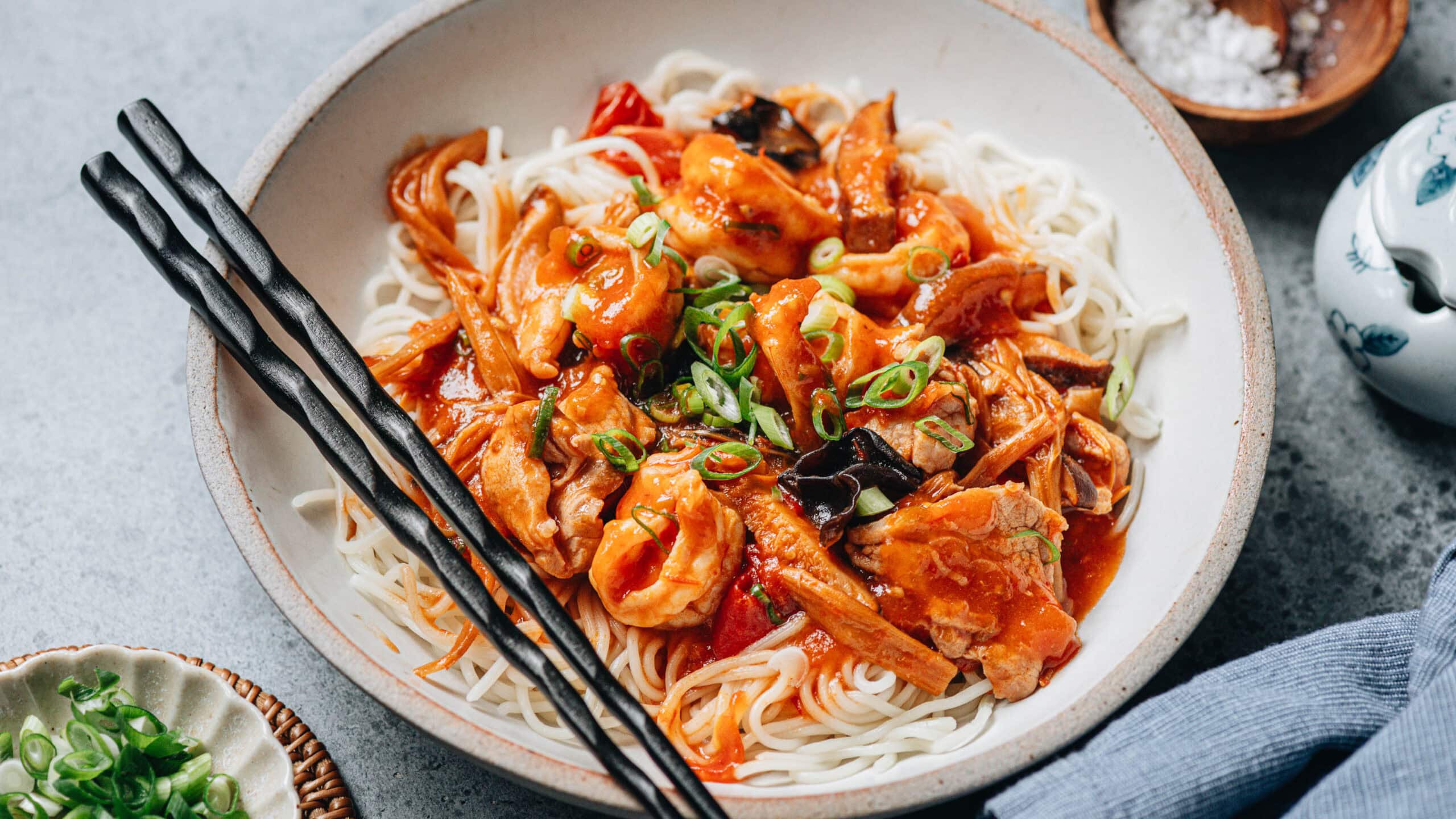
Historical Context and Evolution of Da Lu Mian
The origins of Da Lu Mian trace back centuries across the northern plains of China, where wheat cultivation dominated agriculture, supplanting the rice paddies of the southern provinces. Historically, the dish was designed to utilize readily available pantry staples—chiefly dried forest mushrooms, local root vegetables, and whatever proteins a household could secure. In its most basic, working-class iteration, the gravy relies on a simple base of beaten eggs, minced pork, and basic aromatics, creating a quick, nourishing meal for farming families and urban laborers.
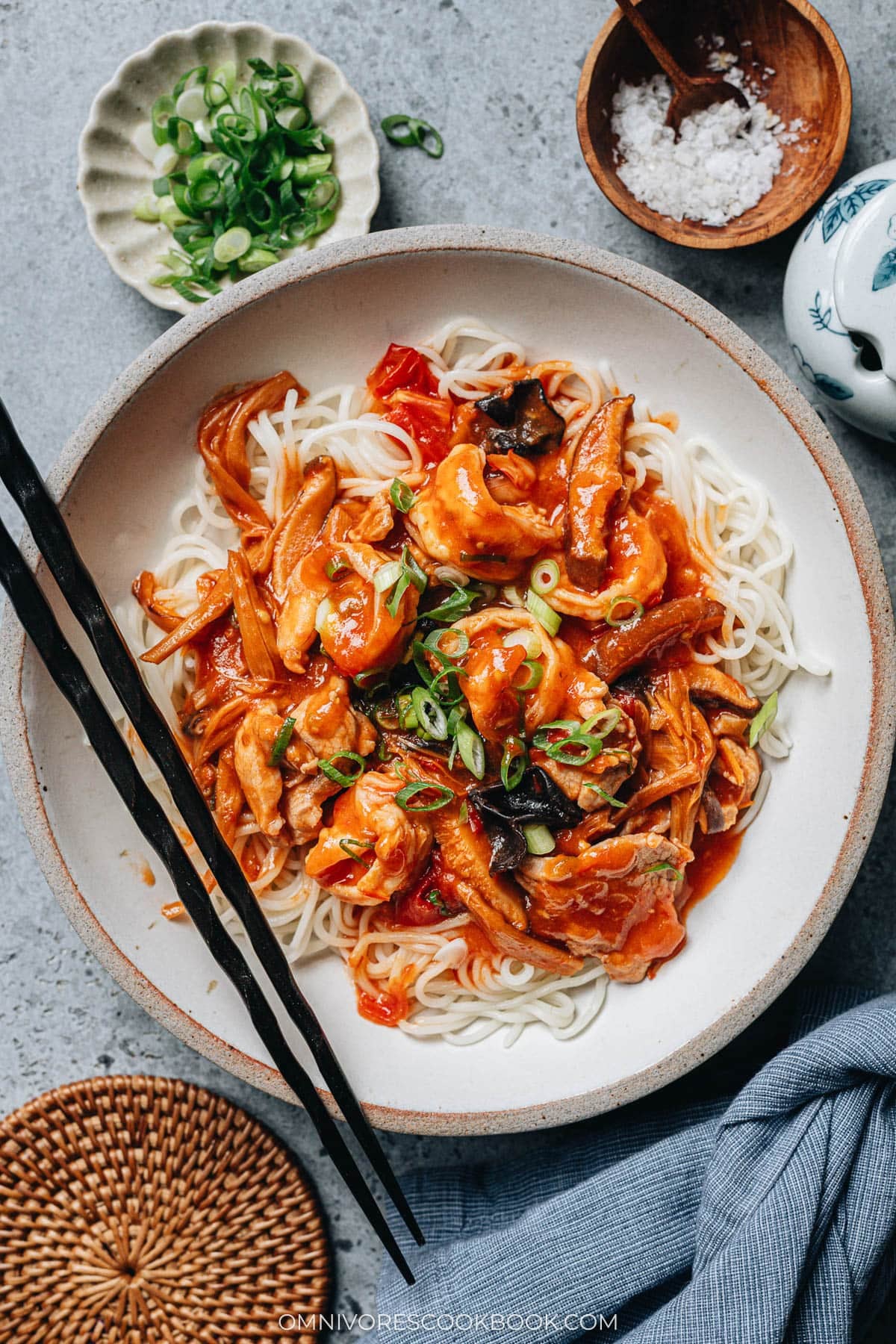
However, the dish’s versatility allowed it to evolve alongside shifting socio-economic conditions. During the mid-to-late 20th century in mainland China, when food rationing strictly regulated access to staples like meat and cooking oils, Da Lu Mian transformed into a barometer of household resourcefulness. Affluent families or those with access to specialized food vouchers frequently elevated the dish by incorporating luxury proteins such as shrimp and tender cuts of pork, alongside prized dried goods like lily flowers and wood ear mushrooms. Over generations, these celebratory variations were passed down through family lineages, cementing Da Lu Mian as a staple not only of ordinary weeknight dinners but also of momentous occasions such as the Chinese New Year.
Anatomical Breakdown of the Dish: Ingredients and Flavor Architecture
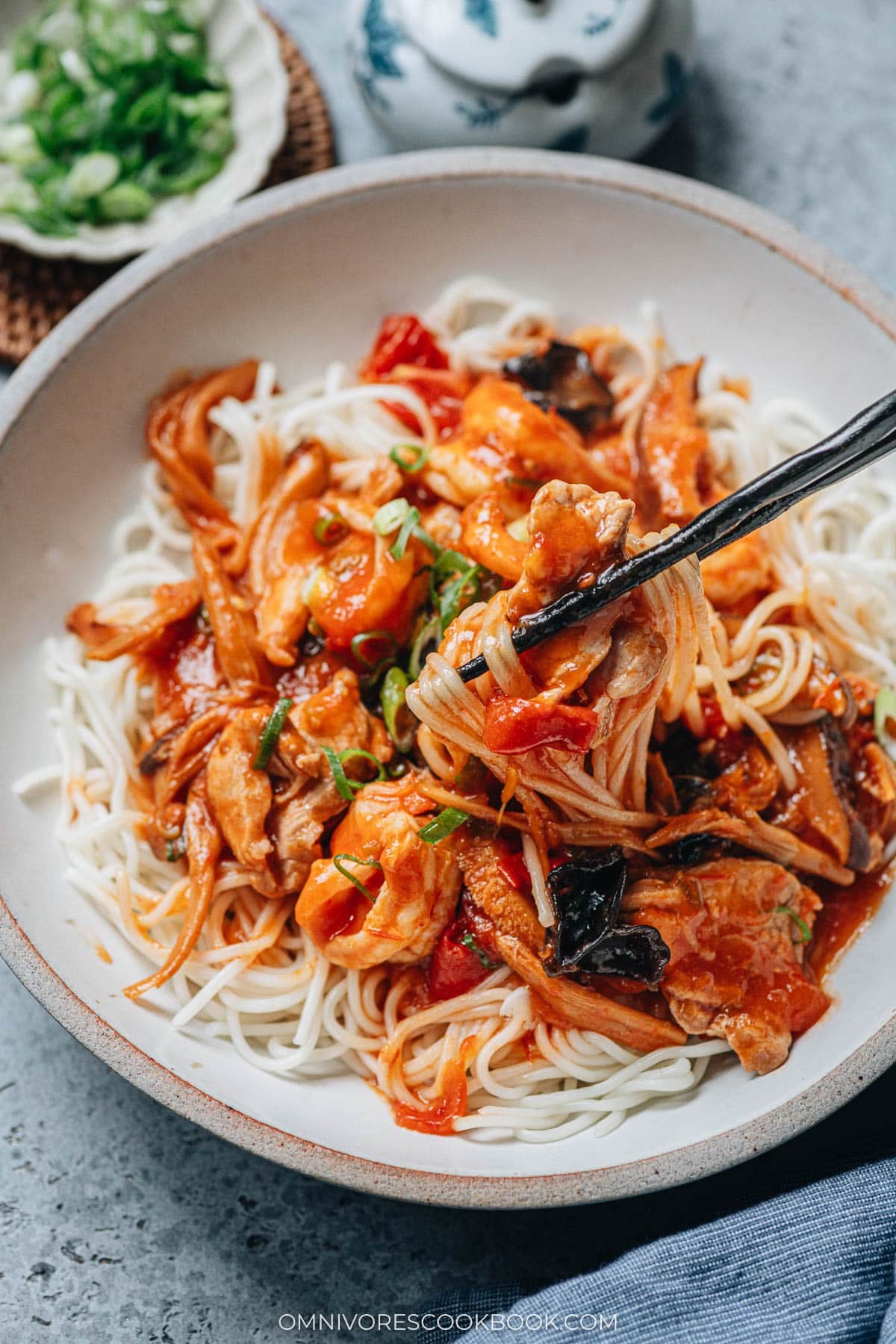
At its core, the success of authentic Da Lu Mian depends entirely on the structural integrity and flavor complexity of its gravy. Unlike pan-fried noodles or stir-fried variations, the gravy in Da Lu Mian acts as an independent sauce, rich with umami and designed to cling to thick, chewy wheat strands.
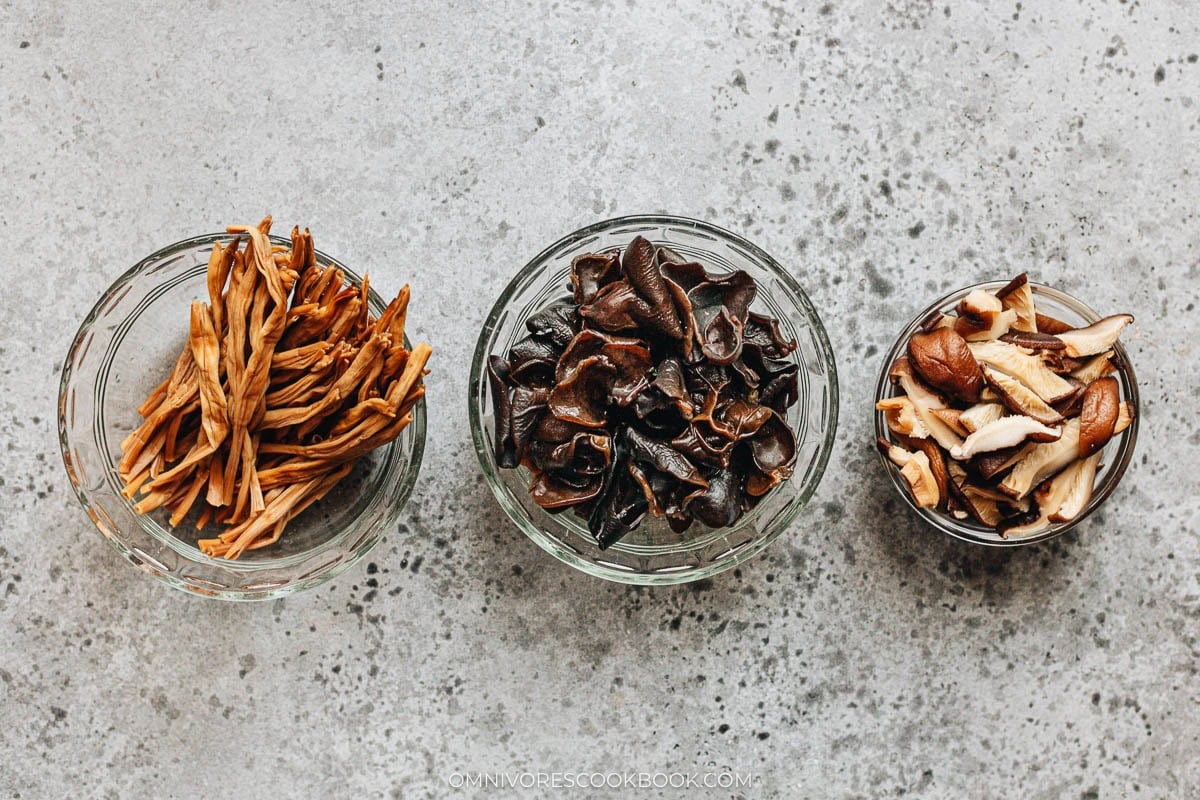
The foundation of the sauce rests on a precise combination of rehydrated dried ingredients. Dried shiitake mushrooms and wood ear mushrooms provide a deep, earthy backdrop and a contrasting texture, ranging from tender to pleasantly gelatinous. Dried lily flowers—a traditional element in northern Chinese cuisine—contribute a subtle, floral undertone and a distinct fibrous bite. Culinary experts emphasize the importance of retaining the soaking water from these dried components; utilizing filtered mushroom and lily water in place of plain water or excessive stock infuses the gravy with concentrated natural glutamates.
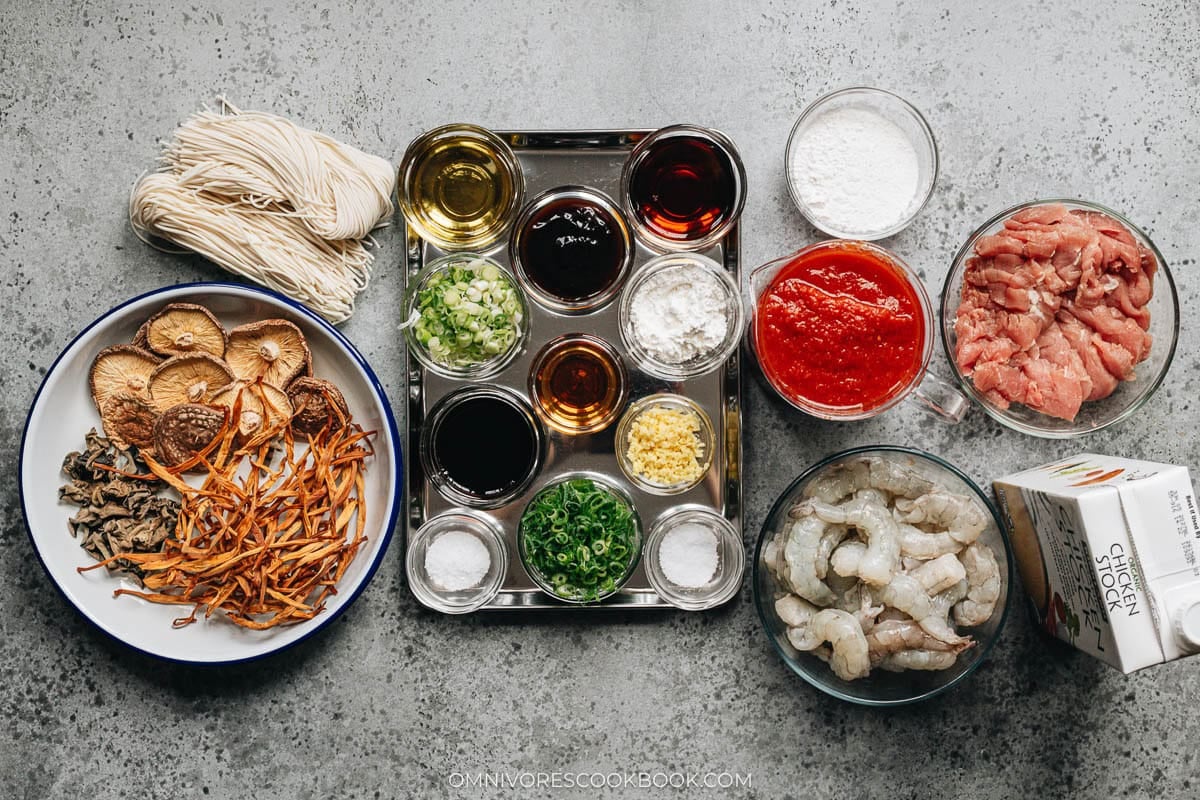
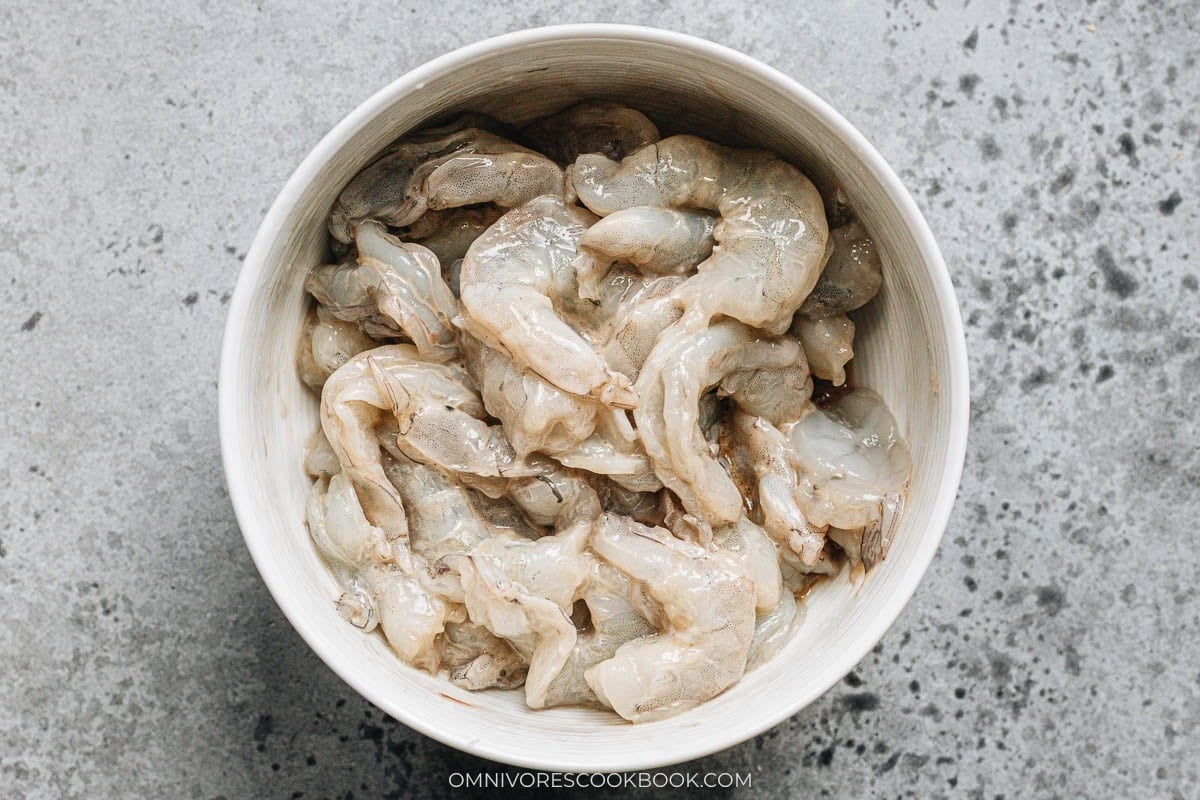
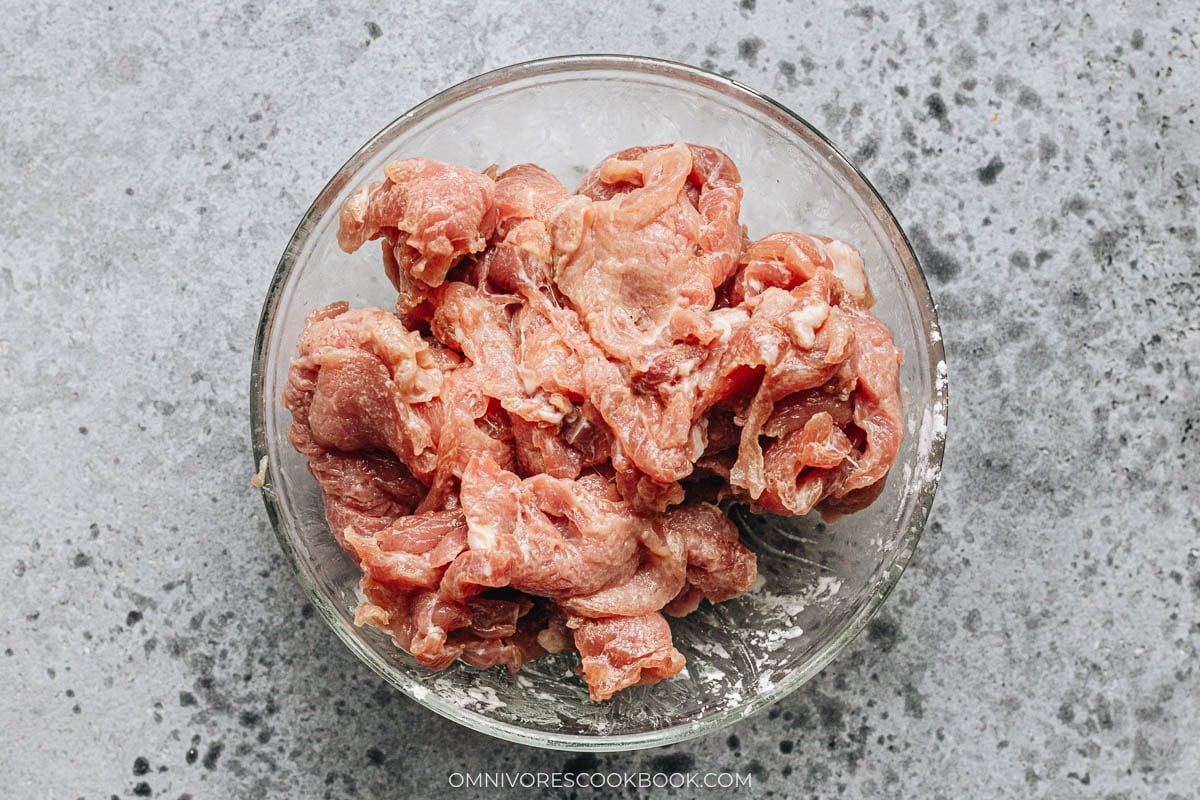
Proteins such as thinly sliced pork tenderloin and fresh shrimp are treated with a traditional velvetizing technique prior to cooking. By marinating the meats briefly in Shaoxing rice wine, salt, and a small quantity of cornstarch, the muscle fibers retain their moisture during the simmering process, ensuring that the proteins remain tender rather than toughening in the hot broth.
The introduction of a tomato base—frequently utilized in modern home adaptations—adds a subtle, balancing acidity that cuts through the rich, savory depth of the chicken stock and oyster sauce. This tomato component bridges traditional northern profiles with contemporary flavor preferences, brightening the overall profile of the heavy gravy.
Methodology and Chronological Preparation Workflow
Executing a successful batch of Da Lu Mian requires a structured, multi-step chronology to ensure that delicate ingredients maintain their texture and structural integrity.
- Rehydration Phase: The process begins 15 to 20 minutes prior to active cooking by soaking dried lily flowers and mushrooms in warm water. Culinary technicians recommend carefully decanting the liquid from the top of the soaking vessels to leave behind any residual agricultural grit, securing a clean, flavorful base liquid.
- Protein Preparation: Lean pork tenderloin—optimally chilled or partially frozen to facilitate razor-thin slicing—and peeled shrimp are combined with Shaoxing wine, salt, and cornstarch. This 15-minute resting phase allows the marinade to penetrate the cellular structure of the meat.
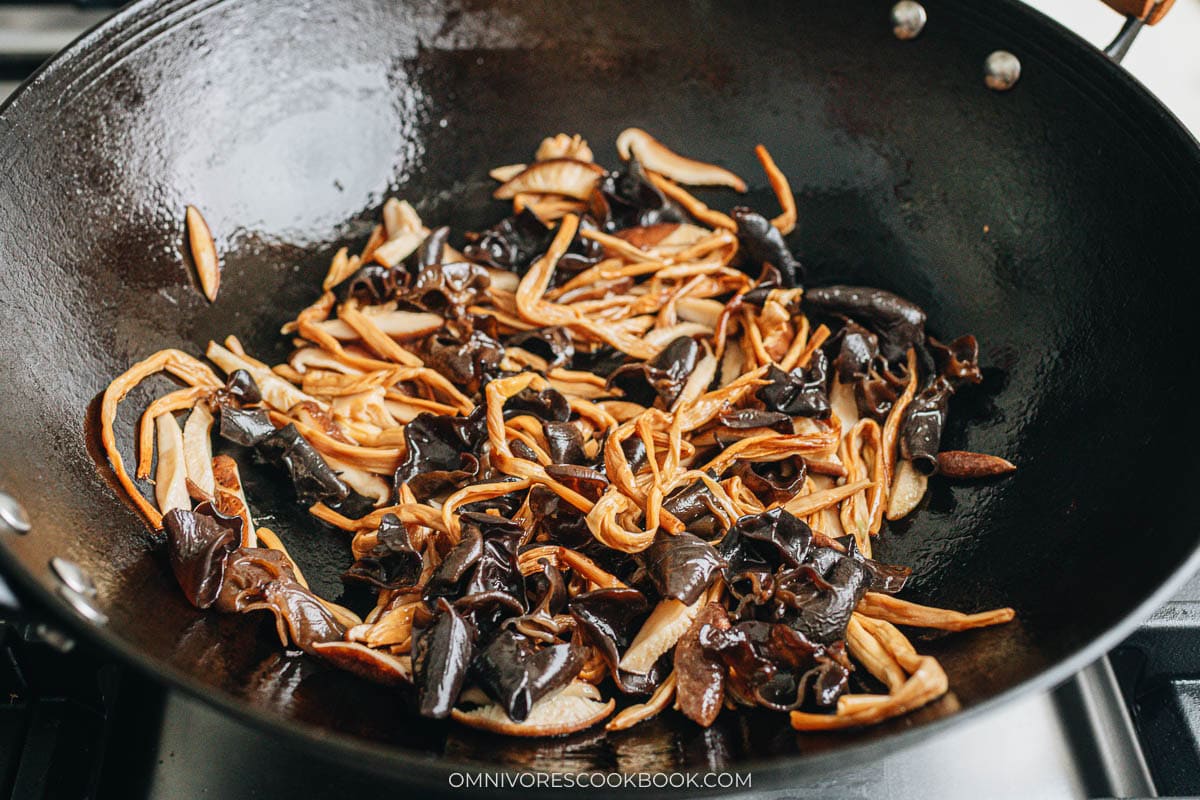
- Aromatic Sautéing and Vegetable Base: A heavy-bottomed wok or Dutch oven is heated with neutral oil over medium heat. Rehydrated lily flowers and sliced mushrooms are lightly sautéed to release their aromatic oils before green onion whites and minced ginger are introduced.
- Gravy Simmering: Canned diced tomatoes, reserved soaking liquids, chicken stock, soy sauce, oyster sauce, and seasonings are brought to a rolling boil before being reduced to a gentle simmer for approximately 15 minutes, allowing the flavors to meld into a unified sauce.
- Protein Incorporation: Proteins are added near the conclusion of the simmering cycle. Because thinly sliced pork and shrimp cook rapidly, limiting their exposure to 1 to 2 minutes prevents them from becoming overcooked and chewy.
- Starch Thickening and Finishing: A cornstarch slurry is whisked into the simmering liquid in incremental stages, granting the cook precise control over viscosity. The gravy is finished with a drizzle of toasted sesame oil or chili oil and fresh green onion greens.
Nutritional Profile and Dietary Adaptability
From a nutritional standpoint, a standard serving of Da Lu Mian—calculated at approximately 292 kilocalories per portion—offers a balanced macronutrient distribution. A typical serving yields roughly 33 grams of carbohydrates derived primarily from the wheat noodles, 22 grams of protein from the lean pork and shrimp, and 7.5 grams of fat. Dietary fiber remains notable at 3.6 grams per serving, bolstered by the inclusion of wood ear mushrooms, shiitake varieties, and lily flowers.
The dish demonstrates significant culinary flexibility. For households managing dietary restrictions or ingredient scarcity, proteins can be easily substituted; increasing the volume of pork can effortlessly compensate for the omission of seafood, while the core vegetable profile remains resilient even if specific dried items, such as lily flowers, are unavailable.
Broader Culinary Implications and Cultural Preservation
The enduring popularity of Da Lu Mian speaks to a broader global trend toward preserving and refining traditional regional comfort foods. As home cooks increasingly seek out authentic, labor-intensive recipes that offer deep historical roots, dishes like Da Lu Mian serve as a cultural touchstone. Culinary historians note that the meticulous techniques required to properly prepare the gravy—such as controlled slurry incorporation and the careful management of dried forest products—highlight the sophistication embedded within everyday regional Chinese cooking.
By continuously refining workflows to suit contemporary kitchen equipment without compromising foundational flavor profiles, modern interpretations of Da Lu Mian ensure that centuries-old northern traditions remain accessible, vibrant, and celebrated across international dining tables.