Spring Pea Panna Cotta Salad: A Modernist Approach to Seasonal Gastronomy

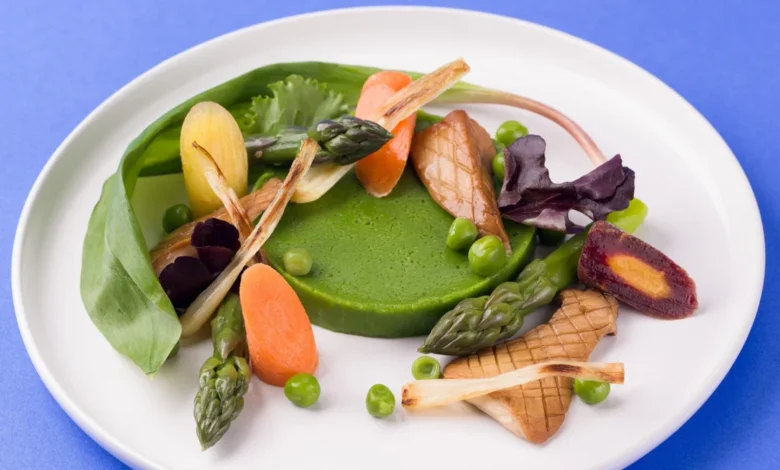
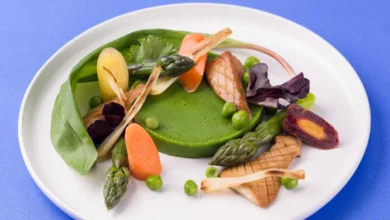
The emergence of spring brings a distinct shift in agricultural production and culinary focus, marked by the arrival of tender legumes and early-season vegetables. Central to this seasonal transition is the Spring Pea Panna Cotta Salad, a dish that exemplifies the intersection of modernist culinary techniques and traditional ingredient-focused cooking. While the panna cotta is historically recognized as a dairy-based Italian dessert, contemporary gastronomy has successfully pivoted toward savory applications. By substituting traditional gelatin and cream with plant-based stabilizers and pea purées, chefs are redefining the boundaries of the salad course.
The Evolution of Modernist Plant-Based Cuisine
The development of the Spring Pea Panna Cotta reflects a broader movement within the culinary industry toward sustainability and the reduction of animal-derived products. Data from the Good Food Institute indicates that the global plant-based market has seen consistent year-over-year growth, with a significant portion of consumers seeking restaurant experiences that prioritize vegetable-forward compositions without sacrificing the mouthfeel associated with high-fat, dairy-based dishes.
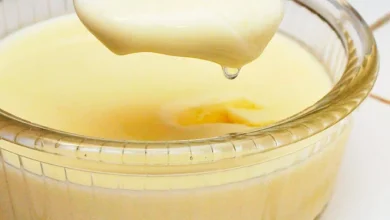
Historically, the panna cotta—literally translated as "cooked cream"—relied on collagen derived from animal bones or fish to achieve its signature wobble. The modern iteration, particularly the version highlighted in current seasonal menus, utilizes agar-agar or carrageenan. These hydrocolloids, derived from seaweed, allow for a set consistency at higher temperatures and provide a neutral canvas for the vibrant, chlorophyll-rich flavor profile of garden-fresh peas.
Technical Chronology and Preparation Parameters
The preparation of a successful Spring Pea Panna Cotta requires precise adherence to thermal regulation and structural chemistry. Unlike traditional recipes, which allow for a degree of variation in setting time, the inclusion of pea solids necessitates a structured workflow to maintain color stability and texture.
- Phase One: Puree and Emulsification (Hours 0-1): The process begins with the blanching of fresh peas. To preserve the bright green pigment, peas are subjected to a rapid boil followed by an ice-water bath. This process denatures the enzymes responsible for browning while softening the cellulose structure for fine-mesh filtration.
- Phase Two: Stabilization (Hours 1-1.5): The pea base is blended with a plant-based lipid—often high-quality coconut cream or almond milk—and the stabilizing agent is integrated. At this stage, the mixture must be heated to the activation point of the stabilizer, typically between 85°C and 95°C.
- Phase Three: The Setting Interval (Hours 1.5-6): The mixture is portioned into molds and allowed to reach a state of equilibrium in a refrigerated environment. This six-hour cooling period is critical; it allows the hydrocolloid network to form a stable matrix that holds the vegetable solids in suspension without syneresis (the expulsion of liquid from the gel).
Supporting Data and Seasonal Context
The focus on peas as a primary ingredient is not merely an aesthetic choice but one grounded in nutritional and logistical reality. According to agricultural reports from the United States Department of Agriculture (USDA), early spring pea harvests are characterized by high concentrations of natural sugars, which rapidly convert to starch if not processed immediately post-harvest. By utilizing the pea as the base for a savory panna cotta, chefs are able to capture the vegetable at its peak sucrose content, creating a flavor profile that is naturally sweet yet grounded by the earthy undertones of the accompanying mushrooms and asparagus.
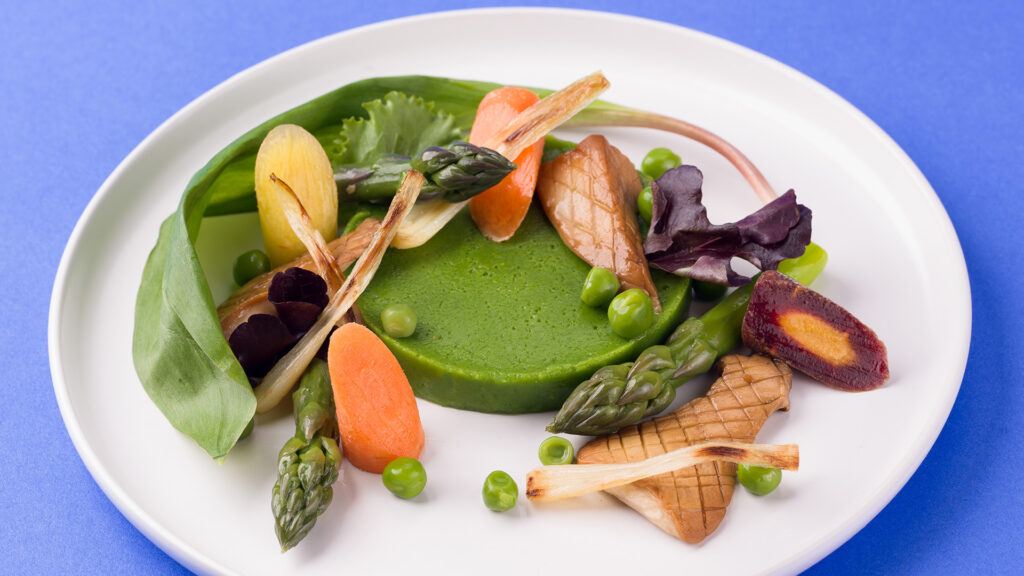
From a nutritional standpoint, this dish offers a profile significantly lower in cholesterol than its traditional dairy counterpart. The inclusion of asparagus, a classic pairing, provides a significant source of folate and vitamins A, C, and K. When plated with sautéed wild mushrooms, the dish provides a balanced ratio of plant proteins and essential minerals, catering to a growing demographic of health-conscious diners.
Industry Perspectives and Culinary Implications
Leading chefs within the modernist culinary space have noted that the "salad" category is currently undergoing a significant reclassification. Where the term once implied a bed of raw leafy greens, it is increasingly being used to describe any cold, composed dish that emphasizes freshness.
"The Spring Pea Panna Cotta represents a departure from the conventional perception of a salad," says a spokesperson for the Culinary Arts Research Collective. "It challenges the diner to reconsider texture. By transforming the pea—a staple vegetable—into a silky, structured form, we are introducing a tactile experience that contrasts sharply with the crispness of the raw garnish. It is a exercise in textural harmony."
The implications of this shift are felt across fine-dining establishments, where the demand for "elevated vegetable courses" has grown by an estimated 15% in urban culinary hubs over the last three years. The challenge for professional kitchens lies in the labor-intensive nature of the dish. While the active time is limited to approximately one hour, the total lead time requires sophisticated inventory management and long-range planning, a common requirement in high-output professional kitchens.
Broader Impact on Modernist Gastronomy
The successful integration of such dishes into mainstream restaurant menus signals a maturation of the modernist movement. Initially associated with avant-garde laboratories and experimental fine dining, modernist techniques are now being employed for their functional benefits—such as creating vegan alternatives that do not compromise on the "mouthfeel" of traditional dishes.
The Spring Pea Panna Cotta Salad also highlights the importance of seasonal timing. The reliance on early-season crops creates an inherent scarcity that adds value to the dish. In the restaurant industry, this "temporal exclusivity" is a key driver of consumer interest, as diners seek out experiences that are tied to specific, fleeting windows of the agricultural calendar.
Analysis of Sensory Design
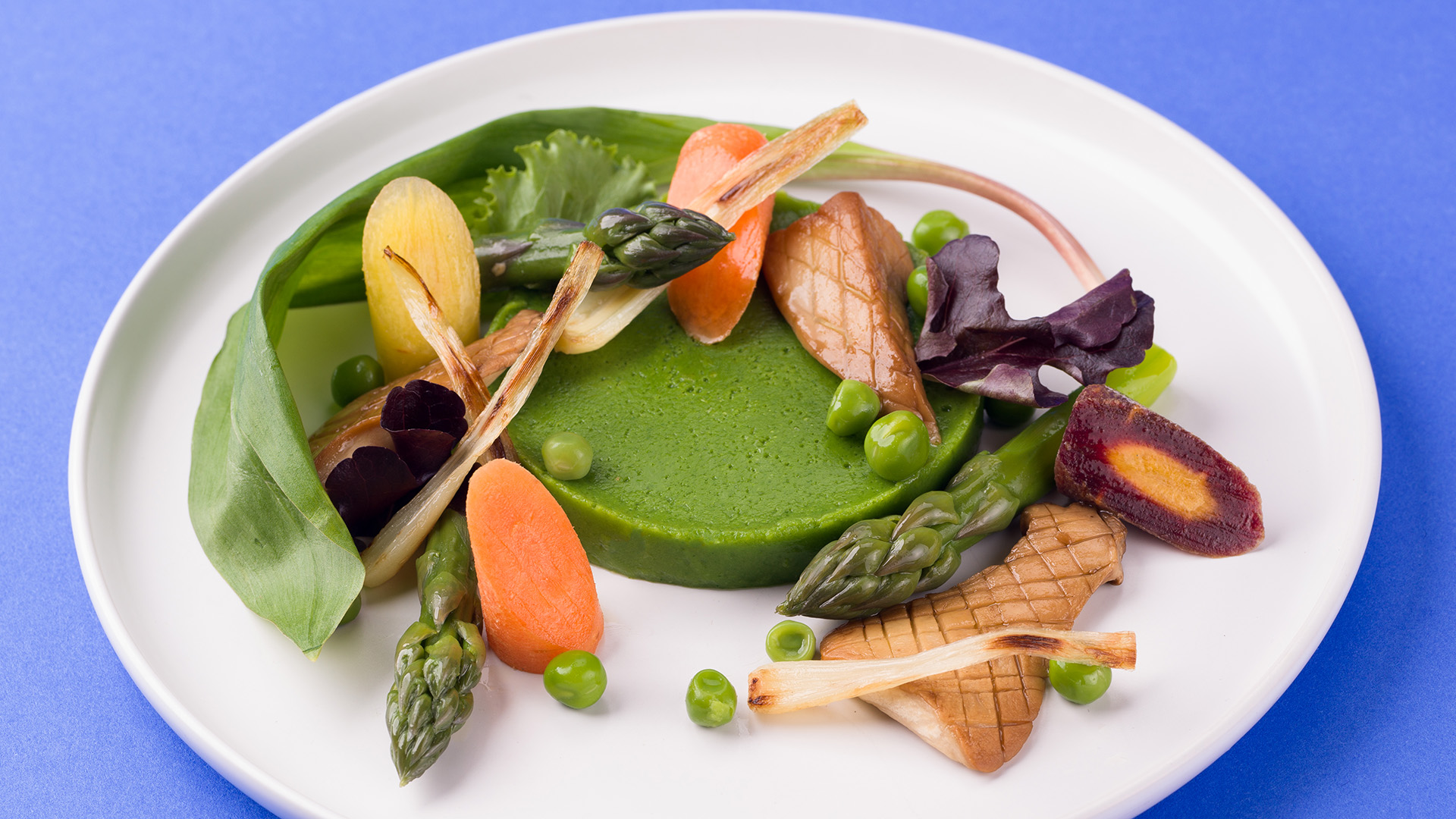
The success of this dish relies on the sensory contrast between the smooth, consistent texture of the pea panna cotta and the fibrous, structural resistance of the accompanying garnishes. Asparagus, when served shaved or lightly charred, offers a bitterness that cuts through the creamy richness of the pea base. Mushrooms, particularly when prepared as a warm element (such as an oyster or chanterelle sauté), introduce umami, a savory depth that balances the sweetness of the legumes.
Furthermore, the inclusion of "tender herbs"—such as pea shoots, chervil, or micro-cilantro—is essential for the finish. These herbs provide a bright, aromatic top note that emphasizes the "greenness" of the dish. The overall composition serves as a masterclass in balance, utilizing the fundamental principles of culinary physics to elevate a simple, seasonal vegetable into a complex, multi-layered experience.
Conclusion: A Sustainable Future for the Salad Course
As the culinary industry continues to evolve, the Spring Pea Panna Cotta Salad serves as a prime example of how traditional techniques can be adapted to meet modern dietary trends and environmental considerations. By leveraging plant-based hydrocolloids and seasonal agricultural cycles, chefs are creating dishes that are as intellectually stimulating as they are palatable.
The trajectory of this dish suggests that future iterations of the salad course will continue to move away from the "tossed bowl" format and toward more intentional, structured compositions. Whether in a high-end restaurant or an ambitious home kitchen, the focus remains the same: a celebration of the raw material, transformed through technique, to honor the arrival of the spring season. As data regarding consumer preferences continues to favor sustainable, plant-based options, the prevalence of such sophisticated vegetable-forward dishes is likely to increase, further cementing the role of modernist techniques in the daily culinary lexicon.