The Ultimate Fall Tradition: The Evolution and Appeal of the Classic Apple Crisp in Modern Home Baking

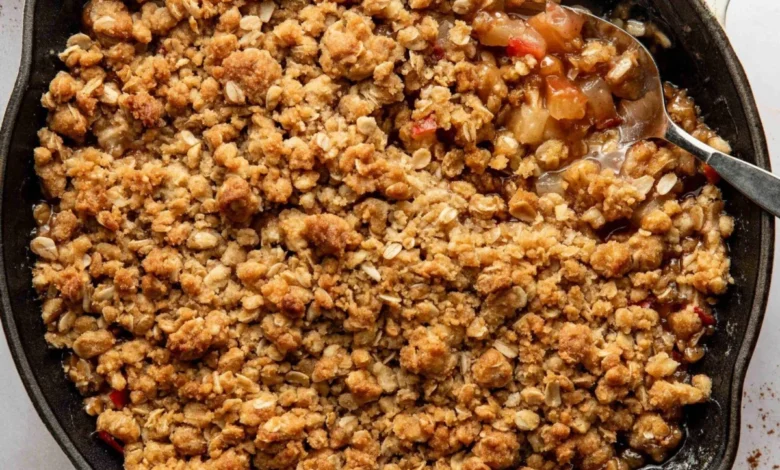
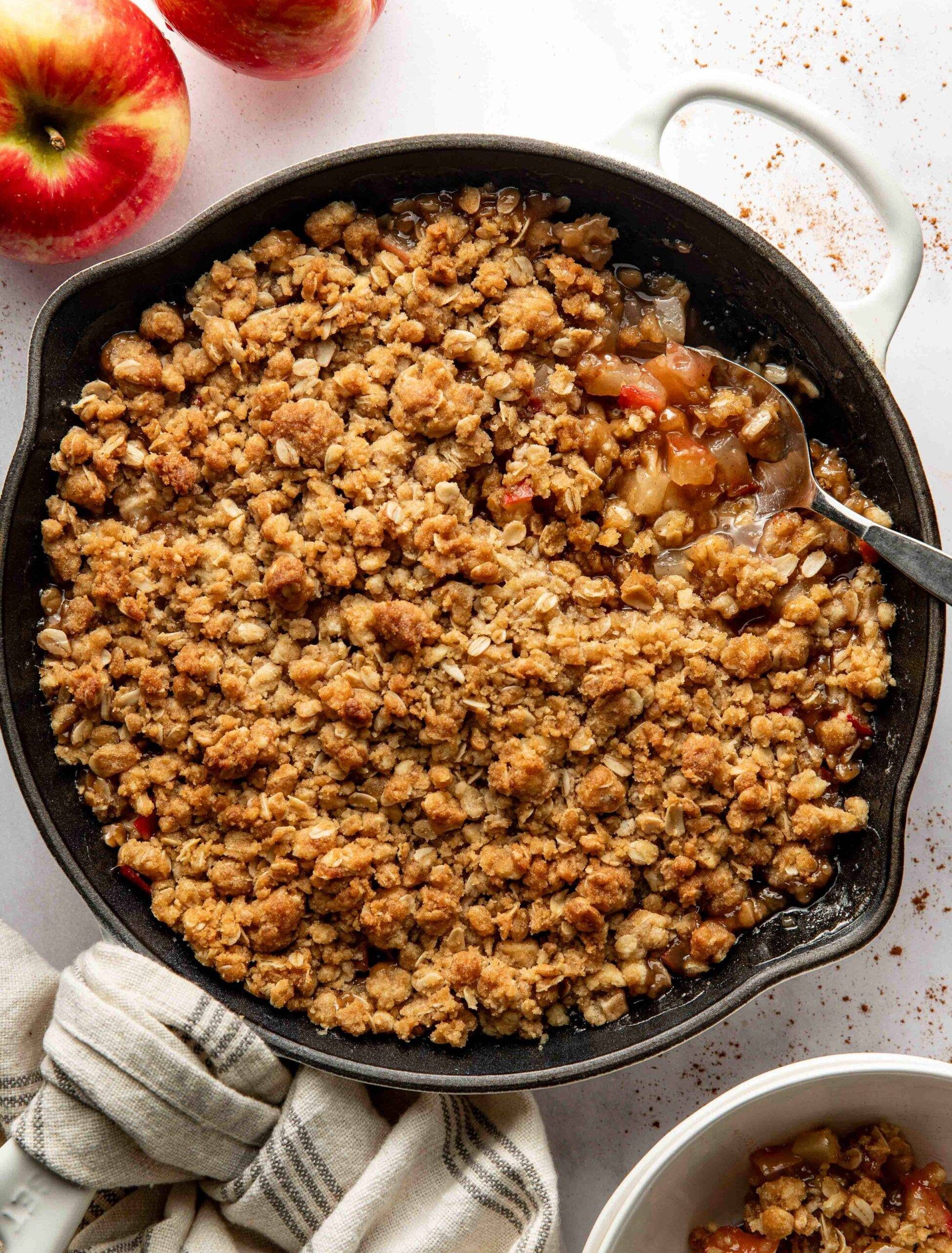
As autumn temperatures drop and seasonal produce transitions from summer stone fruits to crisp orchard harvests, home bakers and culinary enthusiasts alike turn their attention toward traditional comfort foods. Among the pantheon of autumn desserts, the apple crisp holds a distinct and enduring place, celebrated as much for its rustic simplicity as for its sensory associations with cooler weather. While contemporary food blogging and digital recipe curation have transformed how culinary traditions are shared, the foundational mechanics of a successful apple crisp remain rooted in a precise chemical balance: tender, spiced fruit juxtaposed against a structurally contrasting, buttery oat-and-brown-sugar crust.
The widespread digital documentation of this particular recipe highlights a broader cultural shift in seasonal cooking. Culinary archives, once confined to handwritten index cards and dog-eared print publications, now reside in the digital notes applications of everyday cooks, preserved over years of repeated preparation. This transition from ephemeral kitchen experiments to standardized household staples underscores the enduring demand for reliable, comforting recipes that require minimal specialized equipment while delivering maximum flavor impact.
Chronology of a Culinary Classic

The history of the fruit crisp is closely intertwined with the domestic resourcefulness of mid-century American kitchens. Emerging as a simplified, less labor-intensive alternative to traditional apple pies, crisps and crumbles gained widespread popularity during times of rationing, such as World War II, when pastry fats and flours were strictly conserved. The elimination of pie crust in favor of a free-form streusel topping reduced preparation time significantly while maximizing the utilization of accessible pantry staples like rolled oats, flour, butter, and brown sugar.
Over the decades, the recipe has undergone minor refinements without losing its essential character. Modern adaptations frequently leverage cast-iron skillets, marrying the rustic aesthetic of pioneer-era cooking with modern heat-distribution efficiency. The evolution of the preparation method—ranging from mandoline-sliced honeycrisp apples to haphazardly diced fruit—reflects a pragmatic approach to home baking that values efficiency without sacrificing gastronomic quality. Furthermore, contemporary culinary consensus increasingly favors leaving apple skins intact, a practice supported by nutritional science that preserves dietary fiber while reducing kitchen prep time. The natural pectin found in apple peels also aids in achieving the characteristic jammy consistency that defines the base layer of a properly baked crisp.
Anatomy of a Balanced Dessert
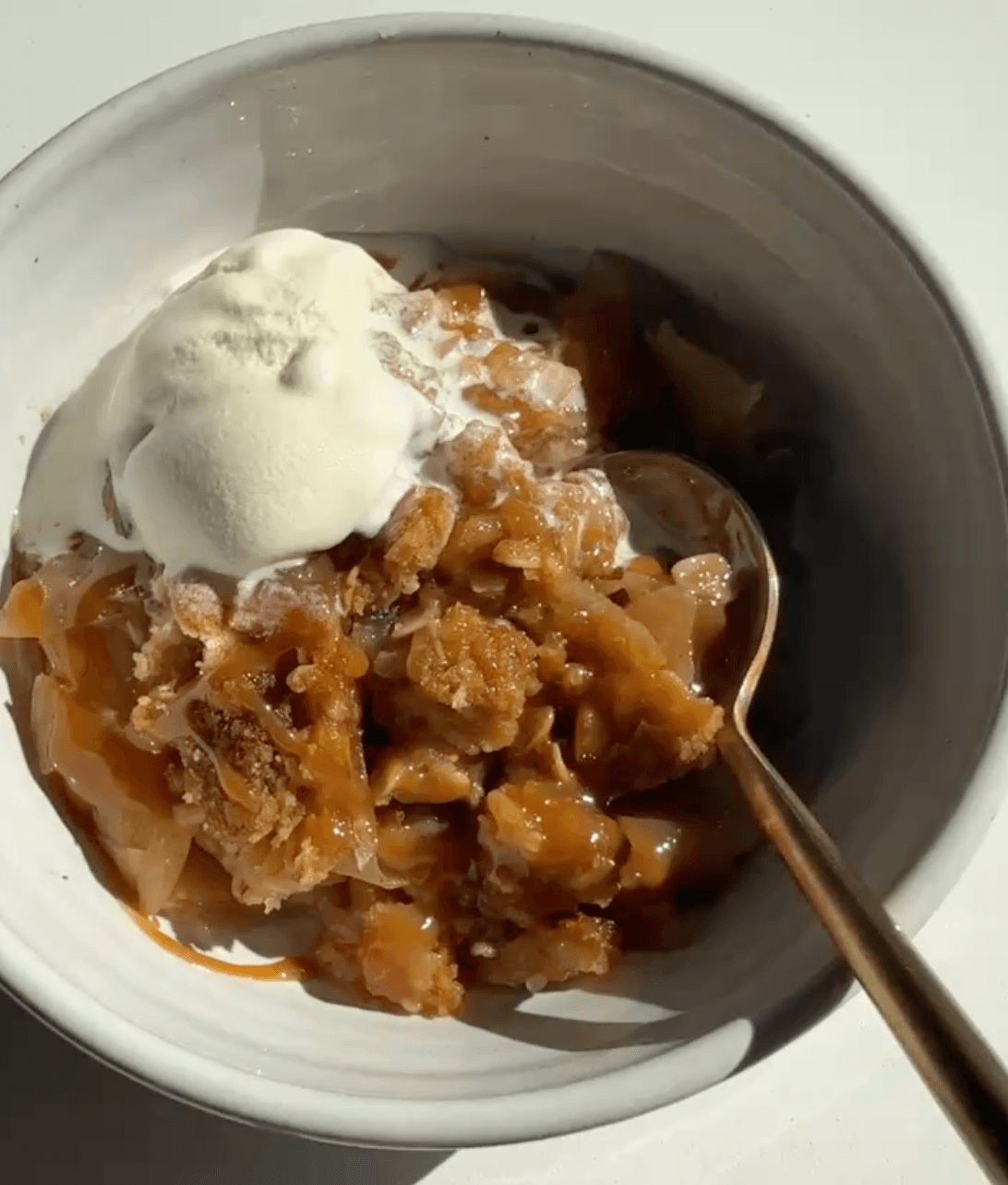
Culinary analysts note that the enduring appeal of the apple crisp lies in its textural and thermal dualities. A successful iteration relies upon a stark contrast between a hot, bubbling, caramel-infused fruit foundation and a rigid, toasted cereal topping.

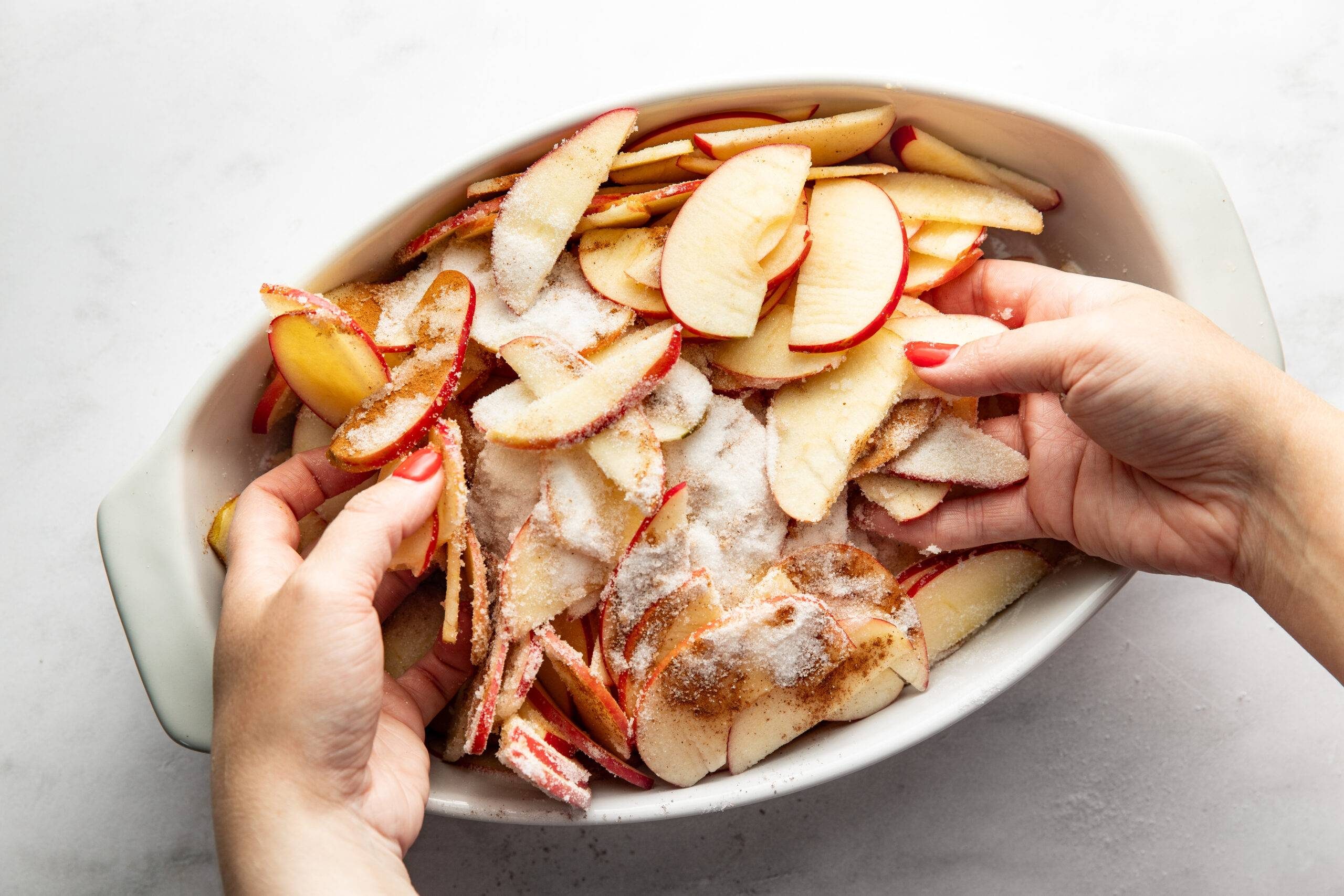
The selection of the apple variety dictates the structural integrity of the dessert. Varieties such as Honeycrisp, which possess a balanced sugar-to-acid ratio and a firm cellular structure, are frequently utilized to prevent the fruit from disintegrating entirely into a pureed state during prolonged baking. When combined with ground cinnamon, a touch of granulated sugar, and a thickening agent, the apples undergo a controlled Maillard reaction and cellular breakdown, yielding a rich, concentrated syrup.
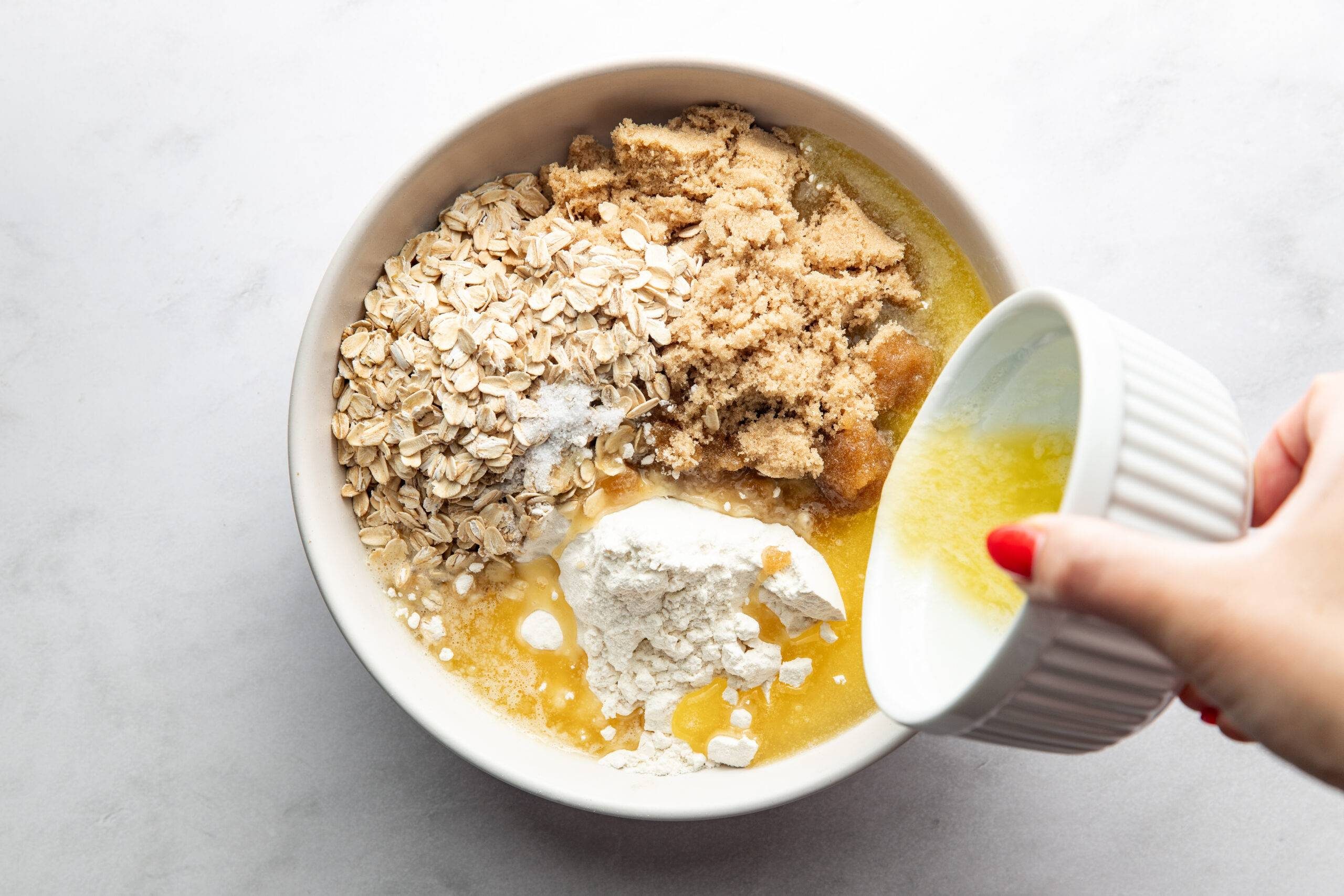
Conversely, the topping requires a careful fat-to-flour ratio to achieve structural integrity. The incorporation of rolled oats introduces a nutty flavor profile and a chewy texture that complements the fine crumble of the flour, butter, and brown sugar matrix. When baked at moderate temperatures, the butter melts and interacts with the sugars to create a golden-brown carapace that protects the underlying fruit from over-browning while allowing steam to escape, maintaining the delicate boundary where the crisp topping and the jammy fruit intersect.
Socioeconomic and Cultural Implications of Seasonal Baking
The surge in autumn baking is not merely a culinary phenomenon but a documented psychological response to seasonal changes. Sociologists and consumer behavior researchers note that cooler temperatures trigger a primal desire for high-calorie, nutrient-dense comfort foods—a phenomenon often described as biological nesting.
In the digital age, this seasonal migration toward the kitchen is heavily mediated by social media and culinary platforms. Recipes featuring visual contrasts, such as bubbling fruit beneath a textured golden crust served alongside melting vanilla ice cream, consistently drive high engagement metrics across digital networks. This digital sharing culture transforms private domestic routines into communal cultural touchstones, reinforcing collective nostalgia associated with the harvest season.
Furthermore, the economic accessibility of the ingredients used in apple crisps ensures their continued relevance across diverse socioeconomic demographics. Unlike complex pastry arts requiring specialized equipment or expensive imported components, standard apple crisp ingredients—fresh apples, oats, butter, sugar, and flour—are widely available, shelf-stable, and relatively inexpensive. This economic democratization of baking allows home cooks of varying skill levels to achieve consistent, high-quality results, reinforcing the dessert’s status as a perennial favorite of the autumn season.