Hamburger Stew: A Comprehensive Guide to Preparing This Efficient One-Pot Culinary Staple

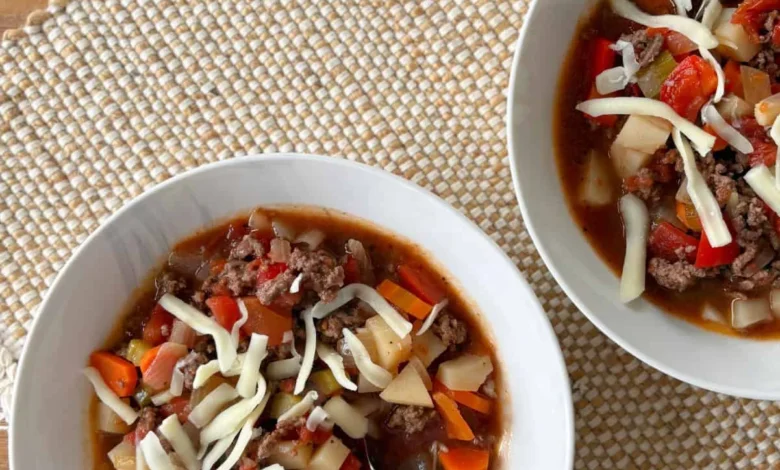
The traditional American beef stew has long been a centerpiece of cold-weather cuisine, yet its reliance on slow-cooking tough cuts of meat often necessitates hours of preparation. In response to the demand for time-efficient, home-cooked meals, the modern culinary landscape has increasingly turned toward the Hamburger Stew. This dish, which replaces conventional stew meat with ground beef, offers a significant reduction in cooking time while maintaining the nutritional profile and comfort-food characteristics of the classic iteration. By utilizing a Dutch oven or a heavy-bottomed pot, home cooks can achieve a complex flavor profile in under an hour, making it an ideal candidate for weeknight meal planning.

The Evolution of One-Pot Stewing Techniques
The history of the one-pot meal is rooted in agricultural efficiency, where home cooks sought to maximize fuel usage and minimize cleanup. Historically, stews were designed to tenderize inexpensive, connective-tissue-rich cuts of beef through prolonged braising. However, the 20th-century introduction of widely available ground beef transformed the preparation of such dishes. By breaking the protein down into smaller particles, the surface area exposed to heat increases, allowing for a much faster cook time—typically 40 minutes for the stew base. This evolution reflects a broader trend in domestic food science, prioritizing the optimization of labor-intensive tasks without compromising the integrity of the finished product.
Nutritional Profile and Ingredient Selection
A standard serving of Hamburger Stew, which incorporates potatoes, carrots, celery, and tomatoes, provides a balanced intake of macronutrients. According to standard dietary analysis, a single serving typically contains approximately 178 calories, 14 grams of protein, and 16 grams of carbohydrates. The inclusion of carrots and tomatoes introduces significant levels of Vitamin A and C, while the potatoes provide essential potassium.

The selection of ingredients is paramount to the success of the dish. Culinary experts suggest using yellow or Yukon Gold potatoes for their ability to maintain structural integrity during the simmering process, preventing the dish from becoming overly starchy. While russet potatoes are common, their high starch content leads to a faster breakdown, which may result in a thicker, porridge-like consistency rather than a distinct stew. The base—a combination of aromatic vegetables, tomatoes, and ground beef—serves as a foundation that can be easily modified based on seasonal availability or dietary preferences.
Chronology of Preparation
The efficiency of this dish is predicated on a structured, logical sequence of cooking steps that ensures all ingredients reach their peak texture simultaneously:

- Protein Foundation: The process begins with the browning of ground beef in a Dutch oven. This step is critical, as the Maillard reaction—the chemical reaction between amino acids and reducing sugars—creates the foundational savory notes of the dish.
- Aromatic Integration: Once the beef is browned, onions and celery are introduced. This allows the vegetables to soften in the rendered fat, layering flavor before the addition of liquid.
- Deglazing and Simmering: The addition of tomatoes and a controlled amount of liquid (water or beef broth) initiates the stewing phase.
- Vegetable Incorporation: Potatoes and carrots are added once the liquid has reached a simmer. The timing is precise; if added too early, these vegetables may disintegrate; if added too late, they remain undercooked.
- Finishing: The final 10 to 15 minutes of cooking allow the flavors to meld, creating a cohesive dish that is ready for service.
Expert Analysis: The Flexibility of the Stew
The Hamburger Stew is categorized by food technologists as a "forgiving" recipe, meaning it possesses high tolerance for ingredient substitution. Unlike baking, which requires precise chemical ratios, stewing relies on the absorption of flavors into a liquid base.
Research into meal-prep trends suggests that dishes with high moisture content, such as this stew, benefit from a resting period. As the mixture cools and is subsequently reheated, the cellular structure of the vegetables continues to absorb the savory broth, often resulting in an improved flavor profile on the second or third day. This makes the dish highly effective for batch cooking, a practice increasingly recommended by nutritionists to reduce reliance on processed, high-sodium convenience foods.

Adaptations and Dietary Customizations
The versatility of the recipe extends to those with varying dietary requirements. For individuals seeking to reduce fat intake, ground turkey or lean ground beef (90/10 or higher) serve as effective, lower-fat alternatives. While the traditional recipe utilizes a tomato-based broth, the flavor can be adjusted by incorporating dry red or white wine during the deglazing step, which aids in breaking down the fond (browned bits) at the bottom of the pot.
For those requiring more substantial sustenance, the addition of legumes, such as peas or corn, can introduce further fiber. However, the inclusion of frozen vegetables must be timed carefully—typically added in the final five minutes of cooking—to avoid overcooking and a loss of texture. Furthermore, for those monitoring sodium intake, utilizing low-sodium beef broth instead of water provides depth, though it necessitates careful seasoning management to avoid exceeding recommended daily sodium limits.

Broader Implications for Modern Household Management
The prevalence of such "quick-stew" recipes speaks to the ongoing challenge of balancing nutritional health with the constraints of a modern, fast-paced professional lifestyle. By minimizing the "active" time required in the kitchen, the Hamburger Stew serves as a bridge between the tradition of slow-cooked family meals and the reality of time-constrained modern living.
Furthermore, the economic implications of the dish are notable. Ground beef remains one of the most cost-effective proteins on the market, and the inclusion of root vegetables—which have a long shelf life—further enhances the affordability of the meal. In periods of economic volatility, such recipes become vital tools for families attempting to maintain a balanced diet without incurring the high costs associated with premium cuts of meat or frequent takeout dining.

Conclusion
Hamburger Stew represents a successful synthesis of traditional culinary methodology and modern convenience. By focusing on the structural properties of ingredients and the efficiency of one-pot preparation, it offers a sustainable approach to home cooking. Whether viewed as a method for cost management, a nutritional strategy for busy households, or simply a reliable comfort food, the dish remains a staple that addresses the fundamental needs of the contemporary diner. As household food preferences continue to shift toward transparency and speed, the reliance on such versatile, one-pot foundations is expected to remain a significant feature of the American culinary landscape.