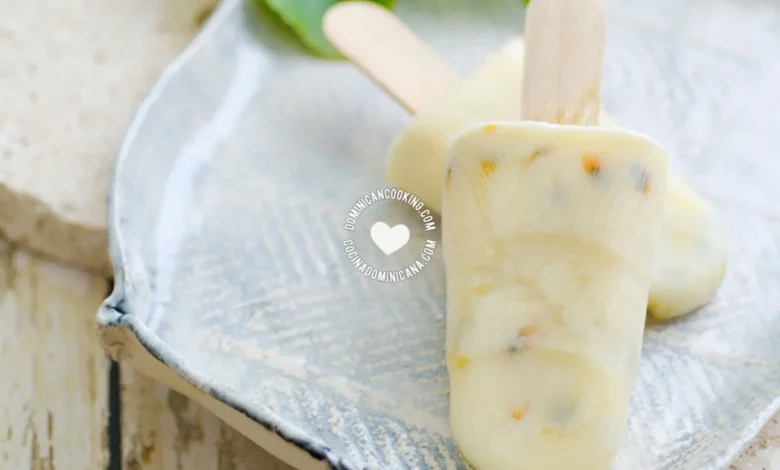
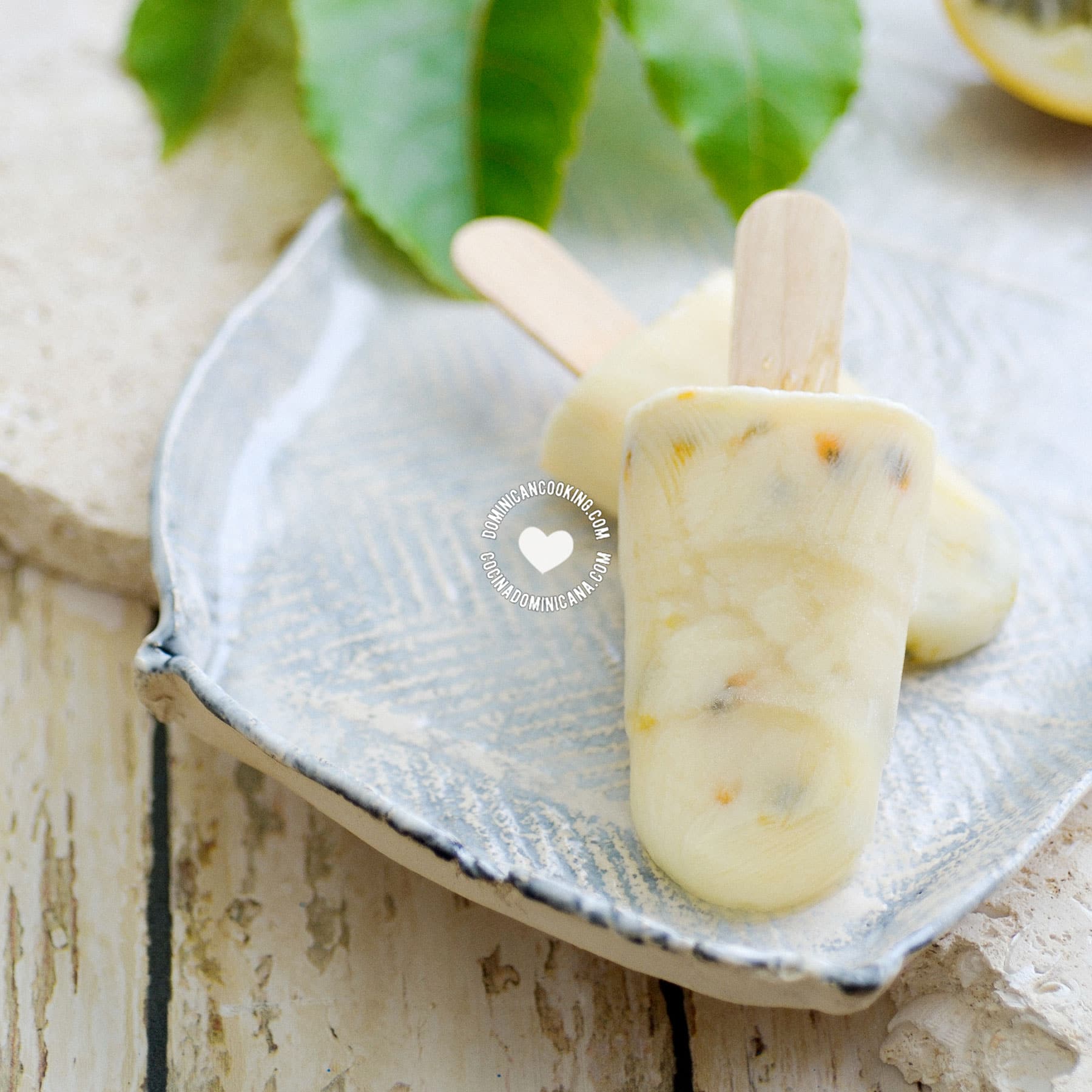
As peak summer temperatures consistently shatter historical meteorological records across the globe, culinary innovators and home economists are increasingly turning to traditional regional treats to combat extreme heat. Among the most creative adaptations gaining traction this season is a frozen variation of a classic Caribbean beverage: the Paleta Morir Soñando de Chinola. Developed by culinary writer Clara Gonzalez of Dominican Cooking, this milk and passion fruit popsicle offers a modern, frozen interpretation of the beloved Dominican Morir Soñando drink, merging the comforting creaminess of dairy with the sharp, aromatic acidity of tropical passion fruit.
Background and Cultural Context of the Recipe
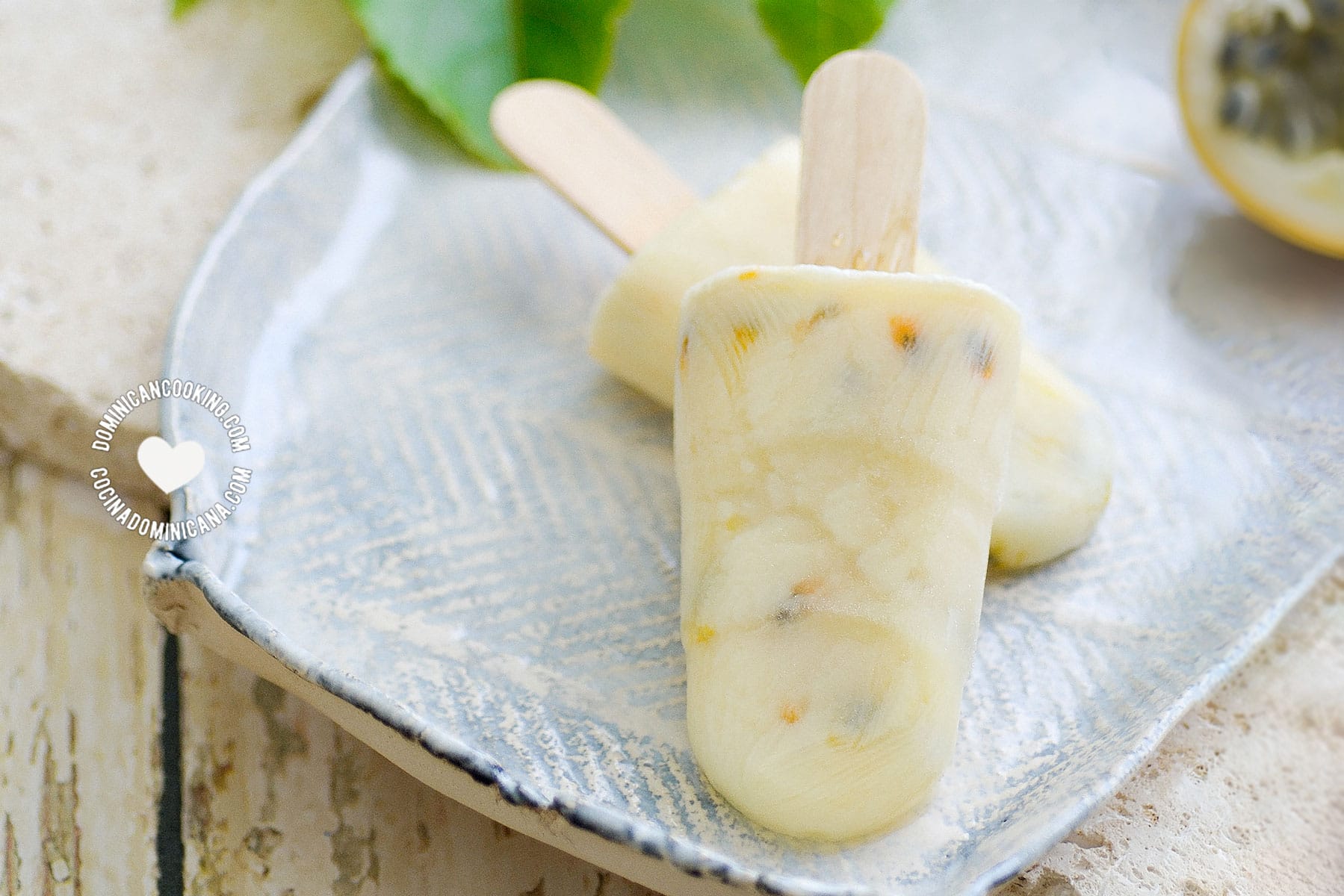
The traditional Dominican beverage known as Morir Soñando—which literally translates to "to die dreaming"—is a staple of Caribbean refreshment. Classically prepared by combining cold milk with freshly squeezed citrus juice, typically sweet orange juice, the drink relies on a delicate balance of acidity and dairy fats. Because citrus juice can easily curdle milk if not combined with precise ratios and temperatures, making Morir Soñando requires a specific culinary technique.
While oranges remain the most common citrus base, culinary traditions throughout the Greater Antilles occasionally incorporate alternative sour fruits. Chinola (scientifically known as Passiflora edulis, and commonly referred to as passion fruit, maracuyá, or parchita) is technically classified botanically as a berry rather than a citrus fruit. However, its intense, tart profile closely mimics the acidity of citrus, making it an exceptional candidate for dairy-based beverages and desserts.
Adapting this flavor profile into a frozen format (paleta) addresses both contemporary consumer demand for artisanal frozen novelties and the practical need for heat-mitigating functional foods during prolonged heatwaves.

Nutritional Profile and Composition
From a dietary standpoint, the Paleta Morir Soñando de Chinola bridges the gap between indulgent summer desserts and nutrient-dense fruit consumption. According to standard recipe analysis data for a six-serving yield, each individual popsicle provides approximately 211 kilocalories. The nutritional breakdown includes roughly 49 grams of carbohydrates—largely driven by natural and added sugars totaling 44 grams—along with 5 grams of protein and a remarkably low fat content of just 1 gram, of which 1 gram is saturated fat.
Furthermore, the integration of real passion fruit pulp introduces valuable micronutrients. A single serving delivers approximately 4 grams of dietary fiber, 11.8 milligrams of vitamin C, 154 milligrams of calcium, and 328 milligrams of potassium. This vitamin and mineral density elevates the treat above standard commercial ice pops, which frequently rely on artificial colorings, synthetic flavorings, and high-fructose corn syrup devoid of actual fruit content.
Culinary Preparation and Technical Execution
The preparation of Paleta Morir Soñando de Chinola requires careful attention to ingredient synergy to prevent unwanted curdling while maximizing flavor extraction. Gonzalez’s protocol emphasizes a methodical workflow divided into chilling, mixing, freezing, and serving phases.
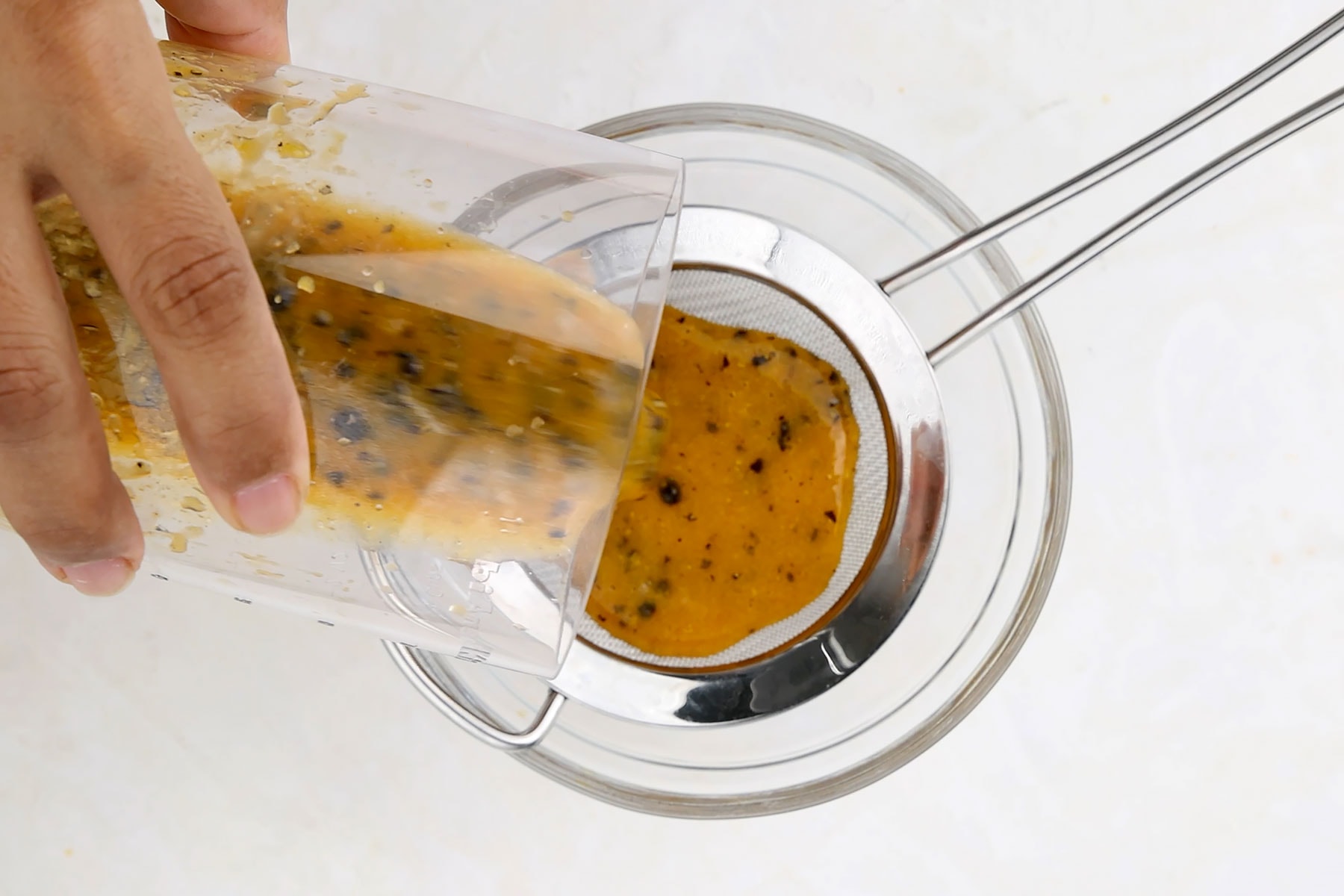
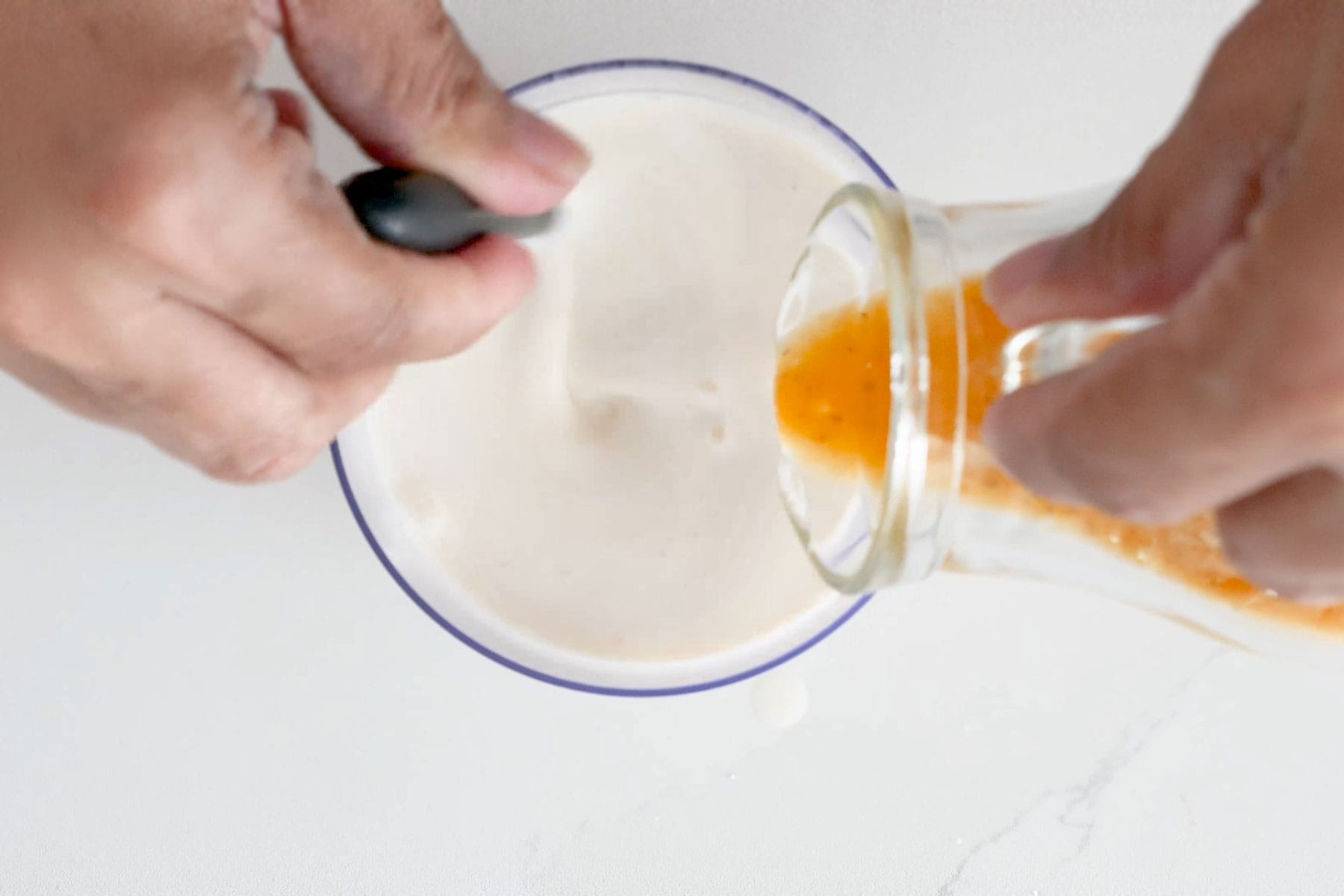
Preparation typically begins with the extraction of fresh chinola juice, ensuring the removal of the seeds while retaining the characteristic aromatic pulp. The juice is then meticulously blended with a dairy base—often a combination of whole milk and evaporated or sweetened condensed milk to achieve the velvety mouthfeel characteristic of Latin American paletas.
Because passion fruit possesses a significantly higher acid level than standard sweet oranges, temperature control during the mixing phase is paramount. The liquid mixture must be thoroughly chilled before being poured into specialized popsicle molds. Inserting wooden sticks and transferring the units to a deep freeze for a minimum of one hour and fifteen minutes ensures a uniform crystalline structure, preventing the separation of the milk solids from the fruit liquid.
Market Trends and Consumer Interest in Artisanal Paletas
The release of the chinola popsicle recipe coincides with a broader commercial and cultural surge in the popularity of Latin American frozen desserts within international markets. Over the past decade, consumer preferences have shifted away from mass-produced, chemically stabilized ice creams toward authentic, culturally rooted artisanal treats.
Search engine analytics and culinary trend reports indicate a rising global interest in alternative tropical flavors such as maracuyá, mango, guanábana, and tamarind. Food industry analysts attribute this trend to shifting demographic landscapes, increased global culinary tourism, and a growing consumer appetite for bold, complex flavor profiles that contrast sweet and sour notes.
By translating a traditional beverage into a portable, freezer-stable format, recipes like the Paleta Morir Soñando de Chinola democratize Caribbean gastronomy, making regional culinary heritage accessible to international home cooks seeking novel ways to navigate elevated summer temperatures. As climate patterns continue to drive demand for effective, palate-pleasing cooling agents, traditional fusion treats stand poised to play an increasingly prominent role in modern domestic and commercial culinary landscapes.