Beyond the Myth: The Real Role of Fish in the Traditional Mediterranean Diet

The global perception of the Mediterranean diet is often heavily romanticized, conjuring daily images of coastal villagers dining on platters of pristine, freshly caught fish glistening under the Mediterranean sun. However, nutritional science and historical records paint a vastly different, more pragmatic picture of how traditional populations actually consumed seafood. Registered Dietitian Nutritionist Elena Paravantes, an expert on the Greek Mediterranean diet, has highlighted widespread misconceptions regarding fish consumption within these heritage populations, revealing that the diet’s heavy emphasis on seafood was historically driven by preservation, accessibility, and economic necessity rather than daily trips to a coastal fish market.
Understanding the historical realities of Mediterranean eating habits not only corrects culinary myths but also offers modern consumers a more affordable, sustainable, and scientifically backed approach to incorporating heart-healthy fats into their daily routines.
Historical Context and Regional Realities: Life Beyond the Coast
A primary misconception is that Mediterranean populations consumed fresh fish regularly. In regions such as Greece—where approximately 80% of the landmass is mountainous—inland communities lacked modern refrigeration and rapid transportation networks for centuries. For a vast majority of the population, fresh sea fish was an infrequent luxury.
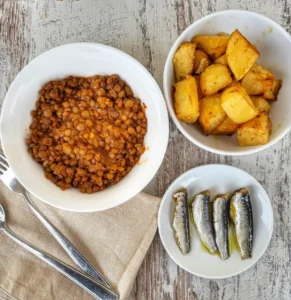
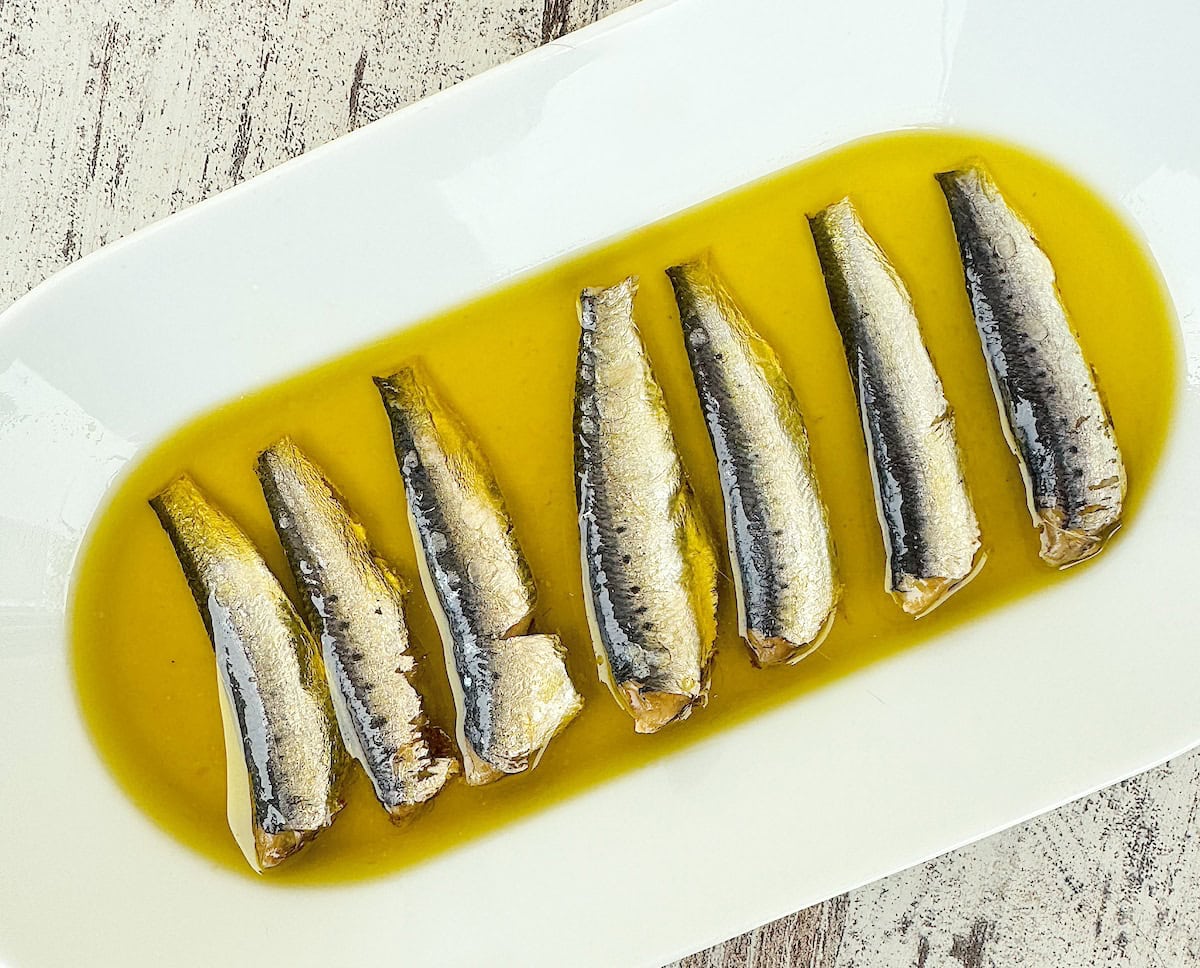
During the mid-20th century and earlier, rural villagers relied heavily on preserved proteins. Historical accounts indicate that mobile fishmongers might visit remote mountain villages only once or twice a week during the summer months, even less frequently in the winter, and occasionally not at all during harsh weather conditions. To bridge this gap, communities mastered preservation techniques, consuming cured, salted, and marinated fish. These preserved seafood items were rarely served as the centerpiece of a meal; instead, they functioned as savory, nutrient-dense side dishes designed to complement staples such as lentils, chickpeas, beans, and wild greens. Classic pairings, such as marinated sardines served alongside a rustic bowl of warm lentil soup, represented an ingenious nutritional balancing act utilizing locally available resources.
Furthermore, iconic modern favorites such as Atlantic salmon—which is native to the cold waters of the North Atlantic and Pacific oceans—do not exist in the Mediterranean Sea and played no part in the traditional diet of historic Mediterranean communities. The true staples of the region were small, pelagic schooling fish: sardines and anchovies.
The Nutritional Science of Omega-3 Fatty Acids
At the core of the medical community’s endorsement of fish within the Mediterranean diet is its high concentration of omega-3 polyunsaturated fatty acids. These essential fatty acids cannot be synthesized independently by the human organism, meaning they must be acquired exclusively through exogenous dietary sources.
Extensive epidemiological research and clinical trials have established the physiological significance of omega-3 fatty acids, specifically eicosapentaenoic acid (EPA) and docosahexaenoic acid (DHA). These compounds play an instrumental role in cardiovascular health by reducing systemic inflammation, lowering triglyceride levels, and mitigating the risk of atherosclerosis, myocardial infarction, and stroke. Moreover, longitudinal neurological studies suggest that higher dietary intake of omega-3 fatty acids correlates with a reduced incidence of age-related cognitive decline, Alzheimer’s disease, and various forms of dementia, while simultaneously supporting overall neurocognitive performance.
While modern health enthusiasts often look to expensive, large-scale fish species to meet their omega-3 requirements, traditional Mediterranean populations derived these essential nutrients from a diverse matrix of whole foods. Wild-foraged greens, foraged walnuts, and dairy and meat products from free-grazing livestock all contributed trace amounts of fatty acids. However, small oily fish like sardines and anchovies served as the most consistent and concentrated dietary vectors, directly contributing to the remarkable longevity observed in historical Mediterranean populations.
Sardines: The Paradigm of Affordable Nutrition
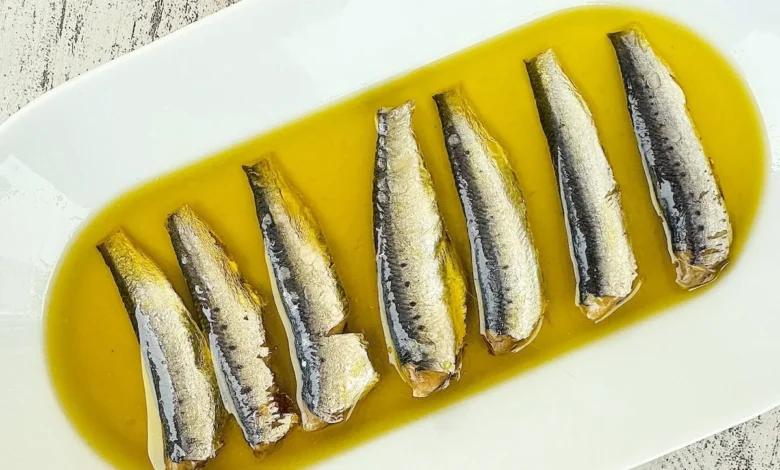
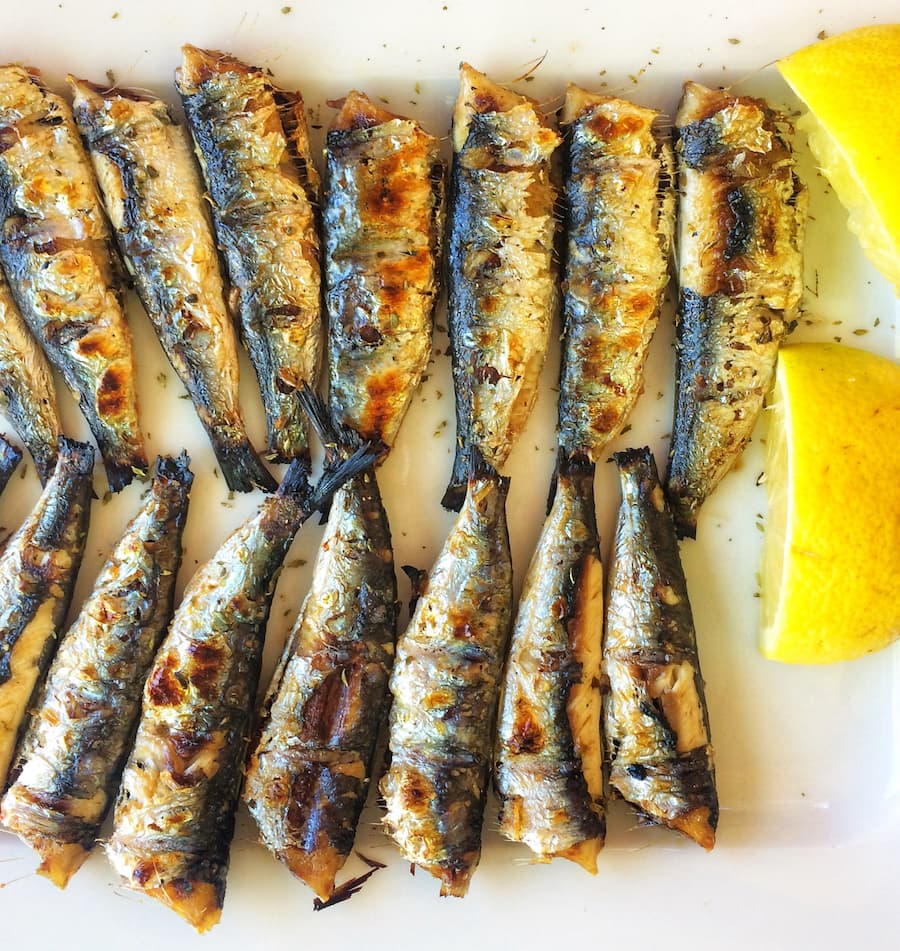
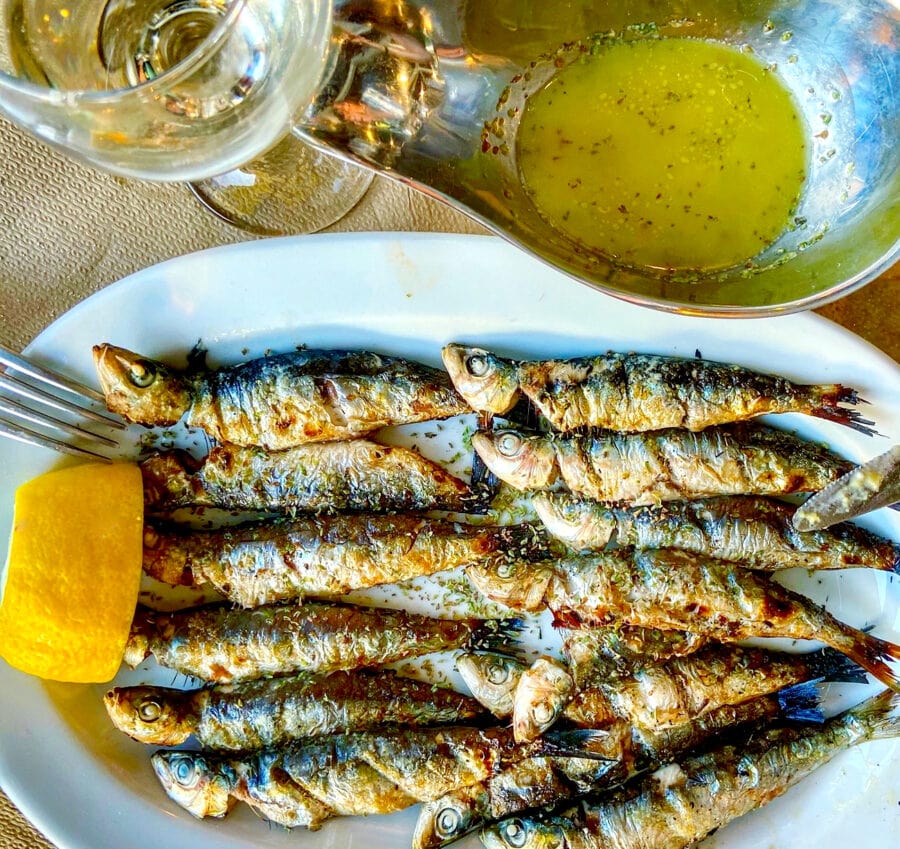
Among all marine species, the humble sardine stands out as an exceptionally nutrient-dense and economically accessible food source. Despite cultural biases that historically categorized canned seafood as a compromise for lower-income demographics, nutritional profiling demonstrates that sardines rival or exceed the nutrient density of far more expensive fish.
Because sardines are typically consumed whole—including their soft, edible bones, particularly when purchased canned—they provide a rare and bioavailable dietary source of calcium and vitamin D. This structural profile makes them uniquely beneficial for bone mineral density. Additionally, sardines are rich in high-biological-value protein, vitamin B12, selenium, and iron.
From an ecological and toxicological standpoint, sardines occupy a low trophic level in the marine food web. Because they feed primarily on plankton rather than preying on smaller fish, they accumulate negligible amounts of heavy metals, most notably methylmercury. This starkly contrasts with apex predatory fish such as swordfish, shark, or large tuna, which require strict consumption limits. Consequently, health authorities classify sardines as a safe, low-mercury protein source that can be safely integrated into the human diet multiple times per week.
Crucially, industrial canning processes do not degrade omega-3 fatty acids. Canned sardines packed in extra virgin olive oil offer the exact same nutritional profile and cardiovascular benefits as fresh variants, while providing a shelf-stable, budget-friendly protein option for modern consumers navigating rising grocery costs.
Anchovies: The Underestimated Culinary and Nutritional Powerhouse
Similarly, anchovies share the nutritional accolades of sardines, offering high concentrations of omega-3 fatty acids, complete proteins, and essential micronutrients while maintaining an exceptionally low mercury burden.
Historically, while fresh anchovies were enjoyed in coastal towns—often cured raw in lemon juice and olive oil, a preparation known in Greece as gavros marinatos—salt-packed anchovies served as a vital trade commodity that could travel inland to remote villages without refrigeration. Eaten as a savory condiment or integrated into rustic side dishes, anchovies provided essential micronutrients and intense umami flavor to otherwise austere plant-based meals.
Modern culinary applications often relegate anchovies to a polarizing pizza topping, ignoring their vast versatility. When dissolved into warm extra virgin olive oil, salt-packed or canned anchovies melt into a rich, savory base for pasta sauces, vegetable sautées, and dressings, imparting profound depth without an overwhelmingly "fishy" flavor profile.
The Status of Salmon and Alternative Staples in Global Diets
While contemporary nutritionists frequently recommend salmon for its robust omega-3 content, protein levels, and antioxidant properties—specifically astaxanthin—experts emphasize that it is not a mandatory component of an authentic Mediterranean dietary pattern. Consumers who enjoy salmon can certainly incorporate it into their routines, ideally prepared with simple whole-food ingredients such as extra virgin olive oil, fresh lemon juice, garlic, and Mediterranean herbs. However, consumers seeking budget-friendly or environmentally sustainable alternatives can achieve identical cardiovascular and cognitive health outcomes by consuming small, locally sourced or canned sardines and anchovies.
Other preserved marine species also hold legitimate, historically documented places within regional Mediterranean traditions. Salt cod (baccalà or bakaliaros), for instance, became a cornerstone of inland European cuisine because the salting process allowed the fish to be preserved for months without refrigeration. While cod is a lean protein that lacks the high omega-3 concentrations found in oily fish, its historical integration into culinary traditions across Greece, Italy, Portugal, and Spain underscores the historic reliance on preserved seafood.
Similarly, smoked and salted herring—known in Greece as renga—became embedded in regional food cultures as a preserved protein source. Eaten sparingly alongside lentils, chickpeas, and dark leafy greens, herring delivers notable levels of omega-3 fatty acids, B vitamins, and selenium. Although herring exhibits slightly higher mercury concentrations than sardines and anchovies, its traditional consumption pattern—ingested in small quantities as a flavorful accompaniment rather than a primary daily protein—keeps dietary intake well within safe margins.
Economic and Environmental Implications
The re-evaluation of traditional Mediterranean fish consumption patterns carries significant implications for modern public health and environmental sustainability. As global fisheries face unprecedented pressure from overexploitation and industrial overfishing, shifting consumer demand away from large, threatened apex predators toward lower-trophic-level species like sardines and anchovies reduces ecological strain on marine ecosystems.
Furthermore, by dismantling the socioeconomic stigma attached to canned fish, consumers can achieve optimal nutritional outcomes—including improved cardiovascular health, reduced systemic inflammation, and sustained cognitive function—without incurring the financial burdens associated with fresh, premium seafood cuts. Ultimately, aligning modern dietary habits with the historical pragmatism of Mediterranean ancestors demonstrates that optimal nutrition is achieved not through expensive culinary luxuries, but through sustainable, nutrient-dense staples deeply rooted in history and science.