Deconstructing the Diaspora: How Modern Jewish Cookbooks Reflect and Redefine Identity

The contemporary culinary landscape is undergoing a profound reassessment of diasporic traditions, with Jewish cookbooks serving as cultural mirrors rather than mere instruction manuals for the kitchen. As secular culture increasingly intersects with ancestral heritage, recent publishing trends reveal deep-seated questions regarding what constitutes "Jewish food" in the twenty-first century. Food writers Charlotte Druckman and Rebecca Flint Marx recently convened to analyze a collection of contemporary Jewish cookbooks published between 2015 and 2022, evaluating how these texts navigate the complex intersections of culture, religion, ethnicity, and nationality within the American food ecosystem.
The Evolution of Jewish Culinary Identity in America
Defining Jewish cuisine has historically presented a formidable challenge, mirroring the fluid and fragmented nature of Jewish identity itself. Sociologists and culinary historians note that Jewish food is inherently diasporic, shaped by centuries of migration, shifting geopolitical borders, and cultural assimilation. In the United States, this identity has often been filtered through an Eastern European, New York-centric lens, prioritizing Ashkenazi staples like brisket, matzo ball soup, and bagels.
However, recent decades have seen a significant shift. The broader artisanal food movement of the early 2000s sparked a renaissance in traditional cooking, leading a new generation of chefs and authors to re-examine, elevate, and occasionally reinvent Old World recipes. This movement raised fundamental questions about assimilation, with "modern" often serving as a euphemism for integration into mainstream American food culture.
A Critical Survey of Modern Jewish Cookbooks
Druckman and Flint Marx’s evaluation centered on five notable publications, each approaching Jewishness from distinct philosophical and stylistic viewpoints.
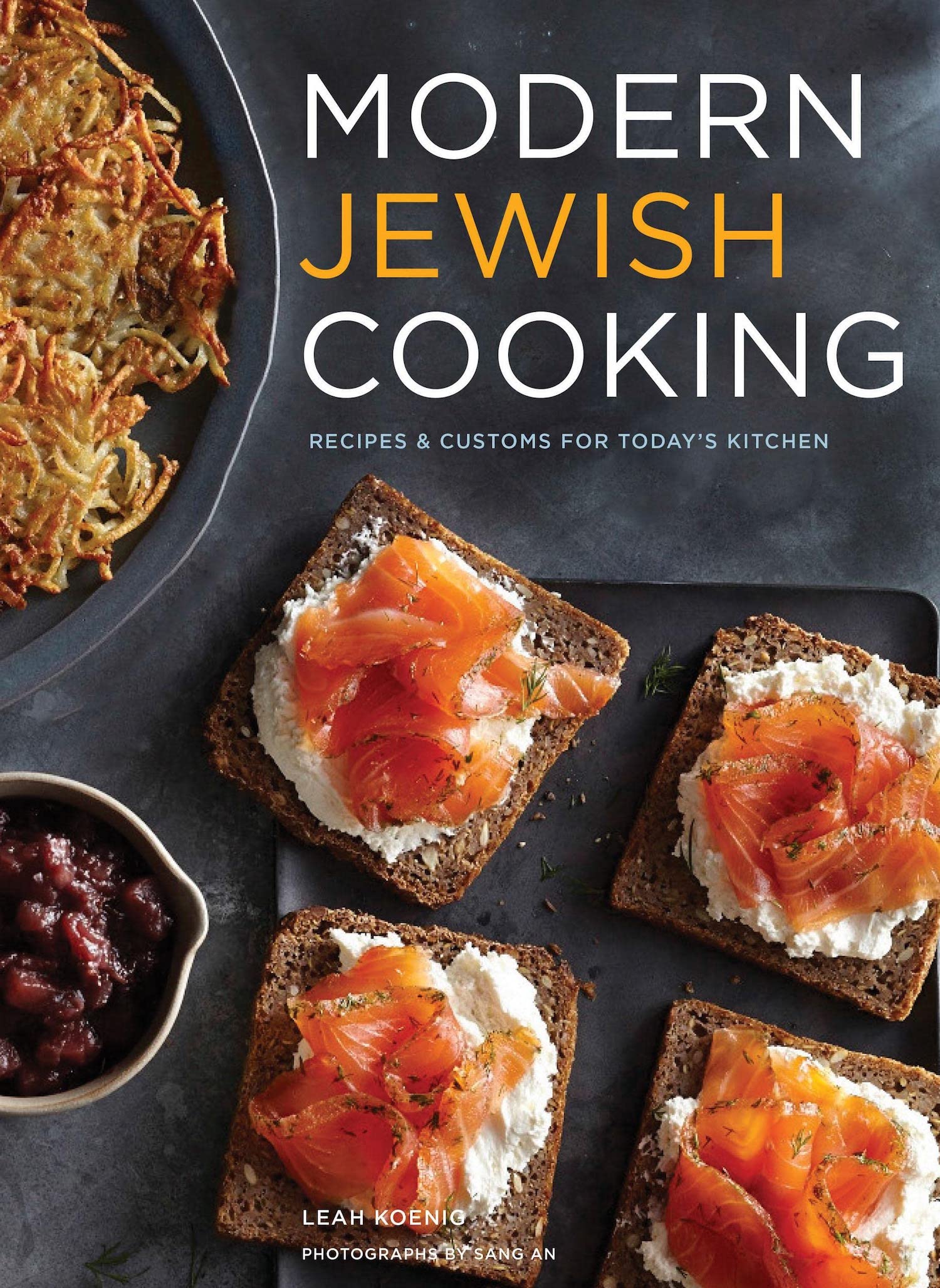
Modern Jewish Cooking by Leah Koenig (2015)
Published during the initial wave of the artisanal food revival, Leah Koenig’s work has been widely regarded as a benchmark for contemporary Jewish cuisine. The reviewers noted that the book successfully avoids tired theatricality ("shtick") in favor of restrained, elegant, and reliable recipes. However, they observed a broader thematic absence: the text often lacks explicit historical or religious context for specific dishes, such as seasonal vegetable sides like fennel gratin or pan-roasted turnips. While it effectively updates traditional expectations, it operates primarily within the unstated framework of the American culinary landscape.
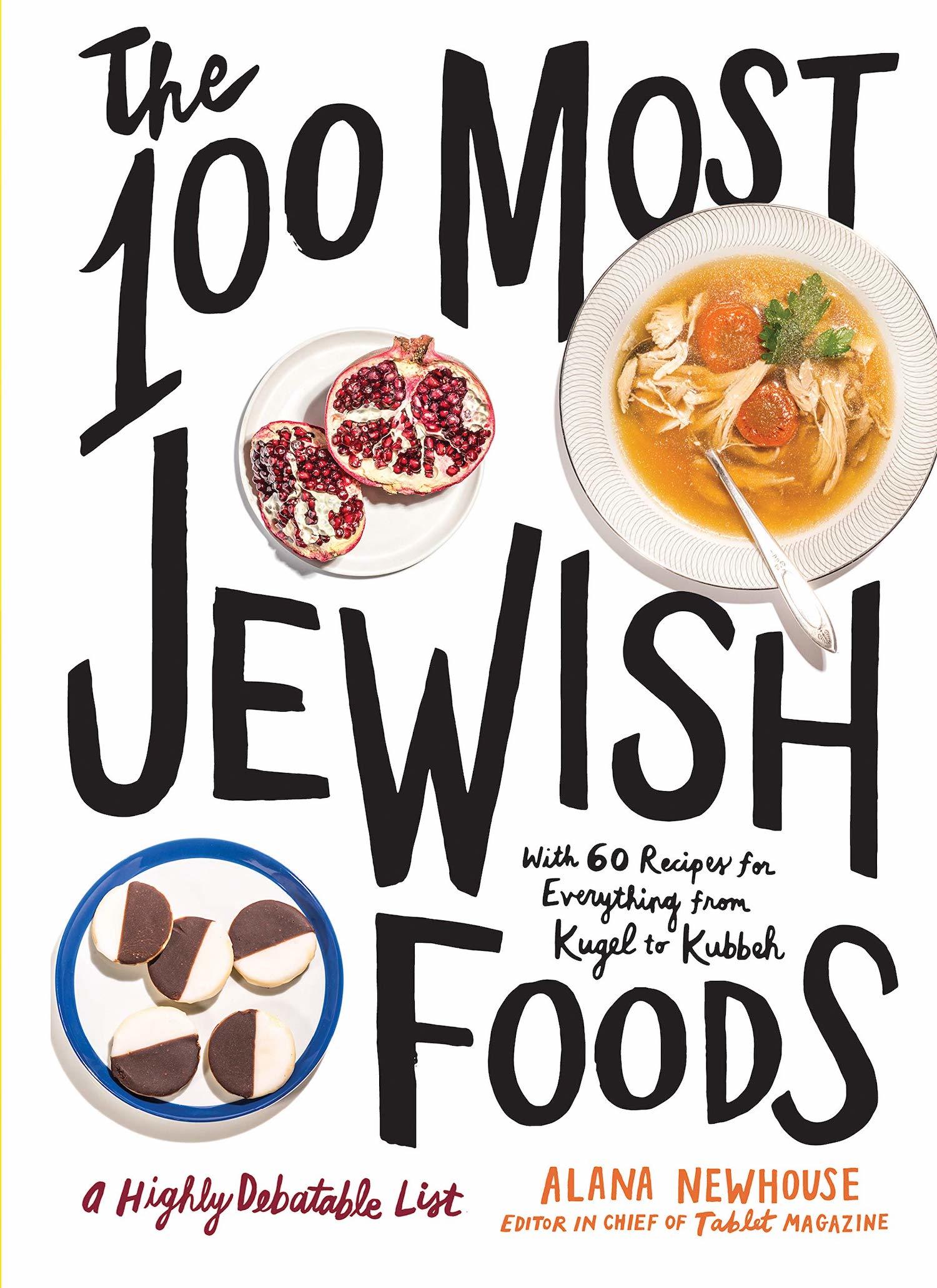
The 100 Most Jewish Foods by Alana Newhouse (2019)
Functioning more as an anthology of essays than a traditional recipe book, this volume embraces the argumentative and often neurotic qualities of cultural debate. Featuring contributions from a diverse array of writers and chefs—including some external to the faith—the book tackles philosophical inquiries regarding identity, such as the cultural significance of a used teabag. While praised for its intellectual rigor and engaging prose, critics noted that its reliance on an Eastern European New York sensibility risks reinforcing a monochromatic view of a global diaspora.
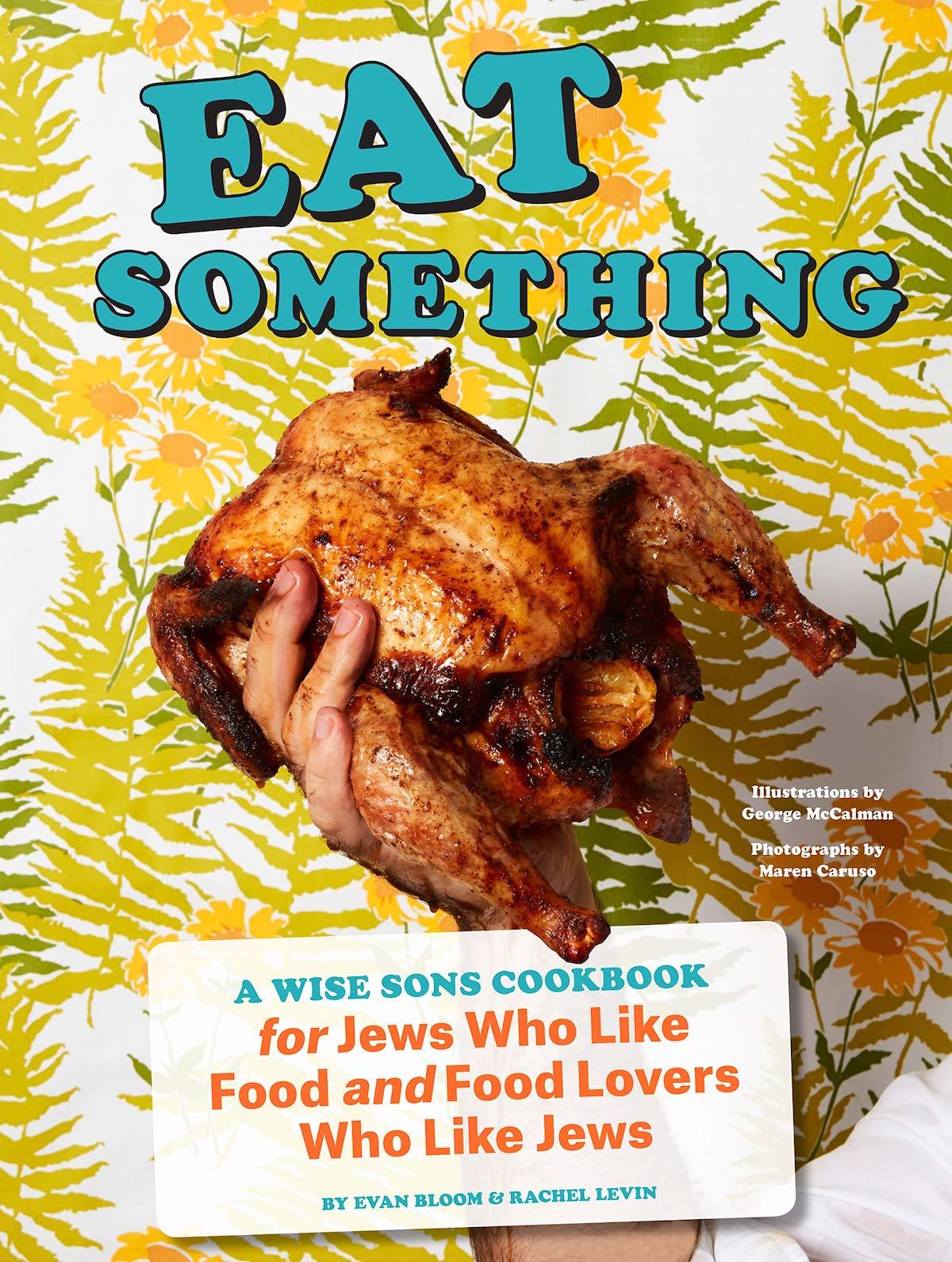
Eat Something: A Wise Sons Cookbook by Evan Bloom and Rachel Levin (2020)
Evoking the nostalgia of a suburban Gen-X childhood, this cookbook leans heavily into humor, camp, and regional American touchstones reminiscent of Palm Beach or Northern California. The authors use a comedic, sitcom-esque framing to address generational disconnects from religious practice and immigrant roots. While successful in fostering a sense of community and warmth, critics cautioned that packaging sacred traditions through a lifestyle-brand lens risks caricaturing heritage and reducing rich cultural practices to mere tropes.
Jew-Ish by Jake Cohen (2021)
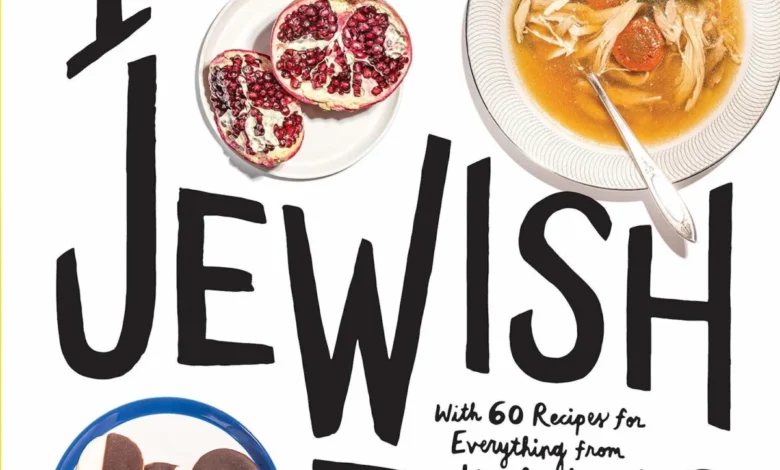
Perhaps the most controversial text evaluated, Jake Cohen’s book sparked intense debate regarding the commodification of identity. Subtitled "Reinvented Recipes from a Modern Mensch," the volume approaches Shabbat entertaining through heavily decontextualized recipes, such as everything-bagel-seasoned tomato galettes and pumpkin-spice babka. Druckman and Flint Marx criticized the book’s framing of religious observance as an optional, lifestyle-branding exercise, arguing that reducing centuries-old traditions to a formula for dinner-party hosting undermines the depth of Jewish cultural heritage.
52 Shabbats by Faith Kramer (2021)
Standing in stark contrast to decontextualized entertaining books, Faith Kramer’s work received high praise for its journalistic and historical rigor. By organizing recipes around the weekly Sabbath across a calendar year, Kramer highlights the vast geographic dispersion of Jewish communities—from Shanghai to North Africa. The book seamlessly integrates religion, seasonality, and migration patterns, demonstrating how fusion and adaptation are foundational characteristics of Jewish cuisine.

Broader Implications and Cultural Impact
The proliferation of Jewish cookbooks in recent years reflects a broader societal hunger for connection in an increasingly homogenized world. Yet, as Druckman and Flint Marx emphasized, the market continues to grapple with the tension between commercial appeal and authentic representation.
The dominance of Ashkenazi narratives in mainstream publishing has historically marginalized Sephardic, Mizrahi, and Black Jewish voices, resulting in a monolithic portrayal of a deeply diverse culture. Furthermore, the trend of packaging religious rituals as trendy lifestyle choices highlights a generational anxiety: contemporary authors and readers are frequently attempting to reconstruct a sense of belonging that their families may have lost through assimilation or displacement.
Ultimately, these cookbooks function less as definitive culinary guides and more as cultural barometers. They illustrate how modern eaters negotiate their heritage in the kitchen, proving that while recipes can be endlessly reinvented, the search for identity, community, and historical continuity remains a permanent fixture of the Jewish culinary tradition.