Cocadas: The History, Craft, and Cultural Significance of the Caribbean’s Iconic Coconut Candy

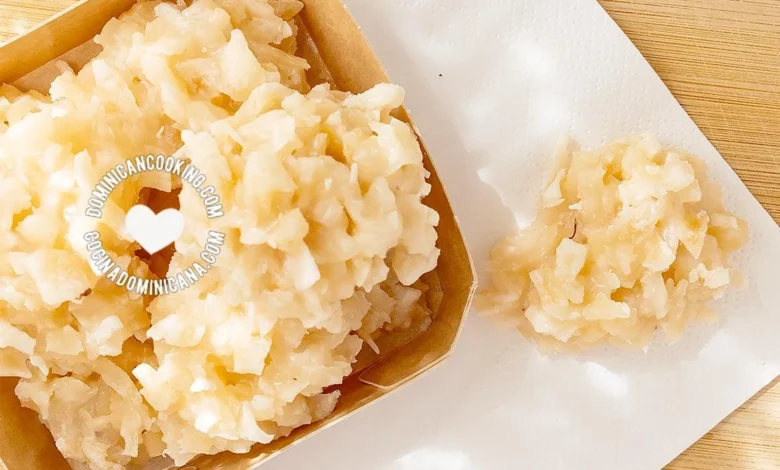
The culinary landscape of the Caribbean is defined by its ingenuity, resourcefulness, and a profound ability to transform basic, locally abundant agricultural yields into enduring cultural staples. Among the vast pantheon of traditional sweets across the region, few items evoke as much immediate nostalgia and sensory recognition as the cocada. Known alternatively in various regions as coquitos, dulcitos de coco, or dulce de coco seco, these traditional dry coconut confections are a cornerstone of Dominican confectionery heritage. Historically found resting in large, glass jars atop the wooden counters of neighborhood corner stores—known locally as colmados—cocadas represent an intersection of colonial history, indigenous ingredients, and modern culinary adaptation.
Recent culinary documentation by cultural authorities such as recipe developer Clara Gonzalez has brought renewed attention to these traditional flourless coconut cookies. By emphasizing minimalist preparation methods, modern home cooks are increasingly revisiting recipes that rely on fundamental techniques rather than processed shortcuts or specialized industrial equipment. This resurgence highlights a broader global culinary trend: the re-examination and preservation of heritage foods that require minimal capital, rely on natural ingredients, and possess remarkable shelf-life capabilities without the need for artificial preservatives.
Historical Evolution and Cultural Context
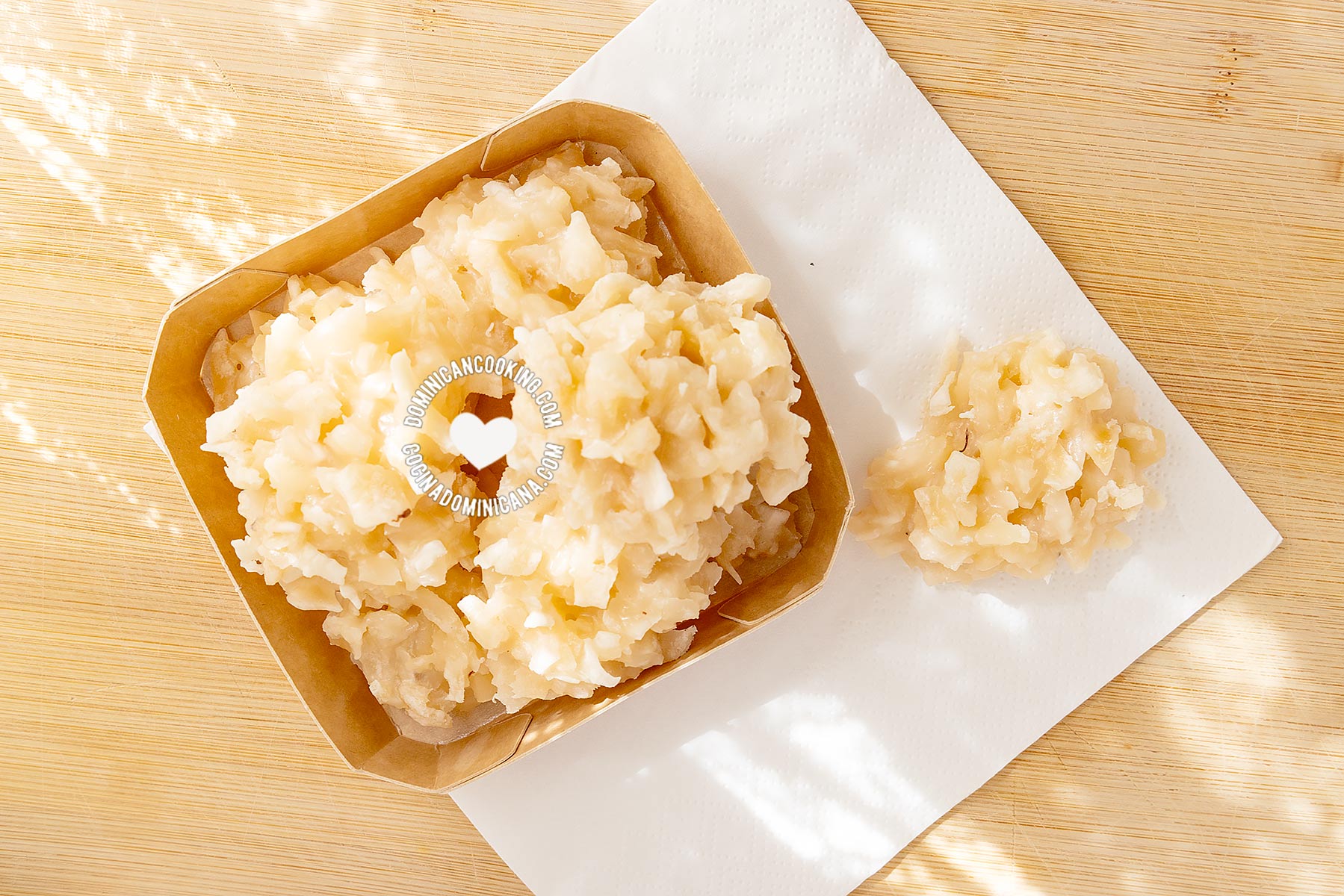
The genesis of the cocada is deeply rooted in the historical convergence of the Caribbean’s agricultural realities. Coconuts (Cocos nucifera), while not strictly indigenous to the Americas in their current ubiquitous form, were established across the tropics centuries ago, becoming thoroughly integrated into the diet, economy, and culture of the Dominican Republic and surrounding islands. Sugar cane, introduced during the early colonial period, provided the essential counterpart needed to preserve and elevate the naturally rich, oily meat of the fresh coconut.
In traditional Dominican society, sweets like cocadas were not merely occasional luxuries; they were practical methods of food preservation. Before modern refrigeration, rural and urban households alike sought ways to extend the shelf life of perishable agricultural yields. By reducing freshly grated coconut with sugar and aromatic spices like cinnamon, cooks could produce stable, nutrient-dense treats that would remain edible for weeks, even in the tropical heat.
The cultural footprint of the cocada is perhaps most visible in the colmado. Serving as the social and economic hub of Dominican neighborhoods, the colmado has historically featured glass jars filled with colorful coconut candies. Traditionally, these candies were frequently dyed a vibrant red using food coloring—a visual marker that signaled sweetness and celebration to passersby. While contemporary culinary preferences often lean toward the natural golden-brown hue of caramelized coconut, the nostalgic association with the iconic glass jar remains a powerful cultural touchstone for the Dominican diaspora worldwide.
The Culinary Mechanics of Traditional Cocadas

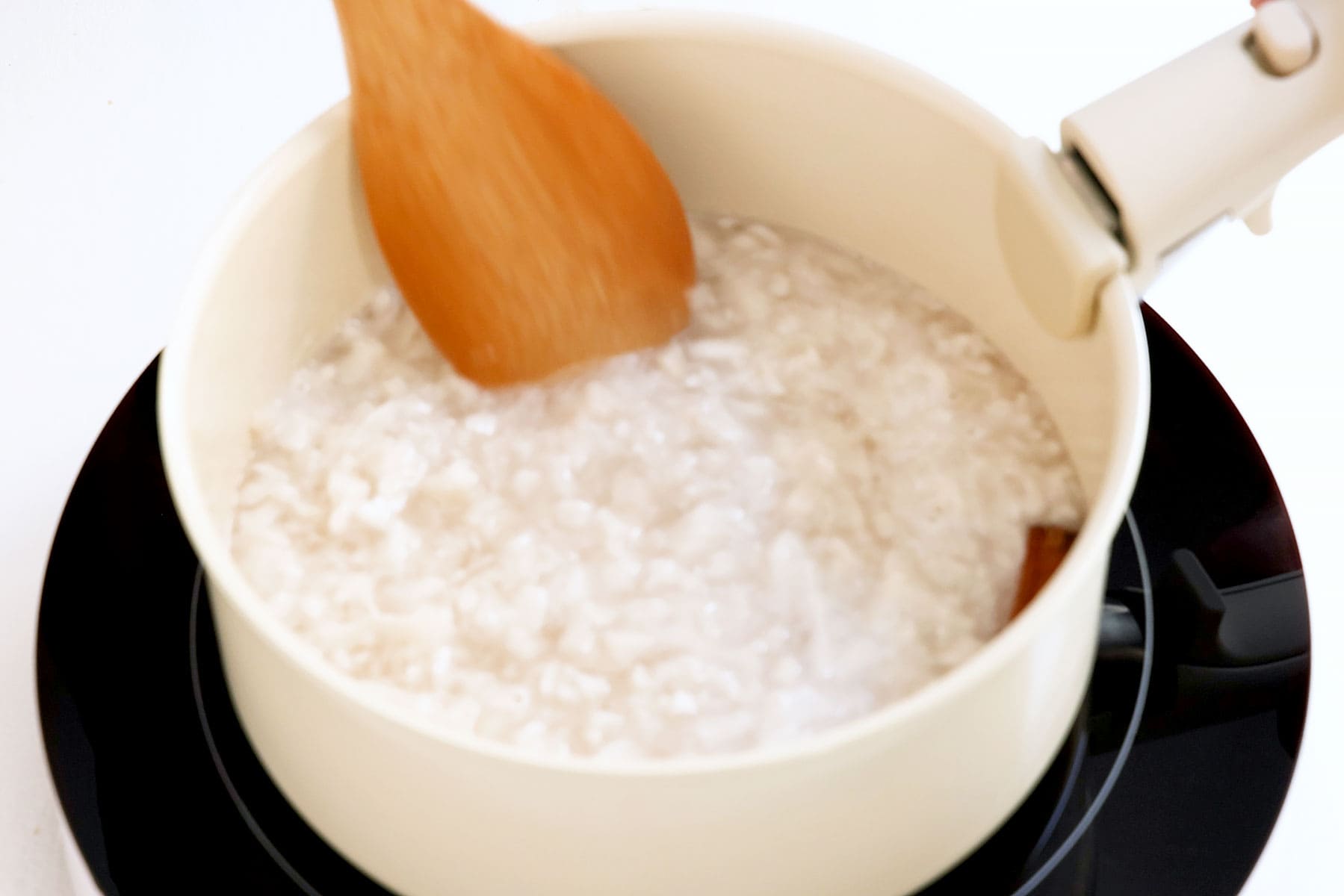
From a technical standpoint, crafting authentic cocadas requires an understanding of sugar crystallization and moisture reduction. Culinary experts note that the primary challenge in making flourless coconut candy lies in controlling the texture of the sugar syrup. When reducing sugar with fresh coconut, improper technique can easily yield an unwanted, overly chewy caramel rather than the desired crisp, non-sticky consistency.
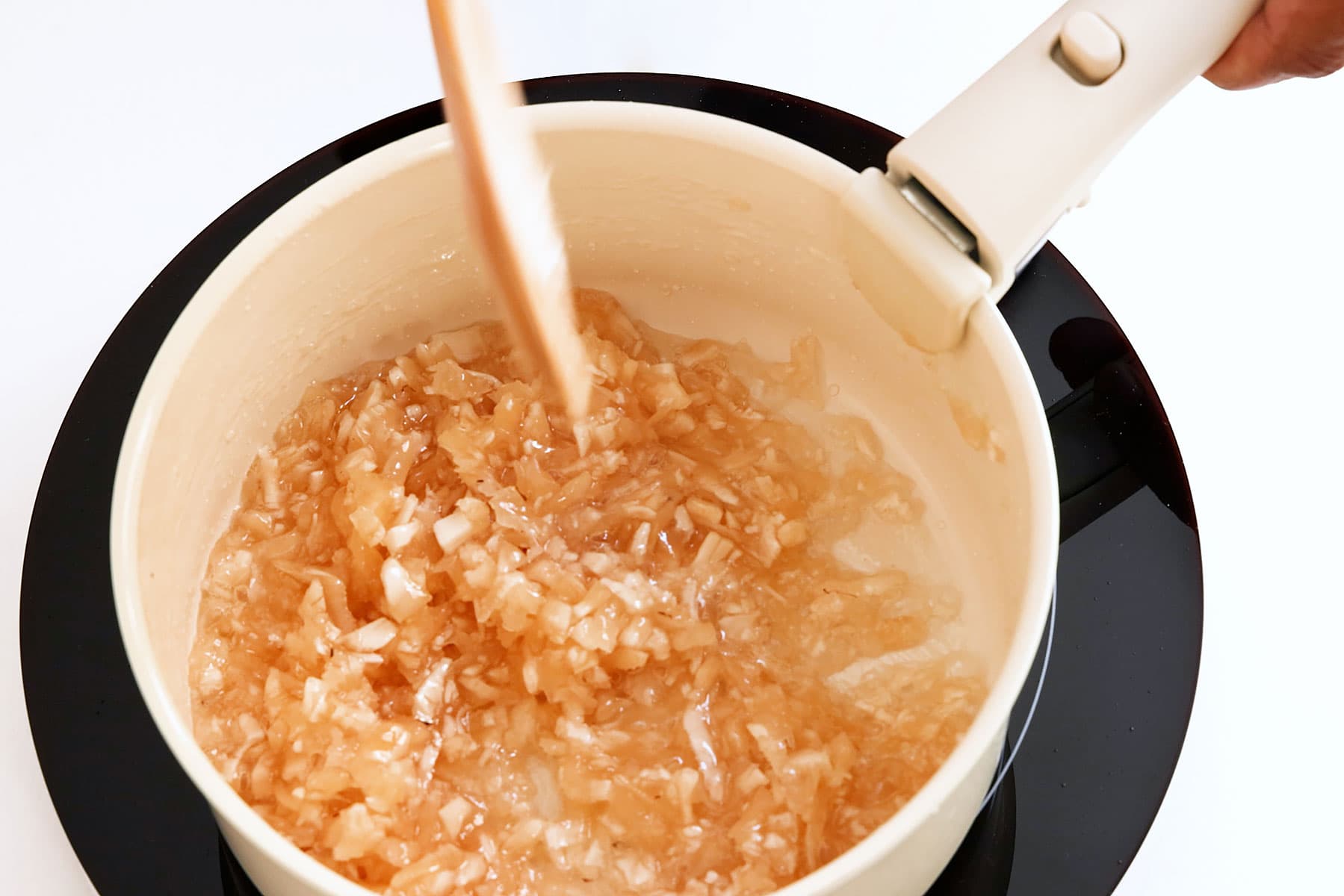
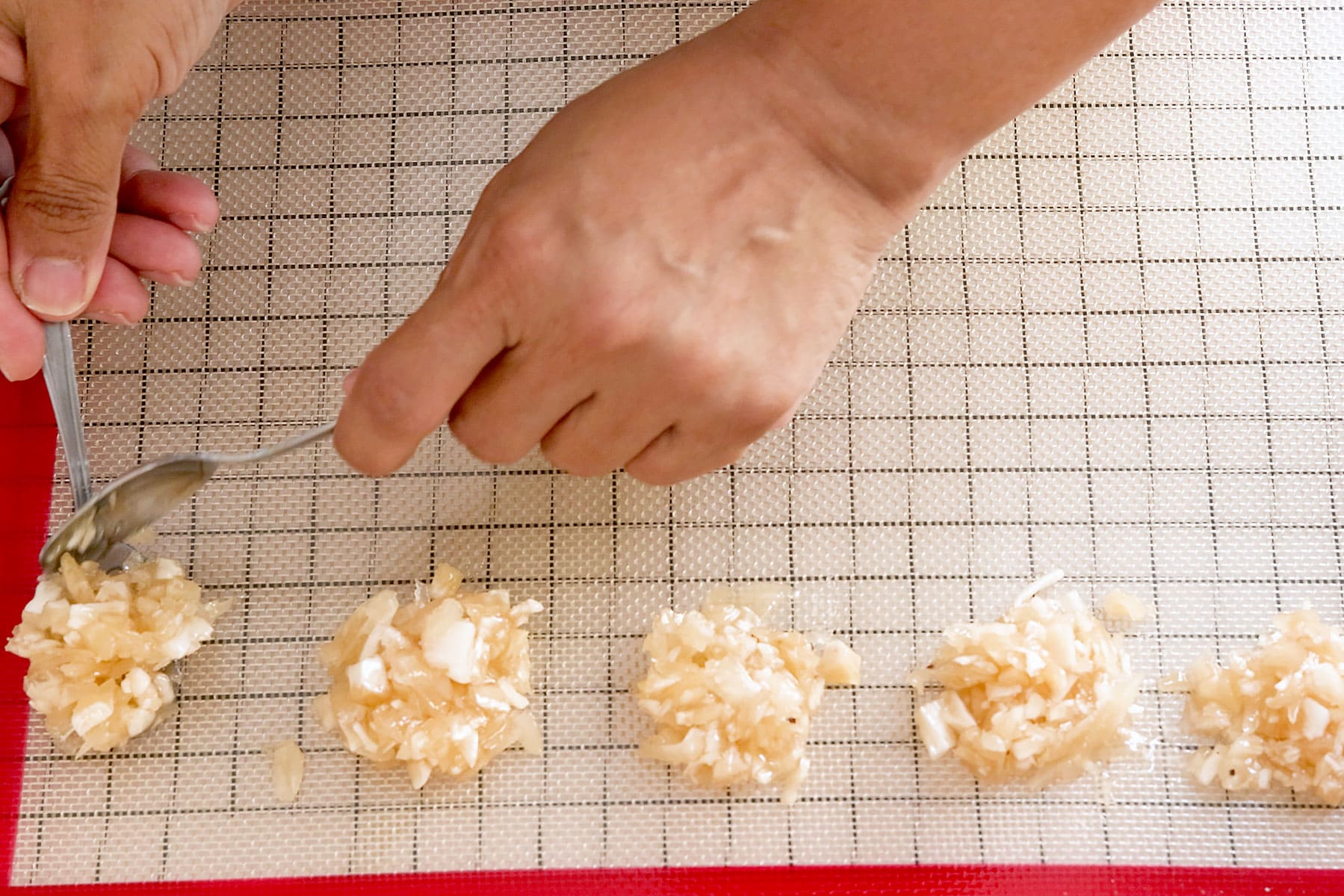
To circumvent this, traditional artisans and experienced home cooks employ specific sequencing techniques. Rather than incorporating all the sugar at the initial boiling stage, a measured portion of sugar is frequently added toward the end of the cooking process. This strategic addition accelerates the crystallization phase, ensuring that the finished product achieves a firm, crunchy exterior while retaining the distinct, fibrous texture of freshly grated coconut.
Furthermore, the quality of the finished sweet is heavily dependent on the preparation of the raw material. Culinary guidelines consistently recommend utilizing the coarse side of a traditional box grater when processing fresh coconuts. This ensures that the shreds maintain adequate structural integrity, allowing them to absorb the sugar syrup evenly during the cooking process, which typically spans approximately thirty-five minutes following a brief ten-minute preparation window.
Nutritional Profile and Economic Accessibility
As consumer awareness regarding dietary ingredients continues to grow, traditional confections are frequently evaluated through both nutritional and economic lenses. Cocadas offer a distinct profile compared to mass-produced, highly processed commercial candies. A standard serving of traditional cocadas—calculated at approximately six servings per recipe batch, yielding roughly 269 kilocalories per portion—consists primarily of natural carbohydrates (38 grams) and dietary fats derived directly from the coconut fruit (14 grams, of which 12 grams are saturated fats). Additionally, the inclusion of fresh coconut provides notable dietary fiber (4 grams per serving), distinguishing it from confections composed entirely of refined sugars and artificial additives.
From an economic perspective, the enduring popularity of the cocada is anchored in its affordability. Requiring as few as four fundamental ingredients—fresh coconut, sugar, water, and cinnamon—the recipe bypasses the need for costly commercial baking fats, specialized machinery, or artificial stabilizing agents. This low barrier to entry has historically made the production of cocadas an accessible cottage industry for rural entrepreneurs and home-based confectioners seeking to supplement household incomes.
Global Reach and Modern Adaptation
In the digital era, traditional recipes such as cocadas have transitioned from oral histories passed down through generations to widely accessible multimedia formats. Video-guided recipes have allowed second- and third-generation diaspora communities, as well as global culinary enthusiasts, to recreate authentic Caribbean flavors in kitchens thousands of miles away from the Antilles.
Food historians note that this digital preservation plays a vital role in safeguarding intangible cultural heritage. As urbanization alters traditional retail landscapes and supermarkets gradually replace the traditional neighborhood colmado in certain urban centers, the transmission of recipes via digital platforms ensures that foundational culinary techniques are not lost to time.
Moreover, modern interpretations of the recipe often incorporate dietary flexibility. While traditional formulations rely heavily on refined white sugar to achieve the necessary crystalline structure, contemporary cooks experiment with alternative natural sweeteners, and many consciously omit the historical red food dye in favor of a clean, unadorned presentation that highlights the organic color of toasted coconut and cinnamon.
Broader Implications for Heritage Cuisine
The enduring appeal of cocadas speaks to a broader culinary shift toward simplicity and authenticity. In an era dominated by hyper-processed convenience foods, the meticulous yet simple process of hand-grating fresh coconut, simmering it with aromatic spices, and managing sugar crystallization offers a tactile connection to historical foodways.
As food researchers, cultural preservationists, and home cooks continue to document and share these time-tested techniques, confections like the Dominican cocada secure their place not merely as historical relics of the Caribbean counter trade, but as vibrant, functional, and deeply satisfying elements of contemporary global gastronomy. Whether enjoyed as a modest post-meal treat (comida) or prepared as a nostalgic nod to Caribbean heritage, the cocada remains a testament to the enduring power of simple ingredients transformed by human skill and cultural memory.