Creamy Brussels Sprouts with Bacon by Celebrity Chef Giorgos Tsoulis Emerges as a Defining Holiday Side Dish

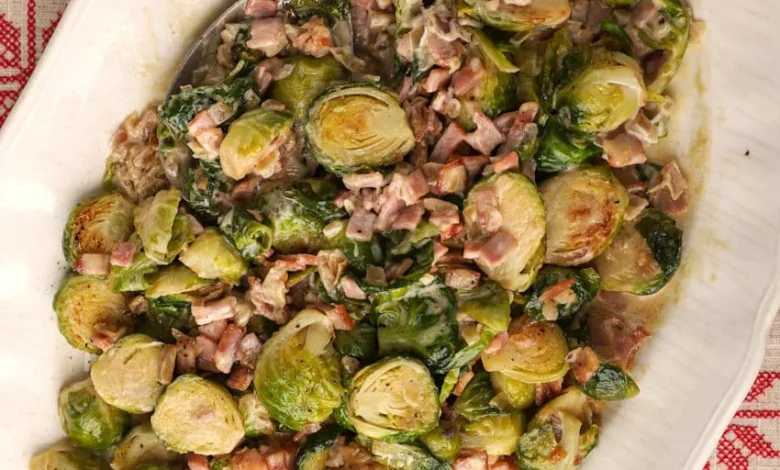
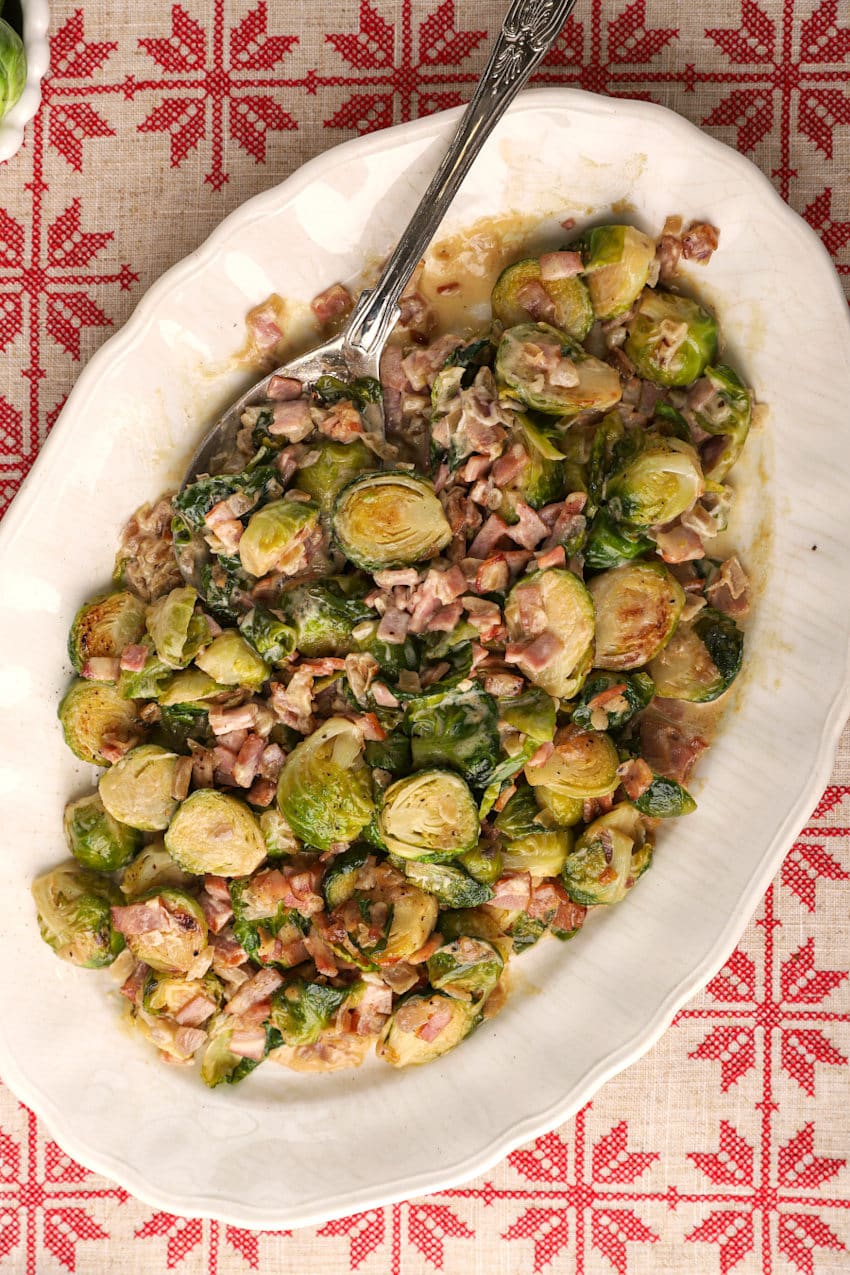
The culinary landscape of contemporary home cooking continues to undergo a significant evolution, driven largely by the efforts of renowned international chefs to reintroduce traditional, polarizing vegetables to the modern palate. Among the most recent culinary developments gaining traction across global food networks is the formulation of Creamy Brussels Sprouts with Bacon, a specialized side dish developed by acclaimed Greek celebrity chef Giorgos Tsoulis. Designed to bridge the gap between traditional festive comfort food and accessible weekday gastronomy, this recipe has quickly garnered attention for its unique ability to transform a notoriously disliked vegetable into a sophisticated centerpiece of holiday and family dining tables.
Main Facts and Culinary Architecture
At its core, the recipe developed by Tsoulis reimagines the Brussels sprout—a member of the Brassica oleracea family, long plagued by historical reputations for bitterness resulting from improper cooking methods—by pairing it with rich, complementary flavor profiles. The dish relies on a foundational technique of initial pan-searing, which caramelizes the outer leaves of the sprouts and mitigates their natural glucosinolates, the sulfur-containing compounds responsible for their pungent odor and bitter taste when overboiled.
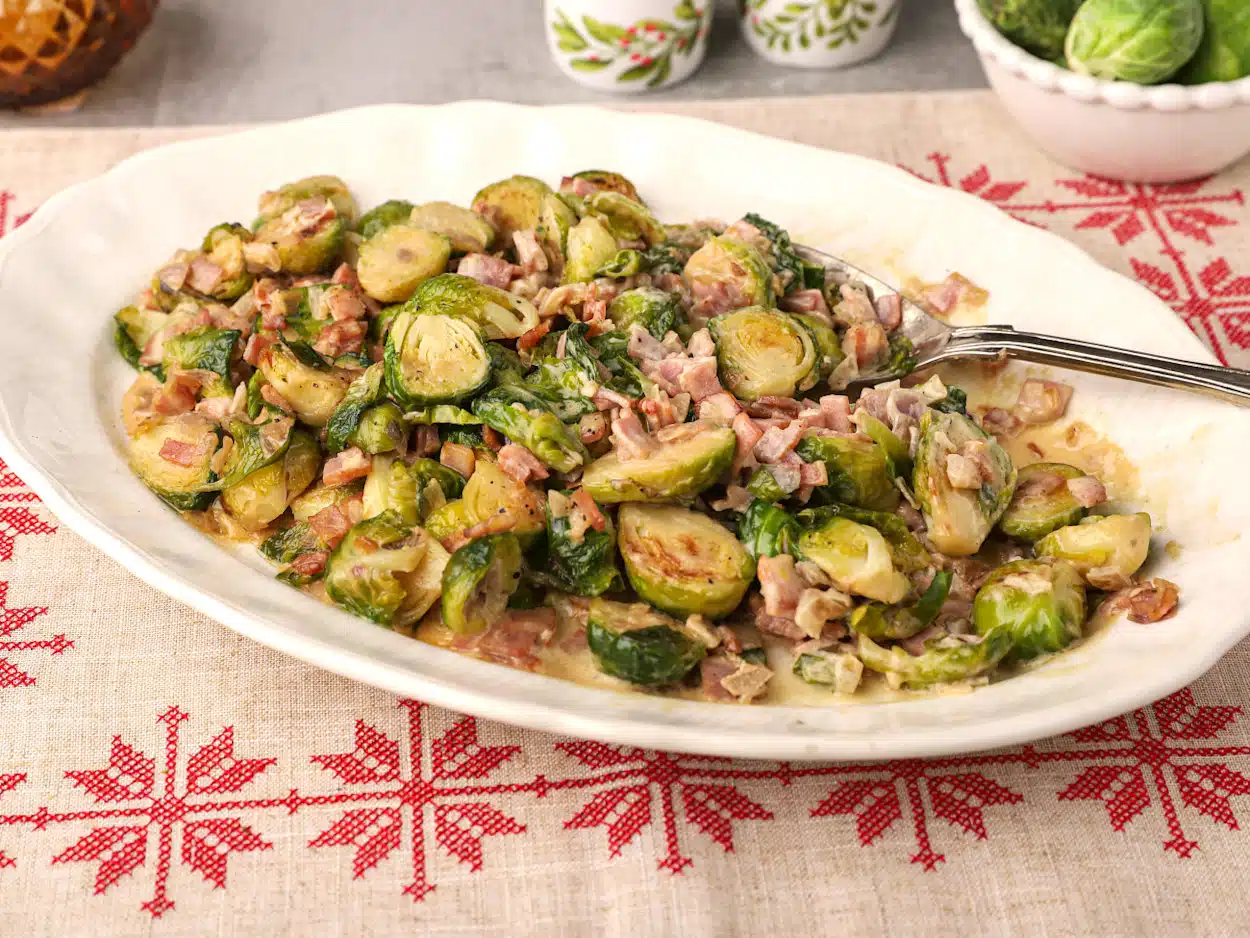
According to the official culinary specifications provided by Tsoulis, the preparation requires a streamlined process totaling approximately 30 minutes, divided into a 10-minute preparation phase and a 20-minute active cooking window. The cooking process incorporates carefully sautéed onions, smoky bacon pieces that contribute both texture and rendered fat, a savory stock base, and a heavy cream reduction that binds the ingredients into a cohesive sauce. Designed to yield six standard servings, the dish is categorized primarily as an international side dish and a specialized holiday offering, particularly tailored for major festive occasions such as Thanksgiving and Christmas.
Background Context and the Evolution of Brussels Sprouts
The resurgence of Brussels sprouts in modern gastronomy is not an isolated trend but rather the culmination of decades of agricultural breeding and culinary innovation. Historically, older varieties of Brussels sprouts contained significantly higher concentrations of glucosinolates, making bitterness almost unavoidable regardless of the cooking technique applied. However, agricultural scientists in the late 20th and early 21st centuries successfully identified and propagated sweeter, milder cultivars, effectively revolutionizing the vegetable’s market viability.
Concurrently, chefs and culinary media platforms have shifted away from traditional steaming and boiling methods—techniques that historically alienated generations of diners—in favor of high-heat roasting, pan-searing, and braising. Celebrity chefs like Giorgos Tsoulis have played a pivotal role in this educational shift. Known for his advocacy of sustainable and health-conscious Mediterranean cuisine, Tsoulis has frequently utilized his platform as a television host and culinary ambassador for environmental initiatives, such as WWF Hellas and the European #Eat4Change and #Farm2Fork programs, to promote ingredient-driven cooking that minimizes food waste while maximizing natural flavors.
Chronology of Development and Public Reception
The dissemination of Tsoulis’s recipe follows a structured trajectory typical of modern digital-first culinary journalism and celebrity chef branding.
Initial Conceptualization and Testing: Developed within Tsoulis’s professional test kitchens, the recipe was engineered to meet the demands of home cooks seeking efficient yet elevated side dishes. The focus was deliberately placed on single-skillet execution to minimize cleanup time while maximizing flavor extraction through the sequential layering of ingredients—starting with bacon rendering, transitioning to vegetable searing, and concluding with dairy reduction.
Digital Publication and Distribution: The recipe was subsequently published across major culinary curation platforms, most notably featured on digital recipe hubs such as Chef’s Pencil. The accompanying media assets, including step-by-step photography and high-definition video elements, were optimized for cross-platform sharing across social media networks, which accelerated its adoption among home cook demographics in Greece, Cyprus, and broader international markets.

Seasonal Integration: The dish achieved peak visibility during the autumn and winter holiday cycles, positioning itself as a direct competitor to traditional heavy side dishes such as green bean casseroles and traditional potato gratins. Its compatibility with standard holiday proteins—including roast turkey, glazed ham, prime rib, and roasted chicken—solidified its status as a versatile seasonal staple.
Supporting Data and Nutritional Implications
From a nutritional and economic standpoint, dishes like Creamy Brussels Sprouts with Bacon reflect broader consumer shifts toward nutrient-dense, vegetable-forward dining, even when paired with indulgent accompaniments like bacon and cream.
Brussels sprouts are recognized by nutritional science as an exceptional source of dietary fiber, Vitamin C, Vitamin K, and various antioxidants, including alpha-lipoic acid, which has been studied for its potential role in blood sugar regulation. While the addition of heavy cream and cured pork increases the caloric and saturated fat content per serving compared to raw or steamed iterations, culinary analysts note that such preparations serve a vital psychological function in modern nutrition: they encourage increased vegetable consumption among demographics that would otherwise reject plant-based options entirely.
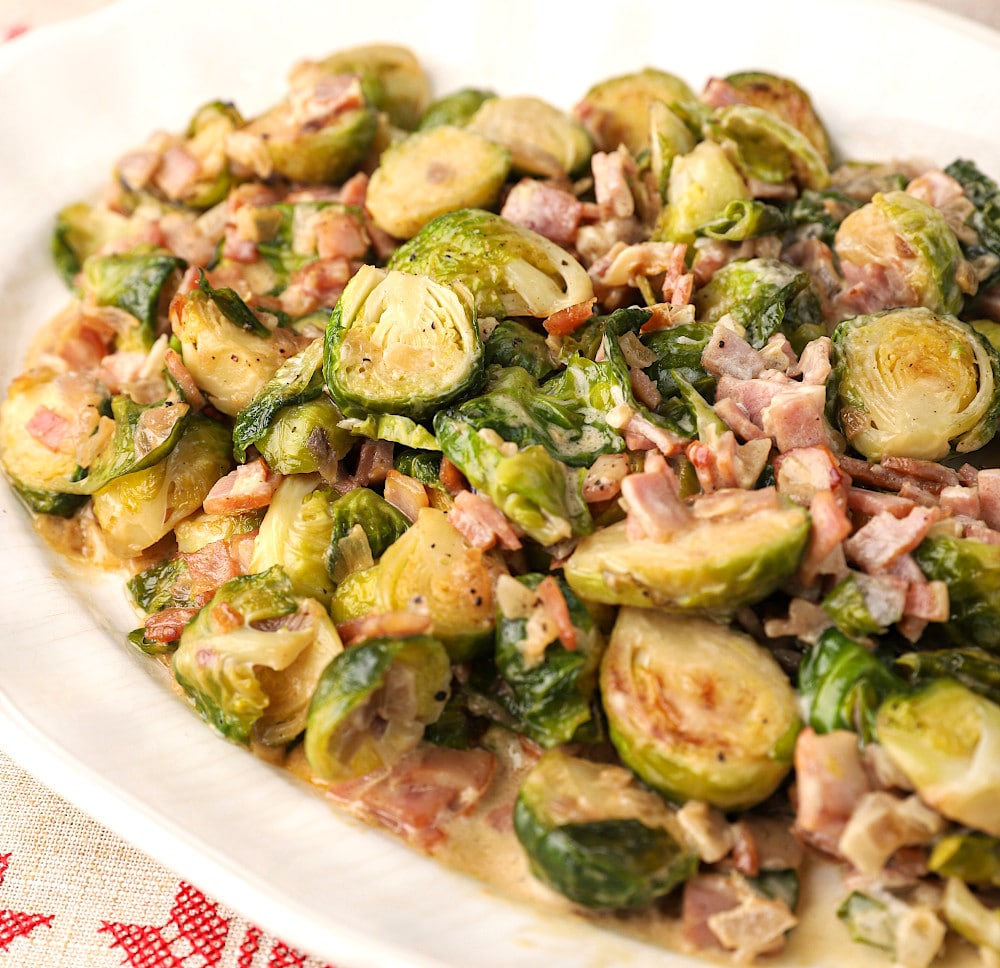
Furthermore, the 30-minute preparation window aligns with contemporary consumer data indicating a strong preference for rapid, weeknight-friendly recipes that do not sacrifice gastronomic quality. The reliance on accessible pantry staples—onions, stock, cream, and cured meats—ensures that the recipe remains economically viable for a wide demographic of households, requiring no specialized kitchen equipment beyond a standard heavy-bottomed skillet.
Statements and Broader Industry Perspectives
While formal corporate statements regarding individual vegetable side dish recipes are uncommon, food industry analysts and culinary educators have frequently commented on the broader phenomenon of rehabilitating traditional vegetables through high-fat, high-flavor pairings.
Culinary historians often point out that the integration of cured pork products with bitter greens is a time-tested technique found across numerous global food traditions, from Southern American collard greens to French brisoleurs. By applying this classic flavor synergy to Brussels sprouts, chefs like Tsoulis tap into deeply ingrained culinary preferences for the contrast between smoky, salty proteins and earthy, tender vegetables.
Moreover, Tsoulis’s broader philosophy as a sustainable cuisine ambassador provides crucial context for recipes of this nature. In his public appearances and educational campaigns, Tsoulis has consistently emphasized that sustainable eating relies heavily on making everyday vegetables exciting, versatile, and accessible to the general public. By demonstrating how simple techniques can completely alter the sensory profile of a misunderstood vegetable, recipes of this caliber contribute indirectly to the reduction of food waste, as consumers become more willing to purchase and utilize fresh produce rather than relying on processed convenience foods.
Broader Impact and Future Implications for Holiday Gastronomy
The sustained popularity of dishes like Creamy Brussels Sprouts with Bacon signals a permanent shift in how seasonal holiday menus are constructed. No longer dominated strictly by rigid historical traditions, modern Thanksgiving and Christmas tables increasingly reflect a fusion of classic comforts and contemporary culinary techniques.
As home cooks continue to seek out recipes that offer high visual appeal, minimal preparation time, and reliable flavor profiles, celebrity-backed side dishes will likely remain a dominant force in digital food media. The success of Tsoulis’s formulation underscores the reality that vegetables do not need to be served in their raw or minimally altered states to be appreciated; rather, thoughtful culinary craftsmanship can elevate humble agricultural products into the undisputed stars of the dining table.