The profession of dairy farming in the 21st century requires a multifaceted skill set that extends far beyond the traditional image of agricultural labor. Modern farmers must act as animal welfare specialists, environmental stewards, logistical managers, and public advocates. An examination of daily operations on a working dairy farm reveals the complex interplay between animal health, climate variability, regulatory compliance, and the global food supply chain. By analyzing the experiences of organic dairy producers on the Dorset-Devon border, one can gain a clearer understanding of the meticulous planning and adaptive strategies required to sustain a modern agricultural enterprise.
The Operational Reality: A Chronology of October
The month of October serves as a transitional period for dairy farms in the United Kingdom, characterized by the decline of the grazing season and the preparation for winter housing.
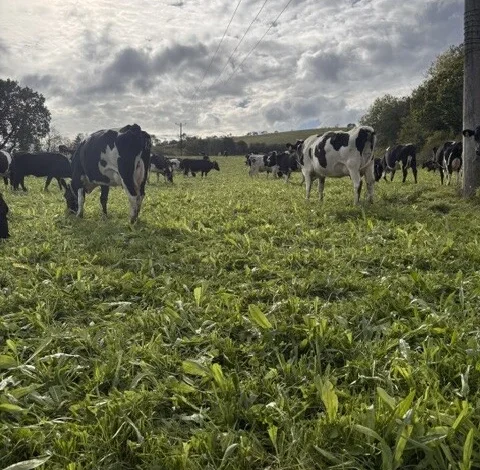
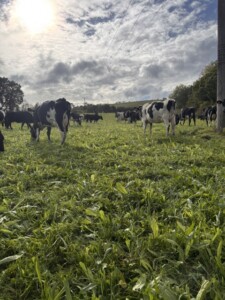
On October 7, operations shifted toward managing pasture intake. While grass continues to grow into the autumn, the reduction in daylight hours and falling temperatures necessitate rigorous nutritional budgeting. The challenge lies in balancing the actual biomass available in the fields with the dietary requirements of the herd, as bovine grazing patterns are not automatically aligned with scientific feed budgets. This period requires constant monitoring of soil conditions and grass regrowth rates to prevent overgrazing, which can degrade pasture quality for the following spring.
By October 9, the focus moved to regulatory health compliance, specifically bovine tuberculosis (TB) testing. Bovine TB remains a significant challenge for the UK cattle industry. According to Department for Environment, Food and Rural Affairs (DEFRA) data, thousands of cattle are culled annually due to the disease, creating significant financial and emotional strain on farming families. A "clear" test result for a herd of over 600 animals represents a major milestone in farm management, ensuring not only the health of the livestock but also the continued viability of the farm’s supply chain.
The mid-month period, specifically October 12, highlighted the necessity of public engagement. Dairy farmers increasingly find themselves acting as spokespeople for their industry. Participation in public-facing forums, such as the New Scientist Live event in London, serves to bridge the information gap between urban consumers and rural producers. This role is critical as public interest in the environmental impact and welfare standards of dairy production reaches record highs.
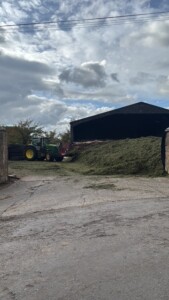
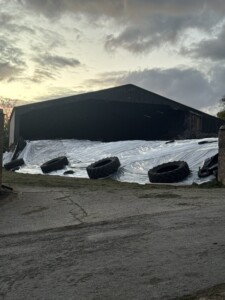
The culmination of the autumn harvest arrived on October 18, with the successful storage of silage. Managing 300 acres of forage requires precise coordination of machinery, labor, and meteorology. The process of ensiling—fermenting grass to preserve it for winter feed—is a high-stakes operation. A single week of adverse weather can compromise the nutritional quality of the winter feed supply, directly impacting the milk yields and health of the herd during the colder months.
Strategic Planning and Winter Housing
As the calendar turned toward October 22, the farm infrastructure underwent a transition from open-pasture grazing to indoor housing. This is not merely a matter of convenience; it is a calculated measure to protect both livestock and the environment.
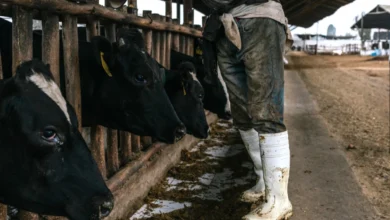
The installation of "cubicles"—individualized stalls designed for cattle comfort—is central to dairy welfare. When cows are brought indoors, they require a clean, dry, and soft surface to lie on. Research into bovine behavior indicates that cows spend approximately 10 to 14 hours a day lying down. Providing adequate, comfortable resting space is correlated with higher milk production and reduced incidences of lameness and mastitis.
Furthermore, the transition to indoor housing serves a critical environmental function. In the UK, winter rainfall can lead to "poaching," a phenomenon where cattle hooves churn up the soil, causing significant damage to pasture structure and leading to nutrient runoff. By housing the herd, farmers prevent soil compaction and erosion, preserving the land for the next growing season. This proactive land management is a cornerstone of sustainable organic farming practices.
Behavioral Insights and Animal Welfare
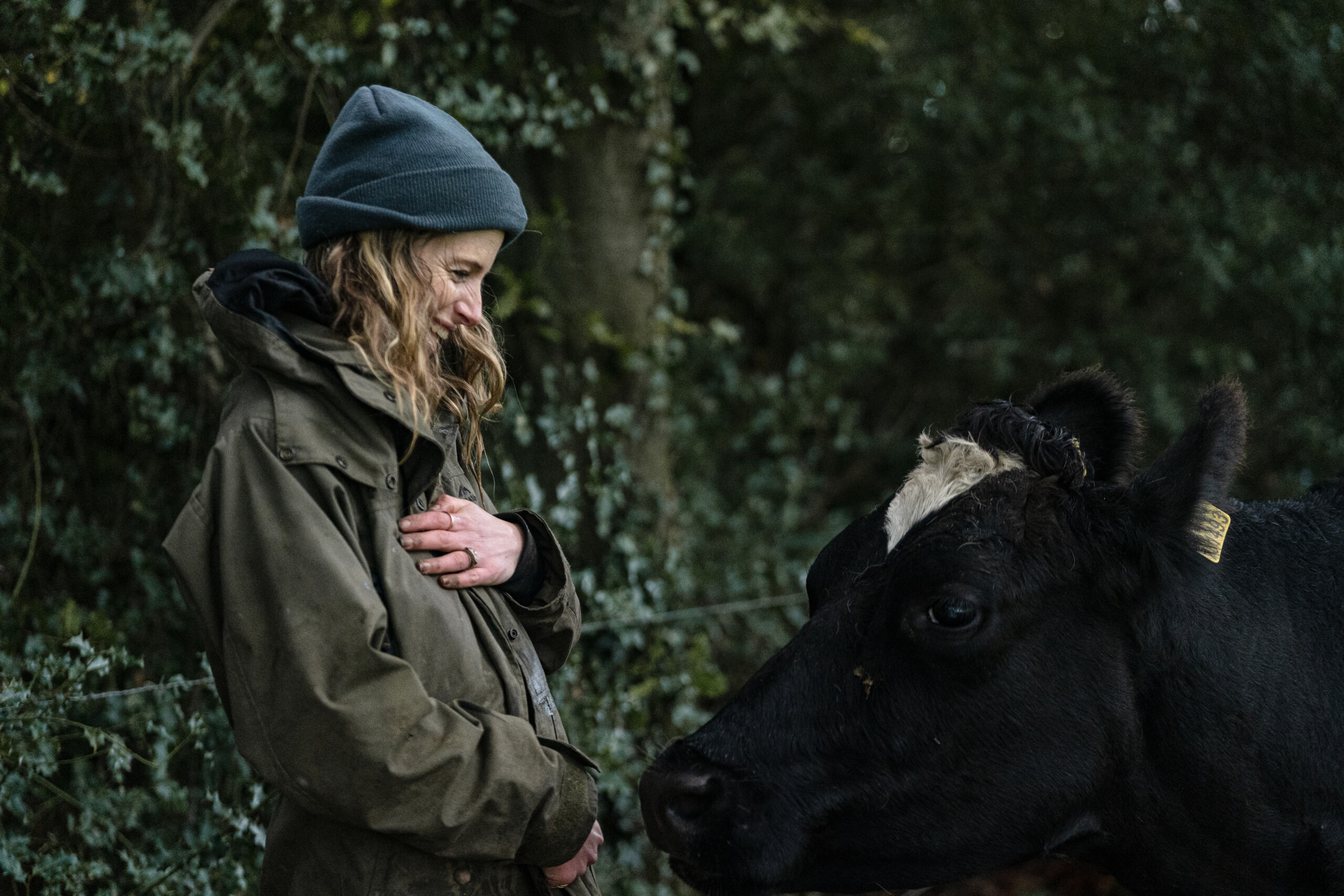
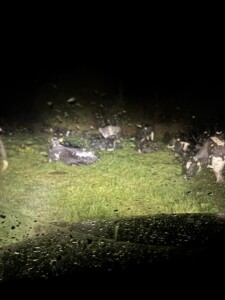
A notable aspect of dairy management is the reliance on animal behavior as a diagnostic tool. Cattle are habit-driven creatures, often exhibiting consistent routines regarding where they sleep and their order of entry into the milking parlor.
Veterinary researchers have long noted that deviations from these routines—such as a cow hanging back during milking or shifting her preferred sleeping location—serve as "sentinel behaviors." These subtle changes often precede clinical symptoms of illness. By maintaining a stable routine, farmers can detect potential health issues in their early stages, allowing for swift, localized interventions rather than herd-wide treatments. This level of personalized care underscores the sophisticated nature of modern animal husbandry, where the farmer functions as a daily monitor of animal physiology.
The Broader Implications for the Dairy Industry
The activities documented during this period reflect the broader challenges facing the UK dairy sector. Dairy farming is an industry of thin margins, high capital expenditure, and intense labor requirements. Farmers are currently navigating a landscape defined by:
- Environmental Regulation: The need to balance high production levels with stringent carbon and nutrient management targets.
- Economic Volatility: Fluctuating input costs, particularly for fuel, fertilizer, and electricity, which impact the profitability of silage production and mechanical operations.
- Public Perception: The need for transparency regarding food production methods to maintain consumer trust in the dairy sector.
The transition from a "one-job" agricultural model to a professionalized, technical management role is essential for the future of the industry. The integration of technology—such as automated milking systems, precision nutrient tracking, and real-time herd health monitoring—is becoming the industry standard. However, as the experience on the ground demonstrates, technology does not replace the need for the human element: the observational skills, the teamwork, and the commitment to daily physical labor.
Expert and Industry Perspective
Industry analysts suggest that the future of the dairy sector depends on the ability of farmers to communicate these realities effectively. By participating in public discussions, farmers are effectively lobbying for a more nuanced understanding of their role in the food system. The emphasis on "nutritious food production" combined with "caring for the land" is a shift in narrative that emphasizes the regenerative potential of livestock farming.
From a regulatory standpoint, the management of TB testing and the adherence to housing standards are indicators of a sector that is increasingly subject to rigorous external oversight. While this oversight can be burdensome, it also serves to professionalize the industry, ensuring that dairy products reaching the market meet high standards of safety and ethical production.
Conclusion: The Cycle of Sustainable Agriculture
The work conducted throughout October is emblematic of the cyclical nature of farming. From the uncertainty of weather forecasts to the precision of TB testing and the physical intensity of the silage harvest, the life of a dairy farmer is a study in calculated risk management.
Ultimately, the successful operation of a dairy farm hinges on the synergy between the farmer, the workforce, and the livestock. As producers move into the winter months, the focus will remain on maintaining the health and welfare of the herd, ensuring that the foundational elements of dairy production—comfortable housing, consistent nutrition, and daily routine—are preserved. This commitment to the daily grind is what facilitates the large-scale production of dairy, a product that remains a staple of the global diet, yet one whose origin remains largely misunderstood by the average consumer. Through consistent engagement and transparent reporting, the modern dairy farmer is working to ensure that the public recognizes the complexity, dedication, and professional rigor required to produce a single glass of milk.
Related posts: