Is It Rude to Tip in Europe? American Tourists Bring U.S. Gratuity Habits Overseas and Alter Local Hospitality Economies

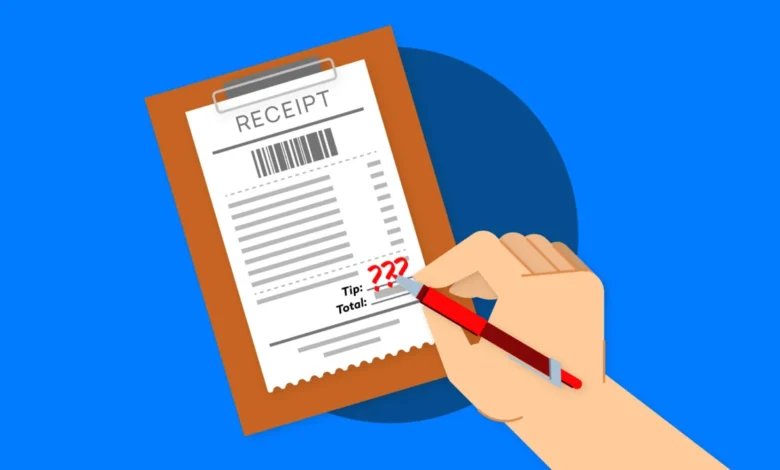
The allure of international travel has long been rooted in the desire for cultural immersion—stepping outside one’s comfort zone to experience unfamiliar cuisines, regional beverages, and architectural marvels that exist only in textbooks or travelogues. Yet, while globetrotters easily adapt to novel environments, citizens of the United States possess a distinct reputation for carrying their domestic customs across international borders. Whether it involves wearing conspicuous athleisure in historic city centers, demanding specialized iced coffee beverages where they are rarely ordered, or instinctively reaching for a pen to calculate a gratuity at the conclusion of a meal, American travelers frequently project their domestic routines onto foreign landscapes. Among these ingrained behaviors, none is more deeply automatic—or more frequently debated—than the practice of tipping hospitality workers.
In the United States, tipping is not merely a custom; it is a foundational pillar of the service industry economy. Driven by a federal sub-minimum wage for tipped employees that has remained stagnant for decades, American consumers view gratuity as a mandatory social contract, routinely adding 18 to 25 percent to restaurant and bar tabs without a second thought. When these same consumers travel abroad, particularly to Europe, that muscle memory remains active. As the check arrives at a café in Rome, a bistro in Paris, or a pub in London, the instinctive reaction is to locate the tip line or leave a substantial cash bonus. This behavioral carryover raises a persistent question among anxious travelers: Is leaving extra money on a foreign check considered an insulting faux pas in cultures where tipping is neither customary nor expected?
To untangle the complexities of cross-cultural hospitality norms, industry experts and professional bartenders working in the heart of Europe’s vibrant capital shed light on the reality of American tipping abroad. According to professionals operating within the Parisian hospitality scene, the answer is nuanced, yet reassuring for well-meaning tourists.
The Local Perspective: Context and Reception
The primary anxiety for American tourists often revolves around the fear of offending their servers by imposing an unwelcome financial custom. However, industry veterans based in Paris—a global epicenter of tourism—agree unanimously that regardless of the amount left or the specific venue, a tip is never interpreted as an insult.
Alex Francis, a seasoned bartender at De Vie in Paris who previously worked the floor in London, notes that the underlying economics of hospitality ensure a warm reception for extra funds. No member of the service industry will reject gratuity, and the notion that leaving a tip is inherently rude is largely a myth.
This sentiment is echoed by Patrick Dooley, a New York native who relocated to the French capital in 2021 to work at the historic Harry’s Bar. Dooley observes that while the mechanics of European dining differ vastly from those in the U.S., financial appreciation is universally welcomed. Nevertheless, the systemic integration of American tipping habits has begun to subtly alter the operational strategies of specific businesses located in high-traffic tourist corridors.
The Evolution of European Hospitality Business Models
For decades, European dining establishments operated on a model where menu prices reflected the true cost of labor, inclusive of health benefits, paid time off, and stable, livable wages mandated by robust local labor laws. In France, for instance, hospitality workers enjoy legal protections and wage floors that far surpass those guaranteed to tipped workers in the United States.
However, the relentless influx of generous American tourists has catalyzed a quiet economic shift in major European tourism hubs. According to Francis and Dooley, businesses situated near iconic monuments—such as the Eiffel Tower in Paris, the Colosseum in Rome, or Westminster Abbey in London—have increasingly adapted their business models to capitalize on the predictable generosity of U.S. travelers.
In these hyper-touristic zones, some establishments offer base wages that, while still legally compliant with national labor standards, are positioned at the lower end of the competitive scale. These employers rely on the assumption that their front-of-house staff will supplement their incomes through the high volume of gratuities left by North American patrons. Conversely, neighborhood bistros and local wine bars located far from the beaten tourist path rarely attract significant tipping, compensating for this by offering higher, more stable base salaries funded entirely through higher menu pricing.
This dynamic creates an unexpected recruitment advantage for establishments known to attract affluent international crowds. Dooley points out that at iconic institutions like Harry’s Bar, salaries are already exceptionally competitive compared to the broader Parisian cocktail scene; however, the steady influx of American-style tips serves as a lucrative secondary benefit that enhances staff retention and recruitment appeal.
The Scale of Generosity: Managing Expectations
While businesses in tourist-heavy districts may anticipate receiving tips, there remains a vast chasm between American and European expectations regarding the scale of that gratuity. In the U.S., a 20 percent tip is standard for baseline service, and anything less can draw social censure. In Europe, this scale does not exist.
If an unsuspecting American tourist attempts to leave a 25 percent tip on a Parisian dinner tab, the gesture is rarely met with quiet acceptance. Instead, Francis explains, it typically elicits a bewildered and polite pushback from the server, who will likely intervene and insist that such a large sum is entirely unnecessary.
Furthermore, the proliferation of digital point-of-sale systems—often featuring automated, aggressive tipping screens introduced by global software conglomerates—has begun to bleed into everyday European commerce. Dooley notes that local Parisians now routinely roll their eyes or express mild frustration when a digital checkout screen at a neighborhood coffee shop prompts them to leave a tip for a simple espresso, signaling a growing local pushback against the creeping Americanization of routine transactions.
Navigating Tipping Etiquette: Expert Recommendations
To bridge the cultural divide and avoid awkward social interactions, hospitality experts recommend a straightforward approach: direct communication. Rather than guessing local norms or projecting domestic habits onto foreign establishments, tourists should simply engage with their servers.
Francis advises that American travelers should abandon their hesitation and directly ask the waitstaff what constitutes a normal, polite gratuity for the specific venue. Because hospitality workers in major European cities are accustomed to international clientele, most will not be offended by the inquiry and will provide an honest, transparent answer. Whether dining at a formal, museum-adjacent bistro or sipping natural wine at a hip, off-the-grid establishment in the 11th arrondissement, a simple conversation can clarify local expectations instantly.
Ultimately, in European cultures, tipping is rarely expected in the mandatory sense; rather, it is anticipated only as a rare token of appreciation. Above all, European tipping remains a genuine gesture of gratitude reserved for truly exceptional service—a reward for an experience that went above and beyond the baseline professional standard. In these cultures, a tip is not designed to subsidize a substandard wage, but rather to say thank you for a memorable moment.
Broader Economic and Cultural Implications
The persistence of American tipping habits in Europe highlights a broader sociological phenomenon: the export of cultural practices through economic gravity. As global travel rebounds and surpasses pre-pandemic volumes, the footprint of the American consumer continues to shape the micro-economies of foreign destinations.
While the injection of extra cash is welcomed by individual workers navigating the rising cost of living in major European capitals, cultural preservationists often view the encroachment of aggressive tipping culture with apprehension. The fear is that the traditional European dining experience—characterized by a relaxed, unhurried atmosphere where the transaction is entirely separate from performance-based anxiety—could gradually erode into a transactional, tip-dependent service model reminiscent of the American restaurant industry.
For now, the divide remains manageable. European hospitality workers continue to balance local labor standards with the welcome windfall of American generosity, while savvy travelers who practice cultural humility can easily navigate the nuances by simply asking before they pay. As international tourism continues to evolve, understanding the philosophy behind the bill remains as essential a travel skill as learning how to say "please" and "thank you" in the local tongue.