California Double-Counts Factory Farm Methane Reductions in State Climate Accounting, Critics Say

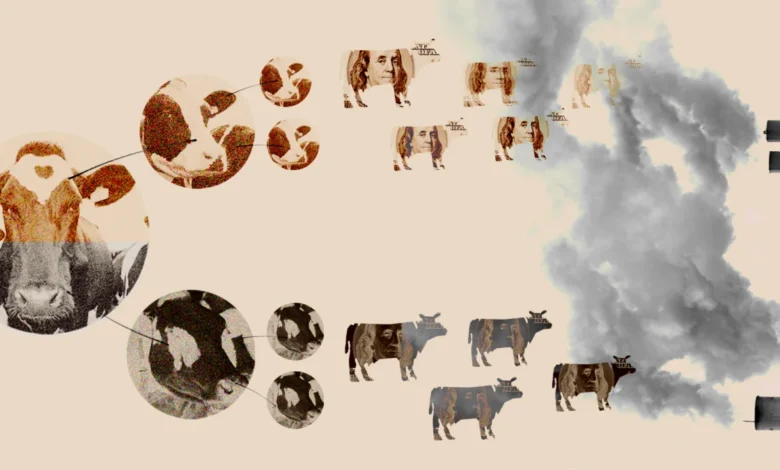
The state of California is increasingly relying on a controversial climate accounting strategy that treats factory farm gas systems at dairy farms as if they possess the carbon-sucking capabilities of direct air capture technology. By permitting agricultural operations to simultaneously claim emissions reductions across multiple distinct regulatory frameworks, state regulators have ignited a fierce debate among environmental scientists, legal advocates, and industry stakeholders regarding the true efficacy of California’s landmark climate goals.
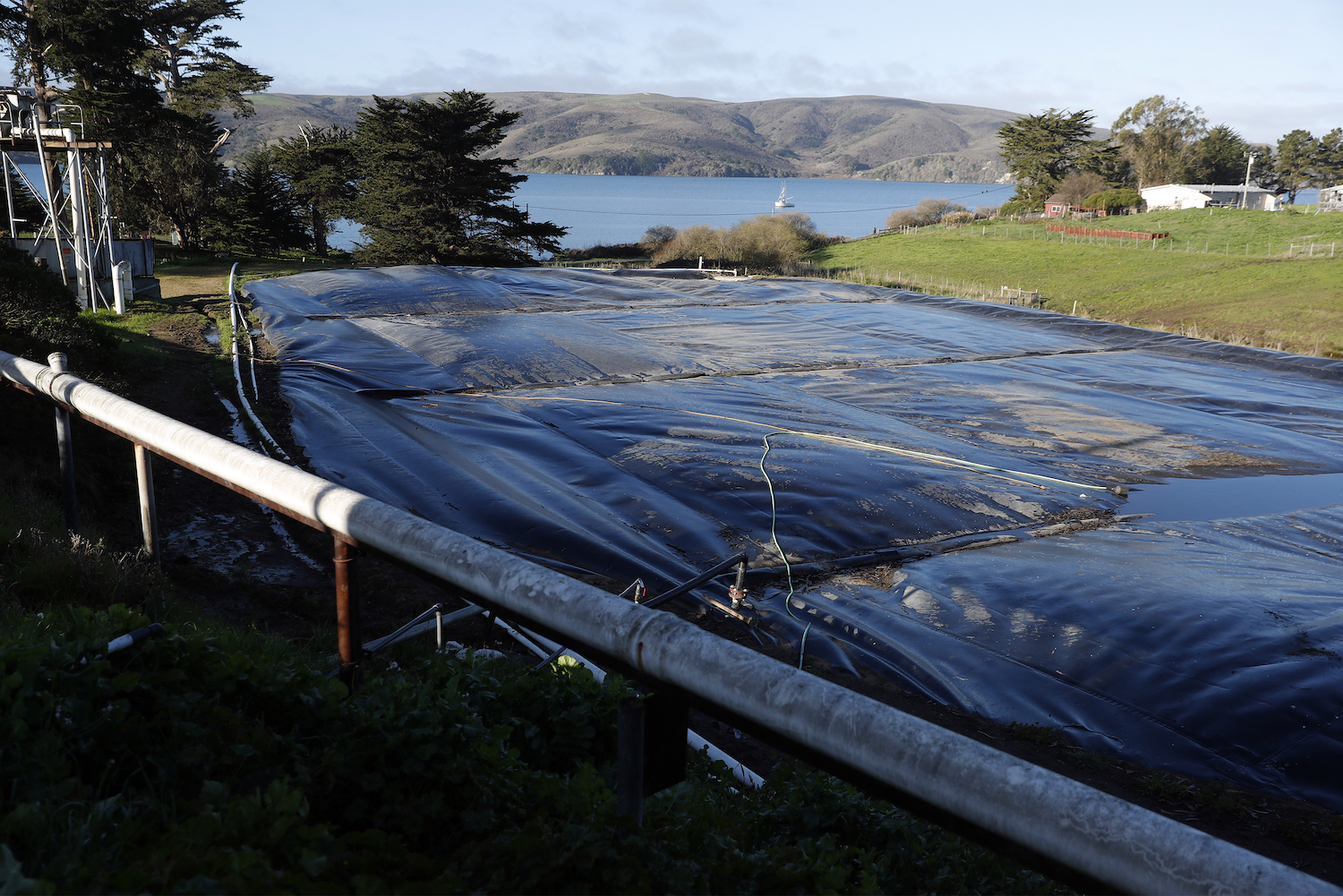
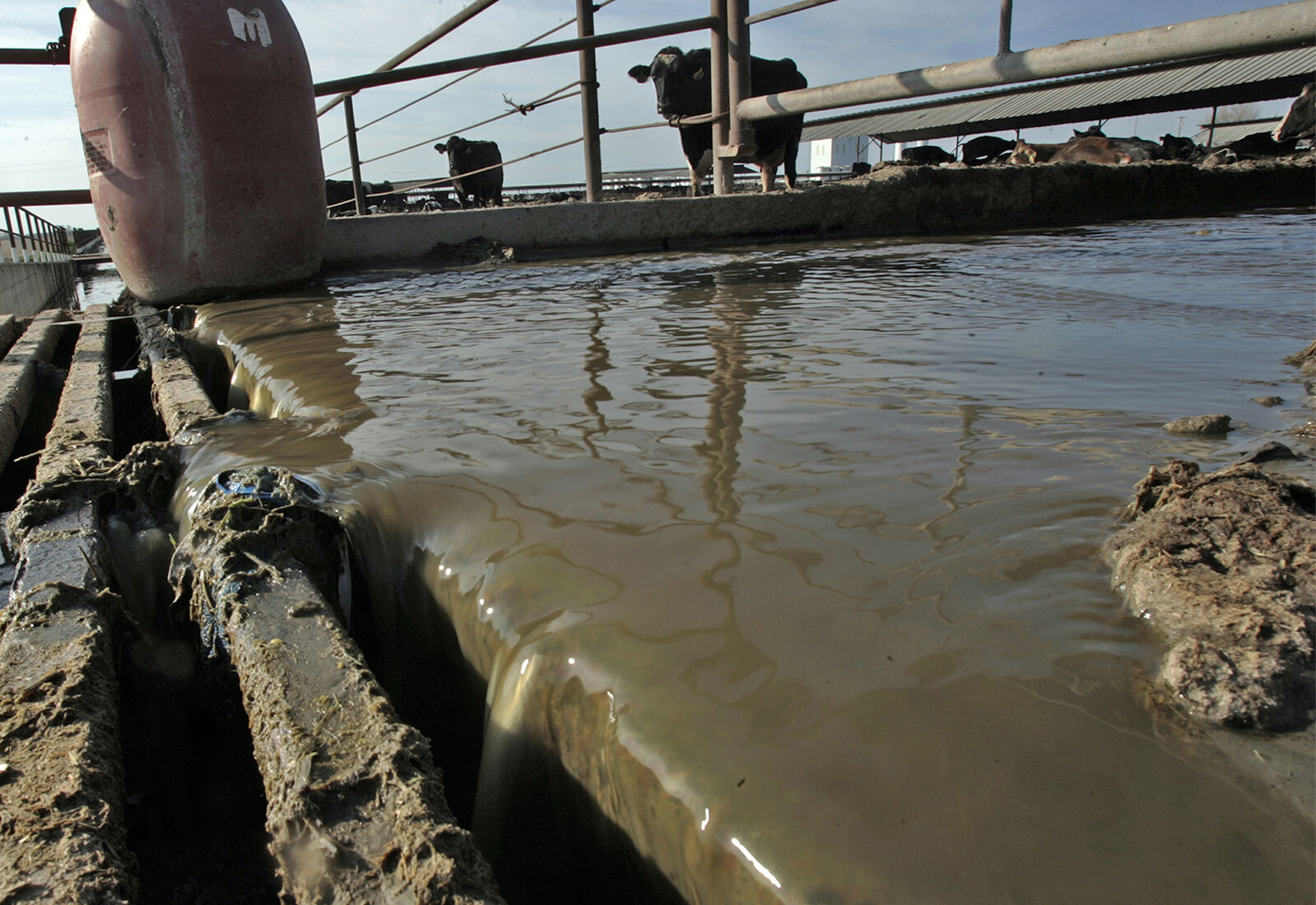
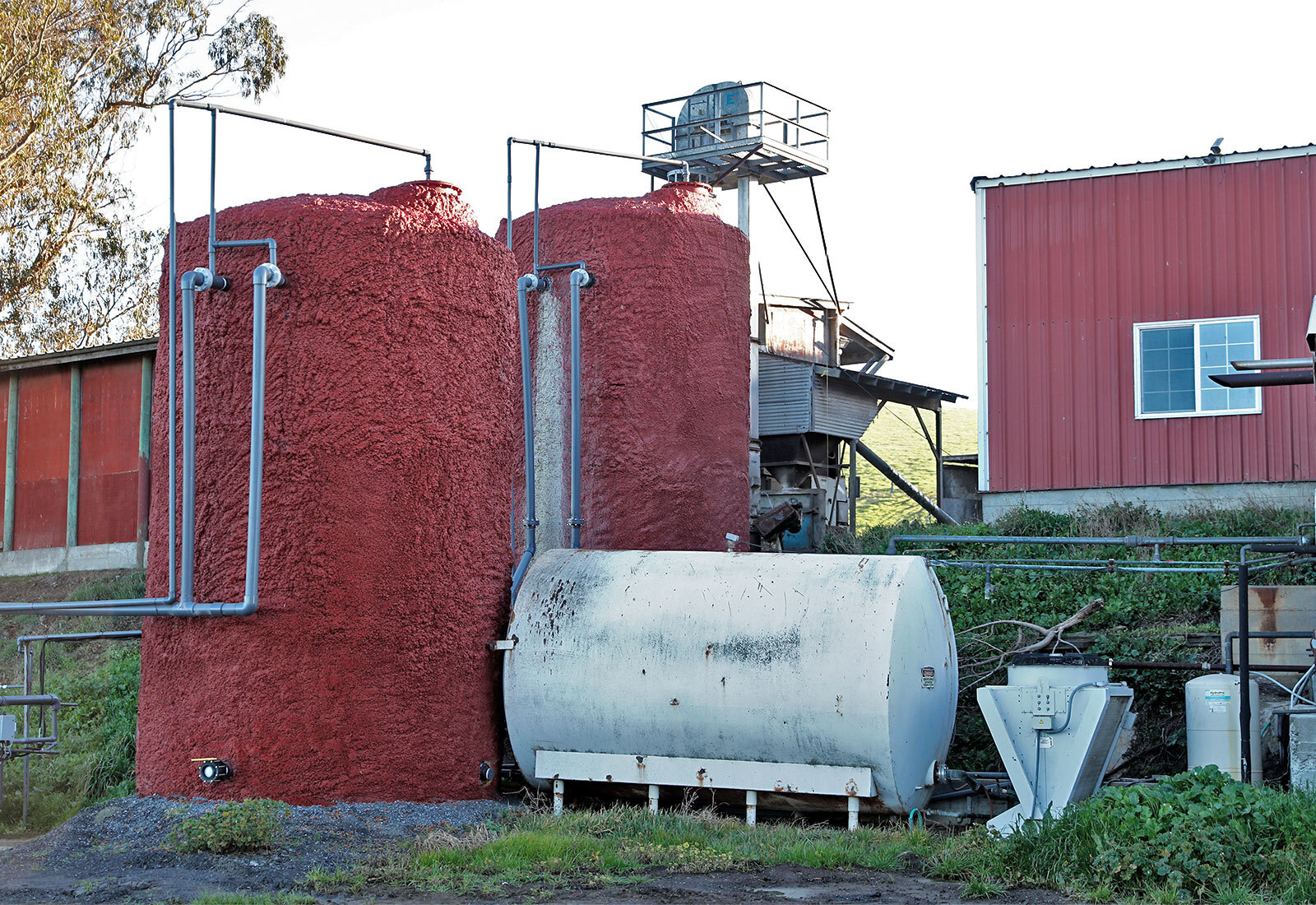
At the heart of the issue is how the state tallies the potent greenhouse gas methane. Released in massive quantities when livestock operations pool cow manure in open-air lagoons, methane traps significantly more heat in the atmosphere than carbon dioxide over a short time horizon. To curb these agricultural emissions, California has funneled millions of dollars in subsidies and grants into the dairy sector to construct methane digesters. These towering silos trap manure gases before they enter the atmosphere, converting them into usable natural gas.
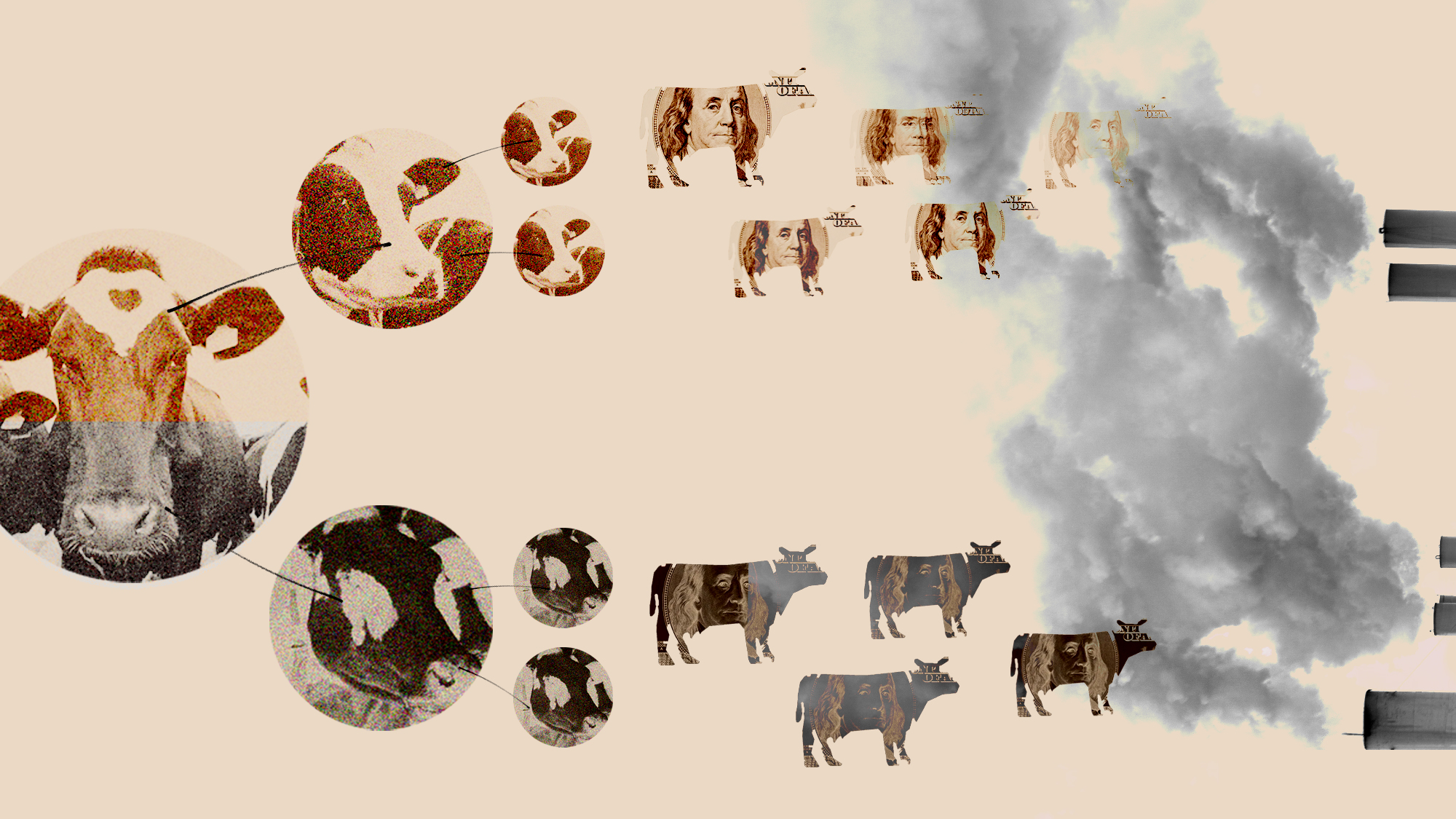
However, the regulatory treatment of this captured gas has exposed deep structural flaws in California’s carbon accounting mechanisms. The California Air Resources Board (CARB)—the primary agency overseeing the state’s air pollution and climate initiatives—credits the exact same emissions reductions toward multiple separate mandates. Consequently, critics argue that the state is artificially inflating its climate progress through double-counting, creating a system where paper reductions take precedence over tangible environmental benefits.
The Chronology of Methane Policy and Overlapping Mandates
California’s aggressive pursuit of methane reduction is anchored by statutory requirements. Under Senate Bill 1383, enacted in 2016, the state mandated a 40 percent reduction in dairy and livestock methane emissions below 2013 levels by 2030. To help the industry meet this target, state agencies began distributing substantial financial incentives.
For instance, in 2018, the California Department of Food and Agriculture awarded a $1.9 million grant to Calgren Dairy Fuels to install a methane digester at Vander Poel Dairy in Tulare County, a mega-facility housing approximately 11,000 cattle. State estimates projected this project would prevent the release of 290,000 metric tons of carbon dioxide equivalent over a decade. CARB dutifully logged these avoided emissions toward the livestock sector’s 2030 statutory targets.
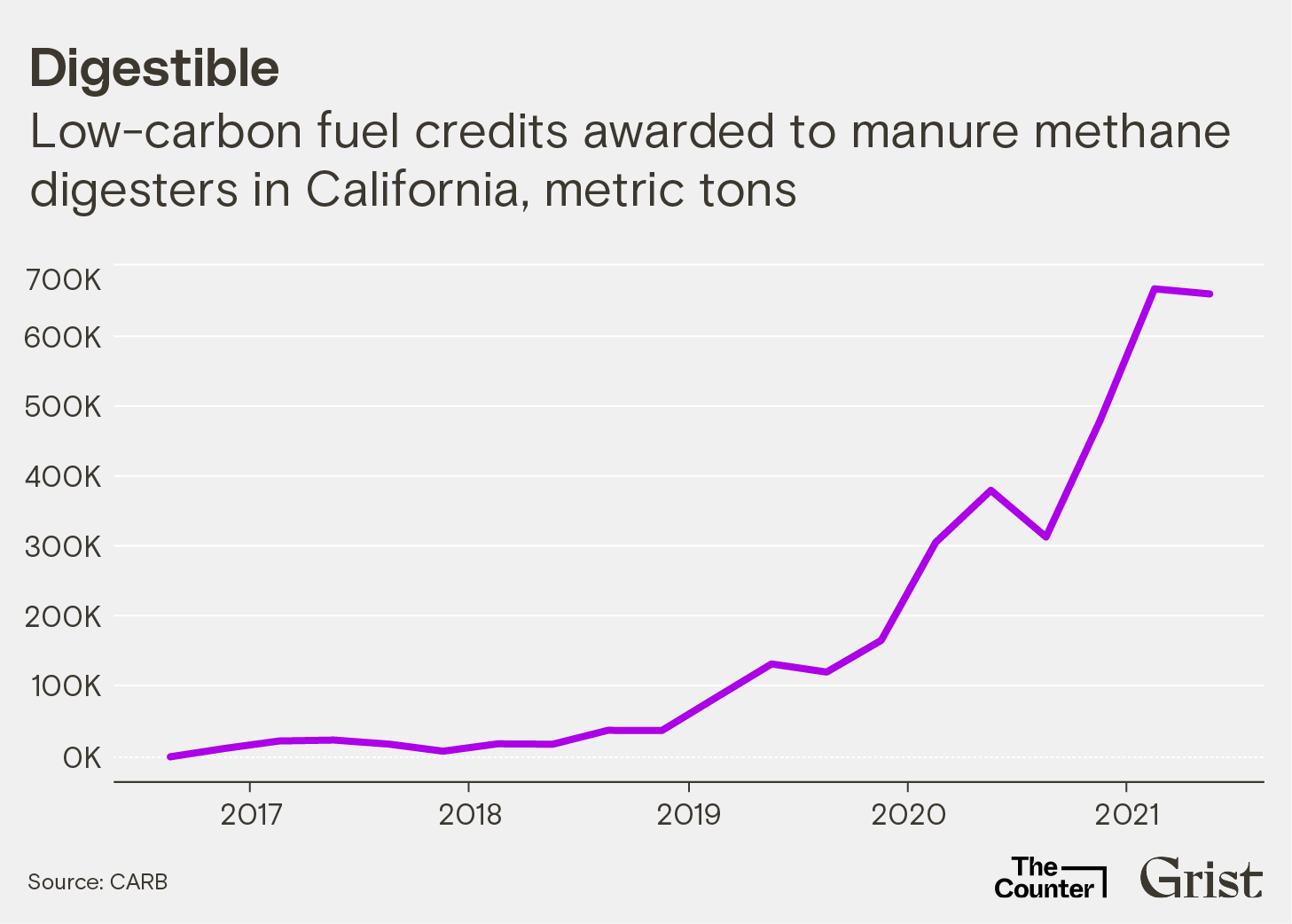
Yet, this was only the first time those same emissions reductions were counted. The very same methane savings were also credited to the Low Carbon Fuel Standard (LCFS), a market-based program launched in 2011 designed to progressively lower the average carbon intensity of the state’s transportation fuels.
The compounding of credits expanded further following the 2015 Aliso Canyon natural gas disaster in Los Angeles County, one of the largest methane leaks in U.S. history. To mitigate the environmental damage caused by the SoCalGas facility leak, which released 109,000 metric tons of methane, CARB established the Aliso Canyon Mitigation Agreement. This program distributed over $25 million in loans to California dairies—including partnerships involving energy giants like Chevron and California Bioenergy—to fund digesters intended to offset the disaster’s climate footprint on a one-to-one basis.
Crucially, the dairy projects funded by Aliso Canyon loans were also permitted to participate in the LCFS program. This allowed participating farms to generate yet another revenue stream through LCFS credits, creating a multi-layered web of overlapping incentives for the exact same molecule of captured gas.
The Mechanics of Negative Carbon Intensity
The core controversy of California’s accounting lies in the way CARB calculates fuel carbon intensity through a "well-to-wheel" analysis. This formula evaluates emissions generated during both the extraction or production of a fuel and its eventual combustion.
While fossil fuels extracted via fracking are assigned relatively high carbon intensity scores, natural gas produced by dairy digesters is granted a deeply negative score. This negative valuation is justified by the assumption that capturing manure methane prevents it from venting into the atmosphere. In effect, CARB treats dairy-derived natural gas as a fuel that actively purges carbon from the skies rather than merely emitting less of it.
Legal and environmental groups have pushed back aggressively against this logic. Brent Newell, a former senior attorney for Public Justice who represented residents petitioning CARB to revise its methodology, summarized the regulatory sleight of hand bluntly: "California is treating factory farm gas systems at dairy farms like they are devices that suck carbon from the air."
Danny Cullenward, a lawyer and policy director at the nonprofit Carbon Plan, identified the practice as a textbook violation of carbon accounting integrity. "That is a classic case of double counting," Cullenward stated. "The same ton is counted in two places."
An independent review of public climate subsidies by journalistic outlets Grist and The Counter identified at least 10 instances where the state explicitly double-counted climate benefits across both the livestock and transportation fuel sectors. Together, these 10 farms are credited with reducing agricultural emissions by 1.6 million metric tons of carbon dioxide equivalent over a decade, while simultaneously helping the state meet its 2030 transportation fuel decarbonization targets.
The Problem of Additionality and Stacked Incentives
In climate policy, the concept of "additionality" dictates that a project must achieve emissions reductions that would not have occurred without the specific program’s financial incentive. Critics argue that LCFS credits awarded to dairy digesters fail this fundamental test.
If a dairy farm has already financed its methane digester using public agricultural grants or mandatory mitigation funds from the Aliso Canyon settlement, the LCFS program is not actually driving the installation of the technology. Consequently, petitioners argue, there is no true causal link between the LCFS market and the emissions reductions taking place.
Furthermore, this dynamic creates a perverse regulatory outcome. When a dairy farm generates and sells an LCFS credit to a traditional fossil fuel producer, that credit legally permits the buyer to emit higher volumes of greenhouse gases than would otherwise be permitted. Environmental law advocates point out that this undermines the environmental integrity of programs like Aliso Canyon, because offsetting a disaster on paper while granting license for equivalent pollution elsewhere nullifies net climate gains.
Industry Defense and Economic Realities
Supporters of the current regulatory framework argue that these overlapping revenue streams—known in the industry as "incentive stacking"—are an absolute economic necessity.
Michael Boccadoro, executive director of the industry coalition DairyCares, defended the practice, asserting that anaerobic digesters are prohibitively expensive to build and operate without robust financial backing. "It takes the stacking of incentives to make the projects work," Boccadoro maintained.
Private energy companies appear to reap substantial rewards from this economic model. During an investor meeting, Chevron executives projected that the corporation’s investments in dairy digesters would yield "double-digit returns" in the coming years, heavily driven by the lucrative market for negative-carbon-intensity credits.
Regulatory Resistance and Future Outlook
Despite formal legal challenges, state regulators have firmly defended their administrative approach. In January, CARB officially denied a petition filed by environmental organizations that sought to end the practice of double-counting and mandate strict additionality tests. The agency argued that it could not update the LCFS program in isolation while broader, comprehensive updates to the state’s overarching climate strategy were underway.
Furthermore, CARB officials disputed the characterization of the practice as improper double-counting, suggesting instead that coordinated cross-sector incentives are a valid method for driving multi-faceted technological transitions.
Meanwhile, the physical expansion of the industry continues at a rapid pace. According to recent agency reports, dozens of additional dairy digesters supported by public funding are currently under construction across the Central Valley, with nearly a hundred expected to come online soon. As these new projects begin capturing methane and issuing market credits, the debate over California’s carbon math highlights the tension between aggressive climate goal-setting and the accounting integrity required to achieve genuine atmospheric relief.