Roasted Rainbow Carrots with Cilantro and Pepita Dressing Offer a Modern Twist on Holiday Gatherings

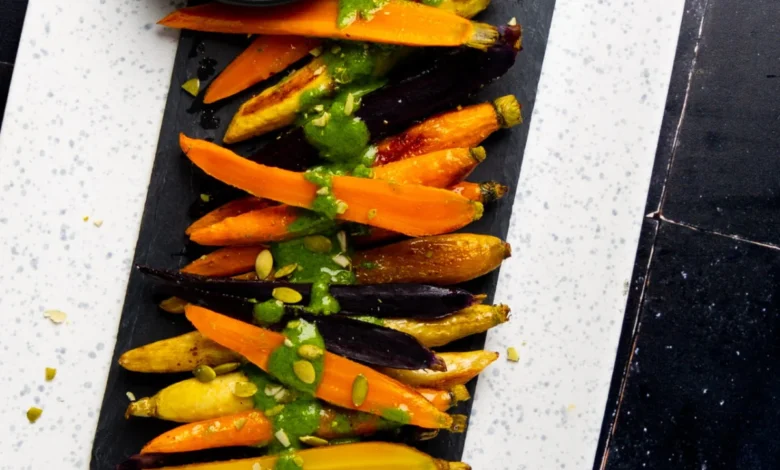
The evolution of traditional holiday menus has entered a new era as multicultural culinary traditions increasingly merge with classic festive staples. A prime example of this gastronomic shift is the rising popularity of inventive plant-based side dishes, such as roasted rainbow carrots served with a vibrant cilantro, pepita, and serrano chile dressing. Created by recipe developer and food writer Alejandra Graf, this dish bridges the gap between traditional American holiday celebrations and vibrant Mexican flavor profiles, offering a fresh perspective on what constitutes an essential festive side dish.
Main Facts of the Culinary Innovation
The dish centers on roasting multi-colored root vegetables—specifically purple, yellow, and orange carrots—until they achieve a natural sweetness and tender texture. This sweetness is intentionally countered by a bold, herbaceous, and mildly spicy green sauce crafted from fresh cilantro, toasted pumpkin seeds (pepitas), and serrano chiles.

Designed to be both vegan and gluten-free, the recipe addresses the growing consumer demand for inclusive holiday dishes that cater to diverse dietary restrictions without sacrificing depth of flavor. With a rapid preparation time of 10 minutes and a cooking time of just 20 minutes, the side dish has gained traction not only as a Thanksgiving staple for Mexican-American households but also as a versatile option for year-round buffet-style dining.
Background Context: The Fusion of Holiday Traditions
The integration of cross-cultural dishes into American holidays like Thanksgiving reflects broader demographic and culinary trends in North America. For many immigrant and first-generation families, the adaptation of holiday tables serves as a culinary expression of a dual identity.
Traditional Thanksgiving menus have historically featured heavily dairy-based, sweet, or starchy side dishes, such as marshmallow-topped sweet potatoes, heavy cream-laden mashed potatoes, and rich gravies. However, contemporary culinary preferences have shifted toward lighter, acid-forward, and herbaceous elements that cleanse the palate between heavier proteins like turkey or plant-based roasts.
Graf’s recipe highlights a fundamental distinction in flavor philosophy: while Anglo-American holiday dishes often embrace sweet flavor profiles, Mexican culinary tradition frequently favors a balance of acidity, herbaceousness, and heat. By pairing naturally sweet roasted carrots with a sharp, spicy, and nutty green dressing, the dish successfully mediates these two distinct culinary approaches.
Chronology and Development of the Recipe
The journey of modern vegetable-forward holiday sides has evolved significantly over the past decade. Root vegetables, once relegated to background ingredients in stocks and stews, have stepped into the culinary spotlight as main courses or elevated side dishes, driven by the global rise of plant-based diets.
- Early 2010s: The farm-to-table movement popularizes heirloom and multi-colored varieties of root vegetables, such as purple and yellow carrots, elevating them from commodity produce to aesthetic focal points.
- Mid-2010s: Culinary platforms and food blogs begin experimenting with raw-to-roasted techniques that caramelize natural sugars in vegetables, pairing them with global sauces like chimichurri, tahini, and Mexican salsas.
- Late 2010s to Present: Creators like Alejandra Graf formalize these combinations for festive seasons, documenting the integration of traditional salsas with roasted vegetables specifically tailored for inclusive holiday gatherings.
Supporting Data and Nutritional Profile

From a nutritional standpoint, modern side dishes are increasingly scrutinized for their health benefits alongside their flavor profiles. The roasted rainbow carrot dish provides a nutrient-dense alternative to traditional heavy holiday casseroles.
According to dietary approximations provided with the recipe, a standard single-serving portion contains approximately 35 calories, making it an exceptionally light addition to calorie-dense holiday spreads. The breakdown of nutritional data highlights its functional benefits:
- Carbohydrates: 8 grams, primarily complex carbohydrates and dietary fiber.
- Dietary Fiber: 2 grams per serving, aiding in digestion during large celebratory meals.
- Vitamins and Minerals: The dish is an outstanding source of Vitamin A, delivering roughly 13,619 International Units (IU) per serving due to the high concentration of carotenoids in multi-colored carrots. It also provides notable levels of potassium (266 mg) and minor traces of calcium and iron.
- Macronutrients: Extremely low in fat (0.3 grams total fat) and protein (1 gram), rendering it an ideal complement to protein-heavy holiday main courses.
Industry Implications and Plant-Based Trends
The popularity of dishes like cilantro-pepita roasted carrots underscores a broader commercial and cultural shift toward plant-forward dining during major American holidays. Food industry analysts note a consistent year-over-year increase in searches for vegan and gluten-free holiday recipes, driven by younger demographics, flexitarian diets, and households managing multiple dietary restrictions.

Furthermore, the utilization of indigenous ingredients such as pepitas (pumpkin seeds) and serrano chiles in mainstream holiday contexts signals a wider appreciation for Latin American ingredients in everyday American cooking. What was once considered niche or ethnic cuisine is now frequently embraced as an enhancement to standard holiday repertoires.
Broader Impact on Home Cooking
Recipes that require minimal active time—such as the 30-minute turnaround for these roasted carrots—address the logistical challenges of holiday cooking, where oven space and time management are at a premium. By utilizing high-heat roasting and a blender-based cold sauce, home cooks can execute complex flavor profiles without adding undue stress to meal preparation schedules.
As the culinary landscape continues to diversify, dishes that successfully honor heritage while adapting to contemporary health and dietary standards will likely remain fixtures of modern festive gatherings. Through thoughtful combinations of contrasting textures, temperatures, and flavor profiles, innovative side dishes continue to redefine the boundaries of traditional holiday dining.