The Art and Evolution of Monkey Bread: From American Comfort Food to Modern Plant-Based Delicacy

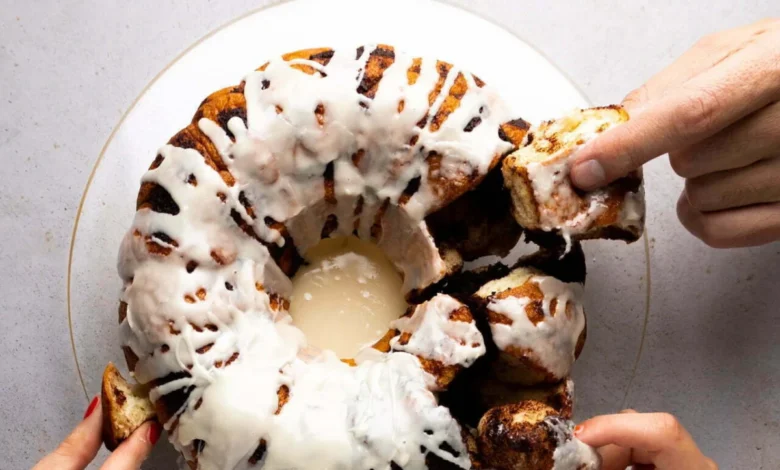
Culinary traditions often undergo significant transformations as chefs and home cooks adapt classic recipes to contemporary dietary preferences, and the beloved American comfort food known as monkey bread is no exception. Traditionally characterized by bite-sized pieces of yeasted dough drenched in melted butter, brown sugar, and cinnamon, this pull-apart pastry has recently captured the attention of the modern culinary community. Developed originally as a communal treat designed for sharing around the family breakfast table or at weekend gatherings, monkey bread has transitioned from a nostalgic novelty into a canvas for creative gastronomy, including flexitarian and fully plant-based adaptations.

Historical Origins and Cultural Significance of Pull-Apart Pastries
The history of monkey bread—frequently referred to in older culinary texts as pull-apart bread or golden puff pastry—is rooted in mid-20th-century American baking culture. While the exact origins of the moniker remain a subject of culinary folklore, food historians generally agree that the name derives from the communal nature of consumption. Much like how monkeys groom or interact by gathering closely together, diners pluck individual,
syrup-coated spheres of dough directly from the baked ring using their bare hands.
Throughout the decades, the pastry cemented its place in American cuisine as a staple of holiday mornings, weekend brunches, and neighborhood potlucks. Its appeal lies largely in its interactive format and rich flavor profile, which rivals traditional cinnamon rolls by offering multiple caramelized surfaces per serving. As baking trends evolved toward scratch-made components and intentional ingredient sourcing, home cooks and culinary creators began re-examining the classic formulation to accommodate changing nutritional demands without sacrificing the tactile, comforting experience that defines the dish.

Anatomy of a Classic: Ingredients and Preparation Methodology
Creating a traditional or plant-based monkey bread from scratch requires a meticulous, multi-stage baking process that spans nearly three hours, primarily due to the necessary fermentation periods of yeasted dough. The foundational element is a soft enriched dough typically composed of all-purpose flour, active dry yeast, warm liquid, a sweetener, and a fat source.

The preparation timeline follows a structured chronological progression:
- Dough Formulation and Initial Fermentation (Approximately 90 Minutes): The dry ingredients are combined with activated yeast and liquids, then kneaded thoroughly to develop gluten structure, resulting in a smooth, elastic dough. This mixture is set aside in a warm environment to undergo its first rise, doubling in volume.
- Portioning and Coating (Approximately 30 Minutes): Once fermented, the dough is divided into dozens of individual bite-sized pieces—often totaling roughly 50 distinct portions. Each sphere is rolled manually, dipped in melted fat, and thoroughly coated in a granular mixture of brown sugar and ground cinnamon.
- Assembly and Secondary Proofing (Approximately 45 Minutes): The coated dough balls are arranged evenly inside a greased Bundt or tube pan. A second rising phase allows the dough to expand and fuse lightly together, creating the characteristic pull-apart texture.
- Baking and Finishing (Approximately 20 Minutes): The assembled loaf is baked at a moderate temperature until the exterior develops a deep, golden-brown crust and the sugar-butter coating liquefies into a rich caramel syrup. Upon inversion, this syrup cascades over the bread, creating a glossy, sticky glaze that is frequently complemented by an additional drizzle of vanilla glaze.
The Rise of Plant-Based and Flexitarian Adaptations

In response to shifting global demographics regarding dietary choices, contemporary food writers and recipe developers have increasingly focused on plant-based and flexitarian adaptations of classic comfort foods. Culinary statistics from market research firms specializing in food trends indicate a steady upward trajectory in plant-based baking over the past decade, driven by consumers seeking dairy-free and egg-free alternatives that do not compromise on taste or texture.
Adapting monkey bread for a plant-based diet requires substituting conventional dairy butter with plant-based alternatives and utilizing plant milks—such as oat, almond, or soy milk—in the yeast dough and vanilla glaze. Culinary tests demonstrate that high-quality plant-based fats caramelize with brown sugar in a manner nearly identical to dairy butter, ensuring that the signature rich flavor and sticky texture remain intact. This adaptability has allowed the traditional recipe to remain relevant to modern consumers who prioritize sustainable eating habits while preserving traditional culinary rituals.

Kitchen Insights and Collaborative Baking Dynamics
Baking yeasted pastry from scratch presents specific logistical considerations that experienced culinary professionals frequently highlight. For instance, preparing a glaze containing powdered sugar and vanilla extract requires temperature management; sugar-based glazes tend to set rapidly upon cooling. Utilizing a microwave-safe mixing vessel for the glaze allows home cooks to liquefy the mixture with a brief application of heat, streamlining the finishing process and eliminating unnecessary dishware.

Furthermore, the labor-intensive nature of rolling and coating dozens of individual dough pieces transforms the recipe from a solitary task into a collaborative activity. Culinary educators often note that recipes requiring repetitive manual tasks—such as portioning monkey bread dough—serve as an effective medium for multi-generational cooking. In domestic settings, these extended preparation times encourage family participation, where different participants manage distinct stages of production, ranging from rolling the dough to coating and assembly.
Nutritional Profile and Dietary Considerations

While celebrated primarily for its indulgence rather than its nutritional density, understanding the compositional profile of traditional and plant-based monkey bread provides valuable context for consumers. Standard nutritional analyses for a single serving of a 12-portion recipe typically estimate the caloric value at approximately 345 kilocalories.
A representative nutritional breakdown per serving includes:

- Carbohydrates: 38 grams
- Dietary Fiber: 3 grams
- Total Sugars: 17 grams
- Protein: 5 grams
- Total Fat: 20 grams (including 9 grams of saturated fat)
- Sodium: 116 milligrams
- Cholesterol: Varies by formulation (zero in certified plant-based variations)
The inclusion of dietary fiber is primarily derived from whole-grain flour options or added nuts, if utilized, while the carbohydrate and sugar content reflect the prominent brown sugar and vanilla glaze components. Nutritionists generally categorize such pastry items as celebratory or occasional foods meant to be enjoyed as part of a balanced diet.
Broader Industry Implications and Future Outlook

The continuous reinvention of comfort foods like monkey bread underscores a broader cultural shift within the global food and beverage sector. As consumers increasingly blur the lines between traditional indulgence and health-conscious alternatives, recipe developers face continuous pressure to modernize heritage dishes. The successful adaptation of labor-intensive, dairy-heavy pastries into accessible, plant-friendly formats demonstrates the resilience of classic recipes in a rapidly modernizing culinary landscape.
Industry analysts suggest that interest in interactive, shareable baked goods will remain strong as social dining experiences continue to regain prominence. Whether prepared in its classic formulation or adapted for modern flexitarian diets, monkey bread endures as a testament to the enduring appeal of communal food culture, hands-on kitchen participation, and the timeless combination of baked dough, cinnamon, and sugar.