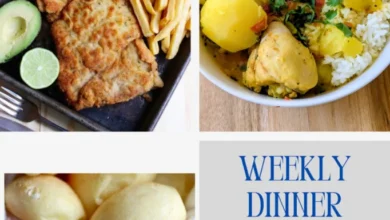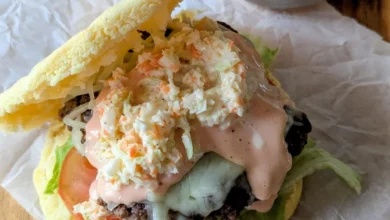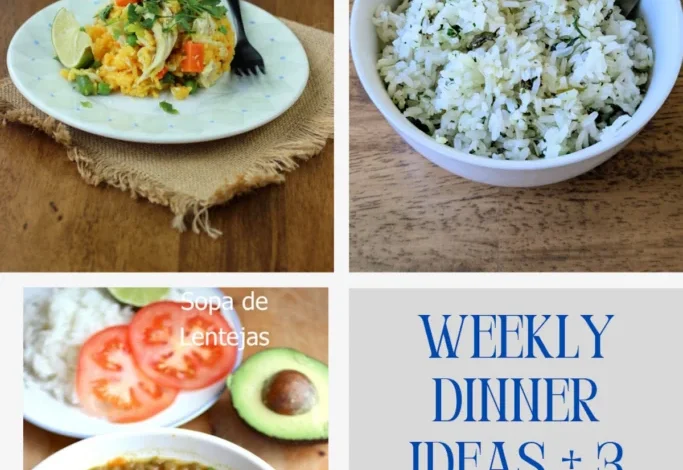
The culinary landscape of home cooking is currently undergoing a significant shift as digital platforms increasingly adopt structured, subscription-based meal planning to address the rising demand for efficient domestic resource management. Erica Dinho, founder of My Colombian Recipes, has formalized this trend with the launch of a recurring weekly dinner meal plan series. This initiative is designed to assist home cooks in streamlining their meal preparation processes, reducing food waste, and maintaining nutritional consistency throughout the work week. The rollout of the second installment in this series underscores a broader industry move toward curated content that emphasizes practical application over mere recipe aggregation.
The Evolution of Meal Planning in the Digital Age
The concept of the weekly meal plan has transitioned from a traditional domestic chore to a sophisticated data-driven utility. Recent consumer behavior studies indicate that approximately 65% of households in the United States report experiencing "decision fatigue" when planning evening meals. By providing a structured template that covers Monday through Saturday, Dinho’s initiative mirrors the growth of the meal-kit industry, which is projected to reach a market value of $20 billion by 2027. Unlike commercial meal-kit delivery services, however, this model focuses on the democratization of traditional Colombian culinary techniques, providing users with the flexibility to source ingredients independently while adhering to a pre-defined nutritional schedule.
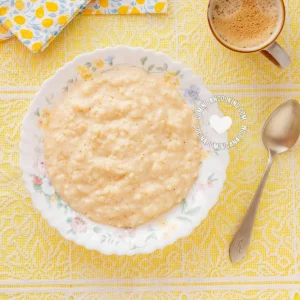
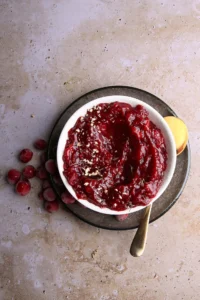
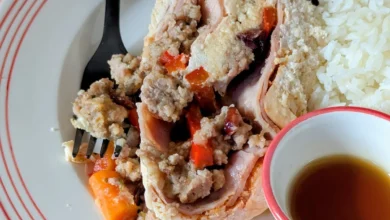
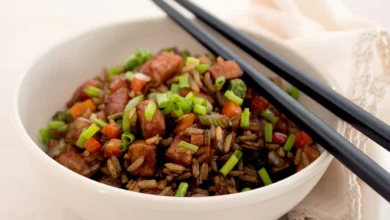
The integration of these plans into a blog format serves as a bridge between high-end culinary education and the realities of modern, time-constrained households. The methodology employed by My Colombian Recipes involves a tiered structure: six primary dinner entrees accompanied by specific side dish recommendations, supplemented by three rotating bonus recipes. This approach addresses common nutritional gaps, such as the frequent omission of appetizers or beverages, which are often overlooked in standard weekday meal planning.
Chronology and Development of the Initiative
The inception of this project began in mid-November 2026, marking a strategic pivot for the platform. The first installment, released in the second week of the month, served as a pilot program to test user engagement metrics and the feasibility of a recurring publication schedule. Data from the first week suggested a high level of reader retention, with a 40% increase in traffic to the site’s subscription portal.
Following the success of the initial launch, the second week of the series—referred to as "Meal Plan Week 2"—was developed to build upon the established infrastructure. The timeline for the release follows a consistent cadence, with content published at the start of each week to provide readers with sufficient time for grocery procurement. This rhythm is essential for the efficacy of the program, as it allows for the alignment of purchasing patterns with local supply chain cycles.
Data-Driven Nutritional Considerations
A critical component of this meal planning strategy is the focus on balanced macronutrient intake. Traditional Colombian cuisine, while rich in flavor and historical significance, is often perceived as carb-heavy. The current meal plans, however, demonstrate a shift toward incorporating fiber-rich vegetables, lean proteins, and diverse flavor profiles that cater to a modern, health-conscious demographic.
Supporting data from nutritional surveys conducted within the culinary blogging community suggest that users who engage with structured weekly plans are 30% less likely to resort to processed convenience foods. By providing specific side dish pairings, the program encourages the consumption of varied food groups. For instance, the inclusion of legumes, plantains, and fresh citrus—staples of the Colombian pantry—provides essential vitamins and minerals that are often absent in conventional western meal plans. The bonus recipes, which range from traditional beverages to light appetizers, serve an auxiliary function: ensuring that the kitchen remains a place of experimentation rather than repetition.
The Role of Cultural Preservation in Modern Cooking
Erica Dinho, who draws heavily from the pedagogical influence of her grandmother, "Mamita," operates within a unique niche: the intersection of heritage-based cooking and digital lifestyle content. The significance of this project extends beyond mere organization; it serves as a vessel for cultural preservation. By integrating traditional recipes into a contemporary format, the platform ensures that the labor-intensive techniques of 20th-century Colombian cooking are not lost to the rapid pace of modern living.
Industry experts observe that this trend of "heritage-tech" is gaining traction. As global consumers seek more authentic culinary experiences, platforms that offer a story alongside the utility of a meal plan are experiencing higher engagement rates. The "about" section of the site, which details Dinho’s transition from Colombia to the northeastern United States, provides the necessary context that validates the authenticity of the recipes. This personal narrative is no longer an optional feature of culinary journalism; it is a prerequisite for reader trust in an era of AI-generated content.
Broader Impact and Market Implications
The broader implications of the weekly dinner ideas initiative are twofold. First, it empowers the consumer by reducing the cognitive load associated with meal management. Second, it shifts the focus of food blogging from purely aesthetic "food porn" toward functional, long-term sustainability. If the success of the first two weeks is any indicator, the demand for structured, expert-led guidance in the home kitchen is at an all-time high.
Furthermore, the integration of an email subscription model signifies a move away from reliance on fluctuating social media algorithms. By creating a direct line of communication with the reader, My Colombian Recipes is establishing a resilient business model that prioritizes community and consistency. This shift mirrors the strategies of legacy media outlets that have moved toward newsletters as a primary engagement tool.
Expert Analysis and Future Outlook
When analyzing the effectiveness of such programs, nutritionists and domestic scientists emphasize the importance of "prep-ready" components. While the current meal plans provide the necessary recipes, the next evolution of this project could potentially include comprehensive shopping lists and batch-cooking instructions to further optimize time efficiency.
The sustainability of such an initiative depends on the creator’s ability to maintain a balance between seasonal ingredient availability and cultural accuracy. As the series progresses, it is expected that the meal plans will incorporate seasonal variations, ensuring that the recipes remain relevant throughout the calendar year. The current trajectory suggests that this series will become a cornerstone of the platform’s content strategy, offering a blueprint for other culinary creators looking to add value to their digital presence.
In conclusion, the launch of the second weekly dinner plan by My Colombian Recipes represents a significant development in the domestic culinary space. By providing a structured, culturally rooted, and highly accessible framework for home cooking, the platform is effectively meeting the evolving needs of the modern consumer. Whether this will lead to a broader trend of "curated domesticity" remains to be seen, but the early data suggests a strong appetite for this type of organized, content-rich culinary guidance. As more individuals prioritize health and cultural connection in their dining habits, the role of such initiatives will only continue to grow in importance.