The Thanksgiving bread basket often functions as an afterthought in holiday meal planning, yet data from culinary consumer surveys consistently ranks fresh, warm rolls among the most requested items at the dinner table. As home cooks navigate the logistical challenges of orchestrating a multi-course feast, the integration of high-quality, artisanal-style breads requires precise time management. Achieving the perfect balance of texture—soft interiors with golden, buttery crusts—demands a strategic approach to preparation that prioritizes make-ahead techniques, allowing the bread to emerge from the oven precisely as the centerpiece turkey completes its resting period.

Historical Context and Culinary Evolution of Holiday Breads
Bread has been a staple of the American Thanksgiving table since the holiday’s inception, serving as a functional component for soaking up gravies and balancing the richness of traditional sides. Historically, regional variations have defined these offerings, from the yeast-risen Parker House rolls popularized in 19th-century Boston to the utilization of starchy vegetables like potatoes—a practice rooted in rural American thriftiness to ensure moisture and longevity in baked goods.
Modern culinary experts note that the "bread basket" serves a vital psychological role in the Thanksgiving meal. It acts as the anchor for the table, providing a familiar, comforting texture that contrasts with the complexity of stuffing, cranberry sauce, and roasted meats. As hosting trends shift toward more manageable, stress-free preparations, the emphasis has moved away from labor-intensive, last-minute dough kneading toward methods that utilize cold-fermentation and advanced freezing.

Strategic Make-Ahead Methodologies
The primary challenge in holiday baking is oven real estate. With the turkey, casseroles, and pies competing for space, the bread must be either baked in advance or rely on a "bake-and-reheat" protocol. Culinary professionals advocate for several reliable methods to maintain quality:
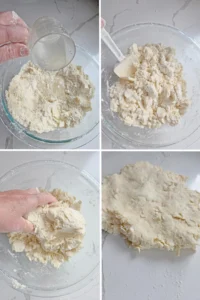
- Cold Fermentation: By shaping dough and placing it in the refrigerator, bakers can retard the yeast activity. This not only deepens the flavor profile through longer fermentation but also allows the baker to pull the tray directly from the fridge to the oven on Thanksgiving morning.
- Freezing Unbaked Dough: Shaped rolls can be flash-frozen on sheet trays. This allows for a modular approach where the host can bake only the quantity required for the specific guest count, ensuring maximum freshness.
- Full-Bake Reheating: For items like classic Parker House rolls, baking the product fully 48 to 72 hours in advance and sealing them in airtight containers preserves the moisture. A short, foil-wrapped session in a 375-degree oven effectively restores the crumb’s elasticity.
Analysis of Essential Bread Profiles
A well-curated bread basket for a formal dinner typically features a variety of textures and flavor profiles.

The Starch-Enriched Roll
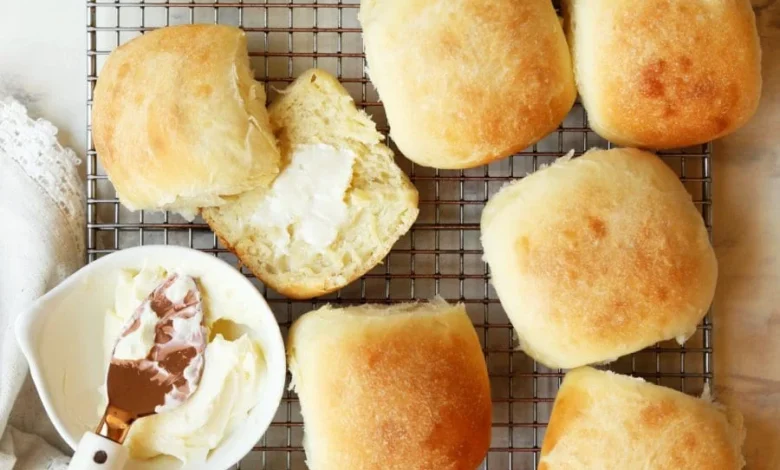
Potato-based rolls, such as the traditional Aunt Cordellia’s recipe, utilize leftover mashed potatoes in the dough. From a food science perspective, the starch granules in potatoes absorb more water than wheat flour alone, resulting in a significantly softer, more tender crumb that resists staleness. This makes them an ideal candidate for high-volume preparation.
The Laminated Classic
Parker House rolls represent the gold standard of buttery, folded bread. The folding technique creates distinct, flaky layers that provide a sensory experience superior to standard sandwich rolls. Because of their high butter content, these rolls freeze exceptionally well, maintaining their structural integrity even after thawing and reheating.

Savory and Yeast-Free Alternatives
For hosts looking to circumvent the unpredictability of yeast, savory options like Irish Soda Bread provide a robust alternative. Utilizing baking soda as a leavening agent allows for a dense, hearty loaf that is well-suited to include mix-ins such as olives and feta. These loaves are structurally sound and can be stored at room temperature for up to four days, making them highly efficient for hosts managing a complex timeline.
Logistical Timeline and Execution
Effective preparation for Thanksgiving bread should follow a rigid, multi-day schedule to minimize the burden on the host during the final 24 hours:

- T-Minus 5 Days: Finalize the menu and assess oven capacity. Determine if bread will be the primary starch or if it will accompany other carbohydrate-heavy dishes.
- T-Minus 3 Days: Purchase shelf-stable ingredients and prepare any compound butters, such as honey-infused or cinnamon-spiced versions, which improve in flavor as they sit.
- T-Minus 2 Days: Execute the initial bake for sturdy items like soda bread or biscuits that require cooling time.
- T-Minus 1 Day: Shape yeast-based rolls and move to the refrigerator for final proofing.
- Thanksgiving Day: Execute final bakes for rolls and popovers while the turkey rests. The resting period—typically 30 to 45 minutes—provides the perfect window to bring fresh, hot bread to the table.
Impact on Consumer Habits and Food Waste
The emphasis on bread preparation also directly impacts the management of leftovers. Research suggests that households that bake or purchase high-quality rolls are more likely to utilize them in post-holiday meals, such as the "Mega Thanksgiving Leftover Sandwich." This practice serves as a critical tool in reducing food waste, as the bread provides a durable vessel for repurposing turkey, stuffing, and cranberry relish.
From an economic standpoint, the shift toward home-baked, make-ahead goods allows for greater cost control compared to purchasing artisanal loaves from specialty bakeries. By utilizing pantry staples—flour, yeast, butter, and tubers—hosts can produce a professional-grade product at a fraction of the cost, while simultaneously ensuring that ingredients meet specific dietary or preference standards.

Professional Observations and Recommendations
Culinary experts emphasize that the success of a Thanksgiving bread service is not found in the complexity of the recipe, but in the precision of the execution. Whether selecting a classic buttermilk biscuit—which offers a sharp, acidic contrast to rich holiday gravy—or a sophisticated popover, the key is ensuring the product reaches the guest at the correct temperature.
"The goal of the bread basket is to provide comfort without overshadowing the main components of the meal," notes a culinary consultant specializing in large-scale event catering. "By treating the bread as a planned element rather than a last-minute addition, the host ensures that the sensory experience of the meal remains consistent from the first course to the last."

As families continue to adapt their holiday traditions, the return to "scratch" baking, facilitated by modern, time-saving storage techniques, remains a significant trend in domestic culinary practices. The ability to produce bakery-quality results through disciplined, pre-holiday labor continues to be a hallmark of the successful modern host.