Greek Green Bean Salad With Feta And Tomatoes
Authentic Greek Green Bean Salad with Feta and Tomatoes: A Vibrant and Healthy Recipe
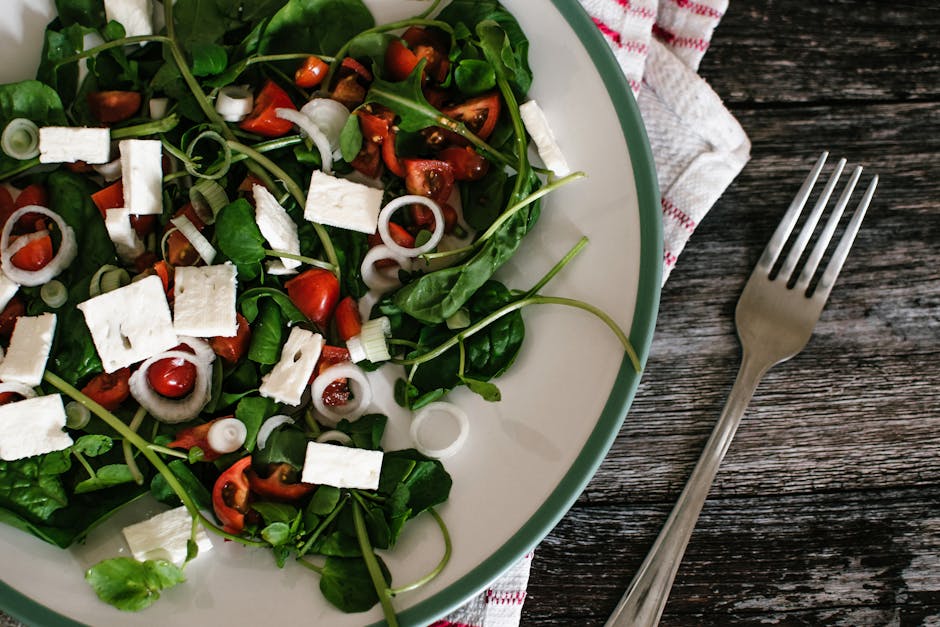
This Greek green bean salad with feta and tomatoes is a cornerstone of Mediterranean cuisine, celebrated for its refreshing taste, vibrant colors, and impressive nutritional profile. Far from a simple side dish, this salad embodies the principles of healthy eating, showcasing the power of fresh ingredients and simple preparations to create a dish that is both satisfying and health-promoting. The core of this recipe lies in the harmonious interplay of textures and flavors: the crisp-tender green beans provide a satisfying bite, their natural sweetness enhanced by the brine and tang of the feta cheese. Ripe, juicy tomatoes burst with summery sweetness, their acidity cutting through the richness of the feta and olive oil. A light, zesty dressing, typically a blend of extra virgin olive oil, lemon juice, and herbs, binds these elements together, creating a symphony of taste that is both complex and incredibly approachable.
Beyond its immediate culinary appeal, this salad is a nutritional powerhouse. Green beans, the star of the dish, are an excellent source of dietary fiber, crucial for digestive health and promoting satiety, which can aid in weight management. They are also packed with essential vitamins and minerals, including Vitamin C, a potent antioxidant that supports immune function, and Vitamin K, vital for bone health and blood clotting. The fiber content in green beans also contributes to stable blood sugar levels, making this salad a good choice for individuals managing diabetes or seeking to prevent blood sugar spikes. Feta cheese, while a dairy product, offers a good dose of calcium, important for strong bones and teeth. It also provides protein, contributing to the salad’s ability to keep you feeling full and satisfied. The healthy fats found in extra virgin olive oil, the foundation of the dressing, are monounsaturated fats, known for their heart-healthy properties, including their ability to help lower bad cholesterol (LDL) and raise good cholesterol (HDL). Olive oil also contains antioxidants that combat oxidative stress in the body. Tomatoes, another essential component, are renowned for their lycopene content, a powerful antioxidant linked to a reduced risk of certain cancers, particularly prostate cancer. They also contribute Vitamin C and potassium, which helps regulate blood pressure. The inclusion of fresh herbs, such as oregano and mint, further amplifies the salad’s health benefits. Oregano is rich in antioxidants and has antimicrobial properties, while mint aids digestion and can soothe an upset stomach. Collectively, these ingredients create a salad that is not only delicious but also actively contributes to a healthy and balanced diet.
The preparation of Greek green bean salad with feta and tomatoes is remarkably straightforward, making it an ideal choice for busy weeknights or casual gatherings. The primary preparation involves the green beans. Fresh green beans are preferred for their superior texture and flavor. They should be trimmed of their ends and blanched or steamed until they are crisp-tender. This means they retain a slight bite and vibrant green color, rather than becoming mushy. Overcooked green beans will detract from the overall appeal of the salad. Blanching involves briefly immersing the trimmed beans in boiling water for 1-3 minutes, depending on their thickness, followed immediately by an ice bath to halt the cooking process. This shock in cold water preserves their bright green hue and prevents further cooking. Steaming offers a gentler approach, achieving a similar crisp-tender texture without the risk of overcooking. Once the green beans are cooked and cooled, they are combined with the other key ingredients. Ripe, firm tomatoes are essential. Cherry tomatoes or grape tomatoes are excellent choices as they are naturally sweet and hold their shape well. They can be halved or quartered depending on their size. The feta cheese should be of good quality, preferably a block of feta that can be crumbled by hand for a more rustic presentation and better texture. Pre-crumbled feta often contains anti-caking agents that can affect its flavor and texture. For the dressing, high-quality extra virgin olive oil is paramount. Its fruity and peppery notes are crucial to the authentic taste of Greek cuisine. Fresh lemon juice provides the necessary acidity, while dried Greek oregano is the quintessential herb, offering its distinctive aromatic quality. Freshly ground black pepper adds a touch of spice. The simplicity of the dressing allows the fresh flavors of the main ingredients to shine through.
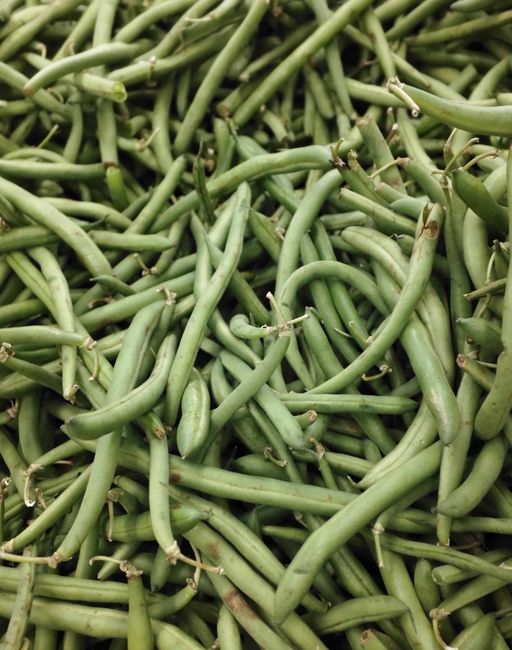
For optimal flavor and texture, certain ingredient choices and preparation techniques are highly recommended. The quality of the green beans directly impacts the salad’s success. Opt for fresh, firm beans with smooth pods. Avoid those that are limp or have visible blemishes. When blanched, the beans should be cooked just until they turn bright green and are still slightly firm. A minute too long can lead to a less appealing texture. For the tomatoes, ripeness is key. Sun-ripened tomatoes will offer the sweetest and most flavorful experience. If using larger tomatoes, ensure they are firm to the touch to prevent a watery salad. Cherry or grape tomatoes are ideal for their concentrated flavor and ease of preparation. When selecting feta, look for a block packed in brine. This indicates higher quality and better moisture content. Crumbling the feta by hand rather than using pre-crumbled varieties will result in a more pleasant texture and prevent the addition of unnecessary anti-caking agents. The olive oil used in the dressing should be extra virgin, as its robust flavor is integral to authentic Greek salad. A good quality extra virgin olive oil will have a distinct aroma and taste, ranging from fruity to peppery. Fresh lemon juice is always superior to bottled lemon juice, offering a brighter, more vibrant acidity. For herbs, dried Greek oregano is traditional and widely available. However, if fresh oregano is accessible, it can also be used, though the flavor will be less intense. A touch of fresh mint, finely chopped, can add an unexpected but delightful layer of freshness. Seasoning is a matter of personal preference, but a good starting point is to taste and adjust the salt and pepper as needed. Some variations of this salad may include thinly sliced red onion for a bit of pungent bite, or Kalamata olives for an additional salty and briny dimension. These additions, while not strictly traditional in all versions, can enhance the complexity of the salad.
The versatility of Greek green bean salad with feta and tomatoes makes it a valuable addition to any culinary repertoire. It serves as an exemplary side dish, pairing beautifully with a wide range of main courses. Its refreshing character provides a perfect counterpoint to rich and savory dishes such as grilled lamb chops, roasted chicken, or pan-seared fish. The vibrant colors and fresh flavors also make it an excellent accompaniment to barbecued meats, adding a lighter, healthier element to the smoky, grilled notes. Beyond its role as a side, this salad can also be a substantial and satisfying main course, particularly when enhanced with additional ingredients. Consider adding a scoop of cooked quinoa or farro for added protein and fiber, transforming it into a hearty grain bowl. Grilled halloumi cheese, with its firm texture and salty flavor, is another excellent addition that complements the existing ingredients and elevates the salad to a standalone meal. For a vegetarian or vegan option, the feta can be omitted and replaced with a plant-based feta alternative or a generous portion of toasted chickpeas for protein and crunch. A sprinkle of toasted pine nuts or sunflower seeds can also add an appealing textural contrast and a nutty flavor dimension. Its portability also makes it an ideal choice for packed lunches, picnics, or potluck gatherings. The flavors often meld and deepen as the salad sits, making it a great make-ahead option. When transporting, it’s advisable to keep the dressing separate until just before serving to prevent the green beans from becoming soggy, especially if preparing it well in advance. The inherent simplicity and adaptability of this salad allow for endless customization, catering to diverse dietary needs and personal preferences while always maintaining its core Mediterranean essence.
Storage and shelf life are important considerations for any salad. Greek green bean salad with feta and tomatoes is best enjoyed fresh, when the green beans are crisp and the tomatoes are at their peak. However, leftovers can be stored in an airtight container in the refrigerator for 2-3 days. It’s important to note that the texture of the green beans may soften slightly over time. For optimal freshness when storing, it’s recommended to keep the dressing separate from the salad ingredients and combine them just before serving. This will help maintain the crispness of the green beans and prevent the feta from becoming too watery. If the salad has been dressed and stored, the tomatoes might release more of their juices, which can be incorporated into the salad when served for added flavor. When reheating is necessary, it is generally not recommended for this particular salad as it is intended to be served cold or at room temperature. However, if it has been a day or two and the texture is acceptable, it can be enjoyed straight from the refrigerator. The key to successful storage is to ensure the salad is properly cooled before refrigerating and that the container is indeed airtight to prevent odor absorption and maintain moisture levels. Avoid freezing this salad, as the texture of the green beans and tomatoes will be significantly compromised upon thawing. The vibrant colors of the salad, while appealing, are also an indicator of its freshness. As it ages, the green beans might lose some of their vibrant hue, and the tomatoes may appear slightly duller. Therefore, it is always advisable to consume this salad within its optimal freshness window.
This Greek green bean salad with feta and tomatoes holds a significant place in the culinary landscape, representing more than just a collection of ingredients. It embodies a philosophy of eating that prioritizes fresh, seasonal produce, healthy fats, and simple preparations. Its origins are deeply rooted in the Mediterranean diet, a pattern of eating recognized globally for its numerous health benefits, including reduced risk of heart disease, type 2 diabetes, and certain cancers. The simplicity of its preparation belies the complexity of its nutritional advantages and the depth of its flavor. It’s a dish that speaks to a lifestyle of mindful eating, where food is not merely sustenance but a source of well-being and enjoyment. The vibrant colors are not just aesthetically pleasing; they are indicators of a rich array of vitamins, minerals, and antioxidants. The interplay of textures, from the crisp-tender green beans to the yielding tomatoes and crumbly feta, creates a sensory experience that is both satisfying and invigorating. In a world increasingly focused on health and wellness, this salad stands as a testament to the fact that healthy eating can be incredibly delicious and accessible. It’s a recipe that can be passed down through generations, a timeless classic that continues to be relevant and cherished for its inherent goodness. Its adaptability allows it to transcend cultural boundaries and dietary preferences, proving that the core principles of fresh ingredients and balanced flavors are universally appealing. Whether served as a humble side or elevated to a star main course, this Greek green bean salad with feta and tomatoes consistently delivers a taste of sunshine and well-being.