
Kalbi Korean Bbq Short Ribs
Kalbi Korean BBQ Short Ribs: A Definitive Guide to Marinating, Grilling, and Savoring This Korean Delicacy
Kalbi, the iconic Korean BBQ short ribs, represents the pinnacle of Korean culinary tradition, celebrated for its exquisite balance of sweet, savory, and umami flavors. This dish, at its core, involves thinly sliced beef short ribs marinated in a complex and aromatic sauce, then grilled to tender perfection, often tableside. The allure of kalbi lies not just in its exceptional taste but also in the communal and interactive dining experience it fosters. Understanding the nuances of preparing kalbi, from selecting the right cut of meat to mastering the art of the marinade and achieving the ideal sear on the grill, is crucial for replicating this beloved Korean staple in any kitchen. This comprehensive guide delves deep into every facet of kalbi preparation, empowering home cooks to create authentic and unforgettable Korean BBQ short ribs.
The foundation of exceptional kalbi begins with the selection of the meat. Traditionally, kalbi utilizes beef short ribs, specifically the flanken-cut or English-cut. Flanken-cut short ribs, also known as Korean-cut kalbi, are sliced across the bone, resulting in thin, long strips that are ideal for quick marinating and grilling. This cut exposes more surface area to the marinade, allowing the flavors to penetrate deeply and quickly. English-cut short ribs, while thicker and bone-in, can also be used if sliced thinly against the grain. The marbling within the short ribs is paramount. High-quality beef with good intramuscular fat distribution will render beautifully during grilling, contributing to unparalleled tenderness and juiciness. Cuts like prime or choice grade ribeye or chuck short ribs are excellent choices. The thickness of the cut is also a critical consideration; aim for slices between 1/8 and 1/4 inch thick. Thicker cuts risk becoming tough before they are cooked through, while excessively thin cuts may burn too quickly. Sourcing these specific cuts from a reputable butcher or a Korean grocery store is highly recommended to ensure authenticity and quality. Pre-marinated kalbi is readily available in many Asian markets, offering convenience, but the true essence of kalbi is often unlocked through a homemade marinade, allowing for precise control over the flavor profile.
The soul of kalbi resides in its marinade, a meticulously crafted blend of ingredients designed to tenderize the meat and infuse it with an explosion of taste. The fundamental components of a classic kalbi marinade typically include soy sauce, garlic, ginger, sesame oil, sugar (often brown sugar or honey), and a touch of sweetness from fruits like pear or apple. The soy sauce provides the salty, umami base, while minced garlic and grated ginger contribute pungent aromatics. Toasted sesame oil lends a nutty depth and richness that is unmistakably Korean. The sugar is vital for caramelization during grilling, creating a beautiful crust and balancing the saltiness. The inclusion of grated Asian pear or apple is a traditional tenderizing agent. These fruits contain enzymes that break down the meat’s proteins, resulting in exceptionally tender kalbi. Some recipes also incorporate onion for sweetness and depth, black pepper for a subtle kick, and sometimes a splash of rice wine (mirin) or rice vinegar for added complexity. The marinating time is another important factor. For thinly sliced kalbi, a minimum of 2 hours is recommended, but overnight marinating in the refrigerator will yield the most profound flavor penetration. It is crucial to ensure all the ingredients in the marinade are well-combined before introducing the short ribs. Marinating in a non-reactive container, such as glass or a food-grade plastic bag, is advisable to prevent any metallic taste from leaching into the meat.
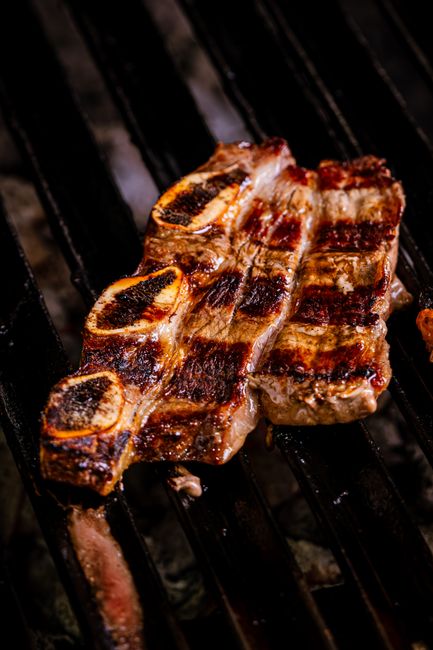
Grilling is the quintessential cooking method for kalbi, transforming the marinated short ribs into succulent, smoky bites. The ideal cooking temperature is high heat, promoting rapid searing and caramelization without overcooking the interior. A charcoal grill offers the most authentic smoky flavor, but a gas grill or even a cast-iron skillet can be effective alternatives. When using a charcoal grill, allow the coals to burn until they are covered in a white ash, indicating they have reached the optimal temperature. Arrange the coals to create direct and indirect heat zones, allowing for better control during cooking. For gas grills, preheat to medium-high heat. If using a cast-iron skillet, heat it over medium-high heat until it is smoking lightly. The key to perfectly grilled kalbi is to cook it quickly. Overcooking will result in dry, tough meat, negating the efforts put into marinating. Grill the kalbi in batches, ensuring not to overcrowd the grill. Overcrowding lowers the grill’s temperature and leads to steaming rather than searing, hindering the development of a desirable crust. Sear each side for approximately 2-3 minutes, depending on the thickness of the slices and the heat of the grill. The meat should develop a beautiful caramelized crust with visible grill marks. The internal temperature for medium-rare to medium is ideal for kalbi, typically around 135-145°F (57-63°C). Use a meat thermometer to ensure accuracy. Once cooked, remove the kalbi from the grill and let it rest for a few minutes before serving. This resting period allows the juices to redistribute throughout the meat, ensuring maximum tenderness and moisture.
The traditional Korean BBQ experience extends far beyond the kalbi itself, encompassing a vibrant array of banchan (side dishes) and dipping sauces that complement and enhance the flavor of the grilled meat. Banchan are small, flavorful dishes served alongside the main course, offering a diverse culinary landscape that tantalizes the palate. Essential banchan that pair perfectly with kalbi include fresh, crisp lettuce wraps (ssam), often romaine or red leaf lettuce, which are used to encase the grilled meat along with rice and other accompaniments. Ssamjang, a thick, spicy paste made from fermented soybean paste (doenjang), gochujang (Korean chili paste), garlic, onion, and sesame oil, is a non-negotiable dipping sauce for ssam. Other popular banchan include kimchi, the ubiquitous fermented Korean cabbage, in its various forms (napa cabbage, radish, cucumber), offering a spicy, tangy counterpoint to the rich kalbi. Seasoned spinach (sigeumchi namul), seasoned bean sprouts (kongnamul muchim), and pickled radishes (danmuji) are also common and provide refreshing textures and flavors. The dipping sauces are equally critical. In addition to ssamjang, a simple soy-based dipping sauce made with soy sauce, vinegar, minced garlic, and sometimes a pinch of sugar and chili flakes, is often offered. A spicy gochujang-based dipping sauce, offering a more intense heat, is also a popular choice. The interactive nature of Korean BBQ means that diners assemble their own bites, creating personalized flavor combinations with the kalbi, banchan, rice, and sauces. This communal aspect is a significant part of the appeal of kalbi.
Beyond the classic preparation, several variations and tips can elevate your kalbi experience. For those seeking a deeper, more complex flavor profile, consider incorporating a small amount of mirin or sake into the marinade for added sweetness and a subtle complexity. A touch of honey or maple syrup can also be used as a natural sweetener, contributing to beautiful caramelization. For a spicier kalbi, increase the amount of gochujang or add a pinch of red pepper flakes to the marinade. Some regional variations of kalbi marinade include the addition of sesame seeds for a nutty crunch and visual appeal. When grilling, maintaining consistent heat is crucial. If your grill has hot spots, rotate the kalbi frequently to ensure even cooking. For those without access to a grill, a cast-iron grill pan on the stovetop can effectively replicate the searing and caramelization. Ensure the pan is well-seasoned and heated to a high temperature before adding the kalbi. For an authentic touch, serving kalbi with freshly steamed short-grain white rice is traditional. The neutral flavor of the rice acts as a canvas for the intense flavors of the kalbi and banchan. To enhance the dining experience, consider serving accompaniments such as sliced garlic, jalapeño peppers, and fresh green onions, which can be added to the ssam wraps. The quality of the ingredients cannot be overstated. Using fresh, high-quality beef and premium soy sauce will significantly impact the final taste of your kalbi.
The cultural significance of kalbi in Korean cuisine cannot be overstated. It is a dish often reserved for special occasions, family gatherings, and celebrations, embodying a spirit of togetherness and shared culinary joy. The act of grilling meat at the table fosters conversation and connection, transforming a meal into an event. The aroma of sizzling kalbi is a familiar and comforting scent in Korean households and restaurants alike. The dish has transcended its origins to become a globally recognized symbol of Korean food, appealing to palates worldwide with its irresistible combination of tender, marinated beef and savory-sweet flavors. The adaptability of kalbi is also noteworthy. While beef is traditional, variations using pork or even lamb are also enjoyed, though they offer different flavor profiles and require adjusted marinating and cooking times. The core principles of a flavorful marinade and high-heat grilling remain consistent across these variations. Understanding the fundamental techniques of kalbi preparation allows for experimentation and personalization, enabling home cooks to create their own signature versions of this beloved dish. From the careful selection of the short ribs to the meticulous crafting of the marinade and the precise execution of the grilling process, every step contributes to the ultimate enjoyment of kalbi.
In conclusion, kalbi Korean BBQ short ribs are more than just a dish; they are an experience. Mastering the art of kalbi involves a deep appreciation for the interplay of flavors, textures, and the communal spirit of Korean dining. By focusing on high-quality ingredients, a well-balanced marinade, and proper grilling techniques, anyone can recreate this iconic Korean delicacy in their own kitchen. The versatility of kalbi, coupled with its rich cultural heritage, ensures its continued popularity and appeal for generations to come. Whether you are a seasoned home cook or a beginner venturing into Korean cuisine, the journey of preparing and savoring kalbi is a rewarding one, promising a culinary adventure filled with deliciousness and memorable moments. The savory aroma, the tender texture, and the explosion of sweet and savory flavors make kalbi a truly unforgettable meal, a testament to the enduring power of Korean culinary traditions.