Salt And Pepper Ribeye Steak

The Ultimate Guide to Salt and Pepper Ribeye Steak: Mastering the Classics for Unparalleled Flavor
Achieving a perfectly cooked salt and pepper ribeye steak is not about complexity; it’s about understanding fundamental principles and executing them with precision. This seemingly simple preparation elevates the inherent richness and marbling of a premium ribeye, allowing its natural flavors to shine. The foundation of this classic approach lies in the quality of the meat, the correct seasoning, and controlled heat application. Understanding the nuances of each element is paramount for unlocking the full potential of this iconic cut.
The Ribeye: A Foundation of Flavor and Tenderness
The ribeye, often considered the king of steaks, owes its regal status to a generous amount of intramuscular fat, known as marbling. This fat melts during cooking, basting the meat from within, resulting in exceptional juiciness and a buttery, rich flavor. The ribeye cut is derived from the rib primal, specifically from the longissimus dorsi muscle, which is less worked than other muscles, contributing to its inherent tenderness. When selecting a ribeye for this classic preparation, look for a steak that is at least 1.5 to 2 inches thick. Thicker cuts are more forgiving and allow for a better crust to interior temperature ratio, preventing overcooking. The color of the meat should be a vibrant cherry red, indicating freshness, and the marbling should be evenly distributed throughout the muscle. Avoid steaks that appear overly gray or have large, unappetizing pockets of fat. Aged ribeye, either dry-aged or wet-aged, can further enhance flavor and tenderness by developing more complex, nutty notes and breaking down connective tissues. For a salt and pepper ribeye, the quality of the beef is paramount, as these simple seasonings will not mask any underlying deficiencies.
The Magic of Salt: More Than Just a Seasoning
Salt plays a crucial role in enhancing the flavor of steak beyond simply adding salinity. Kosher salt or coarse sea salt are the preferred choices for seasoning a ribeye. Their larger crystals adhere better to the surface and allow for more controlled application. The primary functions of salt in steak preparation are:
-
Flavor Enhancement: Salt interacts with the proteins in the meat, stimulating the taste buds and intensifying the inherent savory notes of the beef. It brings out the natural sweetness and umami of the ribeye.
-
Moisture Retention: When applied in sufficient quantities and allowed to rest, salt begins to draw out moisture from the steak. However, this moisture then dissolves the salt, creating a concentrated brine that is reabsorbed by the meat. This process, known as dry brining, actually helps the steak retain more moisture during cooking.
-
Crust Development: Salt crystals on the surface of the steak, when exposed to high heat, contribute to the Maillard reaction, the chemical process responsible for browning and the development of a delicious crust.
The timing of salting is a critical variable. Salting too close to cooking can result in a less juicy steak as the salt draws out moisture that doesn’t have sufficient time to be reabsorbed. For optimal results, salt the ribeye generously on all sides, including the edges, at least 45 minutes, and ideally 1 to 2 hours, before cooking. This allows the salt to penetrate the meat and initiate the dry-brining process. If time is limited, salting immediately before cooking is still acceptable, but the moisture retention benefits will be diminished.
The Understated Power of Pepper: Aromatic Complexity
Freshly cracked black pepper provides a pungent, aromatic counterpoint to the rich, fatty flavor of the ribeye. The key here is "freshly cracked." Pre-ground pepper loses its volatile aromatic compounds rapidly, rendering it dull and less impactful. A coarse grind is ideal for a salt and pepper steak, providing a pleasant textural element and a bold flavor burst with each bite.
The role of pepper in this preparation is primarily:
-
Flavor Contrast: The spicy, woody notes of black pepper cut through the richness of the ribeye, preventing it from becoming overwhelming. It adds a layer of complexity that complements the beef’s natural sweetness.
-
Aroma: The volatile oils released during grinding contribute to the overall sensory experience of the cooked steak, adding an inviting aroma.
-
Subtle Heat: High-quality black pepper can offer a gentle warmth that enhances the overall enjoyment of the steak without being aggressively spicy.
For a salt and pepper ribeye, liberal application of freshly cracked black pepper is encouraged. Grind it directly onto the steak after salting and just before cooking. The heat of the cooking process will bloom the pepper’s aromatics, intensifying its flavor. Consider using a blend of peppercorns, such as a mix of black, white, and pink peppercorns, for added depth and visual appeal, though a classic preparation often sticks to just black pepper.
Mastering the Cook: Heat, Temperature, and Technique
The cooking method for a salt and pepper ribeye is crucial for achieving a desirable crust and a perfectly cooked interior. High, direct heat is the hallmark of this preparation.
-
Pan-Searing: This is the most common and effective method for a salt and pepper ribeye.
-
Choosing the Right Pan: A heavy-bottomed cast-iron skillet is ideal. It retains heat exceptionally well and distributes it evenly, promoting consistent searing. Stainless steel is a good alternative.
-
Preheating the Pan: This is non-negotiable. The pan must be smoking hot before the steak goes in. This ensures an immediate and aggressive sear, creating the coveted crust.
-
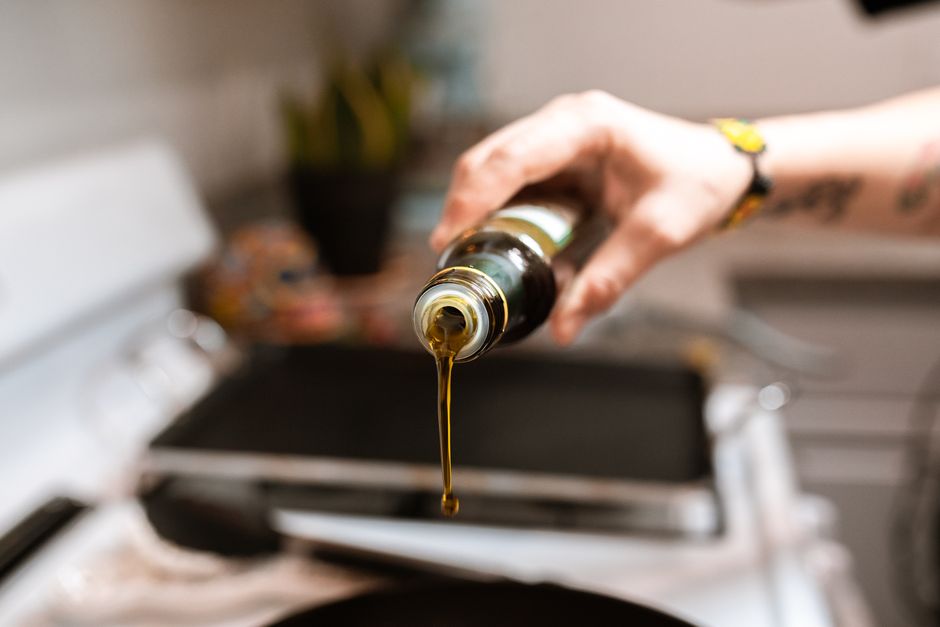
Fat for Searing: A high smoke point oil like grapeseed, avocado, or canola oil is necessary. Add just enough to lightly coat the bottom of the pan. Avoid olive oil, which has a lower smoke point and can burn.
-
Searing Process: Place the seasoned steak in the hot pan. Do not move it for the first 2-3 minutes. This allows the crust to form. Flip the steak and sear the other side for a similar duration. For thicker cuts, you may need to sear the edges as well by holding the steak with tongs.
-
Basting (Optional but Recommended): After searing both sides, reduce the heat slightly and add a tablespoon or two of unsalted butter, a crushed clove of garlic, and a sprig of rosemary or thyme to the pan. Tilt the pan and continuously spoon the melted butter and aromatics over the steak for the remaining cooking time. This adds another layer of richness and flavor.
-
-
Grilling: Grilling offers a smoky char that can be a delicious addition to a salt and pepper ribeye.
-
High Heat Zones: Prepare your grill for two-zone cooking, with one side extremely hot and the other cooler.
-
Searing: Sear the steak over the hottest part of the grill for a few minutes per side to develop a good crust.
-
Indirect Cooking: Move the steak to the cooler side of the grill to finish cooking to your desired internal temperature. Close the lid to allow for even heat distribution.
-
Internal Temperature: The Ultimate Arbiter of Doneness
The most reliable way to ensure a perfectly cooked ribeye is by using an instant-read meat thermometer. Temperature is the only true indicator of doneness, as thickness, pan temperature, and cooking time can vary. Here’s a general guide for internal temperatures (remember that the temperature will rise by 5-10 degrees Fahrenheit as the steak rests):
- Rare: 120-125°F (49-52°C) – Cool red center.
- Medium-Rare: 130-135°F (54-57°C) – Warm red center. This is often considered the ideal temperature for a ribeye.
- Medium: 135-140°F (57-60°C) – Warm pink center.
- Medium-Well: 140-145°F (60-63°C) – Slightly pink center.
- Well-Done: 150°F+ (65°C+) – Little to no pink. Avoid this temperature for a quality ribeye.
Always remove the steak from the heat a few degrees below your target temperature to account for carryover cooking during the resting period.
The Crucial Resting Period: Unlocking Juiciness
After the steak comes off the heat, it’s imperative to let it rest. Tent the steak loosely with aluminum foil on a cutting board or warm plate for at least 5-10 minutes. During cooking, the muscle fibers constrict, forcing the juices towards the center. Resting allows these fibers to relax, redistributing the juices throughout the steak. Cutting into it too soon will result in a flood of juices on the plate, leaving the steak dry and less flavorful. This resting period is as important as the searing itself for achieving a truly juicy and satisfying ribeye.
Serving and Enjoying Your Masterpiece
Once rested, slice the ribeye against the grain to ensure maximum tenderness. The simple beauty of a salt and pepper ribeye lies in its unadorned perfection. It needs no complex sauces or elaborate accompaniments. A light sprinkle of flaky sea salt just before serving can add an extra textural and flavor dimension. Classic pairings include roasted vegetables, a simple salad, or creamy mashed potatoes, all of which complement the richness of the steak without overpowering it. The true reward is in savoring the intense beefy flavor, the succulent texture, and the satisfying crunch of the crust – a testament to the power of simple, quality ingredients and precise execution. By focusing on the fundamentals of selecting excellent beef, judicious salting and peppering, and mastering heat control, you can consistently create a salt and pepper ribeye steak that rivals any steakhouse offering.