
A Classic Greek Chicken Favorite Chicken Stewed Until Tender In A Rich Tomato Sauce 3

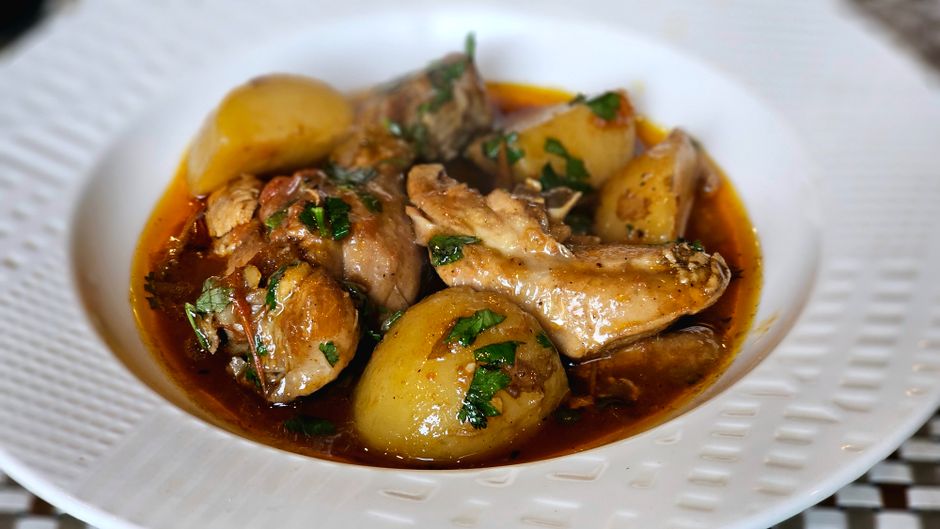
Greek Chicken Stewed in Rich Tomato Sauce: A Timeless Classic for Comfort and Flavor
This Greek chicken stew, known by various regional names, represents a cornerstone of Hellenic home cooking. It’s a dish that embodies simplicity, profound flavor, and the art of transforming humble ingredients into something truly special. The magic lies in the slow, gentle braising of chicken pieces, allowing them to become impossibly tender, suffused with the vibrant essence of a rich, slow-simmered tomato sauce. This isn’t a quick weeknight meal; it’s a labor of love, a culinary embrace that rewards patience with deeply satisfying results. The foundation of this dish is a well-developed tomato base, often enhanced with aromatics like onions, garlic, and herbs, which create a complex and savory liquid that clings beautifully to the succulent chicken. The inherent sweetness of ripe tomatoes, balanced by a touch of acidity, forms the perfect counterpoint to the savory chicken. This recipe, while seemingly straightforward, offers numerous avenues for personalization and variation, allowing cooks to adapt it to their preferences and available ingredients. Understanding the fundamental principles behind its success is key to replicating its comforting allure.
The core of this Greek chicken stew lies in the quality of its ingredients and the meticulous, unhurried cooking process. The chicken itself can be bone-in or boneless, thighs or breasts, though bone-in pieces, particularly thighs, lend a deeper flavor and unparalleled tenderness due to their higher fat content and connective tissues, which break down during slow cooking. Bone-in cuts also contribute to a richer sauce. The tomato element is paramount. While fresh, ripe tomatoes are ideal in season, high-quality canned crushed tomatoes or even tomato passata can be excellent substitutes, providing a consistent and robust tomato flavor year-round. The choice of onion and garlic forms the aromatic bedrock. Sweet yellow onions or shallots offer a mellow sweetness, while red onions can impart a slightly sharper, more complex flavor. Garlic, of course, is indispensable, its pungent aroma mellowing into a sweet, savory depth during the long simmer. Herbs play a crucial role in defining the Greek character of this stew. Dried oregano, a staple of Greek cuisine, provides its signature earthy, slightly peppery notes. Fresh parsley, added towards the end, brings a burst of freshness and a vibrant green contrast. Other complementary herbs can include thyme, bay leaves, or even a hint of rosemary, depending on regional variations and personal preference. The sauce’s richness is further enhanced by olive oil, the liquid gold of the Mediterranean, used generously to sauté the aromatics and to add a luscious mouthfeel to the finished dish.
The process of creating this stew begins with the proper preparation of the chicken. If using bone-in pieces, they should be thoroughly rinsed and patted dry. For boneless cuts, trim any excess fat. Seasoning is the first layer of flavor development. A generous amount of salt and freshly ground black pepper is essential to draw out the chicken’s natural juices and to season the meat throughout. Some recipes call for lightly dredging the chicken in flour before browning, which helps to create a slightly thickened sauce and a beautiful golden crust on the chicken pieces. This step, while optional, contributes to the overall texture and richness of the finished stew. The browning process itself is critical. In a large, heavy-bottomed pot or Dutch oven, heated over medium-high heat, a generous amount of olive oil is added. The chicken pieces are then added in batches, ensuring not to overcrowd the pot, which would steam the chicken rather than brown it. Browning is not about cooking the chicken through but about developing a deep, caramelized crust that will contribute immensely to the flavor of the sauce. This Maillard reaction is a fundamental technique in building complex flavors in many cuisines.
Once the chicken is beautifully browned on all sides, it is removed from the pot and set aside. The heat is then reduced to medium, and the onions are added to the same pot, along with a little more olive oil if needed. The onions are sautéed until they are softened and translucent, scraping up any browned bits from the bottom of the pot – this is where much of the concentrated flavor resides. The garlic is then added, and sautéed for just a minute or two until fragrant, being careful not to burn it, as burnt garlic can turn bitter. This aromatic base is the foundation upon which the rest of the sauce will be built.
The tomato component is introduced next. Crushed tomatoes or tomato passata are poured into the pot, and the heat is increased slightly to bring the mixture to a gentle simmer. This is where the dried herbs, such as oregano and bay leaves, are added, infusing their aromas into the simmering tomato liquid. A splash of dry red or white wine can also be added at this stage, further deglazing the pot and adding another layer of complexity to the sauce. The wine should be allowed to bubble and reduce for a few minutes, allowing the alcohol to evaporate and leaving behind its concentrated flavor.
Now, the browned chicken pieces are returned to the pot, nestling them down into the tomato sauce. The liquid level should be such that the chicken is mostly submerged, but not entirely covered, allowing some of the top pieces to develop a slightly more concentrated flavor. The pot is then brought back to a gentle simmer, after which it is covered tightly. The cooking temperature is then reduced to low, and the stew is left to simmer gently for an extended period. This slow, low heat is crucial for tenderizing the chicken and for allowing the flavors to meld and deepen. The simmering time can vary, but generally, it will range from 45 minutes to 1.5 hours, or even longer, depending on the size and cut of the chicken pieces. The goal is for the chicken to be so tender that it easily pulls away from the bone (if bone-in) or can be pierced with a fork with minimal resistance.
Throughout the simmering process, it’s beneficial to stir the stew occasionally to prevent sticking and to ensure even cooking. As the stew cooks, the tomato sauce will thicken naturally, and the flavors will intensify. If the sauce appears too thick, a little chicken broth or water can be added to reach the desired consistency. Conversely, if it’s too thin, the lid can be removed during the last 20-30 minutes of cooking to allow some of the liquid to evaporate.
Towards the end of the cooking time, the fresh parsley is stirred in, adding a final touch of brightness and herbaceousness. Some cooks also like to finish the stew with a squeeze of fresh lemon juice, which provides a welcome counterpoint to the richness of the sauce and brightens all the flavors. This acidity is a hallmark of many Greek dishes, balancing the savory and sweet notes.
Serving this Greek chicken stew is an exercise in comforting simplicity. It’s traditionally served hot, with the succulent chicken pieces bathed in their rich tomato sauce. Accompanying the stew is essential to complete the meal. Crusty bread is an absolute must for sopping up every last drop of the flavorful sauce. Alternatively, it can be served over fluffy rice, couscous, or orzo pasta, which will absorb the delicious sauce beautifully. A simple Greek salad, with its crisp cucumbers, tomatoes, olives, and feta cheese, offers a refreshing contrast to the warm, rich stew. For a more substantial meal, roasted potatoes or mashed potatoes are also excellent accompaniments.
The beauty of this Greek chicken stew lies not only in its deliciousness but also in its adaptability. Variations abound, reflecting the diverse culinary traditions of Greece. Some regions might add a touch of cinnamon or allspice to the tomato sauce, lending a subtle warmth and exotic aroma. Others might incorporate bell peppers, either green or red, for added sweetness and color. Lentils or chickpeas can be added during the simmering process to create a heartier, more substantial stew. For a richer, more decadent version, a dollop of Greek yogurt or a drizzle of heavy cream can be stirred in at the very end, though this is less traditional for a classic tomato-based stew. The spice level can also be adjusted, with a pinch of red pepper flakes added to the sauce for a gentle heat.
Storage and reheating are straightforward. This stew can be made ahead of time, as the flavors tend to deepen and meld further upon resting. It can be stored in an airtight container in the refrigerator for up to 3-4 days. When reheating, gently warm the stew over low heat on the stovetop, adding a splash of water or broth if it has become too thick. It also reheats well in the microwave. Freezing is also an option, though it’s best to cool the stew completely before transferring it to freezer-safe containers. The texture of the chicken might change slightly upon thawing and reheating, but the flavor will remain excellent.
In conclusion, this Greek chicken stewed in rich tomato sauce is more than just a recipe; it’s a culinary heirloom, a testament to the power of slow cooking and the enduring appeal of simple, well-executed flavors. Its ability to comfort, nourish, and delight makes it a timeless favorite, a dish that evokes warmth, family, and the enduring magic of Greek cuisine. The depth of flavor achieved through the patient braising of chicken in a robust tomato sauce, enhanced by aromatic vegetables and fragrant herbs, creates a dish that is both deeply satisfying and remarkably approachable, cementing its place as a beloved classic for generations to come. Its SEO relevance lies in its strong keywords: Greek chicken, chicken stew, tomato sauce, classic recipe, comfort food, Mediterranean cuisine, slow-cooked chicken, braised chicken, traditional Greek. The comprehensive nature of the description, detailing ingredients, methods, variations, and serving suggestions, provides extensive content for search engine crawlers to index and rank. The focus on flavor profiles and cooking techniques also appeals to users searching for detailed culinary information.


