
Apple And Pear Crumble

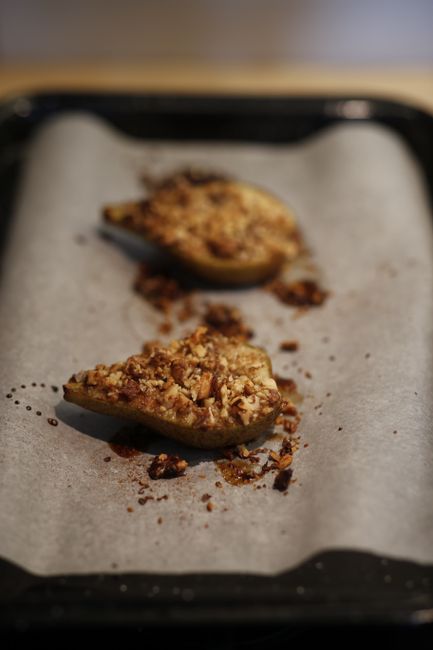
The Ultimate Guide to Apple and Pear Crumble: From Orchard to Oven
Apple and pear crumble stands as a testament to the comforting power of simple, seasonal ingredients transformed into a dessert that resonates with warmth and nostalgia. This classic British bake, with its satisfyingly crisp topping encasing tender, caramelized fruit, is a perennial favorite for good reason. Its adaptability, ease of preparation, and universally appealing flavors make it a go-to for family gatherings, cozy evenings, and even impressing dinner guests. This comprehensive guide will delve into every facet of creating the perfect apple and pear crumble, from understanding the ideal fruit choices and mastering the crumb topping to exploring variations and troubleshooting common pitfalls. Whether you’re a novice baker or a seasoned pro looking to refine your technique, this article aims to equip you with the knowledge and confidence to create a truly exceptional crumble.
Choosing the right apples and pears is paramount to a successful crumble. The goal is to select fruits that will soften beautifully without becoming mushy, offering a balance of sweetness and tartness. For apples, consider a combination for complexity. Braeburn, Gala, and Honeycrisp are excellent choices for their firm texture and sweet-tart flavor profile. Granny Smith, while tarter, adds a wonderful sharpness that cuts through the richness of the crumble topping, and it holds its shape exceptionally well. Avoid overly soft apples like McIntosh, which can disintegrate into an unappealing pulp. For pears, Conference, Comice, and Bosc are strong contenders. Conference pears offer a good balance of sweetness and a slightly granular texture that softens nicely. Comice pears are intensely sweet and creamy when ripe, but can be a touch too soft if overripe, so aim for firm but yielding. Bosc pears, with their distinctive shape and slightly spicy notes, hold their structure and add an interesting depth of flavor. A blend of apple varieties, or a mix of apples and pears, often yields the most satisfying result, providing a spectrum of textures and tastes. Aim for approximately 1.5 kilograms of fruit in total for a standard 9-inch pie dish or equivalent baking dish.
The preparation of the fruit is straightforward but crucial. Wash, peel, core, and slice the apples and pears into roughly equal-sized pieces, about 1-2 cm thick. Thicker slices will retain more texture, while thinner slices will soften more quickly. Once sliced, toss the fruit immediately with a tablespoon or two of lemon juice to prevent browning, especially important if you’re preparing the fruit ahead of time. The sweetness can be adjusted based on the ripeness of your fruit and your personal preference. Typically, 50-100 grams of granulated sugar will suffice, but you can adjust this up or down. A teaspoon of ground cinnamon is almost always a welcome addition, its warmth complementing the fruit perfectly. Nutmeg, a pinch of ground cloves, or a scattering of fresh ginger can also elevate the flavor profile. For a touch of sophistication, a tablespoon of brandy or Calvados can be added to the fruit mixture, its alcoholic notes evaporating during baking, leaving behind a subtle complexity. Some recipes also advocate for adding a small amount of cornstarch or flour to the fruit mixture, about 1-2 tablespoons, to help thicken any juices released during baking, preventing a watery crumble.
The crumb topping, often referred to as the "crumble" or "crisp," is the star of the show for many. The fundamental ratio for a classic crumble topping is typically 2:1:1 – two parts flour, one part sugar, and one part fat. For a standard recipe, this might translate to 200g plain flour, 100g cold unsalted butter, and 100g caster sugar. However, the beauty of crumble lies in its adaptability. For a sweeter, richer topping, consider using light brown sugar instead of caster sugar, which also imparts a lovely caramel note. Demerara sugar or turbinado sugar can be used for a coarser, more textured finish. The fat is usually unsalted butter, cut into small cubes and chilled. This ensures that when rubbed into the flour and sugar, it creates distinct crumbles rather than a paste. Some bakers opt for a blend of butter and suet for an even crispier, more traditional texture. For a healthier twist, you can reduce the butter and incorporate rolled oats, nuts (such as almonds, walnuts, or pecans), or seeds.
The technique for creating the crumble topping is simple but requires attention. In a large bowl, combine the flour and sugar. Add the cold, cubed butter. Using your fingertips, rub the butter into the flour and sugar mixture until it resembles coarse breadcrumbs. The key here is to work quickly and lightly, using just the tips of your fingers. Overworking the mixture will melt the butter too much, leading to a tougher, less crumbly topping. You want to see distinct pieces of butter coated in flour. Some prefer to use a food processor for this step, pulsing the ingredients together until the desired texture is achieved. Be careful not to over-process, as this can also result in a paste. Once you have achieved the breadcrumb consistency, you can add any optional ingredients like oats or nuts at this stage, gently mixing them in.
Preheating your oven is a crucial step for any baking, and crumble is no exception. A moderately hot oven, typically around 180°C (160°C fan/350°F/Gas Mark 4), is ideal for baking apple and pear crumble. This temperature allows the fruit to soften and caramelize beautifully while ensuring the crumble topping becomes golden brown and wonderfully crisp. Select a suitable baking dish. A ceramic or glass pie dish is traditional, but a cast-iron skillet or a sturdy ovenproof casserole dish will also work effectively. Lightly grease your chosen dish with butter or oil to prevent sticking.
Once your fruit and crumble topping are prepared, it’s time to assemble. Arrange the prepared fruit mixture evenly in the bottom of your greased baking dish. If you’ve added sugar and spices to the fruit, ensure it’s evenly distributed. Then, generously scatter the crumble topping over the fruit, ensuring an even layer. Don’t be afraid to create peaks and valleys with the topping; these will catch the caramelizing juices and create delightful crunchy bits.
The baking time for apple and pear crumble will vary depending on the size and depth of your dish, as well as the type of fruit used. Generally, it will take between 35 to 50 minutes. The crumble is ready when the topping is deeply golden brown and crisp, and you can see the fruit bubbling up around the edges, indicating it’s tender and caramelized. If the topping starts to brown too quickly before the fruit is cooked, you can loosely tent the dish with aluminum foil. Conversely, if the fruit is tender but the topping isn’t quite crisp enough, you can increase the oven temperature slightly for the last 10 minutes or briefly place it under the broiler, watching carefully to prevent burning.
Serving apple and pear crumble is an experience in itself. It is at its absolute best served warm, straight from the oven. The contrast between the warm, soft fruit and the crunchy, sweet topping is what makes this dessert so irresistible. Traditional accompaniments include a generous dollop of vanilla ice cream, which melts into the warm crumble, creating a luscious, creamy texture. Custard, either homemade or from a packet, is another classic pairing, its smooth richness complementing the tartness of the fruit and the sweetness of the topping. Whipped cream, either plain or lightly sweetened, offers a lighter but equally delightful alternative. For those who prefer a more savory element, a drizzle of thick cream or a spoonful of crème fraîche can provide a sophisticated counterpoint to the sweetness.
The beauty of apple and pear crumble lies in its endless potential for customization and variation. Beyond the classic cinnamon, consider other spice combinations: cardamom and ginger for a fragrant twist, or star anise and orange zest for a more exotic flavor. Adding a handful of dried cranberries or sultanas to the fruit mixture can introduce bursts of chewiness and tartness. For a nutty crunch, incorporate chopped pecans, walnuts, or almonds into the crumble topping. A sprinkle of desiccated coconut can add a tropical note. For a gluten-free crumble, substitute the plain flour with a good quality gluten-free flour blend or a mixture of almond flour and oat flour. Ensure your oats, if using, are certified gluten-free. For a dairy-free version, use a plant-based butter substitute or coconut oil in the crumble topping and serve with dairy-free ice cream or cream.
Troubleshooting common crumble issues is part of the learning process. If your crumble topping is too hard, it might be due to overworking the butter, leading to a dense texture, or baking at too low a temperature. If the topping is too soft or greasy, you may have used too much butter or not enough flour. A soggy crumble bottom often indicates that the fruit released too much liquid, which could be mitigated by adding a thickener like cornstarch or flour to the fruit mixture, or by pre-cooking the fruit slightly before assembling the crumble. If the fruit is too tart, increase the sugar in the fruit mixture. If it’s too sweet, rely on the natural tartness of Granny Smith apples or a squeeze of lemon juice to balance it.
Storage and reheating are also important considerations. Once cooled, any leftover apple and pear crumble can be stored in an airtight container in the refrigerator for 2-3 days. Reheating is best done in a moderate oven (around 160°C/325°F) for 10-15 minutes, or until heated through and the topping is crisp again. Microwaving can result in a soft topping, so oven reheating is preferred for optimal texture.
In conclusion, apple and pear crumble is more than just a dessert; it’s a comforting embrace in edible form. Its straightforward nature allows for creative expression, making it a dish that can be both familiar and exciting. By understanding the principles of fruit selection, mastering the crumb topping technique, and embracing the flexibility of this beloved bake, you can consistently produce a dessert that delights the senses and warms the soul. From the satisfying crunch of the topping to the tender sweetness of the fruit, every element of an apple and pear crumble contributes to its enduring appeal, cementing its place as a true classic in the culinary repertoire.


