
Apple Flavored Pot Roast

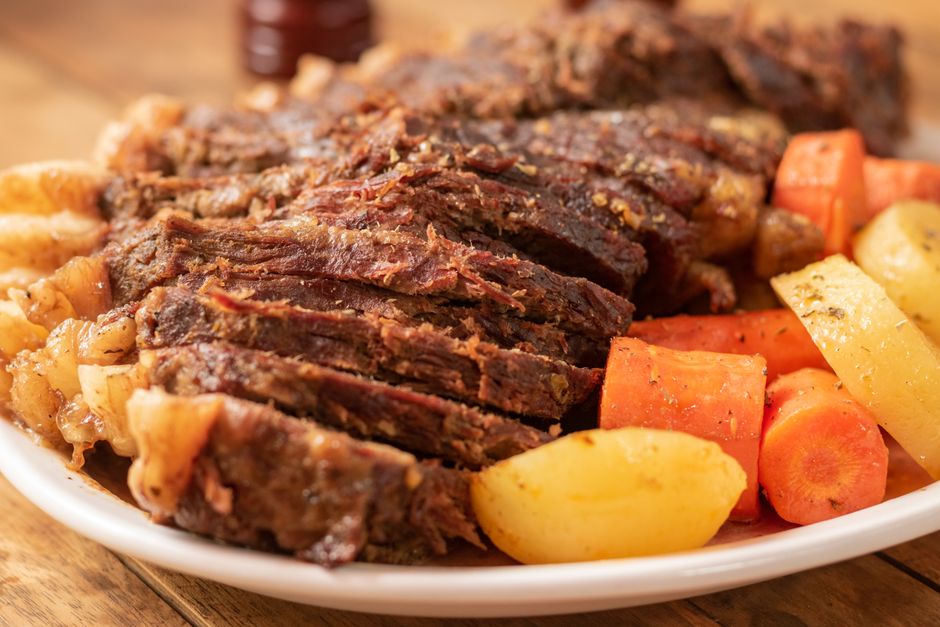
Apple Flavored Pot Roast: A Savory-Sweet Symphony for Your Table
The aromatic allure of pot roast, a comforting cornerstone of home cooking, takes on an enchanting dimension with the subtle, yet impactful addition of apple. This isn’t merely a recipe; it’s an exploration of how fruit can elevate a humble cut of beef into a dish of surprising depth and complexity. The natural sweetness of apples, when slow-cooked with savory aromatics and tender beef, creates a sauce that is both rich and bright, offering a unique flavor profile that transcends the ordinary. This article delves into the intricacies of crafting the perfect apple-flavored pot roast, covering everything from selecting the ideal cut of meat to mastering the slow-cooking process, and exploring variations that cater to diverse palates and dietary needs.
Choosing the Right Cut for Pot Roast Perfection
The foundation of any successful pot roast lies in selecting the appropriate cut of beef. For a dish designed for slow, moist cooking, tougher, less expensive cuts are ideal. These cuts, characterized by their connective tissues and marbling, break down beautifully over extended periods, rendering the meat incredibly tender and succulent. Chuck roast, also known as chuck shoulder or chuck pot roast, is the undisputed champion for this culinary endeavor. Its rich marbling and plentiful collagen contribute to a deeply flavorful and moist final product. Other excellent options include brisket, particularly the flat cut, which offers a dense, beefy flavor and a satisfying chew, and round roast, such as bottom round or rump roast, though these tend to be leaner and require more careful monitoring to prevent drying out. For an apple-flavored pot roast, where the fruit introduces a touch of sweetness, a cut with inherent richness like chuck is particularly well-suited, as it can stand up to and complement the fruity notes without being overpowered. The key is to embrace cuts that benefit from low and slow cooking, allowing time for the muscle fibers to relax and the connective tissues to transform into gelatin, the secret ingredient for melt-in-your-mouth tenderness.
The Art of Searing: Building Flavor from the Ground Up
Before the slow braise begins, a crucial step in developing the complex flavor profile of any pot roast, including its apple-infused iteration, is searing the meat. This process, often referred to as the Maillard reaction, is where surface browning creates a cascade of delicious compounds. For an apple-flavored pot roast, searing should be performed at a high heat in a heavy-bottomed pot, such as a Dutch oven, with a high smoke point oil like canola or grapeseed. The beef should be thoroughly dried with paper towels before searing, as moisture inhibits browning. Sear each side of the roast until a deep, rich brown crust forms, typically 3-5 minutes per side. This creates a caramelized exterior that will significantly contribute to the depth of the braising liquid. Don’t overcrowd the pot; sear in batches if necessary to ensure proper browning rather than steaming. The fond, those caramelized bits that cling to the bottom of the pot after searing, is pure flavor gold and will be deglazed and incorporated into the sauce, amplifying the savory notes that will beautifully balance the apple’s sweetness.
Aromatics: The Savory Foundation of the Apple-Infused Sauce
While the apple will undoubtedly be a star, the savory aromatics form the essential supporting cast that creates a harmonious flavor profile. Onion, garlic, and celery are the classic trifecta, providing a robust base for the braising liquid. Finely dice or roughly chop these vegetables and sauté them in the same pot used for searing, after removing the beef. Cook them until softened and slightly caramelized, which further deepens their flavor. Carrots, while often served as a root vegetable alongside pot roast, can also be incorporated into the braising liquid to add a subtle sweetness and earthy undertones. Fresh herbs, such as thyme, rosemary, and bay leaves, are essential for infusing the braising liquid with fragrant complexity. Tied together with butcher’s twine, these herbs can be easily removed before serving. The selection and sautéing of these aromatics is a critical step, laying the groundwork for the rich, savory-sweet sauce that will envelop the tender beef.
The Sweet Embrace: Selecting and Incorporating Apples
The choice of apple significantly impacts the final flavor of the pot roast. Not all apples are created equal when it comes to cooking. For a pot roast, opt for apples that hold their shape when cooked and offer a good balance of sweetness and tartness. Granny Smith apples are a classic choice, their tartness cutting through the richness of the beef and providing a bright counterpoint. Fuji and Honeycrisp apples offer a delightful sweetness and a firm texture that holds up well. Gala apples are another good option, providing a more delicate sweetness. Avoid overly mealy apples like Red Delicious, which will disintegrate into mush. Peel, core, and cut the apples into wedges or thick slices. The quantity of apples can be adjusted to personal preference. Some recipes call for just a few, while others embrace a more generous amount for a pronounced apple flavor. These can be added towards the beginning of the braising process to allow their flavors to meld with the savory components, or introduced later to retain a more distinct apple presence.
The Braising Liquid: Bringing it All Together
The braising liquid is the lifeblood of a pot roast, transforming tough cuts into tender delights and infusing them with flavor. For an apple-flavored pot roast, the liquid should be a carefully balanced blend of savory and sweet elements. Beef broth or stock forms the primary liquid base, providing essential beefy undertones. A dry red wine, such as Cabernet Sauvignon or Merlot, adds depth, complexity, and acidity that complements both the beef and the apples. If alcohol is to be avoided, extra beef broth or a non-alcoholic red wine can be substituted. Tomato paste, sautéed with the aromatics, adds a concentrated umami flavor and a touch of acidity. The apples themselves contribute natural juices as they cook, further enriching the liquid. A touch of apple cider or apple cider vinegar can also be incorporated to amplify the apple flavor and add a pleasant tang. The goal is to create a liquid that, when reduced, yields a luscious, flavorful sauce that coats the beef beautifully.
The Slow-Cooked Transformation: Patience Yields Perfection
Once the aromatics are softened, the apples are introduced, and the braising liquid is poured into the pot, it’s time for the magic of slow cooking. The pot roast is typically cooked in a preheated oven at a low temperature, usually between 300°F and 350°F (150°C to 175°C). This gentle heat allows the connective tissues in the meat to break down gradually, rendering it incredibly tender without drying it out. The cooking time will vary depending on the size and thickness of the roast, but generally ranges from 3 to 4 hours. The pot should be covered tightly to trap moisture and steam, creating a humid environment that is crucial for tenderizing the meat. Periodically checking the liquid level and adding more broth or water if it becomes too low is important. The roast is done when it is fork-tender, meaning a fork can be easily inserted and removed with little resistance. The goal is to achieve a texture that is almost shreddable.
Resting and Reducing: The Final Flourishes
After the long, slow braise, the pot roast requires a crucial resting period before serving. Remove the roast from the pot and tent it loosely with foil. This allows the juices to redistribute throughout the meat, ensuring maximum moisture and tenderness. While the roast rests, the braising liquid can be transformed into a luscious sauce. Strain the liquid to remove solids, then return it to the stovetop. Skim off any excess fat that rises to the surface. Simmer the liquid over medium-high heat, reducing it until it reaches your desired consistency. This concentrates the flavors and creates a rich, glossy sauce. For an even smoother sauce, a slurry of cornstarch or flour mixed with a little water can be whisked into the simmering liquid. The reduced sauce should be intensely flavorful, with the savory notes of the beef and aromatics beautifully balanced by the subtle sweetness of the apple.
Serving Suggestions: Elevating the Apple Flavored Pot Roast Experience
The apple-flavored pot roast is a versatile dish that pairs well with a variety of accompaniments. Mashed potatoes are a classic choice, their creamy texture a perfect foil for the rich sauce. Roasted root vegetables, such as potatoes, carrots, and parsnips, also complement the flavors beautifully. A simple green salad with a light vinaigrette can provide a refreshing contrast. For a more traditional presentation, consider serving with buttered noodles or crusty bread for soaking up every last drop of the delicious sauce. Garnish with fresh parsley or chives for a touch of color and freshness. The tender, succulent beef, bathed in the sweet and savory apple-infused sauce, creates a truly memorable dining experience that is both comforting and sophisticated.
Variations and Dietary Adaptations
The beauty of this apple-flavored pot roast lies in its adaptability. For those seeking a more pronounced apple flavor, consider adding a splash of apple cider or a tablespoon of apple butter to the braising liquid. A touch of brown sugar can be added to the sauce during the reduction phase if a sweeter profile is desired. For a spicier kick, a pinch of red pepper flakes can be incorporated with the aromatics.
For dietary considerations, gluten-free diners can omit any flour-based thickeners and rely on natural reduction or a cornstarch slurry. Those seeking a lower-sodium option can use low-sodium beef broth and adjust seasoning accordingly. For a dairy-free meal, ensure that any added fats are plant-based and skip any creamy accompaniments. The core recipe remains a flexible framework that can be adjusted to suit a wide range of preferences and dietary needs.
Conclusion: A Symphony of Savory and Sweet
The apple-flavored pot roast is more than just a meal; it’s a testament to the power of simple ingredients to create extraordinary flavor. By understanding the fundamental techniques of searing, slow-cooking, and sauce reduction, and by thoughtfully incorporating the delicate sweetness of apples, one can craft a dish that is both deeply satisfying and surprisingly nuanced. This savory-sweet symphony is a testament to the enduring appeal of home-cooked comfort food, elevated to new heights through the thoughtful inclusion of nature’s bounty.


