Garlic Seasoned Baked Pork Chops
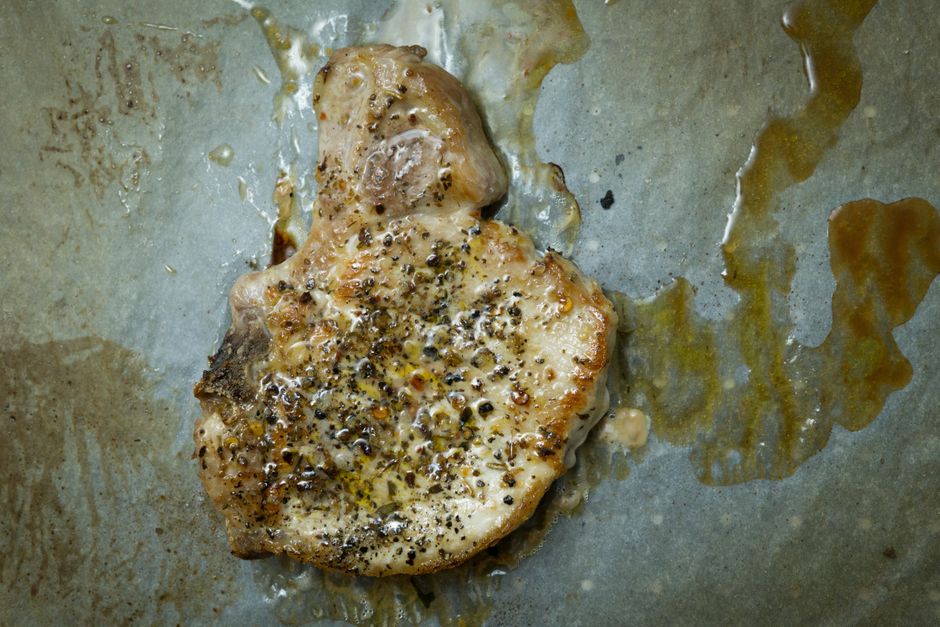
Garlic Seasoned Baked Pork Chops: A Flavorful and Foolproof Recipe
Garlic seasoned baked pork chops represent a cornerstone of simple yet deeply satisfying home cooking. This dish, characterized by its tender, succulent pork infused with the pungent aroma and savory depth of garlic, offers a versatile foundation for countless mealtime variations. The baking method ensures even cooking, minimizes cleanup, and allows for a hands-off approach once prepped, making it an ideal choice for weeknight dinners or casual entertaining. The key to exceptional garlic baked pork chops lies in both the quality of the pork and the careful layering of garlic and complementary seasonings.
Understanding Pork Chop Cuts for Baking
Selecting the right pork chop cut is paramount for achieving the desired texture and flavor in baked pork chops. The most popular and well-suited cuts for baking include the bone-in or boneless pork loin chop, the rib chop (also known as pork porterhouse or T-bone chop), and the tenderloin. Pork loin chops, typically 1 to 1.5 inches thick, offer a good balance of lean meat and fat, resulting in juicy and flavorful results. The bone-in variety, while potentially taking slightly longer to cook, imparts additional flavor and moisture due to the marrow within the bone. Rib chops, distinguished by the T-shaped bone, offer a richer, more marbled texture and are often more tender. Pork tenderloin, the most tender cut, cooks very quickly and can easily become dry if overcooked; however, it excels when infused with bold flavors like garlic. For this recipe, a standard bone-in or boneless pork loin chop, at least 1 inch thick, is recommended for optimal results and ease of preparation. Thinner chops are prone to drying out during the baking process, so thicker cuts are a safer bet for tender, juicy pork. Consider the fat cap: a moderate fat cap on the edge of the chop will render during baking, basting the meat and contributing to its moisture and flavor. Trimming excess fat is permissible, but leaving some ensures succulence.
The Crucial Role of Garlic in Flavor Development
Garlic, the star of this dish, is not merely an addition but a transformative ingredient that infuses the pork with its characteristic pungency and sweet, savory undertones when roasted. The method of incorporating garlic significantly impacts its flavor profile. For baked pork chops, a combination of fresh minced garlic and garlic powder is often employed. Freshly minced garlic, when applied directly to the surface of the pork, caramelizes and softens during baking, releasing a potent, aromatic essence. Its flavor is more vibrant and nuanced. Garlic powder, on the other hand, provides a more consistent and pervasive garlic flavor throughout the chop. It can be blended with other dry seasonings for an even distribution. Roasting whole garlic cloves alongside the pork chops is another highly effective method. As the cloves roast, their sharp bite mellows into a sweet, creamy, and spreadable paste that can be enjoyed with the pork or incorporated into pan sauces. For this recipe, a generous amount of fresh minced garlic, rubbed directly into the surface of the pork and into any crevices, will form the primary flavor base. Additionally, a touch of garlic powder mixed with other dry seasonings will ensure a well-rounded garlic presence. The quantity of garlic is subjective; however, for a pronounced garlic flavor, do not shy away from using ample amounts of both fresh and powdered garlic.
Essential Seasonings and Marinades for Pork Chops
Beyond garlic, a thoughtfully selected blend of seasonings enhances the overall flavor profile of baked pork chops. Salt and freshly ground black pepper are foundational, enhancing the natural flavors of the pork and providing a crucial contrast. A good quality sea salt or kosher salt is preferred for its texture and ability to draw out moisture, aiding in a better sear (though searing is not the primary focus of this baked method, salt still plays a vital role). Freshly ground black pepper offers a more pungent and aromatic kick than pre-ground pepper. Other complementary seasonings include dried herbs such as rosemary, thyme, or oregano. These herbs, with their earthy and slightly peppery notes, pair exceptionally well with pork. Paprika, either sweet or smoked, adds a subtle sweetness and a beautiful reddish hue to the finished dish. A pinch of cayenne pepper or red pepper flakes can introduce a touch of heat for those who enjoy a spicier profile. For a more intense flavor infusion and to tenderize the meat further, a simple marinade can be employed. A basic marinade might consist of olive oil, minced garlic, lemon juice or vinegar (for acidity), soy sauce (for umami), and a blend of dried herbs and spices. The acidity in the marinade helps to break down the muscle fibers of the pork, making it more tender. However, for this recipe focused on baked pork chops with direct garlic seasoning, we will primarily rely on a dry rub for simplicity and to allow the garlic’s flavor to shine through without being masked by a complex liquid marinade.
Prepping the Pork Chops for Optimal Baking
Proper preparation of the pork chops before baking is crucial for achieving tender, evenly cooked results. Begin by patting the pork chops thoroughly dry with paper towels. This step is essential for allowing the seasonings to adhere properly and for promoting a slightly crisper exterior during baking, even without searing. Next, trim any excessive fat from the edges of the chops, leaving a thin layer of fat to render and baste the meat during cooking. This fat cap contributes significantly to the juiciness and flavor. For bone-in chops, if there’s a particularly thick silver skin (a thin, connective tissue membrane), it can be carefully trimmed away using a sharp knife to prevent the chop from curling during cooking and to allow seasonings to penetrate better.
The "Garlic Rub" is where the magic happens. In a small bowl, combine minced fresh garlic (ensure it’s finely minced for maximum surface area contact), garlic powder, salt, freshly ground black pepper, and any other desired dried herbs or spices (e.g., dried rosemary, thyme, paprika). Gently rub this mixture all over the surface of each pork chop, pressing it into the meat. Pay special attention to any nooks and crannies, ensuring an even coating. For an extra boost of garlic flavor, consider making small incisions into the flesh of the pork chop with a sharp knife and inserting slivers of garlic. This technique allows the garlic to permeate deeper into the meat. Allow the seasoned pork chops to rest at room temperature for about 20-30 minutes before baking. This allows the salt to begin its work, drawing out some moisture to the surface where it mixes with the seasonings, creating a flavorful brine that is reabsorbed by the meat, leading to a more tender and juicy final product. This resting period also ensures that the pork chops begin cooking at a more even temperature, reducing the risk of an overcooked exterior and undercooked interior.
The Baking Process: Temperature, Time, and Technique
Baking pork chops at the correct temperature and for the appropriate duration is critical for achieving a tender, juicy, and perfectly cooked result. For garlic seasoned baked pork chops, a moderate oven temperature of 375°F (190°C) is generally recommended. This temperature allows the pork to cook through evenly without drying out the exterior too quickly. Overly high temperatures can lead to tough, dry chops, while too low a temperature can result in a lengthy cooking time and potentially less desirable texture.
The cooking time will vary depending on the thickness of the pork chops and whether they are bone-in or boneless. As a general guideline, for 1-inch thick pork chops, plan for approximately 20-25 minutes of baking time. Thicker chops (1.5 inches or more) may require 30-35 minutes. Bone-in chops might take a few minutes longer than their boneless counterparts. The most accurate way to determine doneness is by using a meat thermometer. Pork is safely cooked and at its most tender when it reaches an internal temperature of 145°F (63°C) at the thickest part of the chop, away from the bone. It is crucial to remove the pork chops from the oven when they reach this temperature, as they will continue to cook slightly from residual heat (carryover cooking) while resting.
Placement in the oven is also important. Baking the pork chops on a rimmed baking sheet lined with parchment paper or aluminum foil will facilitate easy cleanup and prevent any drippings from burning onto the pan. For optimal air circulation and even cooking, ensure the pork chops are not overcrowded on the baking sheet. Leave some space between each chop. If using, a wire rack placed on top of the baking sheet can elevate the chops, allowing hot air to circulate all around them, promoting a more even cook and potentially a slightly crisper exterior. During the latter half of the baking time, consider basting the pork chops with any accumulated juices in the pan, or with a little extra melted butter or olive oil infused with garlic, to further enhance moisture and flavor.
Resting: The Unsung Hero of Juicy Pork
The resting period after baking is arguably as important as the cooking itself for achieving succulent, tender pork chops. Once the pork chops reach their target internal temperature of 145°F (63°C), remove them from the oven and transfer them to a clean plate or a cutting board. Tent them loosely with aluminum foil. This crucial step allows the juices within the meat, which have been driven towards the center during cooking, to redistribute themselves throughout the chop. If you were to cut into the pork chops immediately after removing them from the oven, a significant amount of these flavorful juices would escape onto the plate, leaving the meat dry and less palatable.
The resting time should be at least 5-10 minutes for thinner chops and 10-15 minutes for thicker cuts. During this period, the internal temperature will rise an additional few degrees, ensuring the pork is fully cooked and safe to consume. Do not skip this step. The visual cue of juices pooling on the plate is a direct indicator of a missed resting opportunity. The tenting with foil is important to keep the pork warm without continuing to cook it significantly. The gentle warmth trapped by the foil helps to complete the redistribution of juices.
Serving Suggestions and Pairings
Garlic seasoned baked pork chops are incredibly versatile and can be paired with a wide array of side dishes to create complete and satisfying meals. For a classic pairing, consider starchy accompaniments such as creamy mashed potatoes, roasted root vegetables (like carrots, parsnips, and potatoes), or a fluffy pilaf. The richness of these starches complements the savory pork beautifully. Green vegetables also provide a welcome contrast in both flavor and texture. Steamed or roasted broccoli, asparagus, green beans, or a simple side salad dressed with a light vinaigrette are excellent choices. The bright, fresh flavors of these vegetables cut through the richness of the pork.
For those seeking a more elevated dining experience, consider a pan sauce. After removing the pork chops to rest, you can deglaze the baking pan with a splash of white wine, chicken broth, or even apple cider. Add a knob of butter, some fresh herbs, and a bit more minced garlic to create a flavorful sauce to drizzle over the chops. This adds another layer of complexity and moisture to the dish.
A simple side of applesauce or a cranberry-orange relish can also provide a sweet and tangy counterpoint to the savory garlic pork. For a complete meal, consider serving the pork chops alongside a grain like quinoa or farro. The nutty flavor and chewy texture of these grains offer a wholesome and satisfying accompaniment. The robust garlic flavor of the pork also stands up well to hearty accompaniments like a simple lentil salad or a cauliflower gratin. Ultimately, the best pairings depend on personal preference and the desired meal profile.
Variations and Tips for Elevated Flavor
While the basic garlic seasoned baked pork chop recipe is delicious on its own, several variations and tips can elevate the flavor and texture. For an even deeper garlic infusion, consider making a garlic herb butter. Soften unsalted butter and mix in finely minced fresh garlic, chopped fresh herbs (rosemary, thyme, parsley), a pinch of salt, and a squeeze of lemon juice. Dollop this butter on top of the pork chops during the last few minutes of baking, allowing it to melt and baste the meat. This creates an incredibly rich and aromatic topping.
For a touch of sweetness and complexity, incorporate a glaze during the final stages of baking. A mixture of honey or maple syrup, Dijon mustard, and a splash of apple cider vinegar can be brushed onto the pork chops for the last 5-10 minutes of cooking. This creates a beautiful sticky, caramelized exterior.
To add a smoky dimension, use smoked paprika in your dry rub, or consider adding a few strips of bacon to the baking sheet alongside the pork chops, allowing their rendered fat to flavor the pork. Another method for enhancing tenderness and flavor is to brine the pork chops beforehand. A simple brine can consist of water, salt, sugar, and aromatics like garlic cloves, peppercorns, and bay leaves. Submerging the pork chops in the brine for a few hours before seasoning and baking can significantly improve their juiciness and overall flavor.
If you have bone-in chops, don’t neglect the flavor potential of the bone. As mentioned earlier, the marrow within the bone adds depth. After cooking, the bone itself can be removed and used to enrich stocks or sauces. For a more rustic presentation, consider serving the pork chops family-style directly from the baking sheet. Ensure the baking sheet is attractive and heat-resistant.
Troubleshooting Common Issues
One common issue with baking pork chops is dryness. This is often due to overcooking or using cuts that are too lean or too thin. Always use a meat thermometer to ensure you are removing the chops at the correct internal temperature of 145°F (63°C). Resting is also crucial for preventing dryness. If your pork chops seem a bit bland, it often means the salt content was insufficient or the garlic was not evenly distributed. Ensure you are using an adequate amount of salt and pressing the garlic rub firmly into the meat.
If the garlic burns during baking, it may be due to a too-high oven temperature or the garlic being minced too finely and exposed directly to intense heat for too long. Reducing the oven temperature slightly or ensuring the garlic is well-mixed with other ingredients in the rub can help prevent burning. For very thin pork chops, consider reducing the baking time or wrapping them loosely in foil for part of the cooking process to protect them from overcooking. If the exterior of the pork chops is browning too quickly before the interior is cooked, loosely tenting them with aluminum foil for the remainder of the baking time can help regulate the temperature.
The beauty of garlic seasoned baked pork chops lies in their inherent simplicity and the profound flavor that garlic imparts. By understanding the cuts, the role of the star ingredient, and employing proper cooking and resting techniques, you can consistently produce a dish that is both crowd-pleasing and deeply satisfying. This recipe serves as an excellent foundation for exploring various flavor profiles and side dish combinations, making it a true kitchen staple.