
Baked Salmon Fillets Dijon

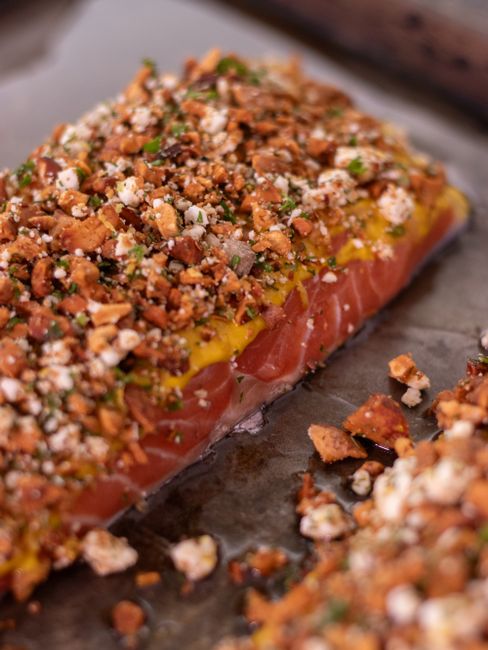
Baked Salmon Fillets Dijon: A Culinary Masterpiece for Health and Flavor
Baked salmon fillets Dijon represent a pinnacle of simple yet sophisticated cooking, harmoniously blending the inherent richness of salmon with the sharp, tangy notes of Dijon mustard. This dish is not merely a meal; it’s an accessible gateway to a world of culinary satisfaction, offering a potent combination of health benefits and exquisite taste. Salmon, a fatty fish, is renowned for its high concentration of omega-3 fatty acids, essential for cardiovascular health, brain function, and reducing inflammation. Dijon mustard, a condiment derived from mustard seeds and vinegar, adds a delightful zest and depth without overwhelming the delicate flavor of the fish. The baking method itself is a testament to efficiency and flavor preservation, allowing the salmon to cook evenly while the mustard glaze caramelizes, creating a beautiful crust and infusing every morsel with its characteristic bite. This article will explore the multifaceted appeal of baked salmon fillets Dijon, delving into its nutritional advantages, the science behind its flavor profile, detailed preparation techniques, ingredient selection, variations, and its rightful place as a staple in both everyday meals and special occasions.
The Nutritional Powerhouse: Why Salmon and Dijon?
The health benefits of incorporating baked salmon fillets Dijon into your diet are substantial and well-documented. Salmon, particularly fatty varieties like Atlantic, Sockeye, and King salmon, is a superlative source of omega-3 polyunsaturated fatty acids, specifically EPA (eicosapentaenoic acid) and DHA (docosahexaenoic acid). These essential fats are crucial for numerous bodily functions. They play a vital role in maintaining a healthy heart by helping to lower blood pressure, reduce triglycerides, and prevent the formation of blood clots. Furthermore, omega-3s are fundamental building blocks for brain health, supporting cognitive function, memory, and even playing a role in mood regulation. Research suggests a correlation between regular omega-3 intake and a reduced risk of age-related cognitive decline and neurodegenerative diseases. Beyond heart and brain health, omega-3s possess potent anti-inflammatory properties, which can be beneficial for individuals suffering from chronic inflammatory conditions such as arthritis. Salmon is also an excellent source of high-quality protein, which is essential for muscle repair and growth, immune function, and maintaining satiety. It provides a complete amino acid profile, meaning it contains all nine essential amino acids that the body cannot produce on its own. Additionally, salmon is a good source of various B vitamins (B12, niacin, B6, riboflavin) which are critical for energy production and nervous system function, as well as selenium, an antioxidant that helps protect cells from damage.
Dijon mustard, while less calorically dense than salmon, contributes its own array of nutritional merits. It is typically made from mustard seeds, vinegar, water, salt, and sometimes white wine or other flavorings. The mustard seeds themselves contain minerals like selenium and magnesium, and are a source of fiber. The vinegar base adds a negligible amount of calories but provides a pleasant acidity. The primary contribution of Dijon mustard to this dish, however, is its flavor and its potential to aid digestion. The compound allyl isothiocyanate, present in mustard, is believed to stimulate digestive juices. Moreover, Dijon mustard is a low-calorie flavor enhancer, allowing for a rich and satisfying taste experience without significantly increasing the overall fat or calorie content of the dish. The synergy between the nutrient-dense salmon and the zesty, low-calorie Dijon mustard creates a meal that is both exceptionally healthy and remarkably flavorful, a winning combination for conscious eaters.
The Science of Flavor: Unlocking the Dijon-Salmon Symphony
The appeal of baked salmon fillets Dijon lies not just in its individual components but in the alchemical reaction that occurs during the cooking process. The Maillard reaction, a complex chemical process responsible for the browning of food, plays a significant role. When salmon is baked with a Dijon glaze, the sugars in the mustard and any added sweeteners interact with the amino acids in the fish at elevated temperatures. This creates hundreds of new flavor compounds, contributing to the characteristic golden-brown crust and a richer, more complex taste profile. The sharp, pungent notes of the Dijon mustard, derived from glucosinolates in the mustard seeds, mellow and transform during baking. The volatile organic compounds responsible for its initial acridity partially break down, allowing the subtler, more nuanced flavors to emerge.
The acidity of the vinegar in Dijon mustard also plays a crucial role. It helps to tenderize the salmon slightly, contributing to a more succulent texture. Furthermore, the acidity acts as a flavor enhancer, cutting through the richness of the salmon and preventing it from becoming too heavy on the palate. When combined with herbs and other aromatics, as is common in Dijon-based marinades or glazes, the mustard acts as a binder and a flavor conduit, ensuring that these additional elements are evenly distributed and effectively infused into the fish. The heat of the oven then works to evaporate excess moisture from the glaze, concentrating the flavors and creating that desirable sticky, slightly caramelized coating. The contrast between the flaky, moist interior of the salmon and the savory, slightly crisp exterior of the Dijon crust is a textural masterpiece that elevates the entire dining experience.
Mastering the Method: Perfecting Baked Salmon Fillets Dijon
Achieving perfectly baked salmon fillets Dijon requires attention to a few key details. The foundation of this dish is high-quality salmon. Opt for fresh, vibrant fillets, ideally skin-on, as the skin helps to keep the fish moist and can become wonderfully crispy during baking. Common choices include Atlantic salmon for its readily available fat content and mild flavor, or Sockeye for its richer color and more robust taste.
The preparation of the Dijon glaze is where personal preference and creativity come into play. A basic yet highly effective glaze can be made by whisking together Dijon mustard (whole grain or smooth, depending on texture preference), a touch of olive oil or melted butter for richness, a squeeze of lemon juice for brightness, and a pinch of salt and black pepper. For added complexity, consider incorporating minced garlic, finely chopped fresh herbs like dill, parsley, or thyme, a dash of honey or maple syrup to complement the tang of the mustard, or even a splash of white wine. The consistency of the glaze is important; it should be thick enough to adhere to the salmon without being overly liquid.
Preheating the oven is essential for even cooking. A temperature of around 400°F (200°C) is generally ideal, providing enough heat for the salmon to cook through efficiently while allowing the glaze to caramelize. Prepare a baking sheet by lining it with parchment paper or aluminum foil for easy cleanup. Arrange the salmon fillets on the prepared baking sheet, ensuring they are not overcrowded. Generously brush or spoon the Dijon glaze over the top of each fillet, ensuring complete coverage.
The baking time will vary depending on the thickness of the salmon fillets. For fillets approximately one inch thick, expect cooking times to range from 12 to 18 minutes. The salmon is cooked when it flakes easily with a fork and the internal temperature reaches 145°F (63°C). Overcooking is the most common pitfall, leading to dry, unappetizing fish. It is always better to err on the side of slightly undercooked, as the residual heat will continue to cook the salmon as it rests.
Serving suggestions for baked salmon fillets Dijon are numerous. They pair exceptionally well with a variety of side dishes. Roasted asparagus, steamed green beans, or a simple side salad provide a fresh counterpoint to the richness of the salmon. Creamy mashed potatoes or fluffy rice are excellent for soaking up any delicious pan juices. A dollop of plain Greek yogurt or sour cream can also offer a cooling contrast to the mustard’s tang.
Ingredient Spotlight: The Nuances of Selection
The success of baked salmon fillets Dijon hinges on the quality and type of ingredients used. Selecting the right salmon is paramount. Look for fillets that are firm to the touch, with a bright, translucent appearance. Avoid any fish that appears dull, discolored, or has a strong, unpleasant odor. The fat content varies between salmon species; fattier fish like Atlantic and King salmon will yield a more succulent result, while leaner options like Sockeye can still be delicious with careful cooking.
When it comes to Dijon mustard, the choice between smooth and whole grain can significantly impact the final texture and visual appeal. Smooth Dijon offers a more uniform glaze, while whole grain Dijon provides a delightful textural contrast with its visible mustard seeds. Both will impart the characteristic tangy flavor. The quality of the Dijon also matters; some brands use more robust mustard seeds and higher quality vinegars, resulting in a more complex flavor profile.
Olive oil is a common addition to the glaze, providing healthy monounsaturated fats and a richer mouthfeel. Extra virgin olive oil is preferred for its superior flavor and antioxidant content. Butter can also be used for added richness, though it will contribute more saturated fat. Lemon juice is a crucial component, its acidity brightening the flavors and balancing the richness of the salmon and the pungency of the mustard. Freshly squeezed lemon juice is always superior to bottled varieties.
Fresh herbs elevate the dish from simple to sublime. Dill is a classic pairing with salmon, its feathery fronds offering a light, slightly anise-like flavor. Parsley, with its clean, peppery notes, and thyme, with its earthy aroma, are also excellent choices. When using dried herbs, remember to use them sparingly, as their flavor is more concentrated than fresh. Garlic, whether minced fresh or in powder form, adds a pungent depth that complements the Dijon.
Sweeteners like honey or maple syrup are optional but can be a wonderful addition to the glaze. They temper the sharp acidity of the mustard and contribute to a beautiful caramelization during baking. The choice between honey and maple syrup can subtly alter the final flavor profile, with maple syrup offering a more distinct caramel note.
Variations on a Theme: Expanding the Dijon Salmon Repertoire
While the classic baked salmon fillets Dijon is undeniably delicious, there are numerous ways to customize and elevate this foundational recipe. One popular variation involves incorporating a breadcrumb topping. After glazing the salmon with Dijon, sprinkle a mixture of panko breadcrumbs, melted butter, and grated Parmesan cheese over the top. This creates a wonderfully crunchy crust that contrasts beautifully with the tender fish.
For those who enjoy a bit of heat, adding a pinch of cayenne pepper, red pepper flakes, or a dash of hot sauce to the Dijon glaze can provide a welcome kick. A touch of smoked paprika can introduce a subtle smoky undertone that complements the richness of the salmon.
Experimenting with different herbs and spices opens up a world of flavor possibilities. Rosemary, with its piney aroma, pairs well with salmon. A touch of curry powder can transform the dish into an Indian-inspired delight. For a Mediterranean twist, consider adding finely chopped sun-dried tomatoes, Kalamata olives, and a sprinkle of oregano to the glaze.
Lemon and herb variations are also highly effective. Instead of just lemon juice, incorporate finely grated lemon zest for a more intense citrus aroma. Combining dill with lemon and Dijon is a tried-and-true combination, but exploring other fresh herb pairings like chives, tarragon, or cilantro can yield exciting new flavor profiles.
Another interesting approach is to use different types of mustard. While Dijon is the star, a blend of Dijon and whole grain mustard can offer a more pronounced mustard flavor and interesting textural elements. A touch of honey mustard can add a sweeter, milder note, though it will alter the classic Dijon profile.
For a richer, more decadent glaze, consider incorporating a tablespoon or two of heavy cream or crème fraîche into the Dijon mixture. This will result in a creamier sauce that coats the salmon beautifully.
Consider a "deconstructed" approach by serving the baked salmon fillets Dijon alongside a small bowl of extra Dijon sauce for dipping. This allows diners to control the intensity of the mustard flavor.
Presentation matters, and garnishes can significantly enhance the visual appeal of baked salmon fillets Dijon. A sprinkle of fresh dill, a few lemon wedges, or a scattering of toasted slivered almonds can add both color and texture.
The Versatility of Baked Salmon: Beyond the Weeknight Meal
Baked salmon fillets Dijon transcend the boundaries of a simple weeknight dinner, proving its versatility for various culinary occasions. Its elegance and relatively quick preparation time make it an ideal choice for entertaining guests. A beautifully baked fillet, artfully plated with vibrant side dishes, presents a sophisticated and impressive main course that requires minimal stress in the kitchen.
For casual gatherings, such as a brunch or a light lunch, baked salmon fillets Dijon can be served chilled or at room temperature. It pairs wonderfully with a crisp green salad, crusty bread, and perhaps a light pasta salad. The versatility of the dish also lends itself to creative leftover transformations. Flaked baked salmon can be incorporated into salads, pasta dishes, or used to create salmon cakes or patties.
The inherent health benefits of salmon also make this dish a fantastic option for meal prepping. Individual fillets can be baked and then portioned for lunches throughout the week. Stored properly in airtight containers, they will maintain their quality and flavor for several days, offering a nutritious and satisfying meal option on demand.
In conclusion, baked salmon fillets Dijon is a culinary triumph that marries exceptional health benefits with an undeniably delicious flavor profile. From the omega-3 rich salmon to the zesty Dijon mustard, each component plays a vital role in creating a dish that is both nourishing and gratifying. The straightforward baking method, coupled with the endless possibilities for customization, ensures that this recipe can be adapted to suit any palate or occasion. Whether you are a seasoned home cook or a novice in the kitchen, mastering baked salmon fillets Dijon is an investment in your culinary repertoire and a step towards a healthier, more flavorful diet. Its enduring appeal lies in its simplicity, its healthfulness, and its ability to consistently deliver a satisfying and memorable dining experience.


