
Basic Cream Cheese Frosting

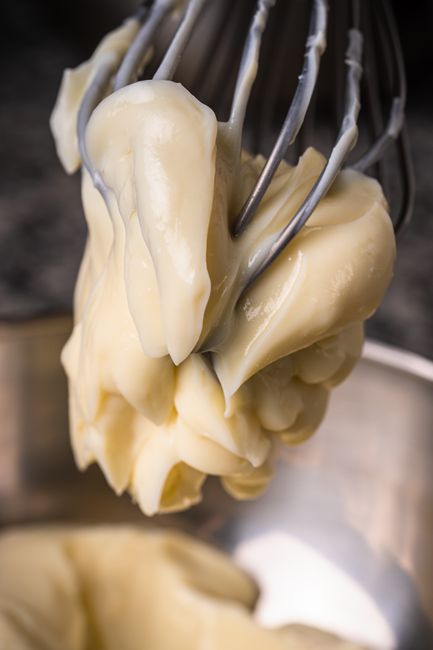
The Ultimate Guide to Mastering Basic Cream Cheese Frosting: Flavor, Texture, and Versatility
Cream cheese frosting, a beloved and versatile condiment, elevates a wide array of baked goods from ordinary to exceptional. Its distinctive tangy flavor, creamy texture, and ability to complement both sweet and savory profiles make it a staple in kitchens worldwide. This comprehensive guide delves into the fundamental principles of creating perfect basic cream cheese frosting, exploring ingredient selection, precise ratios, crucial technique, troubleshooting common issues, and its expansive applications. Understanding these core elements empowers bakers of all skill levels to consistently produce a superior frosting that enhances any dessert. The foundation of excellent cream cheese frosting lies in the quality and type of ingredients used. The star ingredient, cream cheese, dictates much of the final product’s flavor and texture. Full-fat, block-style cream cheese is non-negotiable for achieving the desired richness and stability. Low-fat or spreadable cream cheese varieties contain more water and stabilizers, leading to a thinner, less stable frosting that may weep or separate. The fat content is paramount for creating that characteristic smooth, dense, and luxurious mouthfeel. Always opt for the full-fat, brick-shaped cream cheese, and ensure it is softened to room temperature. This softening process is critical; it allows the cream cheese to emulsify seamlessly with the butter and sugar, preventing lumps and creating a homogenous mixture. Skipping this step is a common pitfall that results in a grainy or uneven frosting.
Butter serves as the secondary fat in most basic cream cheese frosting recipes, contributing to its richness, flavor, and structural integrity. Unsalted butter is preferred because it allows for precise control over the final saltiness of the frosting. Salt, even in small amounts, enhances the sweetness and complexity of the frosting, balancing the tang of the cream cheese. Using salted butter can lead to an overly salty outcome, particularly if the recipe already includes a pinch of salt. Like cream cheese, butter must also be softened to room temperature. It should be yielding to the touch but not melted. Over-softened or melted butter will create a greasy and unstable frosting, while under-softened butter will lead to lumps and a poorly incorporated mixture. The ideal consistency for both cream cheese and butter is akin to a thick paste or spreadable margarine.
The sweetener in basic cream cheese frosting is predominantly confectioners’ sugar, also known as powdered sugar or icing sugar. This superfine sugar dissolves readily, creating a smooth, lump-free texture. Granulated sugar is unsuitable as it will result in a gritty, unpleasant mouthfeel. The amount of confectioners’ sugar is a crucial variable that influences the frosting’s sweetness and stiffness. A higher ratio of sugar to cream cheese and butter will result in a sweeter and firmer frosting, while a lower ratio will yield a tangier and softer frosting. The general rule of thumb for a balanced flavor and texture is typically a 2:1 ratio of confectioners’ sugar to the combined weight of cream cheese and butter. However, this ratio can be adjusted based on personal preference and the intended application. For instance, if the frosting is destined for a very sweet cake, a slightly less sweet frosting might be desirable. Conversely, for a subtly sweet garnish, a higher sugar content could be appropriate.
Vanilla extract is the quintessential flavoring for cream cheese frosting, providing a warm, aromatic foundation. Pure vanilla extract offers a more nuanced and complex flavor profile compared to imitation vanilla. The quality of your vanilla extract will directly impact the overall taste of the frosting. Other extracts, such as almond extract or lemon extract, can be used to introduce different flavor dimensions, but pure vanilla extract is the classic choice for a reason. The amount of vanilla extract can also be adjusted to taste. A standard recipe might call for one teaspoon, but a baker may prefer to add a little more for a pronounced vanilla note or less if other strong flavors are present in the baked good.
A pinch of salt is often included in cream cheese frosting recipes. While it might seem counterintuitive to add salt to a sweet frosting, it plays a vital role in enhancing the other flavors. Salt acts as a flavor amplifier, balancing the sweetness of the confectioners’ sugar and brightening the tang of the cream cheese. It prevents the frosting from tasting one-dimensionally sweet and adds a subtle depth. The amount of salt should be minimal, typically no more than 1/8 to 1/4 teaspoon for a standard batch.
The technique for creating perfect basic cream cheese frosting is as important as the ingredients themselves. The process begins with creaming the softened cream cheese and butter. This is best achieved using an electric mixer, either a stand mixer with a paddle attachment or a handheld mixer. Start by beating the softened cream cheese and butter together on medium speed until they are thoroughly combined and form a smooth, homogenous mixture. This initial creaming stage is crucial for incorporating air, which contributes to the frosting’s lightness and fluffiness. Scrape down the sides of the bowl frequently to ensure all ingredients are evenly incorporated.
Once the cream cheese and butter are smoothly creamed, gradually add the confectioners’ sugar. It is best to add the sugar in stages, about a cup at a time, while the mixer is on low speed. This prevents a cloud of powdered sugar from erupting from the bowl and allows the sugar to be incorporated without overwhelming the motor or causing lumps. Continue to beat until each addition of sugar is fully incorporated before adding the next. As the sugar is added, the frosting will begin to thicken. Once all the confectioners’ sugar has been added, increase the mixer speed to medium-high and beat for an additional 2-3 minutes. This prolonged beating helps to further aerate the frosting, making it light and fluffy, and ensures a smooth, lump-free consistency. During this stage, the frosting should become noticeably lighter in color and increase in volume.
Finally, stir in the vanilla extract and the pinch of salt. It’s best to do this by hand or on the lowest mixer speed to avoid overmixing, which can lead to a greasy texture. Taste the frosting at this point and adjust the sweetness or tang as needed by adding more confectioners’ sugar or a touch more cream cheese (though adding more cream cheese will soften the frosting).
Troubleshooting common issues is an essential part of mastering cream cheese frosting. One of the most frequent problems is a lumpy or grainy frosting. This is almost always due to unsoftened cream cheese or butter, or insufficient beating. If you encounter lumps, try beating the frosting for an extended period at medium-high speed. If the lumps persist, you can try sifting the frosting through a fine-mesh sieve, though this is labor-intensive. Prevention, through proper softening and thorough beating, is the best strategy.
A runny or weeping frosting is another common problem. This can occur if too much liquid is introduced, if the cream cheese or butter was too soft, or if the frosting is too warm. Ensure your cream cheese and butter are properly softened, not melted. If the frosting is too warm, refrigerate it for 15-30 minutes, then re-whip it. Avoid adding any additional liquid unless absolutely necessary and only in very small increments. If the frosting is consistently too thin, you can try adding more confectioners’ sugar, but do so cautiously to avoid making it overly sweet.
Another issue can be a frosting that is too stiff. This is usually due to too much confectioners’ sugar or over-beating after the sugar has been added. To thin a stiff frosting, you can add a very small amount of milk or cream, a teaspoon at a time, beating until the desired consistency is reached. Be extremely careful not to add too much liquid.
The versatility of basic cream cheese frosting is one of its greatest assets. While it is famously paired with carrot cake, red velvet cake, and cinnamon rolls, its applications extend far beyond these classic pairings. It’s an excellent frosting for cupcakes, particularly those with chocolate, spice, or fruit flavors. It provides a delightful contrast to the sweetness and richness of many cakes. For sheet cakes, it offers a beautiful and flavorful finish that is easier to spread evenly than some buttercream frostings.
Beyond cakes and cupcakes, cream cheese frosting can be used as a filling for pastries, crepes, and even as a dollop on fruit-based desserts. Its tangy profile cuts through the richness of pies and tarts, offering a refreshing counterpoint. For cookies, it can be piped as a decorative element or spread between two cookies for a cream cheese-filled sandwich cookie. Even savory applications are possible. A lightly sweetened cream cheese frosting can be used as a spread on bagels or as a base for a sweet and savory dip.
Flavor variations are simple to implement. Infusing extracts beyond vanilla is straightforward. Lemon zest or a few drops of lemon extract can create a bright, citrusy frosting perfect for lemon-poppy seed cake or blueberry muffins. Almond extract complements cherry or raspberry flavors beautifully. For a richer, more decadent frosting, melted and slightly cooled chocolate can be incorporated, creating a chocolate cream cheese frosting that is ideal for chocolate cakes or brownies. Spices like cinnamon, nutmeg, or ginger can be added for a warming flavor profile, making it perfect for spiced cakes or gingerbread. A small amount of fruit puree, such as strawberry or raspberry, can also be incorporated for a fruity twist, though it’s crucial to ensure the puree is well-drained to avoid adding too much moisture.
For a creamier, less sweet frosting, consider reducing the amount of confectioners’ sugar and adding a touch of heavy cream or milk. Conversely, for a firmer frosting that holds its shape well for piping intricate designs, increase the ratio of confectioners’ sugar to cream cheese and butter, and ensure all ingredients are cold when whipping, though this can sometimes lead to a slightly less smooth texture.
The shelf life of basic cream cheese frosting is also an important consideration. Due to the dairy content of cream cheese, it must be refrigerated. Properly stored in an airtight container in the refrigerator, it can last for 3-4 days. It’s important to note that the texture may change slightly upon refrigeration, often becoming firmer. It can be re-whipped to restore its creamy consistency. For longer storage, cream cheese frosting can be frozen for up to 2-3 months. Thaw it in the refrigerator overnight and then re-whip to ensure smoothness.
In conclusion, mastering basic cream cheese frosting is an achievable goal for any baker. By understanding the role of each ingredient, adhering to proper techniques, and being prepared to troubleshoot, one can consistently create a delicious and versatile frosting. The journey from simple ingredients to a perfectly smooth, tangy, and creamy confection is a testament to the power of fundamental baking principles. Whether as a topping, filling, or a standalone treat, this fundamental frosting offers endless possibilities for enhancing baked goods and delighting palates.


