
Bobs Blue Cheese Dressing

Bob’s Blue Cheese Dressing: A Culinary Deep Dive into Flavor, Versatility, and Market Dominance
Bob’s Blue Cheese Dressing is not merely a condiment; it is a cultural icon in the realm of salad dressings and dips. Its distinctive tangy, creamy, and pungent flavor profile has cemented its place in refrigerators across America, making it a go-to choice for salads, wings, and an array of other culinary applications. This article delves into the multifaceted world of Bob’s Blue Cheese Dressing, exploring its origins, key ingredients, nutritional considerations, widespread uses, and the factors contributing to its enduring market success. Understanding the intricacies of this beloved dressing provides insight into consumer preferences, food trends, and the art of crafting a universally appealing product.
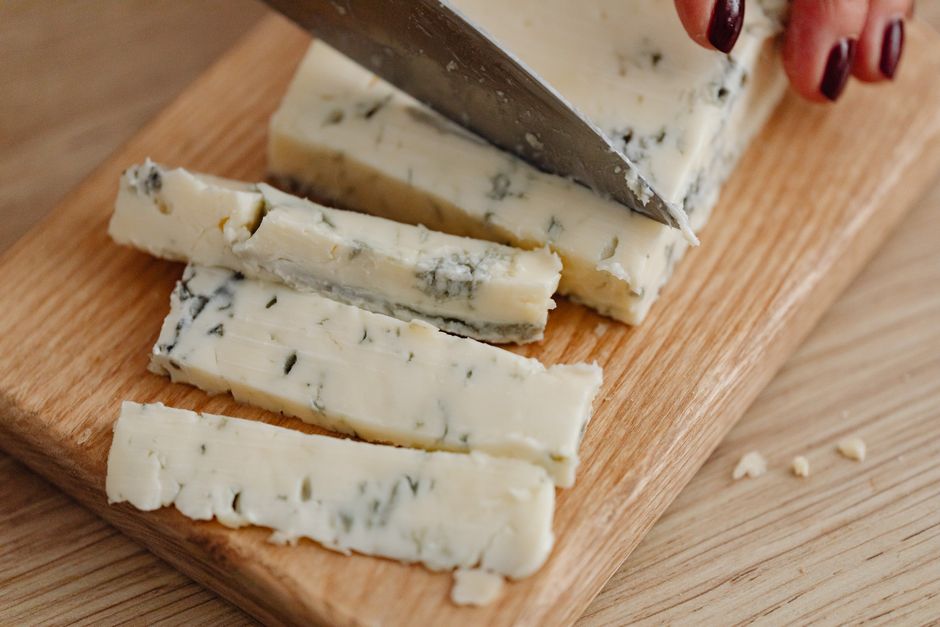
The foundation of Bob’s Blue Cheese Dressing lies in its carefully selected ingredients, which work in harmony to create its signature taste. The star ingredient, of course, is blue cheese. The specific type and quality of blue cheese used by Bob’s are crucial. Typically, a good quality blue cheese, such as Gorgonzola or Roquefort, will be employed, providing that characteristic sharp, salty, and slightly spicy tang. The mold within the blue cheese, Penicillium roqueforti, is responsible for its distinctive veins and pungent aroma. Beyond the blue cheese, a creamy base is essential. This is often achieved through a combination of mayonnaise and sour cream or buttermilk. Mayonnaise provides richness and emulsification, ensuring a smooth, cohesive dressing. Sour cream or buttermilk adds a complementary tang and thins the dressing to the desired consistency. The acidity of these dairy components also helps to balance the richness of the blue cheese.
Further enhancing the flavor profile are various seasonings. White vinegar or lemon juice is commonly incorporated to provide a bright, acidic counterpoint that cuts through the richness and intensifies the other flavors. Garlic, either in powder or fresh minced form, adds a savory depth. Onion powder contributes another layer of aromatic complexity. Salt and black pepper are fundamental to seasoning, adjusting the overall taste to perfection. Some formulations might also include sugar or a touch of honey to subtly sweeten the dressing, rounding out the sharp edges of the blue cheese and vinegar. The precise ratio and combination of these ingredients are proprietary secrets that differentiate Bob’s from its competitors and contribute to its unique and beloved taste. The emulsification process, where oil and water-based ingredients are combined, is critical for achieving the smooth, homogenous texture that consumers expect. This is typically facilitated by the lecithin in egg yolks present in mayonnaise.
From a nutritional perspective, Bob’s Blue Cheese Dressing, like most creamy dressings, is generally higher in fat and calories due to its mayonnaise and blue cheese content. A typical serving size (often around two tablespoons) can contain a significant amount of fat, including saturated fat, and calories. However, it also offers a source of protein and calcium from the dairy components. For consumers mindful of their calorie and fat intake, moderation is key. The dressing also provides a good dose of flavor, allowing for the enhancement of salads and other dishes without needing excessive amounts of other, potentially less healthy, toppings. The presence of blue cheese itself, while contributing to the fat content, also offers beneficial compounds. Research into blue cheese has suggested potential anti-inflammatory properties and a source of vitamin B12. However, it is important to view these as secondary benefits rather than primary nutritional drivers for consuming the dressing. For individuals managing specific dietary restrictions, such as low-fat or low-sodium diets, or those with dairy allergies, alternative dressings or careful portion control would be necessary. The market has also responded to these needs with lighter versions or dairy-free alternatives of blue cheese dressing, though Bob’s original formulation remains a benchmark for classic flavor.
The versatility of Bob’s Blue Cheese Dressing extends far beyond its traditional role as a salad topping. Its robust flavor profile makes it an exceptional dipping sauce for a multitude of foods. Chicken wings, a quintessential pairing, benefit immensely from the creamy, tangy contrast that Bob’s provides to the spicy or savory coatings. French fries, onion rings, and mozzarella sticks are also popular candidates for a dip in Bob’s. Its richness can complement the crispy textures and savory flavors of fried appetizers perfectly. Beyond appetizers, Bob’s Blue Cheese Dressing can elevate sandwiches and wraps by acting as a flavorful spread or drizzle. It pairs exceptionally well with grilled chicken, turkey, or even robust beef. For those seeking to add a gourmet touch to their meals, Bob’s can be incorporated into other dishes. It can be used as a base for a creamy pasta sauce, offering a unique cheesy and tangy dimension. Blended into mashed potatoes, it introduces a sophisticated flavor twist. It can also be used as a binder for dips or as a flavor enhancer for roasted vegetables, particularly root vegetables like potatoes and cauliflower. The sharp notes of the blue cheese can cut through the sweetness of caramelized onions or the earthiness of mushrooms. Furthermore, creative chefs have experimented with incorporating Bob’s into marinades for meats, leveraging its acidity and flavor to tenderize and infuse the protein. Its potential applications are limited only by culinary imagination.
The enduring market dominance of Bob’s Blue Cheese Dressing can be attributed to several key factors. Firstly, consistent quality and a well-established brand reputation are paramount. Consumers trust Bob’s to deliver the same satisfying flavor and texture with every purchase. This reliability fosters loyalty and reduces the perceived risk associated with trying new brands. Secondly, the product has masterfully tapped into a widespread consumer preference for bold, savory flavors. Blue cheese, with its distinctive tang, is a polarizing ingredient for some, but for a significant segment of the population, it is a highly sought-after taste. Bob’s has successfully captured and delivered this flavor in an accessible and convenient format.
Furthermore, effective marketing and distribution strategies have played a crucial role. Bob’s is readily available in most major grocery stores, making it convenient for consumers to purchase. Their marketing campaigns, often focusing on the product’s classic appeal and its association with popular dishes like buffalo wings and hearty salads, have reinforced its desirability. The dressing’s ability to act as both a dressing and a dip has also broadened its appeal and increased its usage occasions, thereby driving sales. The company’s commitment to understanding consumer trends, such as the increasing demand for convenient meal solutions and flavorful accompaniments, has allowed them to remain relevant. While competitors may emerge with new flavors or healthier alternatives, Bob’s Blue Cheese Dressing has carved out a significant niche and continues to be a benchmark for its category. The sensory experience – the creamy texture, the pungent aroma, and the unforgettable taste – is a powerful driver of repeat purchases. The emotional connection consumers develop with familiar and satisfying foods also contributes to its sustained popularity.
The product development and innovation within the blue cheese dressing category also merit consideration in understanding Bob’s success. While Bob’s classic formulation remains a staple, the brand, or brands that emulate its success, might introduce variations to cater to evolving consumer tastes or dietary needs. This could include "light" or "fat-free" versions, aimed at health-conscious consumers. The introduction of different blue cheese varieties, such as a sharper Gorgonzola or a milder Danish blue, could also appeal to a broader palate. Furthermore, convenience formats, such as single-serving packets or larger family-sized containers, cater to different household needs and usage patterns. The integration of new ingredients or flavor profiles, while maintaining the core blue cheese essence, could also be a strategy for maintaining market share and attracting new consumers. However, for a product like Bob’s, the risk of alienating its core customer base with drastic changes must be carefully managed. The balance between innovation and tradition is a delicate one, and Bob’s has historically leaned towards preserving its iconic flavor.
The competitive landscape for blue cheese dressing is robust, with numerous national brands and store-brand alternatives vying for consumer attention. Bob’s ability to maintain its market leadership suggests a strong understanding of its target audience and a consistent delivery of a high-quality product. Competitors often attempt to differentiate themselves through unique ingredient blends, bolder flavor profiles, or specific dietary claims. For example, some brands might emphasize the "real" blue cheese crumbles in their dressing, while others might focus on the smoothness and creaminess of their base. The pricing strategy also plays a role, with some brands positioning themselves as premium offerings and others as budget-friendly options. Bob’s often occupies a mid-to-upper-tier pricing bracket, reflecting its perceived quality and brand recognition. The visual appeal of the packaging and the clarity of the ingredient list can also influence purchasing decisions.
The supply chain and manufacturing processes for a product like Bob’s Blue Cheese Dressing are also critical for its sustained availability and quality. Sourcing high-quality blue cheese, along with other key ingredients like mayonnaise, sour cream, and vinegar, requires robust relationships with suppliers. Maintaining consistent quality control throughout the manufacturing process, from ingredient blending to packaging, is essential to ensure that each bottle of Bob’s meets consumer expectations. Food safety standards are also paramount, and manufacturers must adhere to stringent regulations to ensure the product is safe for consumption. The shelf life of the product is another important consideration, requiring appropriate preservation methods and packaging to maintain freshness from production to consumption. The logistics of distributing a perishable product across vast geographical areas also present significant challenges, necessitating efficient warehousing and transportation networks.
The cultural impact of Bob’s Blue Cheese Dressing extends to its role in popular culture and culinary discourse. It is frequently mentioned in recipes, food blogs, and discussions about classic American comfort foods. Its association with specific dishes, like buffalo wings, has cemented its place in certain culinary traditions. The very name "Bob’s" has become synonymous with a certain expectation of taste and quality within the blue cheese dressing category. This brand recognition is a powerful asset that competitors often strive to replicate. The ease with which it can be incorporated into home cooking further solidifies its cultural relevance, making it a staple for busy families and aspiring home chefs alike. Its presence on restaurant menus, even if it’s not the specific brand, speaks to the widespread acceptance and demand for the flavor profile it represents.
In conclusion, Bob’s Blue Cheese Dressing stands as a testament to the power of a well-crafted, flavorful, and versatile product. Its success is a culmination of meticulously chosen ingredients, a commitment to quality, effective market strategies, and a deep understanding of consumer preferences. From its tangy blue cheese core to its creamy, savory finish, Bob’s offers a sensory experience that has captivated taste buds for generations. Its continued presence in refrigerators and on dinner tables worldwide underscores its status not just as a dressing, but as a culinary institution. The ongoing evolution of food trends and consumer demands will undoubtedly shape the future of the dressing market, but the enduring appeal of Bob’s Blue Cheese Dressing suggests it will remain a significant player for years to come, a benchmark for flavor and a beloved staple in the American pantry.


