
Best Formula Three Cheese Fondue

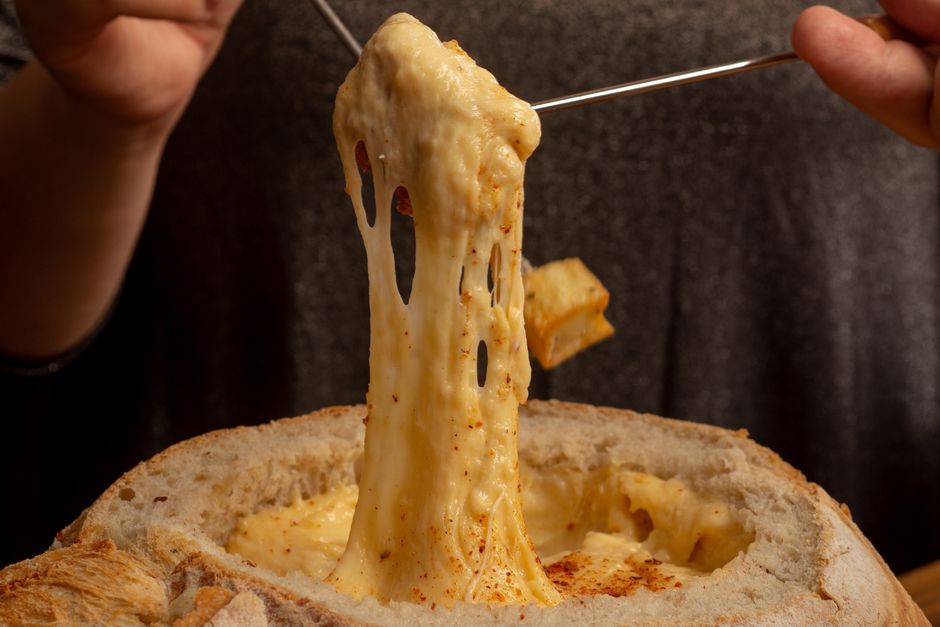
The Ultimate Guide to the Best Formula Three Cheese Fondue: A Culinary Masterpiece for Every Occasion
Crafting the perfect three-cheese fondue is an art form, a delicate balance of textures and flavors that transforms simple ingredients into an unforgettable culinary experience. This isn’t just about melting cheese; it’s about understanding the science and soul behind this Swiss classic, ensuring a smooth, velvety consistency, and a depth of flavor that will have your guests clamoring for more. This comprehensive guide will delve into the essential elements, from selecting the ideal cheese blend to the precise techniques that guarantee fondue perfection, making your next gathering a resounding success. We will explore the fundamental principles of fondue making, offering actionable advice and detailed instructions for achieving a restaurant-quality result in your own kitchen.
The foundation of any exceptional three-cheese fondue lies in the judicious selection of cheeses. A well-balanced blend is crucial, incorporating cheeses with distinct melting properties, flavor profiles, and textures. The classic Gruyère, with its nutty, slightly sweet, and earthy notes, is an indispensable component. Its excellent melting qualities and robust flavor provide the backbone of the fondue. Emmental, another Swiss cheese, contributes a mild, nutty sweetness and a wonderfully stretchy, creamy texture. Its ability to emulsify smoothly is paramount. For the third cheese, a contrasting element is often preferred. A sharp, aged cheddar, such as a mature English or Irish cheddar, introduces a tangy, robust bite that cuts through the richness of the other cheeses, adding complexity and depth. Alternatively, a Fontina Val d’Aosta, with its creamy texture and subtle mushroomy undertones, can offer a more mellow yet sophisticated flavor profile. When choosing your cheeses, prioritize those that are aged, as they tend to melt more smoothly and possess more concentrated flavors. Avoid pre-shredded cheeses, which often contain anti-caking agents that can hinder proper melting and lead to a grainy texture. Grate your cheeses fresh, immediately before use, for the smoothest and most decadent fondue. The ratio of these cheeses is also a critical consideration. A common and highly effective starting point is an equal parts blend (1:1:1) of Gruyère, Emmental, and cheddar or Fontina. However, personal preference and the desired flavor intensity will dictate slight adjustments. For a more pronounced nutty flavor, increase the Gruyère. For a creamier, milder fondue, lean more heavily on Emmental. For a tangier, more assertive fondue, a greater proportion of cheddar is recommended. Experimentation within these guidelines is encouraged to discover your personal "best formula."
Beyond the cheese selection, the proper preparation of the fondue pot and its contents is paramount for achieving a silky-smooth, non-greasy emulsion. A traditional cast-iron fondue pot, often referred to as a caquelon, is ideal due to its superior heat retention and even heat distribution. Before adding any ingredients, the fondue pot should be lightly rubbed with a clove of garlic. This imparts a subtle, aromatic essence without overwhelming the cheese flavors. Discard the garlic clove after rubbing. Next, a small amount of dry white wine, such as a crisp Sauvignon Blanc or a dry Riesling, is poured into the pot. The acidity of the wine plays a crucial role in helping the cheese to melt smoothly and preventing it from becoming stringy or separating. The wine is gently heated over low to medium heat, just until it begins to simmer. It is crucial to avoid boiling the wine, as this can evaporate its delicate flavors and alter its acidic properties.
Once the wine is warm, the grated cheese is added gradually, a handful at a time, stirring constantly with a wooden spoon or a heat-resistant spatula. This gradual addition and continuous stirring are the secrets to a smooth emulsion. As each handful of cheese melts, the next is introduced. Patience is key; rushing this process will likely result in a clumpy or separated fondue. The stirring motion should be gentle yet consistent, creating a vortex that helps the cheese melt evenly and incorporate into the wine. As the cheese melts, it will thicken, and the mixture will transform into a luscious, velvety sauce. The consistency should be thick enough to coat the back of a spoon but still fluid enough to dip bread and other accompaniments.
A thickening agent is often employed to further enhance the fondue’s texture and prevent separation, especially if using cheeses with a higher moisture content or if the cooking time is extended. Cornstarch or flour, mixed with a small amount of the wine or a neutral liquid like kirsch (a clear cherry brandy often associated with fondue), forms a smooth slurry that is then incorporated into the melting cheese. This slurry, often referred to as a "beurre manié" if using flour and butter, helps to bind the fat and water molecules in the cheese, creating a more stable and uniformly creamy emulsion. A common ratio is one to two tablespoons of cornstarch or flour mixed with an equal amount of cold liquid, then whisked into the fondue. Kirsch, in addition to its thickening properties, adds a distinct, aromatic complexity that complements the cheese beautifully. It’s added towards the end of the melting process. A pinch of freshly ground nutmeg is another classic addition, providing a warm, slightly spicy counterpoint to the rich cheese. White pepper is also preferable to black pepper, as it maintains the visual purity of the fondue.
The cooking temperature for fondue is critical. It should be maintained at a low simmer, just enough to keep the cheese melted and flowing, but not so high that it scorches or becomes oily. A dedicated fondue burner, fueled by a small flame, is ideal for maintaining this consistent low heat at the table. If using a stovetop, ensure the heat is set to the lowest possible setting, and stir frequently to prevent sticking. The fondue should be served immediately once the desired consistency is achieved.
The choice of dippers is as vital as the fondue itself, offering a delightful interplay of textures and flavors to complement the rich, melted cheese. The quintessential accompaniment is cubed crusty bread, such as a baguette, sourdough, or ciabatta. The bread should be slightly stale, as this provides a firmer texture that holds up well to dipping and doesn’t become overly soggy. Cubes should be roughly one inch in size. Other excellent dippers include boiled new potatoes, either whole or halved, which provide a starchy, comforting contrast. For a touch of sweetness, chunks of crisp apple or pear work wonderfully, their acidity cutting through the richness. Blanched broccoli florets or Brussels sprouts offer a slightly bitter, earthy element. Seared cubes of beef or chicken, or even small meatballs, can transform the fondue into a more substantial meal. Charcuterie, such as slices of prosciutto or salami, adds a savory, salty dimension. For those seeking a more adventurous palate, pickled onions or gherkins provide a sharp, briny counterpoint. The key is to offer a variety of textures and flavors that create a dynamic and engaging dining experience.
Serving fondue requires a specific setup to ensure optimal enjoyment and safety. A traditional fondue pot, as mentioned, is essential, along with fondue forks for dipping. The fondue pot is typically placed on a stand over a heat source, allowing guests to gather around the table and dip their chosen accompaniments. It’s important to instruct guests to use only their fondue forks to retrieve food from the pot and to avoid double-dipping, which can contaminate the fondue. The fondue burner should be kept at a low, consistent heat to maintain the fondue’s smooth consistency. Ensure there is ample space around the fondue pot for guests to comfortably reach and dip their food. For larger gatherings, consider having two fondue pots to ensure everyone has easy access.
Troubleshooting common fondue issues is an essential part of mastering the art. The most frequent problem is a grainy or oily fondue. This typically occurs due to overcooking, using low-fat cheeses, or adding cheese too quickly. If the fondue appears oily, gently stir in a teaspoon of cornstarch mixed with a tablespoon of wine or kirsch. If it’s grainy, it often indicates the cheese has been overheated. Try reducing the heat and stirring vigorously; sometimes, a small splash of hot wine can help re-emulsify it. If the fondue becomes too thick, a little more warm wine or kirsch can be added to loosen it. Conversely, if it’s too thin, a slurry of cornstarch or flour can be used to thicken it further. Always remember to add thickeners gradually and stir thoroughly to avoid lumps. The ideal fondue should be a smooth, flowing, and creamy consistency that clings beautifully to dippers without being stringy or oily.
Variations on the three-cheese fondue theme can elevate the dish to new heights, allowing for personalization and adaptation to different tastes and occasions. A "Spicy Fondue" can be achieved by adding a pinch of cayenne pepper or a few drops of your favorite hot sauce to the cheese mixture. For a "Herbed Fondue," finely chopped fresh chives, parsley, or thyme can be stirred in towards the end of the cooking process. A "Mushroom Fondue" involves sautéing finely chopped mushrooms in butter and garlic before adding them to the melting cheese. For a richer, more decadent experience, a touch of heavy cream can be incorporated alongside the wine. Exploring different cheese combinations beyond the classic Gruyère, Emmental, and cheddar is also highly encouraged. Consider incorporating a sharp Provolone for a slightly smoky note, a mild Gouda for a creamy sweetness, or even a blue cheese for a bold, pungent flavor (though use blue cheese sparingly as it can dominate). Each cheese brings its unique characteristics to the blend, offering endless possibilities for culinary exploration.
When it comes to pairing beverages with fondue, the choices should complement, not compete with, the rich, cheesy flavors. Dry white wines are traditional and highly recommended. The acidity and crispness of wines like Sauvignon Blanc, Pinot Grigio, or a dry Riesling cut through the richness of the cheese, cleansing the palate. Light-bodied red wines, such as Pinot Noir or Beaujolais, can also work, but avoid overly tannic or heavy reds that might clash with the cheese. Beer, particularly a crisp lager or a Belgian ale, is another excellent choice, offering a refreshing contrast. For non-alcoholic options, sparkling apple cider or unsweetened iced tea can be refreshing accompaniments. The goal is to select beverages that enhance the fondue experience without overwhelming the delicate flavors.
In conclusion, creating the best three-cheese fondue is a rewarding endeavor that combines careful ingredient selection, precise technique, and a touch of culinary intuition. By understanding the role of each cheese, mastering the melting process, and embracing the art of emulsion, you can consistently produce a fondue that is both visually appealing and incredibly delicious. The versatility of fondue, from its classic preparation to its endless variations and accompanying dippers, makes it a truly exceptional dish for any gathering. Whether you are hosting an intimate dinner party or a lively get-together, a well-executed three-cheese fondue is guaranteed to impress and create lasting culinary memories. The journey from simple ingredients to this molten masterpiece is a testament to the power of good food and shared experiences.


