
Chef Johns Sourdough Bread

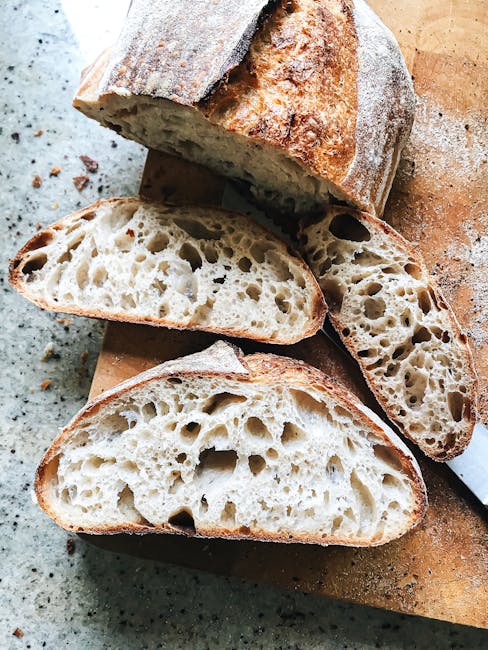
Chef John’s Sourdough Bread: Mastering the Art of Tangy Perfection
Chef John’s approach to sourdough bread is celebrated for its accessible yet deeply satisfying results, focusing on fundamental principles that empower home bakers to achieve that coveted tangy crumb and crackling crust. This guide delves into the core elements of his method, from starter maintenance to the final bake, providing actionable advice and SEO-rich keywords for anyone seeking to elevate their sourdough game. Understanding the foundational role of the sourdough starter is paramount. Chef John emphasizes a simple, consistent feeding schedule, typically involving equal parts flour and water by weight, to cultivate a robust and active culture. The type of flour used in the starter also influences the final flavor profile; a blend of all-purpose and whole wheat flour can impart a more complex tang and a richer color. Regular feeding, at least once every 24 hours if kept at room temperature, or once a week if refrigerated, ensures the yeast and bacteria remain vigorous and ready to leaven the dough. Discarding a portion of the starter before feeding is not just about managing volume; it concentrates the active microorganisms, leading to a more potent leavening agent.
The hydration level of the sourdough dough is another critical factor Chef John frequently highlights. His recipes often fall within the 70-80% hydration range, a moderate to high level that contributes to an open, airy crumb. Achieving this hydration requires careful attention during the mixing and autolyse stages. Autolyse, a period of resting the flour and water mixture before adding the starter and salt, allows the flour to fully hydrate, initiating gluten development passively and making the dough easier to handle. This step is crucial for developing the gluten network without excessive kneading, a common pitfall for beginners. The autolyse also helps to develop a more tender crumb and improve the crust’s texture. For bakers struggling with overly sticky dough, understanding the role of gluten development becomes key.
Gluten development in sourdough, as championed by Chef John, is achieved through a series of stretch-and-folds rather than aggressive kneading. This gentle method builds strength and elasticity in the dough gradually. Typically, a series of four to six sets of stretch-and-folds, performed every 30-45 minutes during the bulk fermentation, are sufficient. The process involves wetting your hands, grasping the edge of the dough, stretching it upwards, and folding it over itself. Rotating the bowl and repeating this around the dough creates tension and layers the gluten strands. This technique mimics the effects of kneading but is far gentler, preserving the delicate air pockets that contribute to a light and open crumb structure. Observing the dough’s windowpane test is an excellent indicator of sufficient gluten development.
Bulk fermentation, the primary rising period for sourdough, is where the magic truly happens. Chef John advocates for a bulk fermentation that is guided by dough temperature and visual cues rather than strict time constraints. Ambient temperature plays a significant role; warmer environments will accelerate fermentation, while cooler temperatures will slow it down. A good indicator of successful bulk fermentation is when the dough has visibly increased in volume (typically 30-50%), feels airy and alive, and shows domed edges with a smooth surface. The stretch-and-folds during this phase are essential for distributing the yeast activity and warmth throughout the dough, ensuring an even rise. Over-proofing can lead to a slack dough that collapses during baking, while under-proofing will result in a dense, heavy loaf. Monitoring the dough’s behavior is paramount.
Shaping the sourdough loaf is an art form that directly impacts the final appearance and oven spring. Chef John’s methods often involve a pre-shape, where the dough is gently formed into a rough ball and allowed to rest for 15-20 minutes. This brief rest allows the gluten to relax, making the final shaping easier. The final shape – either a boule (round) or a batard (oval) – is achieved with a combination of surface tension building and careful tucking of the dough. The goal is to create a taut outer skin that will hold its shape during baking and promote a good oven spring. A well-shaped loaf will have a smooth, cohesive surface with no large gaps or tears. Using a bench scraper and a lightly floured surface is essential for successful shaping.
Proofing, the final rise of the shaped loaf, is often done in a proofing basket (banneton) lined with linen or rice flour to prevent sticking. Chef John often recommends a cold proof, either at room temperature for a shorter period or, more commonly, in the refrigerator for 12-24 hours. Cold proofing develops the sourdough’s characteristic tang and flavor further, while also making the dough firmer and easier to score. The cold temperature slows down the yeast activity but allows the lactic acid bacteria to continue their work, producing those desirable sour notes. The dough should have a slight spring back when gently poked during the final proof, indicating it’s ready for baking.
Baking sourdough bread is where Chef John’s emphasis on a hot, steamy oven truly shines. The high heat and steam are crucial for achieving a beautiful, crackling crust and excellent oven spring. A Dutch oven or a baking stone with a steam pan is highly recommended. Preheating the oven and the Dutch oven to a high temperature (often 450-500°F or 230-260°C) is a non-negotiable first step. The steam in the initial stages of baking keeps the surface of the dough moist, allowing it to expand maximally before the crust sets. This is the "oven spring." After 20-30 minutes of covered baking, the lid is removed, and the temperature is often reduced slightly to allow the crust to develop its deep golden-brown color and characteristic crispness.
Scoring the sourdough loaf is not just for aesthetics; it’s a functional step that controls where the bread expands during baking, preventing blowouts and creating decorative patterns. A sharp lame or razor blade is used to make decisive cuts into the surface of the dough just before it goes into the oven. The depth and angle of the score influence the final look of the loaf. A single, deep score down the center can create a prominent ear, while multiple parallel scores can result in a more uniform expansion. Practicing different scoring patterns is part of the sourdough journey.
Troubleshooting common sourdough issues is an integral part of Chef John’s philosophy. Dough that is too wet and sticky is often a result of too much water or insufficient gluten development. Adjusting hydration in future bakes and focusing on thorough stretch-and-folds are key. A flat loaf can be attributed to under-proofing, over-proofing, insufficient gluten development, or a less-than-ideal shaping technique. Observing the dough at each stage and making adjustments accordingly is the hallmark of an experienced sourdough baker. The temperature of the starter, the bulk fermentation, and the proofing all significantly impact the outcome.
The flavor profile of Chef John’s sourdough is a direct consequence of the starter’s health and the fermentation process. The tangy, slightly acidic notes are a result of the lactic acid produced by bacteria. The depth of flavor is enhanced by the long fermentation times, particularly the cold proof. Using a blend of flours, such as incorporating rye or whole wheat, can further contribute to complexity. The crust’s caramelized sugars add a subtle sweetness that balances the tang. The final bake, with its Maillard reaction, creates those desirable toasted notes in the crust.
For those new to sourdough, Chef John’s approach is often characterized by simplification and a focus on mastering the basics before venturing into more complex techniques. His recipes typically involve a limited number of ingredients: flour, water, salt, and the sourdough starter. This simplicity allows bakers to truly understand the impact of each component and process. The consistent emphasis on observation and understanding the dough’s cues over strict adherence to time is a recurring theme. This fosters an intuitive approach to baking, where the baker learns to "read" their dough.
Understanding the science behind sourdough is also important. Yeast, the primary leavening agent, consumes sugars in the flour and produces carbon dioxide gas, which creates the airy structure. The lactic acid bacteria, on the other hand, produce lactic and acetic acids, contributing to the sour flavor and acting as natural preservatives. The interplay between these microorganisms and the flour’s proteins forms the foundation of sourdough baking. The longer the fermentation, the more these processes develop.
Chef John’s dedication to sharing his sourdough journey through clear, concise tutorials has made him a beloved figure for home bakers. His emphasis on demystifying sourdough, breaking down complex techniques into manageable steps, and encouraging experimentation has inspired countless individuals to achieve delicious results. The pursuit of the perfect sourdough loaf is a rewarding endeavor, and by following Chef John’s principles, bakers can confidently embark on this path, mastering the art of tangy perfection. The journey involves patience, practice, and a willingness to learn from each bake, whether it’s a resounding success or a valuable lesson. The continuous learning process is what makes sourdough baking so captivating.


