
Black Beans Corn And Yellow Rice

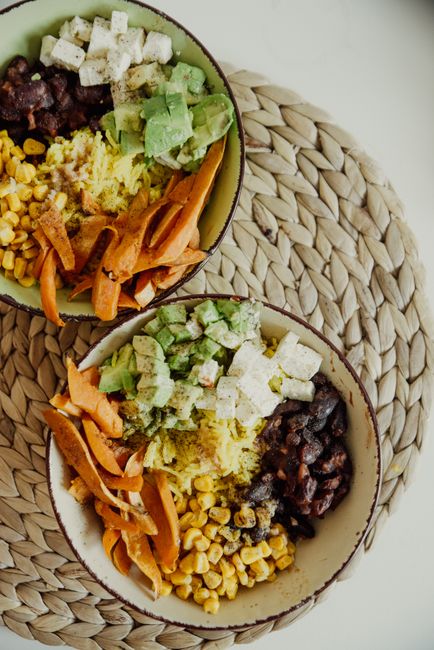
Black Beans Corn and Yellow Rice: A Culinary Powerhouse of Flavor, Nutrition, and Versatility
Black beans, corn, and yellow rice form a triumvirate of ingredients that transcends mere side dish status to become a complete, flavorful, and remarkably nutritious meal. This combination, deeply rooted in Latin American and Caribbean cuisines, offers a compelling blend of textures, colors, and tastes, making it a staple for home cooks and a beloved offering in restaurants worldwide. Beyond its culinary appeal, this trio boasts a significant nutritional profile, contributing essential vitamins, minerals, and macronutrients to a balanced diet. Understanding the individual components and their synergistic interaction unlocks a world of culinary possibilities, from simple weeknight dinners to vibrant party spreads. This article delves into the essence of black beans, corn, and yellow rice, exploring their origins, nutritional benefits, preparation techniques, and an extensive array of recipe applications.
The foundation of this culinary ensemble lies in the black bean. Scientifically known as Phaseolus vulgaris, black beans are a cultivar of the common bean and are characterized by their small, oval shape and a glossy, inky-black exterior. Originating in the Americas, they have been cultivated for thousands of years, forming a cornerstone of indigenous diets. Their popularity stems not only from their earthy, slightly sweet flavor and creamy texture when cooked but also from their impressive nutritional density. Black beans are an exceptional source of plant-based protein, crucial for muscle building, repair, and overall bodily function. They are also incredibly rich in dietary fiber, both soluble and insoluble. Soluble fiber plays a vital role in regulating blood sugar levels, lowering cholesterol, and promoting satiety, while insoluble fiber aids in digestive health and prevents constipation. Furthermore, black beans are a treasure trove of essential minerals, including iron, which is vital for oxygen transport in the blood; magnesium, involved in over 300 biochemical reactions in the body; potassium, important for blood pressure regulation; and zinc, which supports immune function and cell growth. Their vibrant black hue is attributed to anthocyanins, powerful antioxidants that combat oxidative stress and inflammation, contributing to long-term health.
Complementing the earthy depth of black beans is the bright, sweet burst of corn. Whether fresh, frozen, or canned, corn (Zea mays) brings a distinct sweetness and satisfying crunch to the dish. A cereal grain originating from Mesoamerica, corn has been a global staple for millennia. Its nutritional contribution, while perhaps less heralded than that of beans, is significant. Corn is a good source of carbohydrates, providing readily available energy. It also offers a modest amount of protein and a range of vitamins and minerals, including vitamin C, B vitamins (thiamine, niacin, folate), and minerals like phosphorus and magnesium. The golden kernels are also rich in carotenoids, such as lutein and zeaxanthin, which are beneficial for eye health. The unique texture of corn, with its slightly firm exterior and starchy interior, creates a delightful contrast with the softer black beans. When paired with the subtle sweetness of corn, the earthy notes of the beans become more pronounced, creating a more complex and engaging flavor profile.
The unifying element, and the canvas upon which these flavors are painted, is yellow rice. While “yellow rice” can refer to various preparations, in the context of this combination, it most commonly refers to rice infused with annatto seeds or turmeric. Annatto, derived from the seeds of the achiote tree, imparts a warm, golden-orange hue and a subtle, slightly peppery, nutmeg-like flavor. Turmeric, a vibrant yellow spice derived from the root of the Curcuma longa plant, offers a distinct earthy, slightly bitter taste and a brilliant yellow color, along with potent anti-inflammatory properties thanks to its active compound, curcumin. Rice itself, typically long-grain white rice like Basmati or Jasmine, provides a neutral base that readily absorbs the flavors and colors of its accompaniments. A well-cooked yellow rice is fluffy, with each grain distinct and infused with the aromatic essence of the coloring agent and any added aromatics like garlic, onion, or spices. The starch released during cooking helps to bind the ingredients together, creating a cohesive and satisfying dish. Beyond carbohydrates, rice offers B vitamins and some protein, though it is not as protein-dense as black beans. The simplicity of rice allows the bold flavors of the beans and corn to shine while providing a substantial and comforting base.
The preparation of black beans, corn, and yellow rice can range from exceptionally simple to more elaborate, depending on the desired outcome. For black beans, the most traditional method involves soaking dried beans overnight to reduce cooking time and improve digestibility, followed by simmering them with aromatics like onion, garlic, and bay leaf until tender. Canned black beans offer a convenient shortcut, requiring only rinsing and warming. Corn can be prepared by boiling or steaming fresh or frozen kernels, or by using canned corn, which is already cooked and can be heated. Yellow rice is typically prepared by sautéing aromatics, toasting the rice, and then cooking it in broth or water with annatto seeds or turmeric, often with added spices like cumin, oregano, or a pinch of chili powder for a touch of heat. The key to a successful yellow rice is to achieve fluffy, separate grains that have absorbed the flavor and color evenly.
The versatility of the black beans, corn, and yellow rice combination is its true superpower. It serves as a complete meal on its own, offering a balanced profile of protein, carbohydrates, fiber, and essential nutrients. However, its adaptability allows it to be transformed into a myriad of dishes. As a side dish, it pairs exceptionally well with grilled or roasted meats, poultry, and fish, providing a vibrant and flavorful counterpoint. Its hearty nature also makes it an excellent accompaniment to lighter dishes, such as salads or vegetable stir-fries, adding substance and nutritional value.
Beyond its role as a side, this trio forms the foundation for numerous main courses. Black bean and corn salsa, a vibrant and fresh appetizer or topping, can be created by combining cooked black beans, corn, diced red onion, bell peppers, cilantro, lime juice, and a hint of jalapeño. This can be served with tortilla chips or as a topping for tacos, quesadillas, or grilled chicken. Stuffed bell peppers offer another excellent application, where the black bean, corn, and yellow rice mixture can be combined with spices, herbs, and perhaps some diced tomatoes, then used to fill bell peppers and baked until tender. For a heartier meal, this mixture can be used as a filling for burritos or tacos, often enhanced with cheese, avocado, and salsa. Black bean burgers, a popular vegetarian and vegan option, can be crafted by mashing black beans and combining them with cooked corn, breadcrumbs, seasonings, and often some finely chopped onion and bell pepper, then forming them into patties and pan-frying or baking.
Furthermore, the distinct flavors and textures of this combination lend themselves to creative adaptations in grain bowls and salads. A "Cuban-inspired bowl" might feature yellow rice topped with black beans, corn, plantains, avocado, and a drizzle of cilantro-lime dressing. Similarly, a "Southwestern-style salad" could incorporate the mixture with mixed greens, cherry tomatoes, crumbled cotija cheese, and a spicy vinaigrette. The inherent heartiness of black beans and corn ensures that these salads are not only visually appealing but also satisfying and nutritionally complete.
The introduction of various spices and seasonings further expands the culinary horizon of black beans, corn, and yellow rice. Cumin, chili powder, smoked paprika, oregano, and coriander can all enhance the earthy notes of the beans and complement the sweetness of the corn. A touch of lime juice or vinegar brightens the flavors and adds a welcome acidity. Fresh cilantro and parsley provide a burst of herbaceous freshness. For a spicier kick, finely chopped jalapeños, serrano peppers, or a dash of hot sauce can be incorporated. The options for customization are nearly limitless, allowing individuals to tailor the dish to their specific taste preferences and dietary needs.
From a nutritional standpoint, the combination of black beans, corn, and yellow rice presents a compelling case for its inclusion in a balanced diet. The synergistic effect of these ingredients creates a dish that is not only delicious but also highly functional in providing sustained energy, promoting digestive health, and delivering a broad spectrum of essential micronutrients. The high fiber content from the black beans contributes to a feeling of fullness, aiding in weight management efforts. The protein from the beans, combined with the carbohydrates from the rice and corn, offers a complete amino acid profile when consumed in sufficient quantities, supporting muscle maintenance and repair. The antioxidants present in the black beans and corn, along with the anti-inflammatory properties of turmeric (if used in the yellow rice), contribute to overall well-being and may help protect against chronic diseases.
In conclusion, black beans, corn, and yellow rice represent a culinary trinity that offers an exceptional balance of flavor, texture, nutrition, and versatility. From its ancient origins to its modern-day iterations, this simple yet profound combination continues to captivate palates and nourish bodies. Whether served as a humble side dish, the star of a vegetarian feast, or the base for innovative culinary creations, the enduring appeal of black beans, corn, and yellow rice lies in its inherent deliciousness and its unwavering commitment to providing a wholesome and satisfying eating experience. Its accessibility, affordability, and adaptability ensure its continued presence in kitchens around the globe, a testament to the power of simple, well-chosen ingredients to create something truly extraordinary.


