
Hamburger Stew With Cabbage

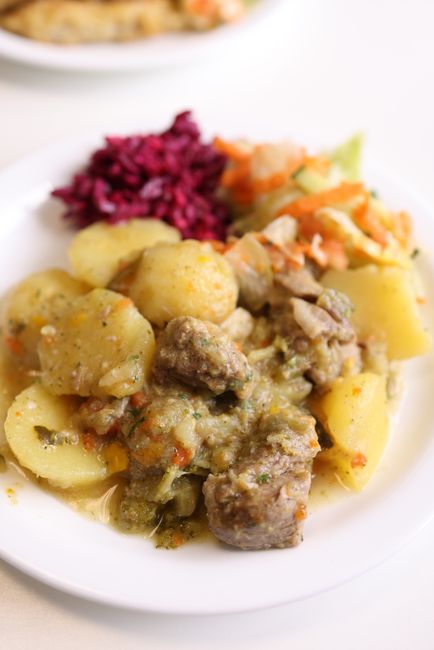
Hearty Hamburger and Cabbage Stew: A Flavorful and Economical One-Pot Meal
Hamburger and cabbage stew is a simple, yet incredibly satisfying dish that boasts a rich history of providing nourishment and comfort on a budget. This one-pot wonder combines the savory depth of ground beef with the sweet crunch of cabbage, enhanced by a flavorful broth and aromatic vegetables. Its inherent versatility makes it a favorite for busy weeknights, a budget-conscious meal plan, and a delicious way to use up surplus produce. The beauty of this stew lies in its unpretentious nature; it’s a dish that prioritizes flavor and substance without demanding exotic ingredients or complicated techniques. This article delves into the core of hamburger and cabbage stew, exploring its nutritional benefits, preparation methods, ingredient variations, and tips for maximizing its culinary potential, ensuring its enduring appeal for home cooks.
The fundamental appeal of hamburger and cabbage stew stems from its accessibility and nutritional profile. Ground beef, a readily available and relatively inexpensive protein source, forms the savory backbone of the dish. It provides essential amino acids, iron, and B vitamins, contributing to energy production and overall well-being. Cabbage, a cruciferous vegetable, offers a wealth of vitamins, including Vitamin C and Vitamin K, as well as fiber, which aids digestion and promotes satiety. The fiber content of cabbage also plays a crucial role in making this stew a filling and satisfying meal, preventing overeating and contributing to a balanced diet. Beyond the primary ingredients, the stew often incorporates a medley of other vegetables, such as onions, carrots, and celery, adding further layers of flavor, texture, and micronutrients. This combination of protein, fiber, and essential vitamins and minerals makes hamburger and cabbage stew a nutritionally robust option, especially when compared to many processed convenience foods.
The preparation of hamburger and cabbage stew is remarkably straightforward, making it an ideal candidate for weeknight cooking. The process typically begins with browning the ground beef in a large pot or Dutch oven. This step is crucial for developing rich flavor and rendering some of the fat. Once the beef is browned, it’s usually removed from the pot, leaving behind the flavorful drippings. The aromatics – typically diced onions, garlic, and sometimes carrots and celery – are then sautéed in these drippings until softened and fragrant. This sautéing process awakens the dormant flavors of these vegetables, laying the foundation for the stew’s complex taste. After the aromatics have softened, the browned ground beef is returned to the pot. Then, the star of the show, the cabbage, is added. Cabbage can be chopped or shredded, depending on desired texture; shredded cabbage will break down more readily and integrate seamlessly into the stew, while chopped cabbage retains a more distinct bite. The liquid base for the stew is typically a combination of broth (beef broth is common, but vegetable or chicken broth can also be used), and often tomato products like diced tomatoes or tomato paste, which add acidity and depth of flavor. Seasonings are key to elevating the stew from simple to spectacular. Salt, pepper, and a medley of dried herbs such as thyme, oregano, or a bay leaf are standard. Some recipes might call for a touch of Worcestershire sauce or soy sauce for added umami. The stew is then simmered, covered, for a period, allowing the flavors to meld and the cabbage to tenderize. The simmering time can vary, but generally, 30-60 minutes is sufficient to achieve a tender and flavorful result.
The beauty of hamburger and cabbage stew lies in its inherent adaptability. While the core components remain consistent, numerous variations can be introduced to cater to different taste preferences and dietary needs. For those seeking a spicier kick, adding a pinch of red pepper flakes or a diced jalapeño pepper during the sautéing phase can transform the stew. The inclusion of other vegetables is also a common practice. Potatoes, diced into bite-sized pieces, add a creamy starchiness that complements the other ingredients. Peas or corn can be stirred in towards the end of the cooking process for pops of sweetness and color. For a richer, more decadent stew, a splash of heavy cream or a dollop of sour cream stirred in at the very end can elevate the texture and flavor profile. From a health-conscious perspective, leaner ground beef options, such as ground turkey or chicken, can be substituted for traditional ground beef. For a vegetarian or vegan adaptation, plant-based ground "meat" crumbles can be used in place of beef, and vegetable broth will be the preferred liquid base. The type of cabbage used can also influence the final dish. Green cabbage is the most common and offers a neutral, slightly sweet flavor. Red cabbage can be used, adding a beautiful purplish hue and a slightly earthier taste. Napa cabbage, with its softer texture and milder flavor, can also be incorporated, especially if a more delicate stew is desired.
The economic advantages of hamburger and cabbage stew are undeniable. Cabbage is one of the most affordable vegetables available year-round, and ground beef, while its price can fluctuate, remains a relatively cost-effective source of protein. By maximizing the use of these economical ingredients, this stew provides a hearty and filling meal without breaking the bank. This makes it an excellent option for families, students, or anyone looking to stretch their food budget. Furthermore, the stew’s inherent “fill-you-up” factor means that smaller portions can often be satisfying, contributing to its cost-effectiveness. The ability to create a large batch of stew and enjoy leftovers for several meals further enhances its economical appeal, reducing both food waste and the need for frequent grocery shopping.
The culinary versatility of hamburger and cabbage stew extends beyond its preparation and ingredient flexibility; it also offers various serving suggestions that can transform it from a humble weeknight staple to a more elaborate meal. The most straightforward way to serve it is as a hearty standalone dish. However, it pairs exceptionally well with a side of crusty bread for dipping, allowing you to savor every last drop of the flavorful broth. A dollop of sour cream or Greek yogurt on top adds a creamy counterpoint and a touch of tang. For a more substantial meal, consider serving it over mashed potatoes, rice, or even a bed of egg noodles. These additions transform the stew into a complete and comforting entrée. A simple green salad on the side provides a fresh contrast to the richness of the stew. For a breakfast or brunch twist, a portion of hamburger and cabbage stew can be served topped with a fried or poached egg, its runny yolk adding another layer of richness to the dish.
To truly optimize the flavor and texture of hamburger and cabbage stew, several culinary techniques and considerations are paramount. The initial browning of the ground beef is non-negotiable; a proper sear develops maillard reaction flavors that are crucial for the stew’s depth. Don’t overcrowd the pan when browning the beef, as this will steam it rather than sear it, resulting in a less desirable texture and flavor. Sautéing the aromatics until they are translucent and fragrant is equally important; this gentle cooking process extracts their sweetness and releases their aromatic compounds. When adding the cabbage, consider the cooking time. If you prefer a firmer bite to your cabbage, add it later in the simmering process. For a softer, more integrated texture, add it earlier. The quality of the broth used will significantly impact the overall flavor. Opting for a good quality beef broth, or even homemade broth, will yield superior results. Don’t be afraid to adjust seasonings to your personal preference. Taste and adjust salt, pepper, and herbs throughout the cooking process. A splash of vinegar (apple cider or red wine vinegar) or lemon juice added at the end of cooking can brighten the flavors and cut through the richness, particularly if tomato products are not used extensively.
The storage and reheating of hamburger and cabbage stew are also important aspects for maximizing its enjoyment and minimizing waste. Once cooled completely, the stew can be stored in an airtight container in the refrigerator for up to 3-4 days. The flavors often meld and deepen overnight, making leftovers even more delicious. For longer storage, hamburger and cabbage stew freezes exceptionally well. Portion the cooled stew into freezer-safe containers or heavy-duty freezer bags and freeze for up to 3-4 months. When reheating, the stew can be gently simmered on the stovetop over low heat until heated through. Alternatively, it can be reheated in the microwave, stirring occasionally. If the stew has become a bit too thick during storage, a splash of broth or water can be added to achieve the desired consistency. When freezing, it’s advisable to undercook the cabbage slightly, as it will continue to soften upon reheating.
Hamburger and cabbage stew, while seemingly simple, offers a complex tapestry of flavors and textures, underpinned by its nutritional value and economic efficiency. Its enduring popularity is a testament to its ability to provide comfort, nourishment, and satisfaction without requiring significant culinary expertise or financial investment. Whether prepared as a basic, no-fuss meal or embellished with additional ingredients and serving suggestions, this one-pot wonder remains a cornerstone of home cooking, proving that delicious and wholesome food can indeed be both accessible and affordable. The adaptability of the recipe ensures its relevance across various dietary preferences and culinary explorations, solidifying its place as a timeless and cherished dish.


