
Braised Venison With Rosemary And Shiitake

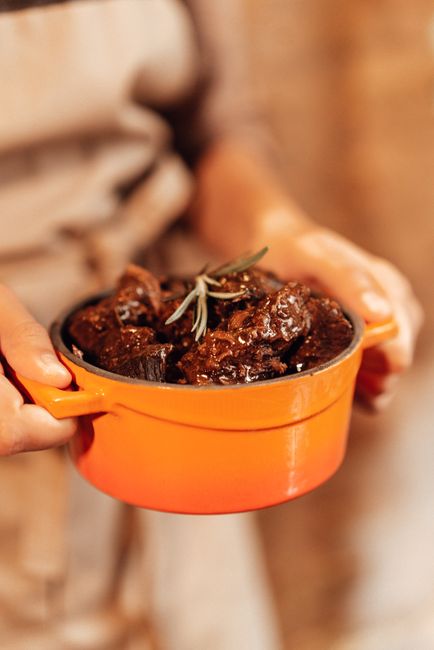
Braised Venison with Rosemary and Shiitake: A Deep Dive into Flavor and Technique
The art of braising venison, particularly with the earthy depth of shiitake mushrooms and the pungent aroma of fresh rosemary, transforms a potentially tough cut into a meltingly tender and profoundly flavorful dish. This method is not merely about cooking; it’s a culinary alchemical process that breaks down connective tissues, infuses the meat with aromatics, and creates a rich, unctuous sauce that clings beautifully to every morsel. This article will explore the nuances of braising venison, focusing on the specific ingredients of rosemary and shiitake, the optimal cooking techniques, and how to achieve a restaurant-quality result in your own kitchen. We will delve into the selection of venison cuts best suited for braising, the importance of searing for flavor development, the strategic use of liquids and aromatics, and the critical role of slow, low-temperature cooking.
Selecting the Right Venison Cut for Braising: The Foundation of Success
Not all venison cuts are created equal when it comes to braising. Cuts that are lean and contain a significant amount of connective tissue are ideal. These tougher muscles, when subjected to slow, moist heat, will break down into gelatin, yielding incredible tenderness and body to the braising liquid. Top candidates include the shank (osso buco style), the shoulder (chuck roast), and the neck. The hindquarter, while prized for its leanness and tenderness in quick-cooking methods like steaks, can become dry and stringy when braised unless handled with extreme care and a longer, more controlled braising time. For this specific recipe, venison shoulder is often the most accessible and forgiving option, offering a good balance of fat and connective tissue for rich flavor and melt-in-your-mouth texture. Venison shank, while requiring a longer braise, will produce an even more unctuous result due to its higher proportion of collagen. When purchasing venison, prioritize wild-caught if possible for its distinct, often less gamey flavor profile compared to farmed venison. However, well-sourced farmed venison can also be an excellent choice. Ensure the meat is well-trimmed of excess silverskin, a tough, white membrane that will not break down during braising. Leave any marbling or fat cap intact, as these contribute significantly to the moisture and flavor of the final dish.
The Crucial Role of Searing: Building the Flavor Base
Before any liquid enters the pot, the venison must be seared. This step is non-negotiable for developing a deep, complex flavor profile. Searing, also known as the Maillard reaction, creates hundreds of new flavor compounds by browning the natural sugars and amino acids on the surface of the meat. This browning is what gives braised dishes their characteristic rich, savory depth. For braised venison, cut the meat into generous cubes, typically 1.5 to 2 inches. Pat the venison thoroughly dry with paper towels. Moisture on the surface will steam the meat rather than sear it, preventing the development of a good crust. Heat a heavy-bottomed pot or Dutch oven over medium-high heat. Add a high-smoke-point oil, such as grapeseed or canola oil. Once the oil is shimmering, add the venison in batches, ensuring not to overcrowd the pot. Overcrowding will lower the pan temperature and lead to steaming. Sear each side of the venison cubes until a deep, golden-brown crust forms, approximately 3-5 minutes per side. Remove the seared venison to a plate and set aside. Do not clean the pot at this stage; the browned bits left behind, known as the "fond," are packed with flavor and will be essential for deglazing.
Aromatic Foundations: The Power of Mirepoix and Garlic
With the venison seared and resting, it’s time to build the aromatic foundation for the braise. This typically involves a mirepoix – a combination of diced carrots, celery, and onions. These vegetables, when softened and caramelized in the rendered venison fat and fond, release their natural sweetness and complex flavors, forming the backbone of the braising liquid. For this recipe, finely dice one large onion, two medium carrots, and two celery stalks. Add them to the hot pot (after draining any excess rendered fat, leaving about 1-2 tablespoons). Cook over medium heat, stirring occasionally, until the vegetables are softened and begin to caramelize, about 8-10 minutes. This slow softening process extracts their sugars and develops a richer flavor than simply cooking them until translucent. Following the mirepoix, add minced garlic. Garlic, when sautéed, imparts a pungent sweetness that complements the richness of the venison. Cook for another 1-2 minutes until fragrant, being careful not to burn it, as burnt garlic can turn bitter.
Introducing the Star Ingredients: Shiitake Mushrooms and Rosemary
The signature flavors of this braise – shiitake mushrooms and rosemary – are now introduced. Shiitake mushrooms, with their deep, earthy, and almost meaty flavor, are a perfect partner for venison. Their umami-rich profile enhances the inherent savoriness of the game meat. Use fresh shiitake mushrooms, stems removed (they can be tough and fibrous), and quartered or sliced depending on their size. Add the prepared shiitake mushrooms to the pot with the softened aromatics and cook for a few minutes, allowing them to release some of their moisture and begin to brown slightly. Fresh rosemary sprigs, with their piney, slightly peppery, and herbaceous notes, add a distinct aromatic complexity. The woody stems of rosemary, when simmered, release their essential oils without overpowering the dish. Use 2-3 fresh rosemary sprigs, tying them together with kitchen twine for easy removal later if desired, or simply adding them whole. The heat of the pot will begin to release their fragrant oils.
Deglazing and Building the Braising Liquid: The Alchemy of Flavor
Deglazing is a critical step that lifts all the flavorful browned bits (fond) from the bottom of the pot and incorporates them into the braising liquid. This is where immense flavor is unlocked. After the vegetables and mushrooms have softened, pour in a generous amount of liquid, typically red wine, to deglaze. A dry red wine, such as a Cabernet Sauvignon, Merlot, or Pinot Noir, is an excellent choice for braising venison. The acidity of the wine helps to tenderize the meat, and its complex flavors add depth and richness to the final sauce. Scrape the bottom of the pot vigorously with a wooden spoon to loosen all the browned bits. Let the wine simmer and reduce by about half, concentrating its flavor. Once the wine has reduced, add the seared venison back to the pot. Then, add additional braising liquid to mostly submerge the meat. This liquid can be a combination of beef or venison broth, and a splash of Worcestershire sauce or soy sauce for an extra umami boost. Ensure the liquid level comes about two-thirds of the way up the sides of the venison. Overfilling can dilute the flavors and result in a less concentrated sauce.
The Slow Cook: Patience is Key for Tender Venison
The true magic of braising happens with time and low heat. Bring the liquid in the pot to a gentle simmer on the stovetop, then cover the pot tightly. The Dutch oven, with its thick, even heat distribution, is the ideal vessel for braising. Transfer the covered pot to a preheated oven, typically set between 300°F and 325°F (150°C to 160°C). The low, constant heat allows the connective tissues in the venison to slowly break down into gelatin, transforming tough muscle fibers into succulent tenderness. The braising time will vary depending on the cut of venison, the size of the pieces, and the oven temperature. For venison shoulder, expect anywhere from 2.5 to 4 hours, or even longer. The meat is done when it is fork-tender, easily shredding with minimal pressure. Resist the urge to peek too often, as this can cause the oven temperature to fluctuate, prolonging the cooking time and potentially drying out the meat. A good indicator of doneness is when you can easily pull apart a piece of venison with two forks.
Finishing the Braise: Perfecting the Sauce and Texture
Once the venison is fork-tender, carefully remove it from the pot and set it aside on a warm plate, tented with foil to keep it moist. The braising liquid, now infused with the flavors of the venison, aromatics, mushrooms, and rosemary, is the foundation for an exquisite sauce. Skim off any excess fat from the surface of the liquid using a spoon or a fat separator. If you desire a thicker sauce, you can reduce it further by simmering it on the stovetop over medium-high heat until it reaches your desired consistency. Alternatively, you can thicken it by creating a beurre manié (equal parts softened butter and flour kneaded together) or by whisking in a slurry of cornstarch and water. Remove the rosemary sprigs before serving. Taste the sauce and adjust seasoning with salt and freshly ground black pepper as needed. The shiitake mushrooms will have softened considerably and absorbed the flavors of the braise. They are an integral part of the dish and should be served alongside the venison.
Serving Suggestions: Elevating the Braised Venison Experience
Braised venison with rosemary and shiitake is a robust and satisfying dish that pairs beautifully with a variety of accompaniments. Creamy mashed potatoes are a classic choice, providing a soft, yielding canvas for the rich sauce. Polenta, with its slightly coarser texture, also works wonderfully. For a lighter option, consider serving it with roasted root vegetables like parsnips, sweet potatoes, or Brussels sprouts. A side of crusty bread is essential for soaking up every last drop of the magnificent sauce. The earthy flavors of the venison and shiitake are beautifully complemented by the herbaceous notes of rosemary, creating a dish that is both rustic and refined. This braised venison is also an excellent candidate for make-ahead meals, as the flavors often deepen and meld overnight, making it even more delicious when reheated gently.
Troubleshooting Common Braising Issues: Ensuring Perfection
Despite careful execution, occasional issues can arise. If the venison is still tough after the estimated braising time, it simply needs more time. Continue to braise at the same low temperature until it reaches tenderness. If the sauce is too thin, as mentioned, reduce it further or thicken it with a slurry or beurre manié. If the sauce is too greasy, skimming off excess fat is the primary solution. If the venison tastes too gamey, ensure you’ve used a good quality cut and that the searing process was thorough. The mirepoix and aromatics, along with the red wine and broth, also play a significant role in masking any undesirable gamey flavors. Finally, ensure your oven temperature is accurate; an oven thermometer can be a valuable tool for precise cooking.
The Nutritional Benefits of Venison: A Lean and Flavorful Choice
Beyond its culinary appeal, venison offers significant nutritional advantages. It is a naturally lean red meat, typically lower in fat and calories than beef or lamb, while being an excellent source of protein. It is also rich in essential vitamins and minerals, including iron, zinc, B vitamins (particularly B12), and phosphorus. The wild nature of most venison means it is often free from the antibiotics and growth hormones that can be present in commercially raised livestock. Shiitake mushrooms, in addition to their flavor, contribute dietary fiber, B vitamins, and minerals like selenium. Rosemary, while used in smaller quantities, offers antioxidants and has been traditionally associated with digestive benefits. Therefore, braised venison with rosemary and shiitake is not only a delicious meal but also a nutritionally sound choice.
Conclusion: Mastering the Art of Braising Venison
Braised venison with rosemary and shiitake is a testament to the power of slow cooking and the harmonious interplay of robust flavors. By understanding the nuances of selecting the right cut, mastering the sear, building a fragrant aromatic base, and allowing ample time for low-and-slow cooking, you can consistently produce a dish that is remarkably tender, deeply flavorful, and utterly satisfying. The earthy depth of shiitake mushrooms, combined with the piney zest of rosemary, creates a sophisticated yet comforting flavor profile that elevates venison beyond its wild origins. This recipe is a gateway to unlocking the full potential of game meat, offering a culinary experience that is both rewarding and delicious.


