
Cajun Crab Cakes No Breadcrumbs

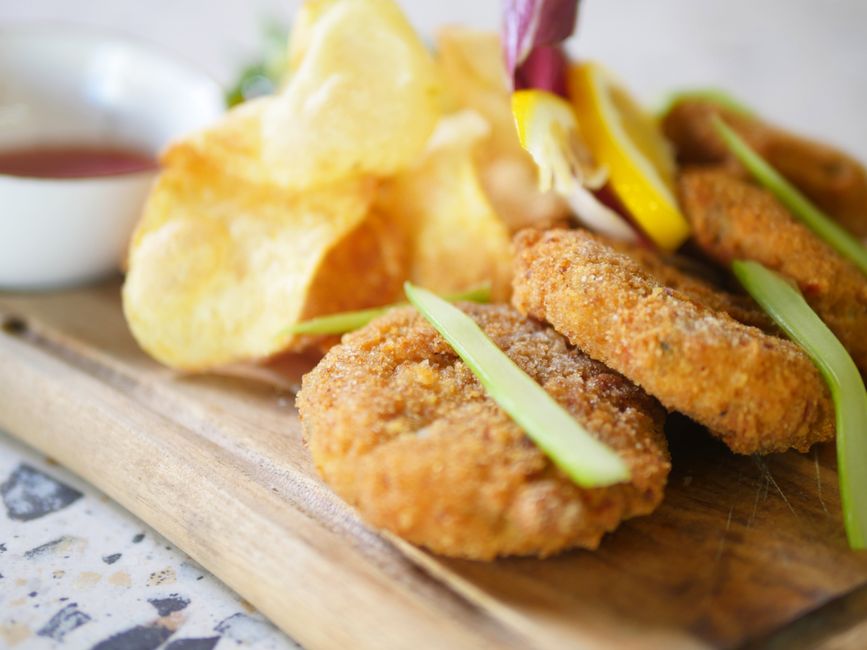
Cajun Crab Cakes No Breadcrumbs: A Pescetarian’s Dream of Flavor and Texture
The pursuit of the perfect crab cake is a culinary odyssey for many, a quest for that elusive balance of sweet crab meat, savory seasonings, and a delightful binder that holds it all together without overpowering the star ingredient. For those seeking a gluten-free alternative or simply a purer crab experience, the absence of breadcrumbs presents an exciting challenge and an opportunity for innovation. Cajun crab cakes, with their inherent bold flavors and spicy kick, lend themselves exceptionally well to a breadcrumb-free preparation. This approach not only highlights the delicate sweetness of the crab but also allows the vibrant aromatics of Cajun cuisine to truly shine. Unlike traditional crab cakes where breadcrumbs can act as a sponge, absorbing moisture and potentially leading to a gummy texture, a breadcrumb-free version relies on alternative binding agents that contribute their own unique characteristics to the final product. The goal is to achieve a tender, flaky interior with a beautifully crisp exterior, a testament to thoughtful ingredient selection and precise cooking techniques. This article will delve deep into crafting exceptional Cajun crab cakes without breadcrumbs, exploring essential ingredients, key preparation steps, and serving suggestions that will elevate your seafood experience.
The foundation of any superior crab cake, breadcrumb-laden or not, is high-quality crab meat. For Cajun crab cakes, prioritizing lump crab meat is paramount. Lump crab meat consists of larger pieces of body meat, separated from the shell, offering a superior texture and visual appeal. It retains its distinct crab flavor and breaks down less during mixing, contributing to a more substantial and satisfying bite. Jumbo lump crab meat is even more prized for its size and sweetness, making it an ideal choice for a truly indulgent crab cake. While canned lump crab meat can be a convenient option, fresh or high-quality pasteurized lump crab meat will always yield the most profound flavor and desirable texture. When selecting crab meat, it’s crucial to drain it thoroughly and gently pick through it for any stray shell fragments or cartilage. Overworking or over-handling the crab meat will result in a mushy crab cake, so a light touch is essential throughout the preparation process. The inherent sweetness of good crab meat is the canvas upon which the bold Cajun flavors will be painted.
The defining characteristic of Cajun crab cakes lies in their robust seasoning profile. This is where the magic happens, transforming simple crab into an explosion of taste. A traditional Cajun "trinity" of finely diced yellow onion, green bell pepper, and celery forms the aromatic base. These vegetables are typically sautéed until softened and slightly caramelized, releasing their sweet and pungent essences. The intensity of the onion, the subtle bitterness of the bell pepper, and the earthy notes of celery create a complex flavor foundation. Beyond the trinity, garlic is an indispensable component, providing its pungent depth. For Cajun crab cakes, a generous amount of minced fresh garlic is preferred over garlic powder for its brighter, more immediate flavor.
The spice element is non-negotiable. Cayenne pepper is the cornerstone of Cajun heat, offering a clean, fiery kick. The amount can be adjusted to personal preference, but a noticeable warmth is integral to the dish. Smoked paprika adds not only a beautiful reddish hue but also a layer of smoky sweetness that complements the crab and the heat of the cayenne. A pinch of dried thyme or oregano can introduce subtle herbaceous notes, further enhancing the complexity. Black pepper, freshly ground, adds its own pungent bite, and a touch of white pepper can offer a more nuanced heat that doesn’t leave visible flecks in the cake. Salt is, of course, essential for bringing all the flavors into harmony. Some Cajun purists might also incorporate a dash of Creole seasoning, a pre-mixed blend that often includes paprika, cayenne, garlic powder, onion powder, thyme, and oregano, offering a convenient shortcut to a complex flavor profile. The key is to build layers of flavor, ensuring each component contributes without being overpowering.
The absence of breadcrumbs necessitates a different approach to binding the crab cake mixture. Instead of relying on the absorbent qualities of breadcrumbs, we turn to other ingredients that contribute richness, emulsification, and a degree of structural integrity. Mayonnaise is a common and effective binder in breadcrumb-free crab cakes. Its oil and egg content provide richness and help to emulsify the mixture, creating a cohesive mass. Opting for a full-fat mayonnaise will yield the best results in terms of flavor and binding power. A good quality Dijon mustard can also play a dual role: it adds a subtle tang and emulsifies the mixture, contributing to a smoother, more unified crab cake. The acidity in mustard helps to cut through the richness of the mayonnaise and crab.
For an even richer and more binding effect, egg yolks are an excellent addition. Egg yolks are natural emulsifiers and contribute a luxurious mouthfeel. While a whole egg can be used, relying primarily on the yolks ensures a more tender and less "eggy" flavor. A touch of Worcestershire sauce, with its complex umami profile derived from anchovies, vinegar, and spices, adds another layer of savory depth and can contribute to the binding. Its tangy, slightly sweet, and savory notes are a classic accompaniment to seafood. Some recipes may also incorporate a small amount of finely grated Parmesan cheese, though this is less traditional for a strictly Cajun profile and should be used judiciously to avoid masking the crab flavor. The goal is to create a mixture that holds together when gently pressed but remains tender and moist, not dense or rubbery.
The preparation process for Cajun crab cakes without breadcrumbs requires precision and a gentle hand. Begin by sautéing the finely diced trinity and garlic in a good quality fat, such as unsalted butter or olive oil, until softened. This step is crucial for developing the foundational flavors and removing excess moisture from the vegetables. Allow the sautéed vegetables to cool completely before incorporating them into the crab mixture. This prevents the heat from "cooking" the crab meat prematurely, which can result in a tougher texture.
In a large bowl, gently combine the picked-through lump crab meat with the cooled sautéed vegetables. Add the mayonnaise, Dijon mustard, egg yolk(s), Worcestershire sauce, and all the desired Cajun seasonings. Fold these ingredients together gently with a spatula or your hands, ensuring everything is evenly distributed but without breaking up the lumps of crab meat. The mixture should be cohesive enough to hold its shape when pressed but still appear moist and tender. Overmixing will inevitably lead to a less desirable texture.
Forming the crab cakes also requires a delicate touch. Using a gentle hand, form the mixture into uniformly sized patties. A good guideline for size is approximately 2-3 ounces per crab cake. Overpacking or pressing too firmly will compact the crab meat and lead to a dense, tough cake. It’s often helpful to chill the formed crab cakes for at least 30 minutes to an hour. This allows the binders to set and firms up the mixture, making them easier to handle during the cooking process and preventing them from falling apart in the pan. This chilling step is particularly important for breadcrumb-free crab cakes as they lack the structural support that breadcrumbs provide.
The cooking method is critical for achieving that sought-after crispy exterior. Pan-frying is the most traditional and effective method for breadcrumb-free crab cakes. Heat a generous amount of high-smoke-point oil, such as canola or grapeseed oil, or a combination of oil and unsalted butter in a heavy-bottomed skillet over medium-high heat. The fat should be hot but not smoking excessively. Carefully place the chilled crab cakes into the hot oil, ensuring not to overcrowd the pan. Overcrowding will lower the oil temperature, resulting in greasy crab cakes and a lack of crispness.
Cook the crab cakes for approximately 3-5 minutes per side, or until they are deeply golden brown and beautifully crisp. The exact cooking time will depend on the thickness of the crab cakes and the heat of the oil. Resist the urge to move them around too much during cooking; allow them to develop a golden crust on one side before carefully flipping them with a thin spatula. Once cooked through and golden on both sides, remove the crab cakes from the pan and place them on a wire rack set over a baking sheet to drain any excess oil. This prevents them from becoming soggy on the bottom.
For a slightly healthier alternative, baking or broiling can also be employed, though achieving the same level of crispness as pan-frying can be more challenging. When baking, preheat the oven to 400°F (200°C). Lightly grease a baking sheet or line it with parchment paper. Place the formed crab cakes on the prepared sheet and bake for 15-20 minutes, flipping halfway through, until golden brown and cooked through. Broiling can be used in the final few minutes of baking to enhance browning and crispness, but requires close monitoring to prevent burning.
Serving Cajun crab cakes without breadcrumbs presents a wealth of culinary possibilities that allow the vibrant flavors of the crab and the Cajun seasoning to take center stage. A classic pairing is a squeeze of fresh lemon juice, its bright acidity cutting through the richness and enhancing the sweetness of the crab. A simple remoulade sauce, a creamy, tangy, and slightly spicy sauce, is an ideal accompaniment. Traditional remoulade often includes mayonnaise, Creole mustard, horseradish, hot sauce, and various relishes, creating a complex flavor profile that complements the crab cakes beautifully. A lighter option could be a spicy aioli, made by combining mayonnaise with garlic, lime juice, and a touch of hot sauce.
For a more substantial meal, serve Cajun crab cakes over a bed of creamy grits or a vibrant succotash. The creamy texture of grits provides a comforting contrast to the crispy crab cakes, while succotash, with its medley of corn, beans, and other vegetables, adds color and additional flavor dimensions. A simple side salad with a light vinaigrette can also provide a refreshing counterpoint. When plating, consider garnishes that echo the flavors of the crab cakes. Fresh parsley or chives add a burst of color and freshness. A few extra shakes of hot sauce or a sprinkle of smoked paprika can enhance the visual appeal and hint at the flavor within. The beauty of a breadcrumb-free crab cake lies in its ability to be the star of the plate, supported by complementary flavors and textures. The focus remains resolutely on the sweet, succulent crab meat, elevated by the bold, authentic spirit of Cajun cuisine.


