California is treating factory farm gas systems at dairy farms like they are devices that suck carbon from the air

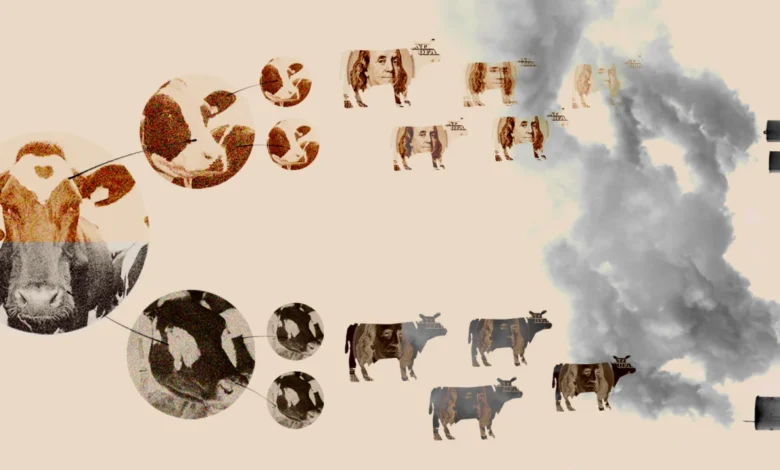
California’s ambitious climate agenda relies heavily on a controversial accounting framework that critics argue artificially inflates the state’s progress by counting single emissions reductions multiple times. At the heart of this issue are manure methane digesters installed on industrial dairy farms, which convert potent greenhouse gases into pipeline-ready natural gas. While state regulators defend the practice as an innovative strategy to clean up both agriculture and transportation, environmental advocates and policy analysts warn that the system is plagued by double-counting, undermines genuine climate accountability, and potentially incentivizes the very agricultural practices it is supposed to mitigate.
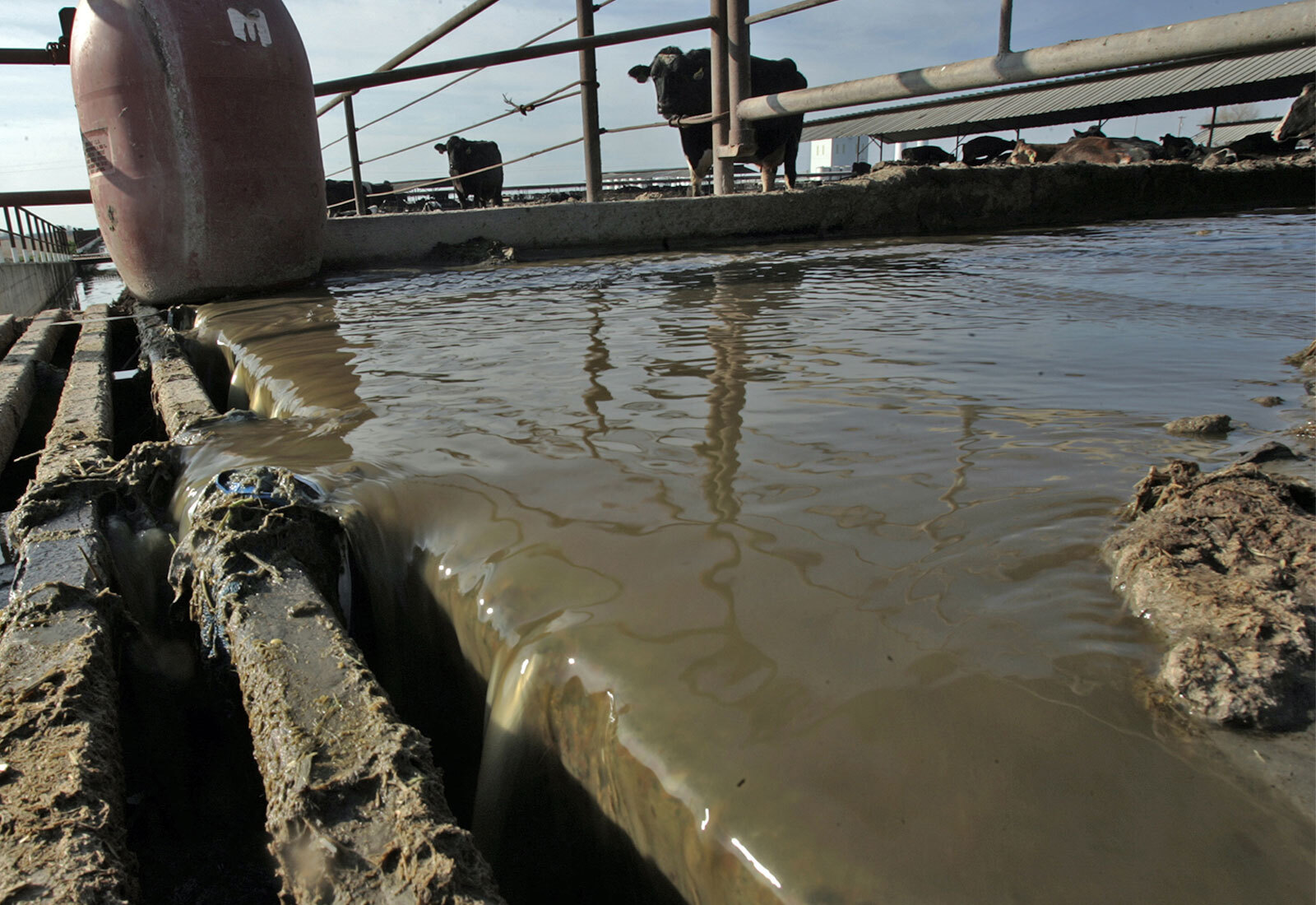
The scale of California’s dairy emissions challenge is immense. Livestock operations across the Golden State release hundreds of thousands of tons of methane annually, primarily generated by pooling liquid manure in massive open-air lagoons. Because methane possesses a global warming potential significantly greater than carbon dioxide over a 20-year timescale, curbing these emissions is vital. To achieve its statutory mandate—slashing statewide methane emissions by 40 percent below 2013 levels by the end of the decade—California has directed substantial public funds and regulatory backing toward capturing this gas before it escapes into the atmosphere.
State-funded interventions are projected to prevent 1.8 million tons of carbon dioxide equivalent (CO2e) from being emitted annually by the close of the current year. However, the regulatory apparatus has interwoven these agricultural interventions with the state’s transportation fuel policies, creating a complex web of overlapping credits and accounting maneuvers that obscures actual environmental impacts.
The Mechanics of Dual Attribution and Regulatory Double-Counting
The primary vehicle for this overlap is the Low Carbon Fuel Standard (LCFS), a premier climate program launched in 2011 by the California Air Resources Board (CARB). The LCFS aims to reduce the average carbon intensity of the state’s transportation fuel pool over time. Each year, CARB establishes a declining carbon intensity target. Producers of high-carbon fossil fuels, such as gasoline and diesel, generate deficits because their products emit high volumes of greenhouse gases per unit of energy. Conversely, alternative fuel producers generate lucrative credits if their products fall below the annual target.
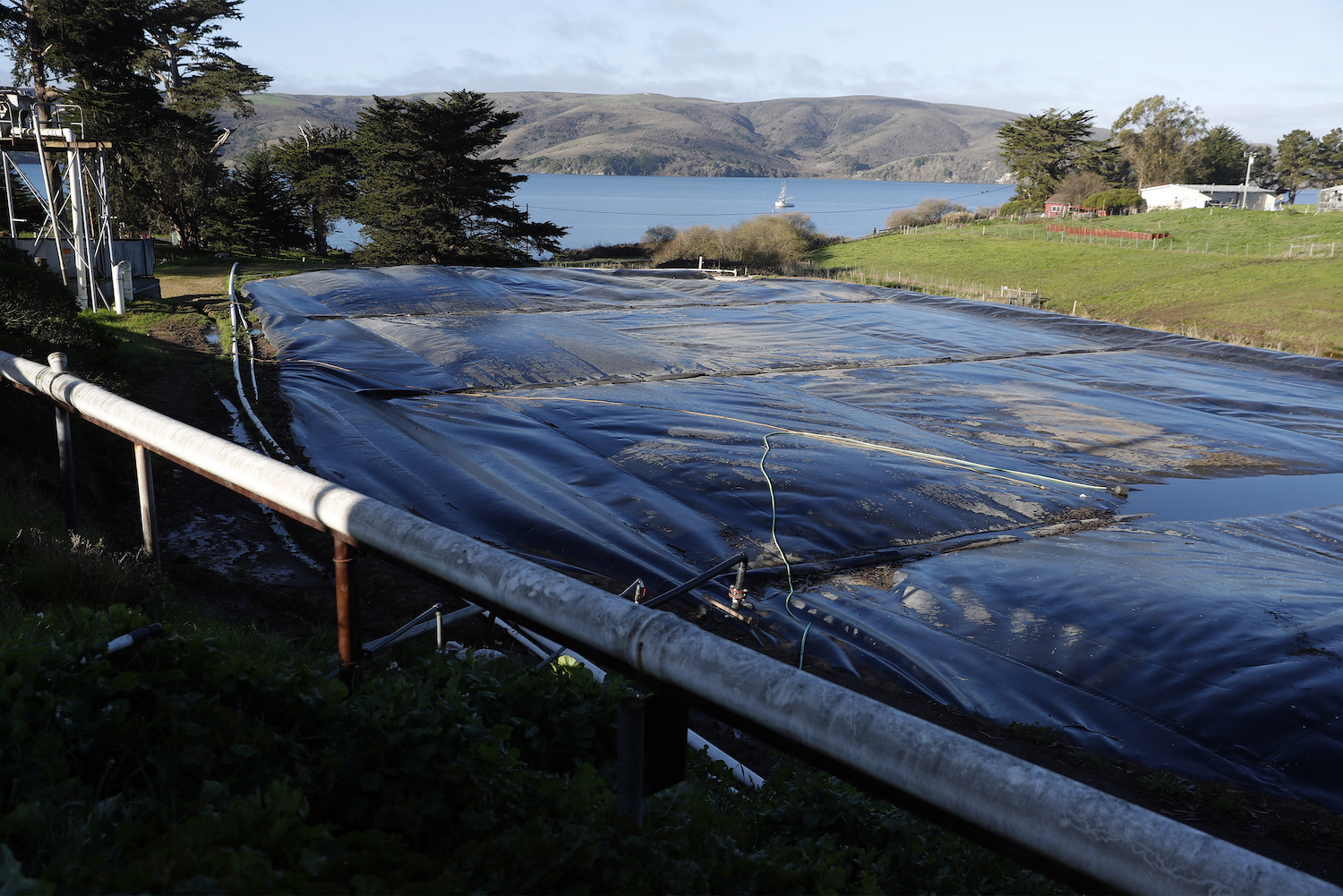
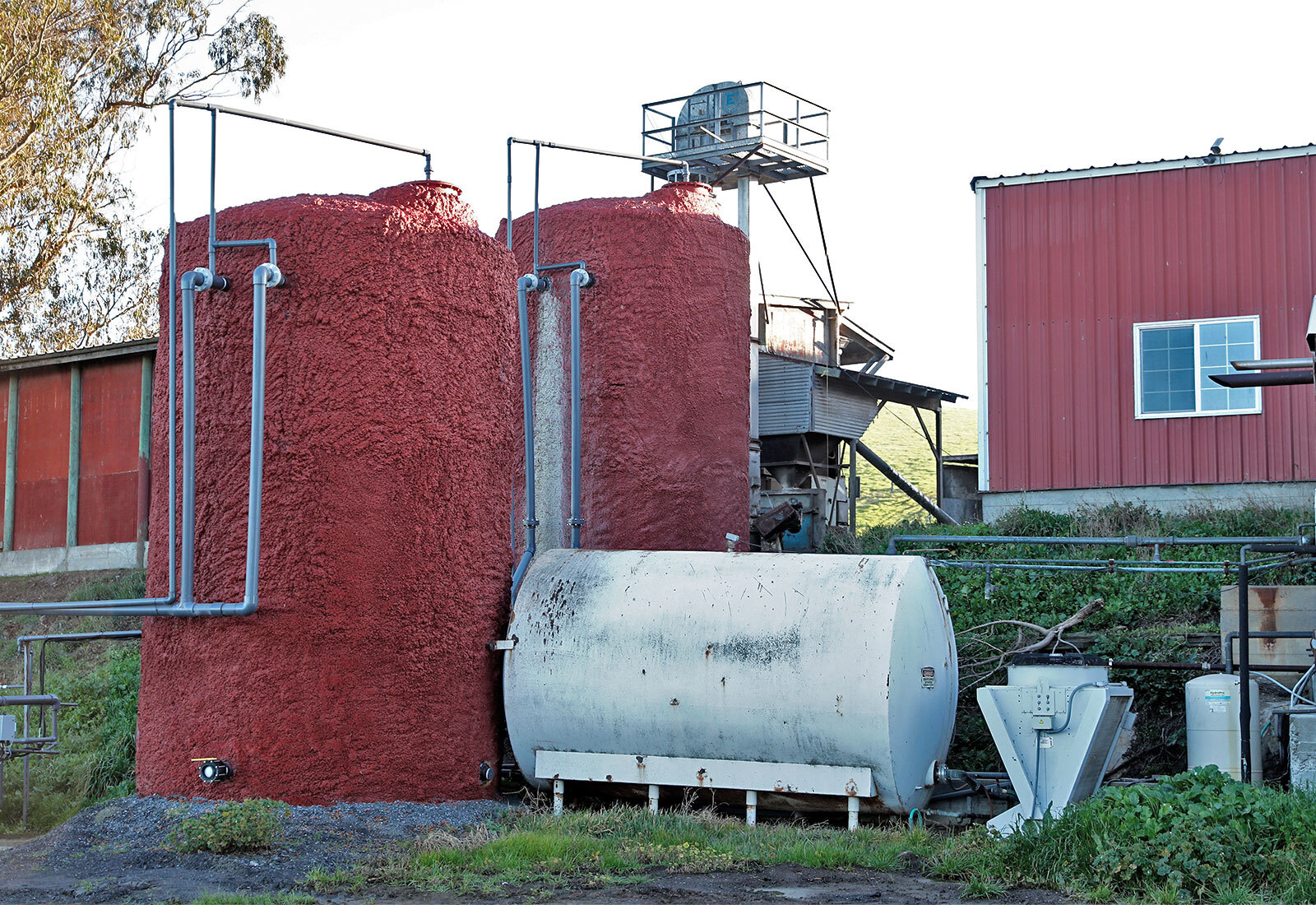
When dairy farms capture methane from manure lagoons, energy companies can refine the gas and inject it into the commercial pipeline network for use as a vehicle fuel. Under CARB’s "well-to-wheel" life-cycle analysis, the agency calculates emissions associated with both the production and combustion of a given fuel. Because dairy-derived natural gas prevents manure methane from venting into the atmosphere, CARB assigns the fuel a massive negative carbon intensity score.
In practice, this means the state treats dairy-derived natural gas as a carbon-negative fuel—essentially acting as though the production process vacuums carbon out of the sky. Consequently, an energy company selling this fuel generates substantial LCFS credits, which can then be sold to fossil fuel refiners to offset their ongoing emissions.
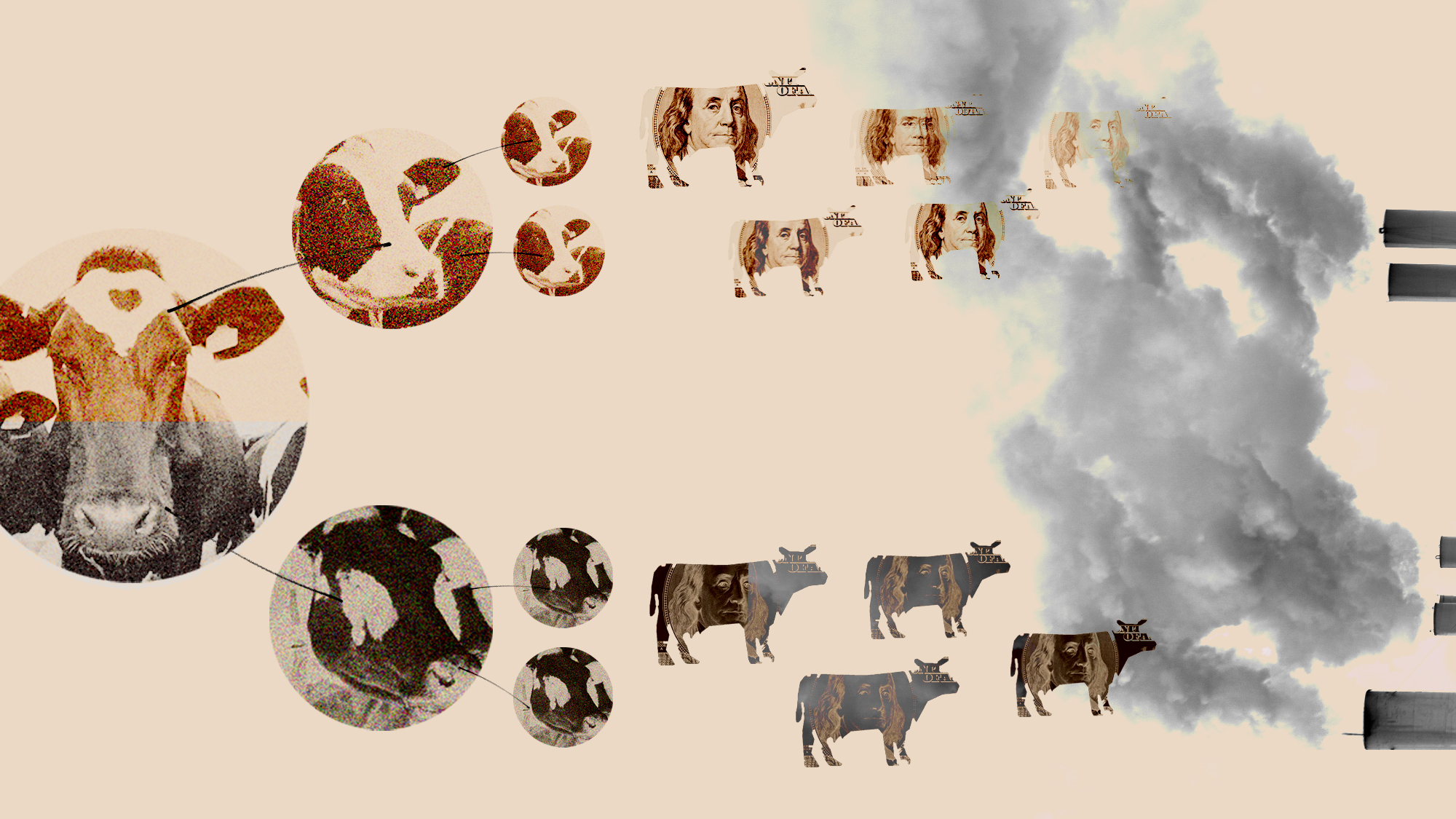
Simultaneously, CARB logs these exact same avoided emissions toward its sector-specific mandate to reduce agricultural and livestock methane by 2030. Analysts and legal experts argue this constitutes textbook double-counting.
"That is a classic case of double counting," said Danny Cullenward, a policy director at the nonprofit Carbon Plan. "The same ton is counted in two places."
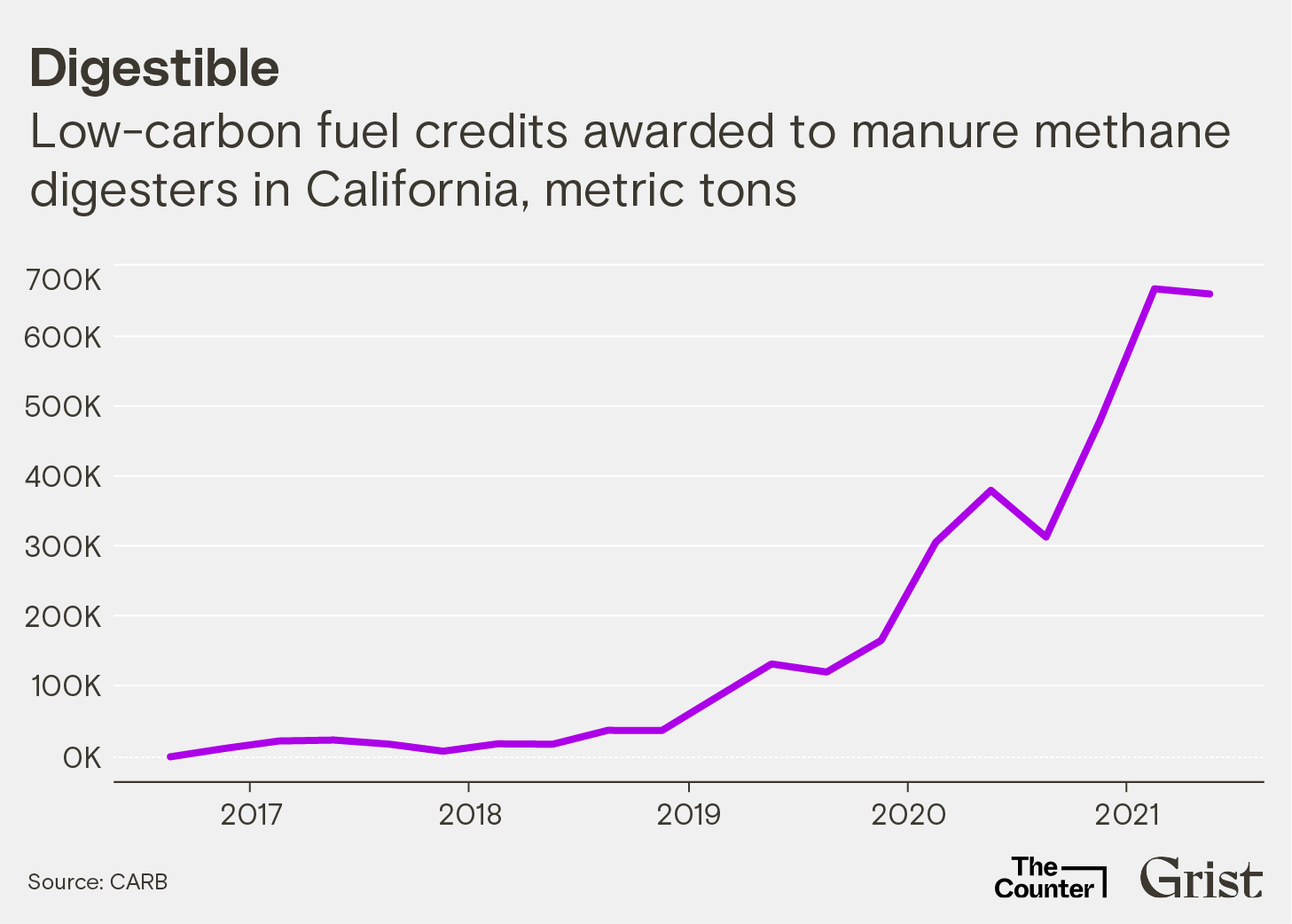
An analysis of publicly available data by independent reporting outlets has revealed numerous documented instances where single dairy operations utilize public grants or mitigation funds to build digesters, count those reductions toward agricultural sector targets, and simultaneously feed credits into the LCFS market. Aggregate program data highlights the sheer magnitude of this dynamic: manure-based fuels generated over 2.1 million LCFS credits in 2021 alone, accounting for roughly 10 percent of all credits issued that year despite representing a minor fraction of total alternative fuel volumes.
Chronology of Climate Programs and the Aliso Canyon Intersection
The overlapping framework governing dairy methane did not emerge overnight; it is the product of a decade-long evolution in California climate policy.
In 2011, CARB implemented the LCFS, establishing the market framework for low-carbon fuels. Over the subsequent years, the California Department of Food and Agriculture (CDFA) began issuing direct grants to livestock operations to offset the capital costs of building methane digesters. For instance, in 2018, the CDFA awarded a $1.9 million grant to Calgren Dairy Fuels to install a digester at the 11,000-head Vander Poel Dairy in Tulare County, a project estimated to prevent 290,000 metric tons of CO2e emissions over a decade.
The regulatory entanglement deepened following a massive environmental disaster in late 2015. A catastrophic natural gas leak at the Aliso Canyon underground storage facility in Los Angeles County—operated by Southern California Gas Company (SoCalGas)—released approximately 109,000 metric tons of methane into the atmosphere over 112 days, forcing thousands of residents from their homes.
To resolve legal liabilities and mitigate the climate damage from the disaster, CARB negotiated the Aliso Canyon Mitigation Agreement. Under the terms of this agreement, SoCalGas was compelled to finance methane-reduction projects. CARB subsequently distributed more than $25 million in loans and funds to California dairy farms to construct manure digesters designed to offset the exact volume of methane leaked at Aliso Canyon.
However, a coalition of environmental justice groups and legal advocates—including Public Justice and Food & Water Watch—filed a formal administrative petition pointing out a profound regulatory contradiction. Eight dairy digester projects funded through the Aliso agreement to offset the 2015 disaster are simultaneously enrolled in the LCFS program.
According to petitioners, this dual participation produces a perverse climate outcome. When a dairy digester generates and sells an LCFS credit to a fossil fuel producer, that credit legally permits the buyer to emit more greenhouse gases than regulations would otherwise allow. Consequently, the methane reductions achieved under the Aliso agreement are nullified on a one-to-one basis because the generated credits authorize an equivalent amount of fossil emissions elsewhere in the economy.
The Debate Over Additionality and Financial Stacking
At the core of the criticism against CARB’s methodology is the foundational climate policy principle of "additionality." In carbon accounting, an emissions reduction project is considered additional only if the climate benefit would not have occurred without the specific program or incentive in question.
Critics argue that if a dairy farm has already received millions of dollars in direct government grants from the CDFA or mandatory mitigation funds from the Aliso agreement to construct a methane digester, the subsequent issuance of LCFS credits fails the additionality test. Under these conditions, the LCFS program does not incentivize the installation of the digester; rather, it provides a secondary financial windfall for infrastructure that was already fully financed by other means.
"There is no causal link between the LCFS and those reductions happening," said Brent Newell, an environmental attorney who previously represented community petitioners. "We need to have actual reductions, not paper reductions."
Conversely, representatives of the dairy and agricultural sectors strongly defend the practice of combining, or "stacking," multiple funding streams. Michael Boccadoro, executive director of the industry coalition DairyCares, maintains that constructing and operating complex anaerobic digesters involves prohibitive capital costs. Without stacking grants, mitigation loans, and LCFS credit revenues, Boccadoro argues, the technology remains economically unviable for the vast majority of producers.
"It takes the stacking of incentives to make the projects work," Boccadoro stated.
Economic Incentives and Perverse Market Outcomes
The financial potency of stacking incentives has transformed dairy waste management into a highly lucrative enterprise. Major energy conglomerates, including Chevron, have poured capital into California dairy digester projects, projecting double-digit financial returns driven largely by the negative carbon intensity scores assigned to manure-derived natural gas under the LCFS.
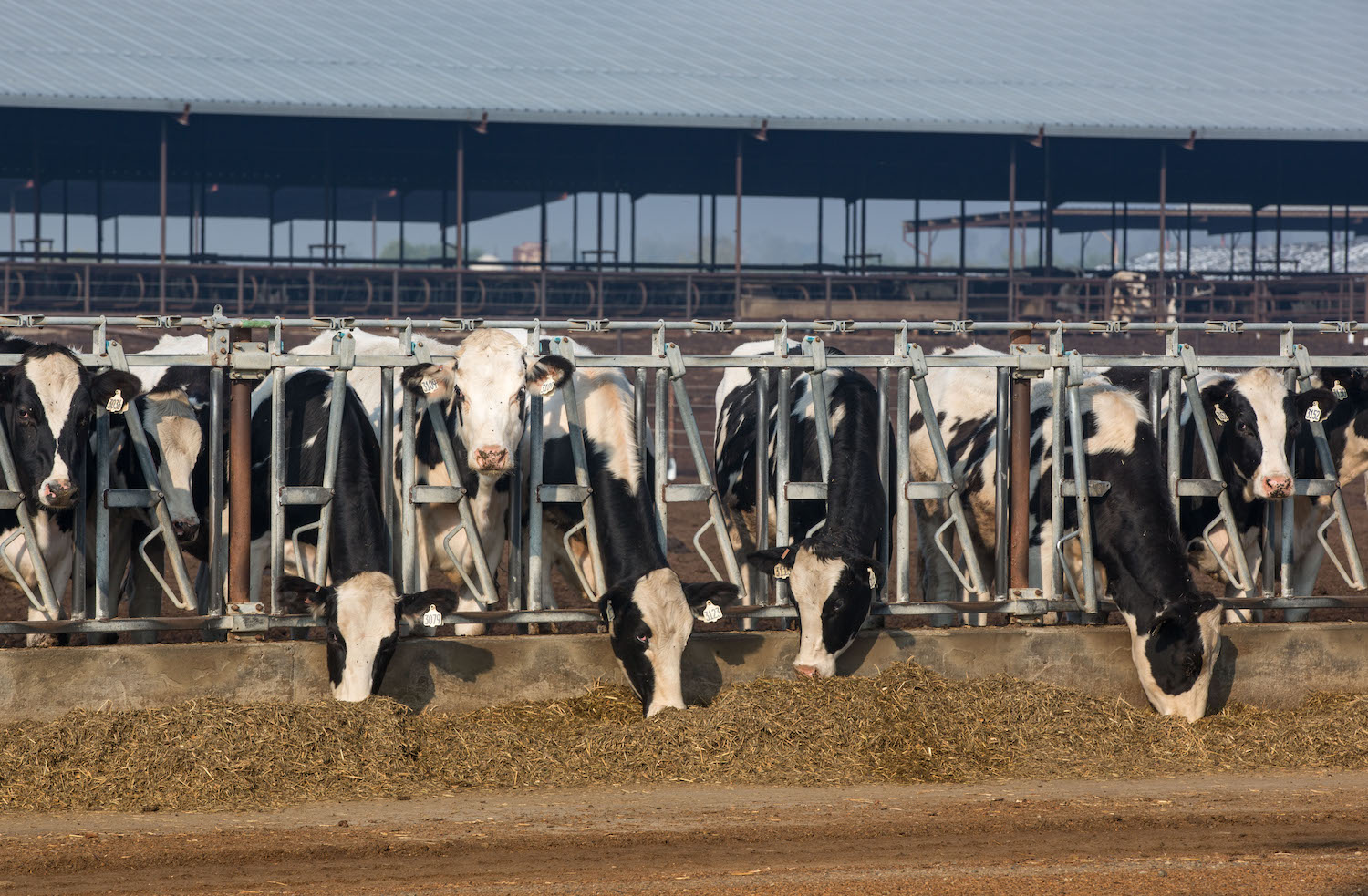
This dynamic introduces a troubling economic incentive: when the management and monetization of manure-derived methane become highly profitable revenue streams, farms may inadvertently be rewarded for maintaining or expanding manure production. Rather than incentivizing structural reductions in herd size or alternative livestock management practices that produce less waste, the framework heavily subsidizes industrial confinement models that generate massive volumes of liquid manure in the first place.
Official Responses and Future Outlook
Faced with mounting pressure from legal petitions and environmental watchdogs, CARB has defended its administrative framework. In its formal response denying the public petition, the agency asserted that state law does not explicitly require an additionality test for the LCFS program.
Furthermore, CARB argued that its programs intentionally utilize complementary mechanisms to drive decarbonization across interconnected sectors.
"California’s numerous greenhouse gas emissions reduction programs often incentivize emissions reductions in the same sector," an agency spokesperson noted in correspondence with journalists. The board maintains that by encouraging methane capture at dairies and redirecting that gas into the transportation sector, the state simultaneously supports agricultural emission reductions and displaces fossil fuels.
Despite ongoing criticisms regarding double-counting and the lack of additionality safeguards, the expansion of the dairy digester network continues at a rapid pace. CARB’s internal reports indicate that dozens of additional digesters are currently under construction, with nearly a hundred more projected to come online. As these new facilities begin operations, they are expected to seamlessly integrate into the LCFS credit market, locking in the state’s reliance on a carbon-accounting architecture that remains a focal point of fierce debate among climate scientists, regulators, and industry stakeholders.