
Category Southeast Asian Cuisine

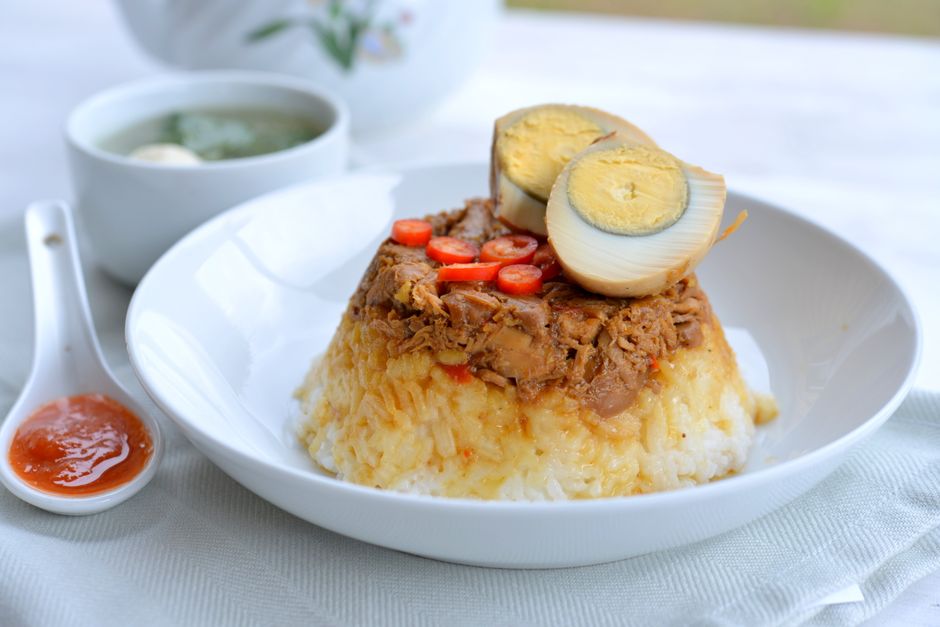
Southeast Asian Cuisine: A Tapestry of Flavors, Aromas, and Culinary Traditions
Southeast Asian cuisine is not a monolithic entity but a vibrant mosaic of distinct culinary landscapes, unified by a shared geography and a profound appreciation for fresh ingredients, complex flavor profiles, and age-old cooking techniques. From the fragrant herbs and spices of Thailand and Vietnam to the rich coconut milk curries of Malaysia and Indonesia, and the bold, piquant dishes of the Philippines, this region offers an unparalleled gastronomic adventure. The core of Southeast Asian cooking lies in its masterful balancing of five fundamental tastes: sweet, sour, salty, bitter, and spicy (umami often plays a supporting role). This intricate interplay is achieved through a judicious use of indigenous ingredients, many of which are unique to the region.
The foundational aromatics that define Southeast Asian cooking are indispensable. Lemongrass, with its bright, citrusy notes, is a staple across Vietnam, Thailand, and Malaysia. Galangal, a close relative of ginger, provides a sharper, more peppery and pine-like flavor, prevalent in Thai and Indonesian dishes. Kaffir lime leaves, with their intensely floral and citrusy aroma, are crucial in Thai and Laotian curries and soups. Garlic and shallots form the aromatic bedrock of countless dishes, providing a savory depth. Chili peppers, in their myriad forms – from the fiery bird’s eye to the milder jalapeño – are responsible for the characteristic heat, with regional preferences dictating the intensity. Fresh herbs, such as cilantro, mint, Thai basil, and holy basil, are not merely garnishes but integral components, contributing vibrant freshness and distinct flavor profiles that elevate dishes from mere sustenance to culinary artistry.
The importance of fresh, seasonal produce cannot be overstated in Southeast Asian cooking. Markets teem with an astonishing array of vegetables, fruits, and herbs, all meticulously prepared. Think of the crisp water spinach (kangkong) stir-fried with chili and garlic, the tender bamboo shoots found in Thai curries, or the succulent mangoes and papayas that grace both sweet and savory dishes. Tropical fruits like durian, rambutan, and mangosteen add unique textures and flavors, finding their way into desserts, snacks, and even some savory preparations. The consistent availability of these fresh ingredients allows for a dynamic and ever-evolving culinary scene, where chefs and home cooks alike can experiment and innovate while staying true to the region’s core principles.
The protein sources in Southeast Asian cuisine are as diverse as the region itself. Seafood, naturally, plays a dominant role, with fresh fish, shrimp, squid, and shellfish featuring prominently in coastal areas. The abundant waterways and fertile plains also support a thriving poultry and pork industry, with these meats often marinated and stir-fried, grilled, or braised. Beef, while less common in some regions, is a key ingredient in iconic dishes like Vietnamese pho and Malaysian rendang. Tofu and tempeh, derived from soybeans, are crucial vegetarian and vegan protein sources, celebrated for their ability to absorb flavors and their versatile textures. The meticulous preparation of proteins, whether it’s the slow braising of beef in coconut milk for rendang or the quick searing of shrimp for a Thai stir-fry, demonstrates a deep understanding of how to maximize their inherent flavors and textures.
The concept of balance is paramount. A dish is considered successful when it achieves harmony between the primary taste sensations. For example, a Thai green curry will typically balance the creamy sweetness of coconut milk with the salty depth of fish sauce, the sour tang of lime, the bitter undertones of certain herbs, and the fiery heat of chilies. This deliberate juxtaposition of flavors creates a complex and deeply satisfying eating experience. This philosophy extends to the presentation of a meal, where a variety of dishes are often served together, allowing diners to create their own perfect flavor combinations.
The influence of trade and historical migrations has left an indelible mark on Southeast Asian cuisines. Chinese immigrants introduced staple ingredients like rice noodles, soy sauce, and certain stir-frying techniques. Indian traders brought spices like cumin, coriander, and turmeric, contributing to the rich curries of Malaysia and Indonesia. The colonial powers, particularly the French, introduced ingredients like baguettes and coffee, which have been wonderfully integrated into the local food cultures, most notably in Vietnam with the beloved banh mi sandwich and Vietnamese iced coffee. This historical fusion has created a culinary tapestry that is both deeply rooted in tradition and remarkably open to innovation.
Let’s delve into the distinct culinary identities of key Southeast Asian nations.
Thai Cuisine: Renowned for its vibrant flavors and aromatic complexity, Thai cuisine is a global favorite. Key ingredients include lemongrass, galangal, kaffir lime leaves, chili peppers, fish sauce, and coconut milk. Iconic dishes include Pad Thai (stir-fried rice noodles), Tom Yum Goong (spicy shrimp soup), Green Curry, and Massaman Curry. Thai cooking emphasizes a harmonious blend of sweet, sour, salty, and spicy, often achieved through fresh herbs and expertly balanced sauces. The regional variations are significant, with the north favoring milder flavors and influencing from Burma, while the south boasts spicier dishes with a greater emphasis on seafood. The art of Thai street food is legendary, offering an accessible and delicious entry point into the country’s diverse culinary offerings.
Vietnamese Cuisine: Characterized by its emphasis on fresh herbs, light broths, and balanced flavors, Vietnamese cuisine is healthy and incredibly flavorful. Rice and rice noodles are central. Lemongrass, mint, cilantro, and basil are used generously. Key dishes include Pho (noodle soup), Banh Mi (baguette sandwich), Goi Cuon (fresh spring rolls), and Bun Cha (grilled pork with noodles). Vietnamese cuisine often employs a philosophy of yin and yang, with complementary textures and flavors. The influence of French colonialism is evident in the use of baguettes and coffee, creating unique fusion dishes. The southern regions tend to be sweeter, while the north offers more savory and complex broths.
Malaysian Cuisine: A melting pot of Malay, Chinese, and Indian influences, Malaysian cuisine is known for its rich, bold, and often spicy flavors. Coconut milk, chili, turmeric, cumin, and coriander are prominent. Signature dishes include Nasi Lemak (coconut rice), Rendang (slow-cooked spiced meat), Satay (grilled skewers), and Laksa (spicy noodle soup). The interplay of cultures is evident in the diverse culinary landscape, with distinct Chinese-influenced noodle dishes and Indian-inspired curries coexisting alongside traditional Malay fare. The concept of "Rasa" (flavor) is deeply ingrained, with an emphasis on layered and complex taste profiles.
Indonesian Cuisine: The largest nation in Southeast Asia boasts an incredibly diverse culinary heritage, influenced by centuries of trade and migration. Coconut milk, chili, turmeric, ginger, and galangal are essential. Popular dishes include Nasi Goreng (fried rice), Satay, Gado-Gado (vegetable salad with peanut sauce), and Rendang. Each island and region has its own specialties, from the fiery sambals of Java to the intricate spice blends of Sumatra. The use of sambal, a chili paste, is ubiquitous and comes in countless variations. The emphasis is on deep, complex flavors, often achieved through slow cooking and the liberal use of aromatic spices.
Filipino Cuisine: Characterized by its unique blend of indigenous ingredients and influences from Spanish, Chinese, and American colonizers, Filipino cuisine is known for its sweet, sour, and savory profiles. Vinegar, soy sauce, garlic, and onions are fundamental. Iconic dishes include Adobo (meat stewed in vinegar and soy sauce), Sinigang (sour soup), Lechon (roasted pig), and Pancit (noodle dishes). The concept of ulam (a main dish served with rice) is central to Filipino meals. The flavors can be intensely savory and tangy, with a surprising sweetness that balances the overall profile. The communal aspect of eating, with families sharing dishes from a common table, is a cherished tradition.
Singaporean Cuisine: Similar to Malaysia, Singaporean cuisine is a vibrant fusion of Malay, Chinese, and Indian influences. It’s a microcosm of Southeast Asian flavors, with a strong emphasis on hawker culture. Dishes like Hainanese Chicken Rice, Chili Crab, Laksa, and Char Kway Teow are celebrated. Singaporean food is renowned for its efficiency and accessibility, with a focus on quick, flavorful meals served in bustling hawker centers. The nation’s status as a global hub means it also incorporates international influences, but the core remains firmly rooted in the region’s traditional flavors.
Cambodian Cuisine: Often overlooked but deeply flavorful, Cambodian cuisine shares similarities with its neighbors but possesses its own distinct identity. It tends to be milder than Thai food, with a greater emphasis on fresh herbs and fermented ingredients. Fish sauce, lemongrass, garlic, and galangal are key. Popular dishes include Amok (steamed fish curry), Lok Lak (stir-fried beef), and Kuy Teav (noodle soup). The use of prahok, a fermented fish paste, adds a unique depth of flavor to many dishes. The cuisine is characterized by its subtle yet complex flavor profiles, focusing on fresh ingredients and delicate balancing of tastes.
Laotian Cuisine: Sharing many similarities with Thai cuisine, Laotian food has its own unique characteristics, including a greater reliance on sticky rice as a staple and the prominent use of fermented fish sauce (padaek). Lemongrass, galangal, and chili are common. Signature dishes include Larb (minced meat salad), Tam Mak Hoong (spicy green papaya salad), and Khao Piak Sen (noodle soup). Laotian cuisine is often characterized by its fresh, herbaceous, and slightly pungent flavors. The communal eating style, where dishes are shared and scooped with sticky rice, is a hallmark of Lao dining.
Myanmar (Burmese) Cuisine: Burmese cuisine is a fascinating blend of Indian, Chinese, and Thai influences, creating a unique flavor profile. It’s known for its use of fermented tea leaf salad (laphet thoke), curries, and noodles. Ingredients like ginger, garlic, chili, and turmeric are prominent. Distinctive dishes include Mohinga (fish noodle soup), Shan Noodles, and various curry dishes. The use of oil in curries is generally more pronounced than in some other Southeast Asian cuisines, contributing to a richer mouthfeel. The emphasis is on a complex layering of flavors, often with a balance of savory, sour, and spicy notes.
The cooking techniques employed in Southeast Asian cuisine are as varied as the ingredients themselves. Stir-frying, a rapid cooking method over high heat, is prevalent, preserving the crispness and vibrant colors of vegetables and meats. Steaming, whether it’s fish, dumplings, or rice, is a healthy and effective way to cook, allowing the natural flavors to shine. Grilling and barbecuing are popular for marinated meats and seafood, imparting a smoky char. Braising and simmering, particularly in curries and stews, allow for deep flavor infusion and tenderization of tougher cuts of meat. Frying, while not always the healthiest, is used to achieve delightful crisp textures in dishes like spring rolls and certain noodle preparations. The use of woks, bamboo steamers, and mortar and pestles are essential tools in many Southeast Asian kitchens.
Beyond the individual dishes, the experience of eating Southeast Asian food is deeply cultural. Meals are often communal affairs, with family and friends gathering around a table laden with various dishes, all meant to be shared. The act of scopping rice with one’s hands (in some cultures) or using chopsticks or utensils to combine different flavors and textures on a single plate is an integral part of the dining ritual. The emphasis is on conviviality and shared enjoyment, transforming a meal into a social and sensory experience.
In conclusion, Southeast Asian cuisine is an extraordinary culinary tradition that offers a journey through a spectrum of tastes, aromas, and textures. Its emphasis on fresh ingredients, the masterful balance of flavors, and the rich tapestry of cultural influences make it one of the world’s most beloved and dynamic food regions. Whether one is savoring the fiery heat of a Thai curry, the delicate freshness of Vietnamese herbs, or the rich, complex spices of an Indonesian rendang, the experience is always one of discovery and delight. The continued evolution of these cuisines, while respecting their profound traditions, ensures that Southeast Asian food will continue to captivate palates for generations to come.


