Mushroom Onion Matzo Kugel

Mushroom Onion Matzo Kugel: A Savory Passover Delight
The mushroom onion matzo kugel is a classic Ashkenazi Jewish dish, often gracing tables during the Passover holiday. Its appeal lies in its simplicity, versatility, and ability to transform humble ingredients into a deeply satisfying savory bake. This kugel, unlike its sweeter counterparts, offers a delightful umami-rich experience, showcasing the earthy depth of mushrooms and the sweet pungency of caramelized onions, all bound together by the unique texture of matzo. Understanding the fundamental components and preparation methods is key to mastering this comforting culinary creation, making it an accessible yet impressive addition to any festive meal. Its adaptability allows for variations, catering to different dietary needs and flavor preferences, solidifying its status as a beloved and adaptable dish within Jewish cuisine.
The foundation of any successful mushroom onion matzo kugel rests on the quality and preparation of its core ingredients. Matzo, a unleavened bread, is the star, providing structure and a distinctive textural element. For this savory application, it’s crucial to break the matzo into manageable pieces, avoiding overly fine crumbs that can lead to a mushy final product. Many recipes call for soaking the matzo in water or broth for a short period, allowing it to soften and become pliable, but not dissolving into a paste. The ideal soak time is a delicate balance; over-soaking will result in a kugel that lacks definition and can become waterlogged. Conversely, insufficient soaking will leave pockets of tough, dry matzo within the finished dish. Experimentation with different types of matzo—plain, whole wheat, or even egg matzo (though less traditional for a savory bake)—can subtly influence the final flavor and texture. The goal is to achieve a softened, yet still somewhat discernible, matzo base that can absorb the flavors of the other ingredients and hold its shape during baking.
Mushrooms are the other principal player, contributing significant flavor and moisture. A combination of mushroom varieties often yields the most complex taste profile. While basic white button mushrooms are perfectly acceptable, incorporating cremini (baby bellas), shiitake, or portobello mushrooms will elevate the dish. Cremini mushrooms offer a slightly deeper, earthier flavor than button mushrooms, while shiitake mushrooms bring a rich, meaty umami. Portobellos, with their substantial texture, can add a pleasing chewiness. The preparation of these mushrooms is paramount. They should be cleaned thoroughly, removing any dirt, and then sliced or roughly chopped. Overcrowding the pan when sautéing mushrooms will lead to steaming rather than browning, resulting in a watery and less flavorful mushroom component. Sautéing in batches, until they release their moisture and begin to develop a golden-brown color, is essential for concentrating their flavor and achieving a desirable texture. This browning process, known as the Maillard reaction, is responsible for developing those complex, savory notes that are so crucial to the kugel.
Onions are the aromatic backbone, providing sweetness and depth. Yellow or Spanish onions are typically preferred for their balanced flavor and ability to caramelize beautifully. The key to unlocking their sweetness lies in slow and low cooking. Finely dicing or thinly slicing the onions and then sautéing them gently in oil or butter over medium-low heat for an extended period allows them to soften, sweeten, and develop a rich, golden-brown hue. This process, known as caramelization, transforms the sharp bite of raw onion into a mellow, deeply savory sweetness that complements the mushrooms perfectly. Rushing this step will result in undercooked onions with a harsh flavor. Some recipes incorporate a touch of sugar to accelerate the caramelization process, but patient cooking is generally the superior method for achieving the best flavor. The aroma of slowly caramelizing onions filling the kitchen is a promise of the deliciousness to come.
The binding agents and seasonings are what bring all these elements together into a cohesive and flavorful kugel. Eggs are the primary binder, providing structure and richness. The number of eggs will vary depending on the amount of matzo and other ingredients, but they should be lightly beaten and incorporated thoroughly. For a richer kugel, extra egg yolks can be added. Broth or water is often used to moisten the matzo and create a cohesive mixture. Vegetable broth or mushroom broth can further enhance the savory flavor profile. For a vegetarian or vegan version, a good quality vegetable broth is essential. Seasoning is straightforward but impactful. Salt and freshly ground black pepper are fundamental. Garlic, minced and sautéed with the onions or added raw, provides another layer of aromatic complexity. Fresh herbs like parsley or chives, finely chopped, can add a burst of freshness and color. For a more robust flavor, a pinch of nutmeg or a dash of paprika can be incorporated. The goal is to season judiciously, allowing the natural flavors of the mushrooms and onions to shine through.
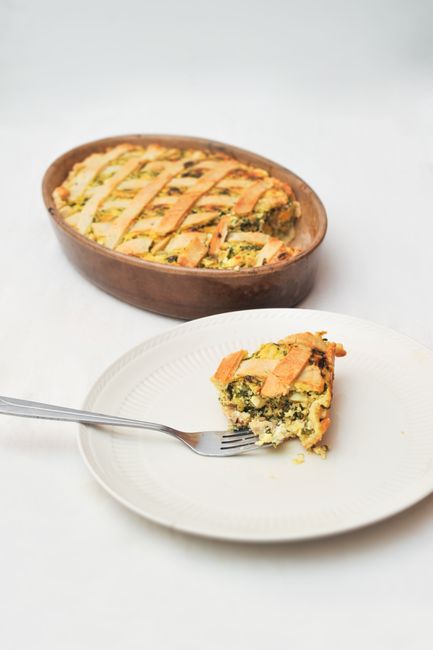
The assembly and baking process are crucial for achieving the desired texture and doneness. Once the matzo is softened, and the mushrooms and onions are sautéed and cooled slightly, all the ingredients are combined in a large bowl. The beaten eggs, broth, and seasonings are added, and the mixture is gently but thoroughly mixed. It’s important not to overmix, which can make the matzo too mushy. The kugel mixture is then transferred to a greased baking dish. A standard 9×13 inch baking dish is common. For a crispier top and edges, the dish can be lightly greased with butter or oil. Some bakers advocate for lining the dish with parchment paper for easier cleanup. The baking temperature and time will vary depending on the oven and the desired level of crispness. A moderate oven, typically around 350°F (175°C), is usually employed. Baking time can range from 45 minutes to over an hour. The kugel is done when it’s set in the center, has a golden-brown crust, and the edges are slightly crispy. A skewer or knife inserted into the center should come out relatively clean. Allowing the kugel to rest for 10-15 minutes after baking before slicing is recommended, as this allows it to firm up and makes for cleaner cuts.
Variations on the mushroom onion matzo kugel abound, offering opportunities to personalize the dish and cater to specific dietary needs or flavor preferences. For a richer, more decadent version, a touch of heavy cream or sour cream can be added to the egg mixture. This will create a creamier, more luxurious texture. To incorporate additional vegetables, finely diced bell peppers, carrots, or zucchini can be sautéed with the onions and mushrooms. For a vegetarian twist, consider adding crumbled firm tofu or tempeh, sautéed until golden brown, to provide additional protein and a satisfying chew. For a dairy-free or vegan adaptation, the eggs can be substituted with a mixture of silken tofu blended with a tablespoon of nutritional yeast and a splash of plant-based milk. The butter used for sautéing can be replaced with olive oil or vegan butter. Ensuring that the matzo is soaked in vegetable broth rather than water will further enhance the savory depth of a vegan kugel.
The mushroom onion matzo kugel is not exclusively a Passover dish, though it is a staple during the holiday due to the prohibition of leavened bread. Its satisfying nature and complex flavor profile make it a welcome addition to any meal, year-round. It serves as an excellent side dish to roasted meats, poultry, or fish. It can also stand on its own as a light vegetarian main course, perhaps accompanied by a fresh green salad. The kugel reheats remarkably well, making it a convenient option for meal preparation or for enjoying leftovers. Some people even enjoy it cold, as a savory "bread" option. Its ability to absorb and hold flavors also makes it an ideal candidate for creative flavor infusions. Consider adding a pinch of smoked paprika for a smoky depth, a tablespoon of truffle oil for an elevated umami experience, or a generous amount of grated Parmesan cheese (if not keeping kosher for Passover or observing dairy-free restrictions) for an extra layer of savory deliciousness.
The SEO potential of the mushroom onion matzo kugel lies in its specific keywords and its relevance to popular search queries. Keywords such as "matzo kugel recipe," "Passover kugel," "savory kugel," "mushroom recipes," "onion recipes," and "holiday side dishes" are highly searchable. By incorporating these terms naturally throughout the article, and by using descriptive language that highlights the dish’s attributes, search engines will be more likely to rank this content favorably. The comprehensive nature of this article, covering ingredients, preparation, variations, and serving suggestions, also contributes to its SEO value by providing in-depth information that users are seeking. Detailed descriptions of the cooking processes, such as the caramelization of onions and the sautéing of mushrooms, offer valuable insights that searchers might be looking for when attempting to recreate the dish. The emphasis on texture and flavor also appeals to culinary enthusiasts.
The cultural significance of matzo kugel, particularly during Passover, adds another layer to its appeal and searchability. Many individuals will be actively searching for recipes and information related to traditional Passover dishes. The mushroom onion variation offers a less common but equally delicious alternative to the more prevalent sweet matzo kugel. Highlighting its savory nature distinguishes it and attracts a different segment of searchers who might be looking for non-traditional or unexpected Passover fare. The adaptability of the recipe to dietary restrictions, such as vegetarian or vegan options, further broadens its reach and caters to a growing online interest in plant-based cooking and inclusive holiday meals. This comprehensive approach ensures that the article addresses a wide range of potential search queries related to matzo kugel and its various iterations. The inherent comfort food appeal of kugel, combined with the earthy flavors of mushrooms and onions, creates a universally appealing dish that resonates with a broad audience searching for delicious and satisfying meal ideas. The detailed instructions and troubleshooting tips embedded within the article will also be valuable for users who are new to making matzo kugel, increasing their chances of success and fostering a positive user experience. This holistic approach to content creation, focusing on detail, clarity, and keyword integration, is paramount for achieving strong SEO performance.