
Chard Lentil Soup Lebanese Style
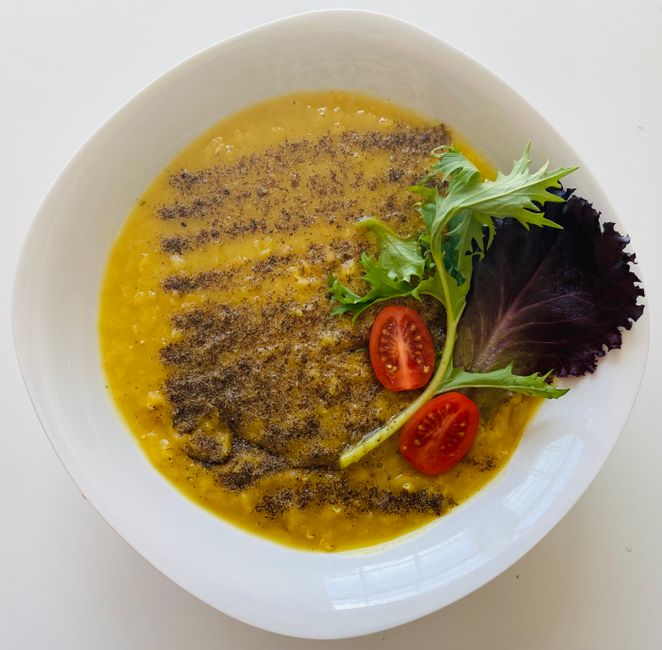
Lebanese Chard Lentil Soup: A Nutritious and Flavorful Delight
Lebanese chard lentil soup, known as Shorbet Safarjal bil Adas or variations thereof, is a hearty and incredibly nutritious dish deeply rooted in the culinary traditions of Lebanon and the wider Levant region. This vibrant soup showcases the harmonious marriage of earthy lentils and tender chard, elevated by aromatic spices and a bright, zesty finish. Far beyond mere sustenance, this soup represents a cornerstone of healthy eating, packed with protein, fiber, and essential vitamins and minerals. Its simplicity belies a complex flavor profile, making it a beloved staple for both everyday meals and special gatherings. The beauty of Lebanese chard lentil soup lies in its adaptability; while classic recipes exist, home cooks often put their unique spin on it, adding personal touches that reflect family heritage and regional availability. Understanding the core components and techniques behind this dish allows for both faithful replication and creative exploration, ensuring its enduring appeal.
The foundation of Lebanese chard lentil soup is, predictably, lentils. Brown or green lentils are the most commonly used varieties due to their ability to hold their shape well during cooking while still becoming tender and contributing a satisfying, slightly firm texture to the soup. Red lentils, while delicious and quick-cooking, can break down too much, leading to a mushier soup that deviates from the desired texture. The lentils are typically rinsed thoroughly before cooking to remove any residual debris or bitterness. The soaking process, while not always strictly necessary for brown or green lentils, can reduce cooking time and aid digestion for some individuals. A typical recipe might call for one to two cups of dried lentils, providing a substantial protein and fiber base for the entire batch of soup. The choice of lentil directly impacts the final consistency and cooking duration, so selecting the appropriate type is a crucial first step in achieving an authentic and satisfying outcome. The earthy notes of the lentils are crucial to the soup’s character, providing a robust and grounding flavor that pairs exceptionally well with the brighter elements.
Chard, specifically Swiss chard, is the other star ingredient, lending its vibrant color and subtly sweet, earthy flavor to the soup. Swiss chard, with its broad, tender leaves and often colorful stems, is a nutritional powerhouse, rich in vitamins A, C, and K, as well as minerals like magnesium and iron. When preparing the chard, it’s common practice to separate the stems from the leaves. The stems, being more fibrous, require a slightly longer cooking time and are often chopped finely and sautéed early in the process to soften them. The leaves, on the other hand, are typically added later in the cooking to prevent them from becoming overcooked and mushy. They are usually chopped into bite-sized pieces, ensuring they integrate seamlessly into the soup without dominating the texture. The vibrant green of the leaves adds visual appeal, making the soup as inviting to the eyes as it is to the palate. The slight bitterness of the chard leaves, when balanced with the other ingredients, contributes a welcome complexity to the overall flavor profile, preventing the soup from becoming overly sweet or bland.
The aromatic base of Lebanese chard lentil soup is built upon a sofrito-like foundation of sautéed onions and garlic. Yellow or white onions are generally preferred for their mild sweetness and ability to caramelize beautifully. They are finely chopped and cooked in olive oil over medium heat until translucent and softened, releasing their natural sugars. Garlic, minced or crushed, is added during the final stages of onion sautéing to prevent it from burning and becoming bitter. The fragrant aroma that emerges from this initial sautéing step is a hallmark of many Middle Eastern and Mediterranean dishes, laying the groundwork for the depth of flavor to come. The judicious use of high-quality olive oil is paramount, not only for its cooking medium properties but also for its characteristic fruity notes that enhance the overall taste of the soup.
Beyond the foundational vegetables, the spice profile is what truly elevates Lebanese chard lentil soup to its distinctive regional character. Cumin, with its warm, earthy, and slightly peppery notes, is an indispensable spice in this soup, perfectly complementing the lentils and chard. Coriander, both ground and sometimes fresh, adds a citrusy and floral undertone, further enhancing the aromatic complexity. A touch of allspice can introduce a subtle hint of warmth and sweetness, while black pepper provides a gentle pungency. For those who enjoy a bit of heat, a pinch of red pepper flakes or a small amount of finely chopped fresh chili pepper can be incorporated. The specific combination and proportions of these spices can vary, with some families favoring a more pronounced cumin presence, while others might lean towards a more balanced blend. The beauty lies in discovering your preferred spice ratio.
The liquid component of the soup is typically water or vegetable broth. Vegetable broth offers a richer flavor base, but water is perfectly acceptable and allows the natural flavors of the lentils and chard to shine through. Some recipes might incorporate a small amount of tomato paste or purée, adding a touch of umami and a subtle reddish hue. The cooking process involves simmering the lentils and aromatics in the chosen liquid until the lentils are tender, which can take anywhere from 30 to 50 minutes, depending on the type and age of the lentils. The chard is then added, and the soup is simmered for an additional 10-15 minutes, allowing the leaves to wilt and soften and the flavors to meld.
A crucial, and often defining, finishing touch for Lebanese chard lentil soup is the addition of lemon juice and often fresh herbs. The bright, acidic punch of freshly squeezed lemon juice cuts through the richness of the soup, awakening the palate and balancing the earthy flavors of the lentils and chard. It’s usually added just before serving, as prolonged heating can diminish its vibrant flavor. Freshly chopped parsley and cilantro (coriander leaves) are frequently stirred in at the end, offering a burst of freshness and herbaceousness that complements the warm spices beautifully. Some variations may also include a sprinkle of fresh mint for an additional layer of cool, aromatic contrast. This final flourish transforms a simple soup into a sophisticated and deeply satisfying dish.
The preparation of Lebanese chard lentil soup is a straightforward process, making it an ideal choice for weeknight meals or when entertaining guests. The steps can be broadly outlined as follows: begin by rinsing the lentils and setting them aside. Finely chop the onions and mince the garlic. If using chard with distinct stems, separate the stems and chop them finely, then chop the leaves. Heat olive oil in a large pot or Dutch oven over medium heat. Add the chopped onions and sauté until softened and translucent, about 5-7 minutes. Add the chopped chard stems (if using) and cook for another 5 minutes until they begin to soften. Stir in the minced garlic and cook for 1 minute until fragrant. Add the rinsed lentils, cumin, coriander, allspice (if using), salt, and pepper. Pour in enough water or vegetable broth to cover the ingredients by about 2-3 inches. Bring the soup to a boil, then reduce the heat to low, cover, and simmer for 30-40 minutes, or until the lentils are tender. Stir in the chopped chard leaves and simmer for another 10-15 minutes, or until the leaves are wilted and tender. Adjust seasoning to taste. Stir in a generous amount of fresh lemon juice and chopped fresh parsley and cilantro just before serving.
Serving Lebanese chard lentil soup is a versatile affair. It is commonly enjoyed as a starter or a light main course. It pairs exceptionally well with crusty bread, allowing diners to soak up every last drop of the flavorful broth. A drizzle of extra virgin olive oil over the finished soup adds a final touch of richness and aroma. For a more complete meal, it can be served alongside a simple green salad, a dollop of plain yogurt, or even some grilled halloumi cheese. The soup’s inherent heartiness means it is satisfying on its own, but these accompaniments can elevate the dining experience further. The visual appeal of the soup, with its deep green chard against the earthy tones of the lentils, makes it a welcoming addition to any table.
From an SEO perspective, incorporating relevant keywords naturally throughout the article is crucial for discoverability. Terms such as "Lebanese chard lentil soup," "Shorbet Safarjal bil Adas," "chard lentil recipe," "hearty lentil soup," "healthy Middle Eastern soup," "vegan lentil soup" (as it’s often naturally vegan or easily made so), "Swiss chard recipes," and "protein-rich soup" should be woven into the narrative. The detailed breakdown of ingredients, preparation steps, and serving suggestions provides ample opportunity to include these keywords in a contextually relevant manner. Highlighting the health benefits, such as "fiber," "protein," "vitamins," and "minerals," further enhances its search appeal for health-conscious individuals. The descriptive language used to characterize the flavors and textures also contributes to its SEO value.
The nutritional profile of Lebanese chard lentil soup is exceptionally impressive. Lentils are a fantastic source of plant-based protein and dietary fiber, promoting satiety and aiding in digestive health. The fiber content also contributes to stable blood sugar levels. Chard is a powerhouse of vitamins, particularly vitamin K, which is essential for bone health and blood clotting, and vitamin A, crucial for vision and immune function. It also provides a good amount of vitamin C, an antioxidant that supports the immune system, and minerals like magnesium, important for muscle and nerve function, and iron, vital for oxygen transport in the blood. The olive oil used contributes healthy monounsaturated fats. When prepared without meat or dairy (making it vegan-friendly), it becomes an excellent option for those following plant-based diets. This combination of nutrients makes it a truly nourishing and health-promoting dish.
Variations on the classic Lebanese chard lentil soup abound. Some families might include other root vegetables like carrots or parsnips, finely diced and added alongside the onions, to introduce additional sweetness and depth. Others might opt for a bolder spice blend, incorporating a touch of cinnamon or even a small amount of sumac for a tangy, lemony counterpoint. The consistency can also be adjusted; for a thicker soup, a smaller amount of liquid can be used, or a portion of the cooked lentils can be puréed and stirred back into the pot. Conversely, for a thinner soup, more broth or water can be added. The beauty of this dish lies in its inherent flexibility, allowing cooks to adapt it to their personal preferences and the ingredients available.
In conclusion, Lebanese chard lentil soup stands as a testament to the power of simple, wholesome ingredients transformed into a deeply flavorful and nourishing meal. Its appeal transcends dietary preferences and culinary expertise, making it a universally appreciated dish. The combination of earthy lentils, vibrant chard, aromatic spices, and a zesty lemon finish creates a harmonious flavor profile that is both comforting and invigorating. Whether enjoyed as a light starter or a satisfying main course, this soup offers a rich tapestry of tastes and textures, all while providing a substantial boost of essential nutrients. Its enduring popularity in Lebanese cuisine and beyond is a clear indicator of its status as a true culinary classic, deserving of a place in any home cook’s repertoire. The SEO-friendly approach to discussing its components, preparation, and benefits ensures that this delicious and healthy soup can be easily discovered by those seeking authentic and nutritious recipes.




