Chef Johns Best Mexican Recipes
Chef John’s Best Mexican Recipes: A Deep Dive into Flavor and Technique
Chef John, a prominent figure in the online culinary world, has cultivated a loyal following through his accessible yet sophisticated approach to cooking. His Mexican recipe collection stands out, offering a diverse range of dishes that capture the authentic spirit of Mexican cuisine while incorporating his signature clarity and attention to detail. This article explores some of Chef John’s most celebrated Mexican dishes, dissecting the techniques, key ingredients, and flavor profiles that make them so compelling. For home cooks seeking to elevate their Mexican repertoire beyond the basics, Chef John’s recipes provide an invaluable resource, demystifying complex flavors and encouraging culinary exploration.
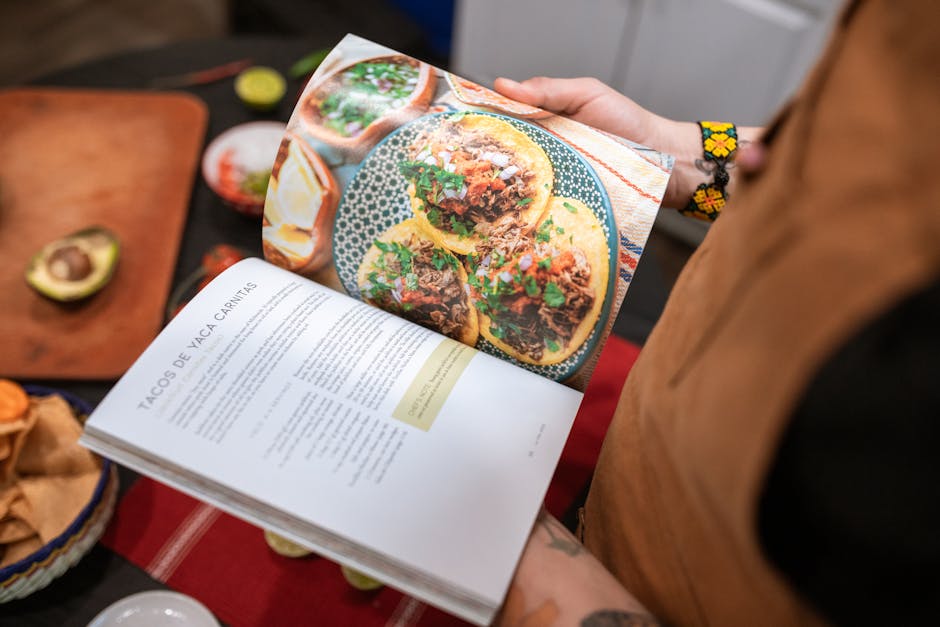
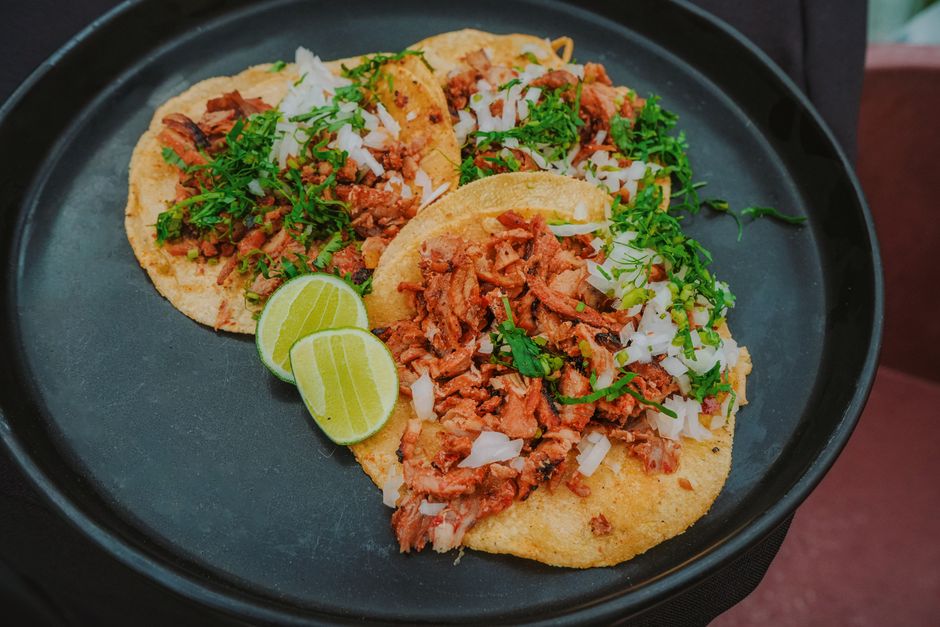
One of Chef John’s most frequently lauded Mexican recipes is his approach to Carnitas. This slow-cooked pork dish, a cornerstone of Mexican street food and home cooking, is often simplified to just braising. Chef John, however, emphasizes the critical stages that transform tough pork shoulder into incredibly tender, succulent meat with crispy, caramelized edges. His process typically begins with large chunks of pork, fat included, seasoned generously with salt, pepper, and often a hint of cumin or oregano. The initial braising, usually in a Dutch oven or slow cooker, uses liquid such as water, broth, or even orange juice, which aids in breaking down the connective tissues. The crucial second phase, which Chef John highlights for achieving that signature crispiness, involves finishing the carnitas under the broiler or in a very hot oven. This allows the rendered fat to crisp up the exterior, creating irresistible textural contrast. He often advises against overcrowding the pan during this crisping stage to ensure even browning. The magic of his carnitas lies in this duality of textures: the meltingly tender interior and the delightfully crunchy exterior. He frequently suggests serving them in tacos with simple toppings like chopped onion, cilantro, and a squeeze of lime, allowing the rich pork flavor to shine. Understanding the science behind rendering fat and achieving Maillard browning is key to his success with this seemingly simple, yet profoundly satisfying dish. The patience required for the slow braising, followed by the quick, high-heat crisping, is a testament to his philosophy of respecting the ingredients and the cooking process.
Another standout in Chef John’s Mexican repertoire is his Chicken Mole Poblano. Mole, often considered the national dish of Mexico, is notoriously complex, involving dozens of ingredients and lengthy preparation. Chef John’s genius lies in his ability to break down this intricate sauce into manageable steps, making it approachable for the home cook without sacrificing authenticity or depth of flavor. His recipe typically involves toasting a variety of dried chilies – ancho, pasilla, and mulato are common – to unlock their smoky, fruity, and earthy notes. He then blends these rehydrated chilies with nuts (almonds or peanuts), seeds (sesame or pumpkin), spices like cinnamon, cloves, and cumin, and often a touch of unsweetened chocolate or cocoa powder. The inclusion of aromatics like onions and garlic, as well as a day-old tortilla or bread for thickening, contributes to the sauce’s body and richness. The extended simmering time is paramount, allowing the myriad flavors to meld and deepen. Chef John often advocates for tasting and adjusting the seasoning throughout the process, a crucial step in achieving the perfect balance of sweet, savory, and spicy. His Chicken Mole Poblano is not merely a recipe; it’s an education in the art of complex flavor building. The visual appeal of the dark, rich sauce is matched only by its complex taste profile. He emphasizes the importance of quality ingredients, particularly the chilies, as they form the foundation of the mole’s character. The preparation can be time-consuming, but the reward of a homemade mole that rivals restaurant versions is immense, and Chef John provides the roadmap to achieve this culinary triumph. The resulting sauce, served over tender chicken, is a symphony of flavors – a true testament to the richness of Mexican culinary heritage.
When it comes to lighter fare, Chef John’s Shrimp Ceviche is a revelation. Ceviche, a dish of raw seafood "cooked" by citrus juices, requires careful attention to the quality of the seafood and the balance of its accompaniments. Chef John’s approach prioritizes freshness and vibrant acidity. He typically uses high-quality, sushi-grade shrimp, which he dices into bite-sized pieces. The "cooking" element comes from a generous amount of lime juice, which denatures the proteins in the shrimp, firming them up and giving them a translucent appearance. He often incorporates finely diced red onion, jalapeño or serrano peppers for a touch of heat, cilantro for freshness, and ripe tomatoes for sweetness and texture. A drizzle of olive oil can add a subtle richness. The key to Chef John’s ceviche is the marinating time; it needs enough time for the shrimp to firm up but not so long that it becomes mushy or overly acidic. He often suggests chilling the ceviche for at least 20-30 minutes before serving. The presentation is also important, and he often recommends serving it with tostadas, tortilla chips, or avocado slices. The bright, zesty flavors of his ceviche make it a perfect appetizer or light meal, especially in warmer weather. His emphasis on using the freshest possible ingredients is non-negotiable for a successful ceviche. The interplay of textures – the firm shrimp, the crisp onion, the juicy tomato – is as important as the bold flavors. It’s a dish that celebrates the raw beauty of its ingredients, elevated by simple, yet precise, preparation.
Chef John also shines when it comes to fundamental Mexican elements, such as Homemade Tortillas. His recipes for both corn and flour tortillas are invaluable for anyone looking to move beyond store-bought. For corn tortillas, he champions the use of masa harina, a special corn flour treated with lime (nixtamalized), which is essential for their characteristic flavor and texture. His method involves mixing masa harina with warm water to form a pliable dough, emphasizing the importance of not overworking it. He then demonstrates how to press the dough into thin discs using a tortilla press lined with plastic wrap or parchment paper, ensuring they don’t stick. The cooking process on a hot, dry skillet or comal is crucial for achieving the characteristic puffy center and slightly charred edges. For flour tortillas, he focuses on achieving a tender, pliable dough through the right ratio of flour, fat (lard or shortening is traditional, but butter or vegetable oil can be used), and water. His technique involves a brief kneading and then allowing the dough to rest, which relaxes the gluten and makes it easier to roll out thinly. The cooking on a medium-hot skillet is key to developing those characteristic brown spots and a slightly chewy texture. Chef John’s tortilla recipes are foundational, empowering home cooks to create authentic Mexican staples from scratch, significantly enhancing the flavor and experience of any Mexican meal. He understands that the foundation of many great Mexican dishes lies in the quality of their accompanying elements, and his tortilla recipes are prime examples of this understanding.
Beyond these iconic dishes, Chef John’s Mexican collection often features recipes like Chiles Rellenos. This dish, typically featuring poblano peppers stuffed with cheese and then battered and fried, is rendered accessible through his clear instruction. He advocates for roasting the poblanos first to easily remove the skins and seeds, creating a mild base. The stuffing often involves a good melting cheese like Oaxaca or Monterey Jack. The batter, typically a light egg batter, is key to achieving a crispy exterior without being greasy. He often explains the technique of holding the stuffed pepper in the batter and carefully lowering it into hot oil for a perfectly golden-brown finish. The accompanying tomato sauce, often simple but flavorful, complements the richness of the chiles rellenos beautifully.
Furthermore, his explorations into Salsas and Guacamole are indispensable. He moves beyond basic recipes, delving into the nuances of different chili varieties for salsas – from the smoky depth of chipotle to the bright heat of serrano. He emphasizes the importance of roasting or charring vegetables for salsa roja to develop complex flavors. For guacamole, he stresses the use of ripe avocados and the delicate balance of lime juice, salt, and sometimes a hint of onion or cilantro. His recipes encourage understanding the role of each ingredient in achieving harmonious flavors.
Chef John’s approach to Mexican cuisine is characterized by a deep respect for tradition, an emphasis on fresh, quality ingredients, and a commitment to empowering home cooks with clear, actionable techniques. His recipes are not just about following steps; they are about understanding the "why" behind each action, leading to consistently delicious results. Whether it’s the slow-cooked perfection of carnitas, the intricate layering of flavors in mole, the bright acidity of ceviche, or the fundamental artistry of homemade tortillas, Chef John’s Mexican recipes offer a comprehensive and rewarding journey into one of the world’s most beloved cuisines. His ability to demystify complex dishes and elevate simple ingredients makes him an invaluable resource for anyone looking to master authentic Mexican cooking at home. The depth and breadth of his Mexican recipe offerings, coupled with his signature instructional style, solidify his position as a go-to authority for home cooks seeking to bring the vibrant flavors of Mexico into their own kitchens. His focus on fundamental techniques, such as proper searing, slow braising, and flavor layering, is evident across all his Mexican creations, ensuring that home cooks not only replicate his dishes but also understand the principles behind them, fostering a deeper connection with the culinary art.