
Chocolate Almond Marble Cheesecake

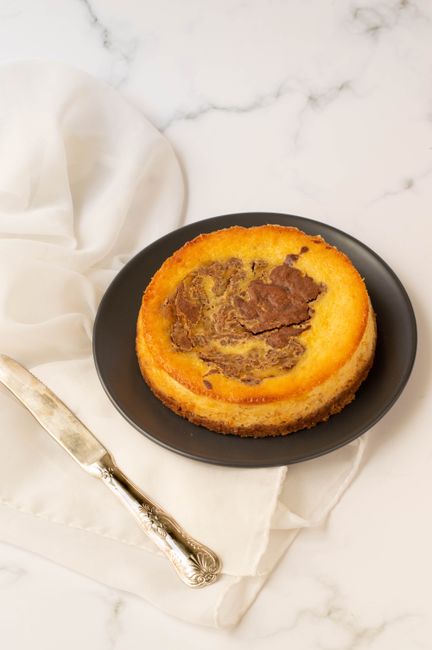
Decadent Chocolate Almond Marble Cheesecake: A Comprehensive Culinary Guide
The chocolate almond marble cheesecake represents a pinnacle of dessert artistry, blending the rich, intense notes of dark chocolate with the subtle, nutty warmth of almonds, all swirled into the creamy, tangy foundation of a classic cheesecake. This dessert isn’t merely a sweet treat; it’s an experience, a symphony of textures and flavors designed to captivate the palate. The inherent beauty of the marbled effect, a visual representation of the contrasting chocolate and almond elements, elevates it from a simple cake to a stunning centerpiece. Achieving this masterpiece requires a nuanced understanding of ingredient preparation, baking techniques, and the art of flavor integration. This comprehensive guide will delve deep into every facet of creating a truly exceptional chocolate almond marble cheesecake, from selecting the finest ingredients to mastering the delicate balance of flavors and achieving that coveted smooth, crack-free texture. We will explore the foundational elements of a superior cheesecake, including the perfect crust, the velvety smooth filling, and the intricate techniques for achieving a beautiful marble. Furthermore, we will address common pitfalls and offer expert tips to ensure your creation is met with universal acclaim.
The Foundation: Crafting the Perfect Crust
The crust of any cheesecake is paramount, providing a structural anchor and an initial flavor dimension that complements the richness of the filling. For a chocolate almond marble cheesecake, a traditional graham cracker crust can be enhanced or replaced with a more harmonizing option. Consider a chocolate cookie crust, utilizing crushed Oreos or chocolate wafers, to amplify the chocolate intensity. Alternatively, a ground almond and graham cracker or cookie crust offers a delicate nutty undertone that foreshadows the flavors to come. The key to a superior crust lies in the fat-to-crumb ratio and proper compaction. Aim for a texture that is crumbly yet holds together when pressed firmly. Melted butter is the standard binder, but a combination of butter and a touch of brown sugar can introduce additional depth and chewiness. For a chocolate almond variation, finely ground toasted almonds can be incorporated directly into the crumb mixture. Toasting the almonds beforehand intensifies their flavor and aroma, creating a more profound nutty profile. When pressing the crust into the springform pan, ensure even coverage and a firm, compact layer. A slight upward curve along the sides of the pan is aesthetically pleasing and helps to contain the filling. Pre-baking the crust for 8-10 minutes at 350°F (175°C) helps to set it, preventing sogginess and ensuring a delightful crunch with every bite. This initial step, though seemingly simple, lays the groundwork for the entire dessert’s success.
The Soul of the Cheesecake: Mastering the Filling
The cheesecake filling is where the magic truly happens. A truly exceptional cheesecake filling is characterized by its silken texture, a harmonious balance of tanginess and sweetness, and a rich, creamy mouthfeel. The primary ingredients are cream cheese, sugar, eggs, and a source of fat, typically sour cream or heavy cream. For a chocolate almond marble cheesecake, the quality of these ingredients is non-negotiable. Opt for full-fat, block-style cream cheese, not the spreadable tub variety, as it contains less water and will result in a firmer, less watery cheesecake. Allow the cream cheese to come to room temperature before starting; this is crucial for achieving a smooth, lump-free batter. Room temperature also applies to the eggs, which will incorporate more seamlessly into the mixture, preventing curdling. The sugar content should be carefully calibrated. Too little sugar will result in a tart, unbalanced flavor, while too much can lead to a gritty texture and excessive spreading during baking. A common pitfall is overmixing the batter, especially after adding the eggs. Overmixing introduces too much air, which can cause the cheesecake to puff up dramatically during baking and then collapse and crack as it cools. Gentle mixing, just until the ingredients are combined, is key. Sour cream or heavy cream contributes to the creamy texture and adds a desirable tang. Sour cream, with its higher acidity, offers a more pronounced tang that cuts through the richness of the cheesecake, a vital counterbalance to the intense chocolate and almond flavors. Heavy cream provides unparalleled richness and a smoother texture. The choice between the two, or even a combination, depends on the desired flavor profile and texture.
Infusing Chocolate and Almond Flavors
The defining characteristics of this cheesecake are its chocolate and almond components, and their integration requires precision. For the chocolate element, high-quality unsweetened cocoa powder or melted dark chocolate are the prime choices. Unsweetened cocoa powder provides a deep, complex chocolate flavor without adding excessive sweetness or altering the batter’s moisture content significantly. Dutch-processed cocoa powder generally yields a darker color and a smoother, less bitter flavor profile. Melted dark chocolate, on the other hand, adds a richer, more luxurious chocolate experience and can contribute to a denser texture. The type of chocolate matters; a 60-70% cacao content is typically ideal for a balanced, intense chocolate flavor. For the almond infusion, pure almond extract is essential. A little goes a long way, so start with a small amount and taste; too much can lead to an artificial, overpowering flavor. Toasted almond flour can also be incorporated into the batter for a more subtle, integrated almond taste and a slightly denser crumb. When creating the marble effect, it’s essential to divide the cheesecake batter and incorporate the chocolate and almond flavors into separate portions. This allows for distinct flavor profiles within each swirl. The chocolate portion can be enriched with melted chocolate or cocoa powder, while the almond portion can be enhanced with almond extract and potentially a small amount of almond flour. The ratio of chocolate to almond in the batter can be adjusted to personal preference, but a roughly equal distribution often yields the most pleasing balance.
The Art of Marbling: Creating Visual Appeal
The marbled effect is more than just visually appealing; it’s a testament to the careful swirling of distinct flavor components. Once the primary cheesecake batter is prepared and divided into chocolate and almond (or plain with almond extract) portions, the marbling process begins. Generously dollop spoonfuls of each batter into the prepared crust, alternating between the chocolate and almond mixtures. Avoid overfilling the pan, leaving about a half-inch from the rim to accommodate any potential puffing during baking. Once the batters are in the pan, take a skewer, toothpick, or thin knife and gently swirl the two batters together. The key here is gentle. Vigorous swirling will result in a muddy, indistinct color blend. Aim for broad, sweeping motions, creating distinct ribbons of chocolate and almond. Don’t overwork it; a few well-placed swirls are more effective than excessive manipulation. The goal is to create visible streaks and patterns, allowing the individual flavors to remain somewhat distinct while beautifully intertwined. Different swirling techniques can be employed. A zig-zag motion creates sharp, defined lines, while a more circular motion can produce softer, more blended patterns. Experimentation is encouraged to find your preferred aesthetic. The beauty of marbling is its inherent unpredictability; each cheesecake will have a unique and stunning pattern.
Baking Techniques for a Crack-Free Cheesecake
Achieving a smooth, uncracked cheesecake is a common aspiration, and it hinges on several critical baking techniques. The most effective method for preventing cracks is the water bath, also known as a bain-marie. This involves wrapping the springform pan securely in heavy-duty aluminum foil (multiple layers are recommended to prevent water leakage) and placing it in a larger baking pan. Hot water is then poured into the larger pan, surrounding the cheesecake pan. The water bath provides a moist, even heat environment, preventing the edges of the cheesecake from cooking too quickly while the center remains undercooked. This gradual, even cooking is crucial for preventing the internal stresses that lead to cracking. Another crucial factor is oven temperature. A moderate oven temperature, typically around 300-325°F (150-160°C), is ideal for cheesecake. High temperatures cause the cheesecake to puff up rapidly, leading to cracks as it cools and contracts. The cheesecake is ready when the edges are set, but the center still has a slight jiggle, resembling a loose pudding. This residual heat will continue to cook the center as it cools. Overbaking is a primary cause of dry, crumbly cheesecake and, yes, cracks. Once baked, it’s imperative to allow the cheesecake to cool gradually. Turn off the oven, crack the oven door open slightly, and let the cheesecake sit in the residual heat for at least an hour. This slow cooling process helps to prevent sudden temperature changes that can cause cracking. After the initial cooling in the oven, remove the cheesecake from the water bath and let it cool completely on a wire rack at room temperature before chilling it in the refrigerator.
Cooling and Chilling: The Final Transformation
The cooling and chilling phases are as vital as the baking itself in developing the perfect texture and flavor of a chocolate almond marble cheesecake. Once the cheesecake has undergone its gradual cooling process in the oven, it’s essential to let it cool completely at room temperature. This can take several hours. Attempting to refrigerate a warm cheesecake can lead to condensation and a less desirable texture. Once at room temperature, the cheesecake needs to be thoroughly chilled. Refrigeration, for a minimum of six hours, preferably overnight, allows the cheesecake to fully set and develop its characteristic dense, creamy texture. The chilling process also allows the flavors to meld and deepen, creating a more harmonious and complex taste profile. This extended chilling period is non-negotiable for achieving the ideal consistency. Before serving, carefully run a thin knife around the edge of the springform pan to loosen the cheesecake from the sides, preventing it from sticking when the ring is removed.
Serving and Garnish Suggestions
The presentation of a chocolate almond marble cheesecake can be as simple or as elaborate as desired. A dusting of cocoa powder or powdered sugar can offer a subtle visual enhancement. For a more decadent touch, consider a drizzle of chocolate ganache or a dollop of freshly whipped cream. To echo the almond flavor, toasted slivered almonds can be sprinkled around the base of the cake or directly on top of the whipped cream. Fresh berries, such as raspberries or strawberries, provide a bright, tart contrast to the richness of the cheesecake and add a vibrant color element. A small scoop of vanilla bean ice cream or a rich caramel sauce also makes an excellent accompaniment. When slicing, use a sharp, thin knife dipped in hot water and wiped dry between each cut. This ensures clean, elegant slices that showcase the beautiful marble effect. The success of this dessert lies in its inherent richness, so often, a simple, elegant presentation is all that is needed to let its flavors shine.
Troubleshooting Common Cheesecake Problems
Several issues can arise during cheesecake preparation, but understanding the causes and solutions can help prevent them. Cracking: As discussed, this is often due to overmixing, high oven temperatures, or rapid cooling. Using a water bath, gentle mixing, and gradual cooling are the most effective preventative measures. If a crack does appear, don’t despair. It doesn’t affect the taste, and a creative garnish like whipped cream, chocolate shavings, or a berry compote can easily conceal it. Soggy Crust: This is usually a result of an insufficient pre-bake, too much moisture in the filling, or improper foil wrapping in the water bath. Ensure the crust is well-compacted and pre-baked. Use block-style cream cheese, and wrap the pan securely for the water bath. Gritty Texture: Overmixing or using sugar that hasn’t fully dissolved can lead to grittiness. Ensure all ingredients are at room temperature and mix until just combined. Watery Cheesecake: This is often due to using low-fat or tub-style cream cheese, overmixing, or not chilling sufficiently. Stick to full-fat block cream cheese, mix gently, and allow ample chilling time. Lumps in the Filling: This is almost always a sign that the cream cheese was not properly softened to room temperature. Ensure it’s fully softened before beginning. If lumps persist, you can try briefly processing the batter in a food processor, but be cautious not to overmix.
Conclusion: The Art of the Chocolate Almond Marble Cheesecake
The chocolate almond marble cheesecake is more than just a dessert; it’s a testament to patience, precision, and the harmonious interplay of complementary flavors. From the foundational crust to the creamy, marbled filling, each step in its creation contributes to the final, breathtaking result. By understanding the science behind perfect cheesecake texture, the nuances of flavor infusion, and the art of marbling, any home baker can achieve a truly spectacular dessert. This guide has provided the essential knowledge to navigate the intricacies of crafting this decadent treat, empowering you to create a chocolate almond marble cheesecake that is not only visually stunning but also an unforgettable culinary experience for all who have the pleasure of tasting it. The journey from raw ingredients to a perfectly set, beautifully marbled cheesecake is a rewarding one, culminating in a dessert that is sure to impress and delight.


