
Collard Greens With Bacon

Collard Greens with Bacon: A Deep Dive into a Southern Culinary Staple
Collard greens, a cruciferous vegetable belonging to the Brassica family, have long held a prominent position in Southern American cuisine. Their hearty texture and slightly bitter, earthy flavor make them a perfect canvas for the rich, smoky essence of bacon. This classic pairing, often referred to as "Southern-style collard greens with bacon," transcends mere sustenance; it represents a culinary tradition deeply intertwined with history, culture, and comfort. The inherent nutritional value of collard greens, combined with the savory indulgence of bacon, creates a dish that is both satisfying and surprisingly beneficial. Understanding the nuances of preparing this dish, from selecting the greens to achieving the perfect balance of flavors, is key to unlocking its full potential.
The collard green itself is a powerhouse of nutrients. Rich in vitamins A, C, and K, it contributes significantly to immune function, vision health, and bone density. Vitamin K, in particular, plays a crucial role in blood clotting and calcium regulation. Beyond these well-known vitamins, collard greens are an excellent source of fiber, essential for digestive health and promoting satiety, which can aid in weight management. They also contain valuable minerals such as calcium, magnesium, and potassium, which are vital for maintaining healthy blood pressure, muscle function, and nerve signaling. Furthermore, collard greens are packed with antioxidants, including flavonoids and carotenoids, which help combat oxidative stress and may reduce the risk of chronic diseases like heart disease and certain cancers. The slightly bitter notes characteristic of collard greens are often attributed to glucosinolates, compounds that have also been linked to anti-cancer properties. This impressive nutritional profile elevates collard greens from a simple side dish to a true superfood.
The inclusion of bacon in collard greens is not merely for flavor; it serves a functional purpose as well. The rendered fat from the bacon, often used as the cooking medium, helps to soften the tough cellular structure of collard greens, making them more palatable and tender. This fat also acts as a carrier for fat-soluble vitamins present in the greens, enhancing their absorption by the body. While bacon is undeniably high in saturated fat and sodium, its judicious use in this dish can contribute to the overall flavor profile and create a more enjoyable eating experience, encouraging greater consumption of the nutrient-dense collard greens. The smoky, salty, and savory notes of bacon perfectly complement the earthy bitterness of the greens, creating a harmonious flavor balance that is difficult to replicate with other ingredients.
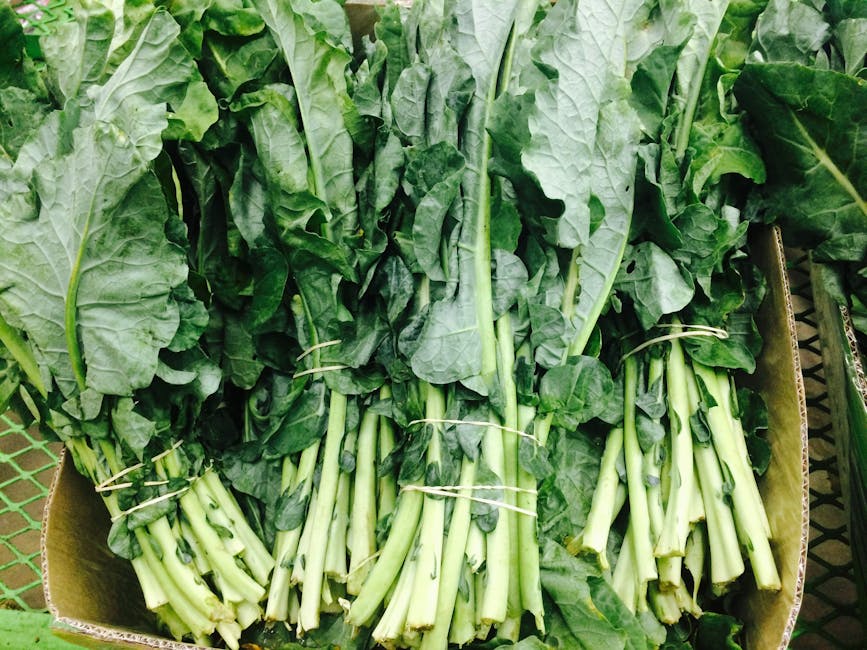
Selecting the right collard greens is the first step towards a successful dish. Look for vibrant, deep green leaves that are firm and free from wilting or yellowing. Younger, more tender leaves will cook more quickly and have a milder flavor, while older, more mature leaves will be tougher and more intensely flavored. The size of the leaves can also be an indicator; smaller leaves tend to be more tender. Before cooking, thorough washing is paramount. Collard greens, like many leafy greens, can harbor grit and soil. It’s advisable to wash them multiple times in cool water, paying attention to the crevices between the leaves. After washing, they need to be de-stemmed and chopped. The thick, fibrous central stem is generally discarded or can be reserved for making vegetable stock. The leaves are then typically stacked, rolled tightly, and sliced into ribbons, a technique known as chiffonade. This method ensures even cooking and a pleasant texture in the final dish.
The preparation of collard greens with bacon typically begins with crisping the bacon. This is often done in a heavy-bottomed pot or Dutch oven over medium heat. Once the bacon is cooked to the desired level of crispness, it is removed from the pot, leaving behind the rendered fat. This flavorful fat is the foundation for sautéing aromatics. Onions and garlic are classic additions, providing a savory depth of flavor that complements both the greens and the bacon. The onions are usually sautéed until softened and translucent, while the garlic is added towards the end to prevent burning. Some variations may include bell peppers, adding a subtle sweetness and a different layer of flavor.
Once the aromatics are softened, the prepared collard greens are added to the pot. This is where the magic happens, as the greens begin to wilt and soften in the flavorful rendered bacon fat and sautéed aromatics. A liquid is then added to facilitate the braising process. Traditional choices include water, chicken broth, or even a splash of apple cider vinegar. The vinegar is crucial for tenderizing the greens and adding a tangy counterpoint to the richness of the bacon. Some recipes also incorporate a touch of sugar or molasses to balance the bitterness of the greens and the saltiness of the bacon, creating a more complex flavor profile.
The collard greens are then simmered, or braised, over low heat for an extended period. This slow cooking process is essential for breaking down the tough cellulose fibers, resulting in tender, melt-in-your-mouth greens. The duration can vary significantly, from 45 minutes to several hours, depending on the age and tenderness of the greens. During this simmering phase, the flavors meld together, and the greens absorb the savory essence of the bacon, aromatics, and braising liquid. Regular stirring is recommended to ensure even cooking and to prevent sticking. Throughout the cooking process, the liquid will reduce, concentrating the flavors.
The final seasoning and finishing touches are critical. Once the greens have reached the desired tenderness, the reserved crispy bacon is often crumbled and stirred back into the pot, adding textural contrast and reinforcing the bacon flavor. Taste is paramount at this stage. Adjustments may be needed for salt, pepper, and acidity. A final splash of apple cider vinegar or a pinch of red pepper flakes can elevate the dish, adding brightness and a hint of heat. Some cooks like to thicken the cooking liquid slightly by mashing some of the cooked greens against the side of the pot, creating a richer, more sauce-like consistency.
Beyond the basic preparation, there are numerous regional variations and personal adaptations of collard greens with bacon. In some parts of the South, a smoked ham hock or a piece of salt pork might be simmered with the greens alongside or instead of bacon, imparting a different but equally savory depth. Others may add a touch of smoked paprika or cayenne pepper for an extra layer of smoky flavor and heat. The liquid used for braising can also vary; some opt for a robust beef broth, while others prefer a lighter vegetable broth or even a splash of white wine for added complexity. The level of sweetness can also be adjusted, with some preferring a more pronounced sweetness from molasses or brown sugar, while others aim for a purely savory profile.
The culinary significance of collard greens with bacon extends far beyond its taste. It is a dish deeply embedded in the history and culture of the American South, particularly within African American communities. Historically, collard greens were an accessible and nutritious food source, often grown in home gardens and forming a staple of the Southern diet. The addition of bacon, a readily available and flavorful pork product, transformed them into a more palatable and satisfying meal, especially during times of scarcity. This dish represents resourcefulness, culinary innovation, and the ability to create something delicious and nourishing from humble ingredients. It is often found on tables during family gatherings, holidays, and Sunday dinners, evoking a sense of nostalgia and comfort.
From an SEO perspective, focusing on keywords such as "collard greens with bacon," "Southern collard greens recipe," "how to cook collard greens," "healthy collard greens," "nutritional benefits of collard greens," and "collard greens and pork" is crucial. Incorporating long-tail keywords like "tender collard greens recipe with bacon fat" or "best way to make Southern-style collard greens" can attract a more targeted audience. The article should be structured with clear headings and subheadings to improve readability and search engine crawling. Using descriptive language that highlights the taste, texture, and health benefits will further enhance its SEO performance.
In conclusion, collard greens with bacon is more than just a dish; it is a culinary icon with a rich history and a deeply satisfying flavor profile. The synergistic combination of nutrient-dense greens and savory, smoky bacon creates a harmonious balance that has stood the test of time. Understanding the selection, preparation, and cooking techniques, as well as appreciating the cultural significance, allows for a deeper connection to this Southern staple. Whether seeking a healthy and flavorful side dish or a taste of authentic Southern comfort, collard greens with bacon delivers an unforgettable culinary experience. The enduring popularity of this dish is a testament to its deliciousness, its nutritional value, and its place in the heart of Southern cuisine.


