
Country Style Fried Potatoes

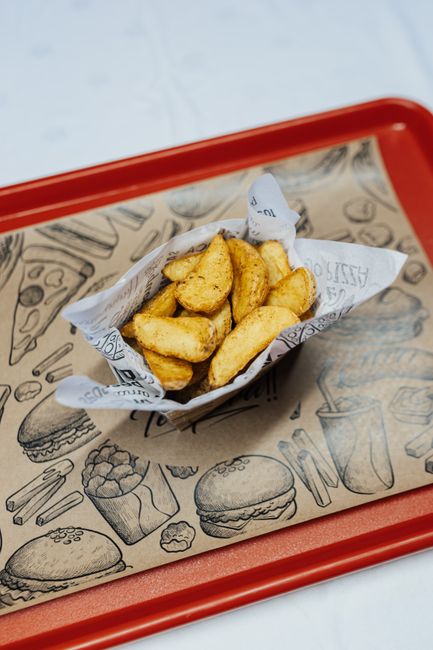
Country Style Fried Potatoes: A Culinary Cornerstone of Comfort Food
Country style fried potatoes represent a foundational element of American comfort food, a testament to simple ingredients transformed into deeply satisfying dishes. This versatile staple, appearing on breakfast tables, as a side dish for hearty meals, or as the star of a casual supper, embodies a culinary philosophy focused on flavor, texture, and accessibility. The essence of country style fried potatoes lies in the marriage of starchy potatoes, rendered crispy and golden brown through pan-frying, often infused with the savory richness of pork fat or butter. Their enduring popularity stems from their inherent adaptability; while the core technique remains consistent, regional variations and personal preferences allow for an almost limitless array of flavor profiles, from a whisper of onion and garlic to a bold punch of spice. Understanding the nuances of preparing country style fried potatoes involves mastering specific techniques, selecting the right potato varieties, and appreciating the role of fat in achieving that coveted crispy exterior and tender interior. This article will delve into the core principles, popular variations, and essential tips for creating exceptional country style fried potatoes, ensuring their place as a cherished dish in any home kitchen.
The foundational element of any successful country style fried potato dish is the potato itself. Not all potatoes are created equal when it comes to frying, and selecting the right variety significantly impacts the final texture and flavor. Starchy potatoes, such as Russets (also known as Idaho potatoes), are the undisputed champions of the fried potato world. Their high starch content and low moisture content contribute to a fluffy interior and a wonderfully crisp exterior when fried. As they cook, the starch granules absorb moisture and swell, creating steam that helps to fluff the potato from the inside out. Simultaneously, the low moisture content allows for better browning and crisping. Yukon Golds offer a good balance, possessing a creamy texture and a slightly buttery flavor, which can also yield excellent results, though they may not achieve the same level of crispness as a Russet. Red potatoes and fingerling potatoes, with their waxy texture and higher moisture content, are generally less ideal for this particular preparation. Their tendency to hold onto moisture can lead to a soggier, less crispy result. When preparing potatoes for frying, the cut is equally important. Uniformity in size and shape is crucial for even cooking. Whether diced into ½-inch cubes, sliced into rounds, or cut into wedges, ensuring all pieces are roughly the same dimensions will prevent some pieces from burning while others remain undercooked. A common and effective approach is to parboil the potatoes briefly before frying. This step partially cooks the potatoes, shortening the frying time and promoting a more even crisping. Parboiling also helps to leach out some of the surface starch, which can prevent the potatoes from sticking together in the pan and contribute to a crisper finish. After parboiling, it is imperative to drain the potatoes thoroughly and pat them dry with paper towels. Excess moisture is the enemy of crispiness and can lead to steaming rather than frying, resulting in a greasy, unappealing texture.
The cooking fat is another critical component that defines the character of country style fried potatoes. While vegetable oils like canola or peanut oil are common choices for their high smoke points and neutral flavor, many traditionalists swear by animal fats for their superior flavor infusion. Rendered bacon fat is a perennial favorite, imparting a smoky, savory depth that is nearly impossible to replicate with other fats. The crispy bits of bacon left behind are often incorporated back into the potatoes for an extra layer of texture and flavor. Lard, rendered pork fat, also provides a rich, traditional flavor and contributes to excellent crisping. When using lard or bacon fat, it’s important to note that they will impart their own distinct flavors, which should be considered in the overall flavor profile of the dish. For those seeking a slightly less intense flavor or a vegetarian option, a good quality butter can be used, often in combination with a neutral oil. Butter alone can burn at lower temperatures, so combining it with a higher smoke point oil allows for the rich flavor of butter while maintaining a suitable cooking temperature. The amount of fat used is also a consideration. While not a health food, country style fried potatoes are meant to be indulgent. A sufficient amount of fat is necessary for the potatoes to fry properly, rather than simply steam or bake in the pan. A good rule of thumb is to have enough fat to generously coat the bottom of the pan and come up the sides slightly, ensuring the potatoes are immersed in hot fat to achieve that signature crisp. The heat of the fat is paramount. The pan should be preheated to a medium-high heat before adding the potatoes. Too low a heat will result in greasy potatoes that absorb too much fat without browning, while too high a heat will cause the exterior to burn before the interior is cooked through. A gentle sizzle when the potatoes are added is a good indicator of the correct temperature.
The actual cooking process involves a balance of patience and technique. Once the potatoes are prepped and the fat is hot, carefully add the potato pieces to the pan in a single layer. Overcrowding the pan is a common mistake that leads to steaming and a lack of crispness. If necessary, cook the potatoes in batches. Allow the potatoes to cook undisturbed for several minutes to develop a golden-brown crust. This initial searing is crucial for creating that desirable crispy exterior. Resist the urge to stir them constantly. Once a golden crust has formed on one side, gently flip or toss the potatoes to expose other surfaces to the hot fat. Continue this process, stirring occasionally, until the potatoes are tender on the inside and golden brown and crispy on all sides. This typically takes around 15-25 minutes, depending on the size of the potato pieces and the heat of the pan. As the potatoes are nearing completion, it’s time to consider aromatics and seasonings. Onions are a natural partner to fried potatoes, adding sweetness and depth. Sliced or diced onions can be added to the pan during the last 5-10 minutes of cooking, allowing them to soften and caramelize alongside the potatoes. Garlic, minced or thinly sliced, also adds a wonderful fragrance and flavor. Adding garlic too early can cause it to burn, so it’s best introduced towards the end of the cooking process. Common seasonings include salt and freshly ground black pepper, applied generously. However, the beauty of country style fried potatoes lies in their adaptability to a wide range of flavor profiles. Paprika, both sweet and smoked, can add a beautiful color and a subtle warmth. Red pepper flakes introduce a welcome kick of heat. Fresh herbs like parsley, chives, or thyme, added at the very end of cooking or as a garnish, can brighten the dish with their fresh, aromatic notes. For a truly country-inspired touch, a dollop of sour cream or a sprinkle of shredded cheese can elevate the dish from a simple side to a more substantial offering.
Beyond the basic preparation, numerous variations of country style fried potatoes exist, each with its own unique appeal. Breakfast potatoes are a prime example, often featuring diced potatoes, onions, and perhaps some bell peppers, served alongside eggs, bacon, and sausage. These are typically seasoned simply with salt and pepper. Home fries, a closely related dish, often involve parboiling and then pan-frying cubed or sliced potatoes until crispy. The term "home fries" can sometimes encompass ingredients like onions and peppers, blurring the lines with other fried potato preparations. Skillet potatoes, cooked entirely in a cast-iron skillet, are a hearty and rustic option. These can incorporate a variety of vegetables and meats, such as mushrooms, peppers, and diced ham. Loaded fried potatoes take the concept a step further, with toppings like cheese, bacon bits, sour cream, and chives, transforming them into a standalone meal or a decadent appetizer. For those seeking a spicier profile, Cajun or Creole seasoned fried potatoes are popular, incorporating cayenne pepper, paprika, garlic powder, and onion powder. German fried potatoes (Kartoffelpuffer) often involve grated potatoes that are mixed with egg and flour and then fried into crispy patties. While not strictly "country style" in the American sense, they share a similar spirit of simple, flavorful preparation. Regardless of the specific iteration, the underlying principle remains the same: transform humble potatoes into a delicious and satisfying dish through the art of pan-frying.
Achieving perfectly crispy country style fried potatoes requires attention to detail and a few key tips. Firstly, starting with cold oil and gradually heating it can help prevent sticking. However, for a true fry, adding potatoes to already heated fat is generally preferred. Ensure the potatoes are cut uniformly for even cooking. Do not overcrowd the pan; cook in batches if necessary. Resist the temptation to stir too frequently, especially in the initial stages of cooking. Allow a crust to form. Drain excess grease from the potatoes by placing them on a wire rack set over a baking sheet rather than directly on paper towels, which can trap steam and make them soggy. Season generously with salt and pepper, but taste and adjust as needed. Consider the finishing touches: fresh herbs add brightness, while a sprinkle of cheese or a dollop of sour cream adds richness. Proper storage of leftover fried potatoes is also important. Reheating them in a dry skillet over medium heat, or briefly in an oven or air fryer, can help to restore some of their crispness. Microwaving is generally not recommended as it tends to make them soft and mushy. The enduring appeal of country style fried potatoes lies in their comforting familiarity and their ability to be adapted to countless meals and preferences. They are a testament to the power of simple ingredients and skillful preparation, a dish that has earned its place at the heart of home cooking for generations. Mastering their preparation opens a gateway to a world of delicious, satisfying meals that are both accessible and deeply rewarding.


