
Cream Of Mushroom Sauce

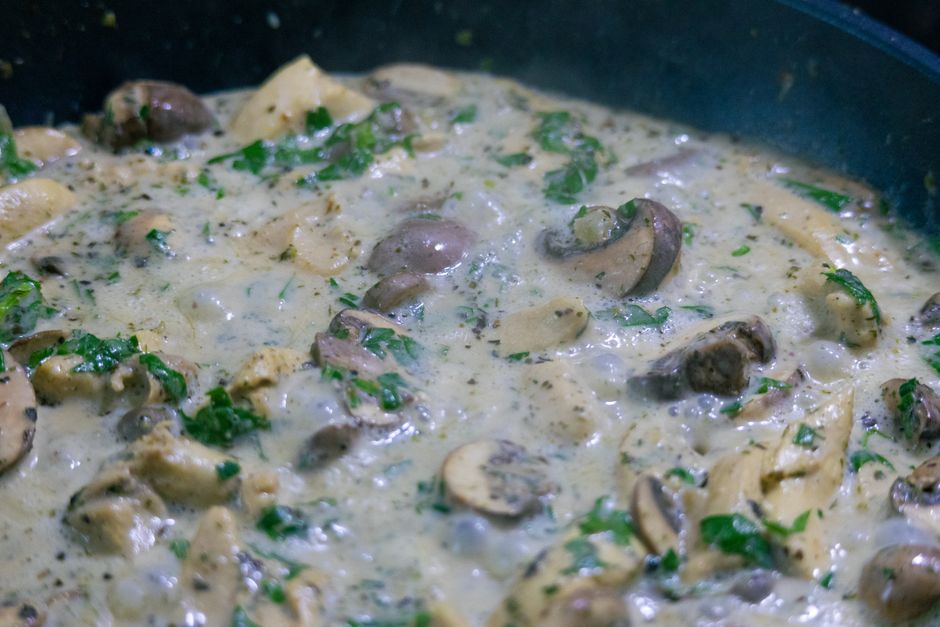
Cream of Mushroom Sauce: A Culinary Cornerstone for Flavor and Versatility
Cream of mushroom sauce is a foundational element in countless culinary creations, celebrated for its rich, savory depth and unparalleled versatility. Its creamy texture and earthy mushroom notes make it an ideal accompaniment to a wide array of dishes, from classic casseroles and pasta to elegant poultry and steak preparations. Understanding the nuances of creating and utilizing this sauce unlocks a new dimension of flavor possibilities in any kitchen.
The fundamental components of a classic cream of mushroom sauce are remarkably straightforward, yet their harmonious interplay yields an exceptional result. The core ingredients typically include fresh mushrooms, dairy (cream, milk, or a combination), butter, flour, aromatics like onion or shallots, and seasonings such as salt and black pepper. The magic lies in the careful balancing of these elements and the precise execution of the cooking process.
Mushrooms are, naturally, the star ingredient. While button mushrooms are a common and accessible choice, their flavor can be somewhat mild. For a more pronounced mushroom essence, consider incorporating cremini (baby bella) mushrooms, which offer a deeper, more complex taste. Shiitake mushrooms lend a distinctly umami-rich, almost smoky character, while oyster mushrooms contribute a delicate, subtly sweet flavor. A blend of mushroom varieties can create a multi-layered mushroom experience, enhancing the sauce’s overall complexity and appeal. The key is to sauté the mushrooms thoroughly, allowing them to release their moisture and concentrate their flavor before proceeding with the sauce. Browning them properly is crucial for developing that desirable deep, earthy taste that defines excellent mushroom sauce.
The creamy element is vital for achieving the characteristic smooth and luxurious texture. Heavy cream provides the richest, most decadent outcome, with a fat content that emulsifies beautifully and prevents the sauce from becoming watery. However, for a lighter option, milk, particularly whole milk, can be used, often in combination with cream. Evaporated milk offers a good compromise, providing creaminess without the same richness as heavy cream, and it’s a staple in many traditional recipes, particularly casseroles. The choice of dairy will influence the final consistency and mouthfeel of the sauce.
The foundation for the creaminess, and indeed the body of the sauce, is typically a roux. A roux is a cooked mixture of equal parts fat (usually butter) and flour. Melting butter in a pan and then whisking in flour creates a paste. The length of time the roux is cooked dictates its color and flavor. A white roux, cooked for just a minute or two, provides thickening power without imparting significant color or flavor. A blonde roux, cooked for a few more minutes until it turns a pale straw color, develops a slightly nutty flavor. A brown roux, cooked longer until it achieves a deeper brown hue, offers a more pronounced roasted flavor. For cream of mushroom sauce, a white or blonde roux is generally preferred to allow the mushroom flavor to remain the primary focus. The flour in the roux acts as a thickening agent, absorbing the liquid and creating a smooth, velvety consistency when combined with the dairy.
Aromatics play a supporting but critical role in building the flavor profile of cream of mushroom sauce. Finely minced onion or shallots are sautéed in the butter, often before the mushrooms, to soften and release their sweet, pungent notes. Garlic, minced or crushed, is another common addition, providing a pungent depth that complements the earthy mushrooms. The goal is to cook these aromatics until they are translucent and fragrant, but not browned, to avoid bitterness.
Seasoning is paramount. While salt and black pepper are standard, the judicious use of other herbs and spices can elevate the sauce. Fresh thyme, with its subtle earthy and lemony notes, pairs exceptionally well with mushrooms. A pinch of nutmeg can add a warm, subtle complexity that enhances the creaminess. A splash of white wine or dry sherry, added after sautéing the mushrooms and before the dairy, can deglaze the pan, capturing all the browned bits and adding a layer of acidity and flavor that balances the richness. For a more intense umami boost, a touch of soy sauce or Worcestershire sauce can be incorporated.
The process of making cream of mushroom sauce is a methodical one, ensuring that each ingredient contributes optimally to the final product. Begin by melting butter in a heavy-bottomed skillet or saucepan over medium heat. Add the minced onion or shallots and sauté until softened and translucent. If using garlic, add it during the last minute of sautéing the onions. Next, add the sliced or chopped mushrooms. Cook, stirring occasionally, until the mushrooms have released their moisture and begun to brown. This browning is crucial for developing their deep, earthy flavor.
Once the mushrooms are properly sautéed, sprinkle the flour over them and stir to coat. Cook the flour and mushroom mixture for 1-2 minutes, stirring constantly, to cook out the raw flour taste and form the roux. Gradually whisk in the liquid, starting with a small amount of cold milk or broth if using, then adding the cream or remaining milk. Whisk continuously to prevent lumps and ensure a smooth consistency.
Bring the sauce to a gentle simmer, stirring frequently. Allow it to simmer for 5-10 minutes, or until it has thickened to your desired consistency. The sauce will continue to thicken as it cools, so err on the side of slightly thinner than you might initially want. Season generously with salt and freshly ground black pepper. Taste and adjust seasonings as needed. If using wine or sherry, add it after sautéing the mushrooms and cook until the alcohol has evaporated before adding the dairy.
The versatility of cream of mushroom sauce is its defining characteristic, making it an indispensable tool in a home cook’s repertoire. Its applications are vast and varied.
As a sauce for pasta, it transforms simple noodles into a comforting and satisfying meal. Toss it with fettuccine, penne, or tagliatelle for a classic dish. Consider adding other ingredients like sautéed spinach, sun-dried tomatoes, or grilled chicken to further enhance the pasta. The richness of the sauce coats each strand of pasta beautifully, delivering flavor in every bite.
In casseroles, cream of mushroom sauce is a beloved binder and flavor enhancer. It’s the cornerstone of many iconic dishes, including green bean casserole, tuna noodle casserole, and chicken and rice casserole. Its creamy texture prevents dryness, while its savory notes meld seamlessly with the other ingredients, creating a cohesive and comforting flavor profile. The thick consistency of the sauce is ideal for holding together the various components of a casserole, ensuring that each serving is a delightful combination of textures and tastes.
For poultry dishes, cream of mushroom sauce provides an elegant and flavorful topping. It’s a natural pairing with pan-seared chicken breasts or thighs, lending a sophisticated finish. Imagine serving a perfectly cooked chicken breast generously coated in this rich, savory sauce, perhaps garnished with fresh parsley. It also complements roasted chicken or turkey, adding moisture and depth to the meat.
Steak lovers also benefit from the addition of cream of mushroom sauce. A dollop atop a grilled or pan-seared steak adds a luxurious counterpoint to the robust flavor of the meat. It can transform a simple steak into a restaurant-quality dining experience. The creamy, earthy notes cut through the richness of the steak, creating a balanced and satisfying flavor combination.
Beyond these primary uses, cream of mushroom sauce can be incorporated into other dishes for added flavor and texture. It can be used as a base for pot pies, adding richness to the filling. It can be stirred into mashed potatoes for an extra layer of indulgence. It can even be thinned out and used as a flavorful broth for stews or braises. Its adaptability knows few bounds.
For those seeking to make their cream of mushroom sauce even more enticing, consider a few advanced techniques and ingredient additions. To deepen the mushroom flavor, one can rehydrate dried mushrooms (like porcini or shiitake) in hot water, then chop them and add them to the sauce along with the fresh mushrooms. The soaking liquid, strained and added to the sauce, imparts an incredibly concentrated mushroom essence. Roasted garlic, rather than raw, can offer a sweeter, milder garlic flavor. A sprinkle of fresh chives or finely chopped parsley as a garnish adds a burst of freshness and a touch of color.
For a dairy-free or vegan adaptation, the principles remain similar, but ingredients require substitution. A roux can be made with vegan butter and a plant-based milk, such as unsweetened almond milk or soy milk. Nutritional yeast can be added for a cheesy, umami flavor that mimics some of the savory depth of dairy. For a creamy texture, pureed silken tofu or cashew cream can be incorporated. Sautéed mushrooms, onions, garlic, and seasonings form the flavor base, and the thickening is achieved through the roux and the creamy additions.
The shelf life and storage of cream of mushroom sauce are also practical considerations. Properly cooled and stored in an airtight container in the refrigerator, homemade cream of mushroom sauce can typically last for 3-4 days. Freezing is also an option, although the texture may change slightly upon thawing. It’s best to freeze the sauce in individual portions for easier reheating. When reheating, do so gently over low heat, stirring frequently, and adding a splash of milk or cream if the sauce has become too thick.
In conclusion, cream of mushroom sauce is a culinary workhorse, a testament to the power of simple, high-quality ingredients combined with careful technique. Its rich flavor, luxurious texture, and remarkable adaptability make it a staple in kitchens worldwide. Whether as a comforting pasta sauce, a binding agent in casseroles, or an elegant accompaniment to premium proteins, cream of mushroom sauce consistently delivers exceptional taste and elevates a wide spectrum of dishes. Mastering its preparation opens a gateway to a more flavorful and satisfying culinary journey.


