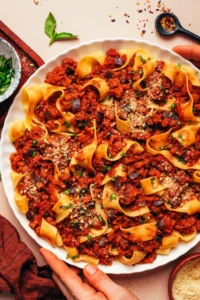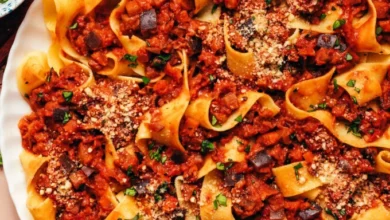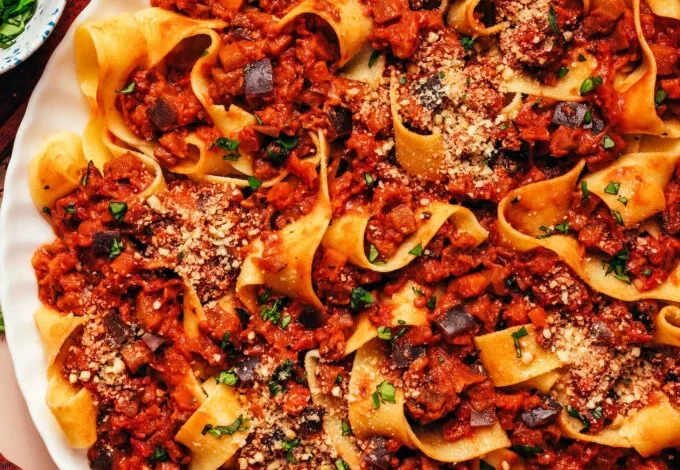
The culinary landscape has witnessed a significant paradigm shift toward plant-forward dining over the past decade, driven by rising consumer awareness of health, sustainability, and animal welfare. Among the myriad innovations in home cooking, reimagining classic meat-centric Italian comfort foods has emerged as a dominant trend. The latest addition to this genre is a streamlined, one-pot eggplant bolognese that transforms a traditionally meat-heavy regional dish into a rich, savory, vegan-friendly entrée without sacrificing the depth of flavor expected from a slow-simmered Sunday sauce.
Originating from the culinary traditions of Bologna, Italy, traditional bolognese sauce—or ragù alla bolognese—is a meat-based sauce characterized by its thick, complex profile. Historically, the dish relies on a base of minced or finely chopped meats such as beef, pork, or pancetta, combined with a classic soffrito of onions, celery, and carrots, wine, broth, and a minimal amount of tomato paste or tomato sauce, gently enriched with milk or cream. Over generations, global interpretations of the dish have adapted to modern dietary preferences, resulting in popular variations utilizing lentils, mushrooms, tempeh, and chickpeas. The newest iteration leverages the unique cellular structure and meaty texture of eggplant, capturing the essence of late-summer produce while providing a satisfying, nutrient-dense alternative to traditional ragù.
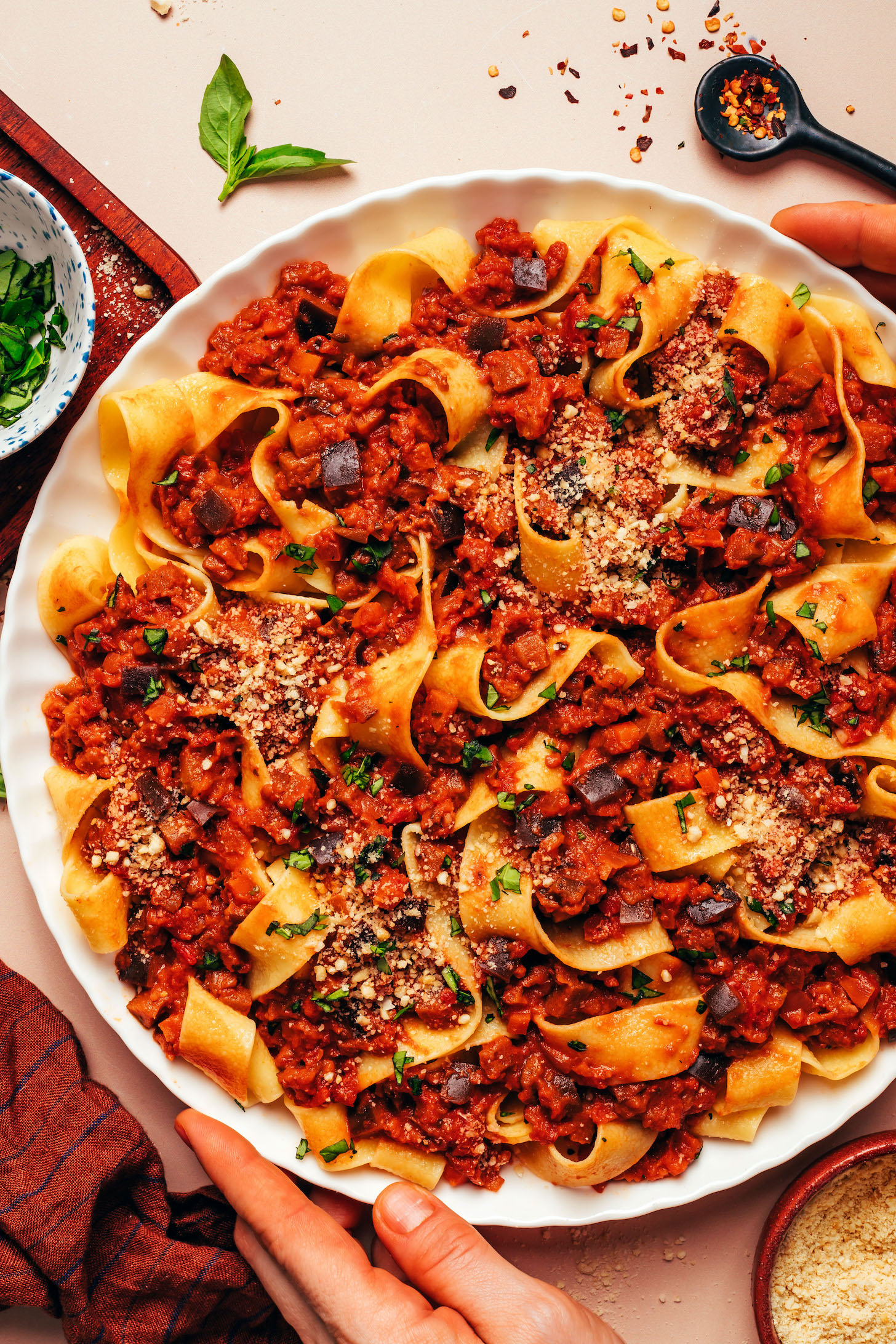
Culinary Evolution and the Rise of Plant-Based Italian Cuisine
The transition from meat-heavy Italian ragù to vegetarian and vegan alternatives reflects broader shifts in global food consumption patterns. According to recent market research data from organizations tracking dietary trends, plant-based eating has transitioned from a fringe movement into a mainstream lifestyle choice embraced by millions. Consumers increasingly seek out recipes that minimize cleanup time, utilize accessible pantry staples, and reduce household food waste, making one-pot meal preparation an essential focus for home cooks and recipe developers alike.
Eggplant, scientifically known as Solanum melongena, is particularly well-suited for culinary applications mimicking meat textures due to its spongy interior and ability to absorb surrounding fats, liquids, and aromatic compounds. When finely diced and properly browned, eggplant breaks down during a prolonged simmer, yielding a dense, velvety consistency that closely emulates the mouthfeel of ground meat sauces. This characteristic has made it a favorite ingredient among chefs looking to create hearty vegetarian entrees that satisfy traditional palates.

Methodology and Flavor Architecture of One-Pot Eggplant Bolognese
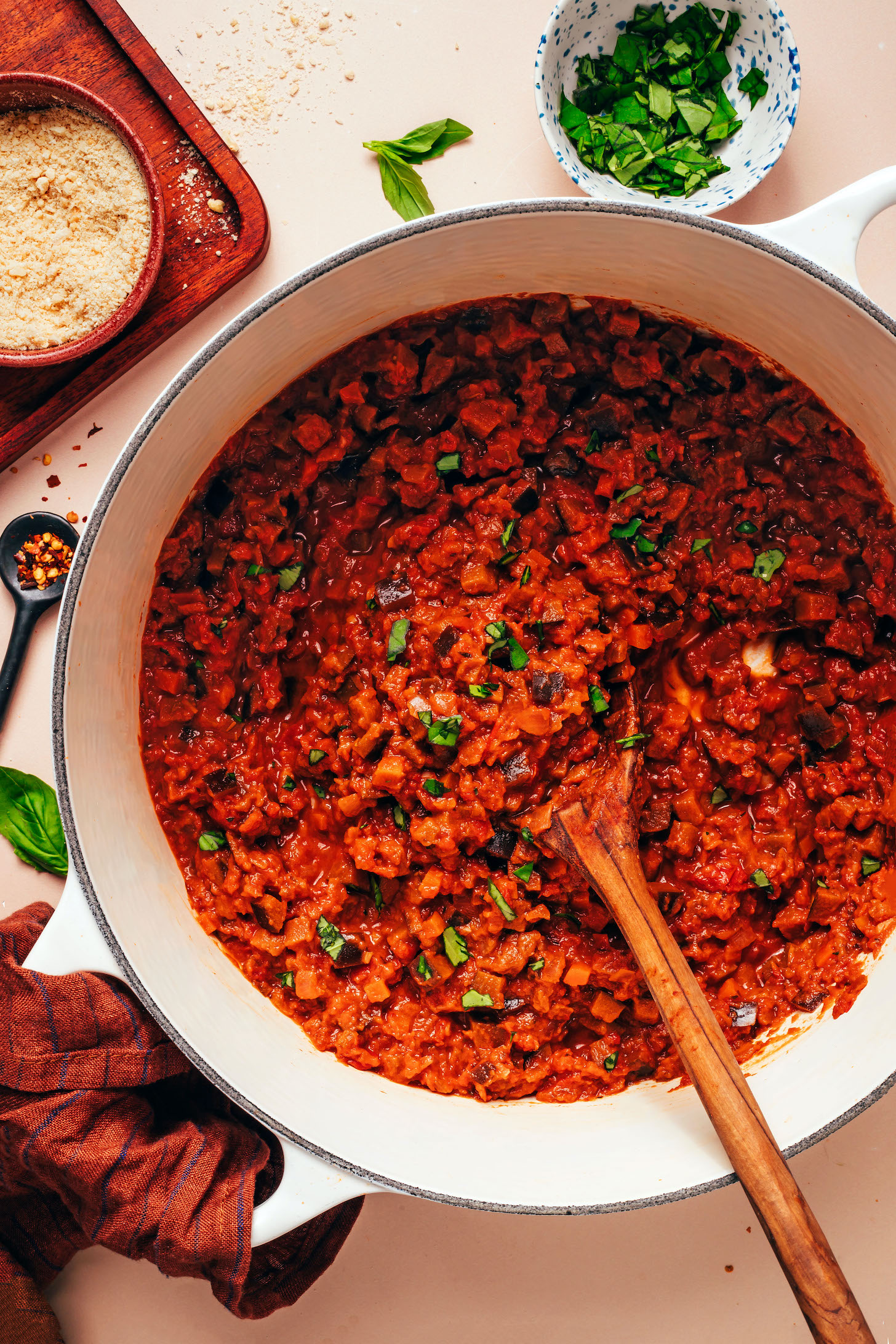
The preparation of this streamlined dish is designed for maximum efficiency, requiring only a single Dutch oven or heavy-bottomed pot. The cooking process follows a precise chronological sequence aimed at building deep, layered flavors:
- Base Development: The foundation begins with the preparation of a modified soffrito, sautéing finely chopped onions and carrots in olive oil until translucent and caramelized to release their natural sugars.
- Textural Transformation: Finely cubed eggplant is introduced to the pot and cooked alongside the aromatics. This step requires patience, allowing the eggplant to soften completely and develop a browned exterior, which introduces crucial umami notes to the sauce.
- Aromatic Layering: Minced garlic and red pepper flakes are folded into the mixture, followed immediately by deglazing the pan with a dry red or white wine to lift caramelized bits from the bottom of the pot.
- Simmering and Enrichment: Crushed tomatoes and concentrated tomato paste are added to establish a vibrant, acidic tomato backbone. To replicate the traditional dairy component of authentic bolognese, a measured amount of plant-based milk—specifically homemade cashew milk—is incorporated, introducing subtle richness and a creamy texture without overpowering the dish.
- Seasoning and Balance: Dried Italian herbs, including basil and oregano, are combined with sea salt and a touch of maple syrup. The maple syrup serves a functional role, neutralizing the natural acidity of the canned tomatoes to create a balanced flavor profile.
- The Simmering Phase: The entire mixture is brought to a gentle simmer for a minimum of 20 to 30 minutes. This resting and simmering period allows excess moisture to evaporate, concentrating the complex flavors and thickening the sauce. For home cooks with additional time, extending the simmer up to one hour yields an even more intense depth of flavor.
Nutritional Profile and Dietary Adaptability

From a nutritional standpoint, the eggplant bolognese offers a favorable macronutrient and micronutrient profile that appeals to health-conscious consumers. Laboratory-estimated nutritional analysis for a standard single serving indicates approximately 284 calories, accompanied by 31.9 grams of carbohydrates and 8.3 grams of dietary fiber, largely attributed to the vegetable-heavy base and tomato components. The dish contains 17.1 grams of total fat, predominantly consisting of heart-healthy monounsaturated fats derived from olive oil, with zero cholesterol and a modest 6.6 grams of protein. Furthermore, the recipe provides significant amounts of potassium, vitamin C, and iron, reinforcing its value as a wholesome, nutrient-dense meal.
Dietary flexibility is another cornerstone of the recipe’s design. While inherently vegan and adaptable to gluten-free parameters by pairing the sauce with gluten-free pasta or polenta, the dish can be easily customized to accommodate various dietary preferences:
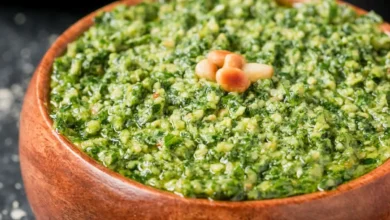
- Vegan Enhancements: Protein content can be increased by stirring in cooked red lentils alongside the crushed tomatoes or serving the sauce atop lentil-based pasta. Pairing the finished dish with simple vegan meatballs or homemade vegan parmesan cheese enhances both texture and flavor.
- Vegetarian Modifications: Traditional dairy-derived grated parmesan cheese can be utilized as a finishing garnish for those who consume dairy products.
- Omnivore Adaptations: Meat-eaters can incorporate ground beef or turkey by browning the protein immediately after sautéing the eggplant, provided the cooking vessel is sufficiently large to accommodate the volume.
Economic and Practical Implications for Modern Households

The introduction of simplified, single-pot recipes addresses several contemporary domestic challenges, including rising grocery costs, time constraints during weeknight cooking routines, and the desire to minimize post-meal cleanup. By utilizing versatile, inexpensive produce like eggplant, carrots, and onions, home cooks can produce an impressive, restaurant-quality Italian-inspired entrée at a fraction of the cost of dining out or purchasing specialized pre-made meat alternatives.
Moreover, the recipe demonstrates exceptional storage capabilities, maintaining its quality when refrigerated for three to four days or stored in the freezer for up to one month. This makes it an ideal candidate for meal-prepping professionals and families seeking efficient ways to manage weekly meal planning without sacrificing dietary quality.
Broader Industry Impact and Future Outlook
The release and reception of simplified plant-based recipes like this eggplant bolognese underscore a broader transformation in how culinary media approaches everyday cooking. As consumers increasingly prioritize sustainability and accessible health-focused meals, food publications and culinary platforms are shifting focus toward recipes that require minimal specialized equipment while delivering maximum sensory satisfaction.
By bridging the gap between traditional Italian comfort food and modern plant-based requirements, this dish exemplifies the ongoing evolution of global gastronomy. Whether served during the peak of late summer harvest seasons or as a comforting weeknight meal during cooler months, the one-pot eggplant bolognese represents a practical, flavorful milestone in contemporary home cooking.