From Local Craftsmanship to Global Markets The Strategic Growth of CV Swakarya Jaya Furniture through BRI Empowerment Programs

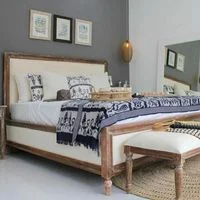
The trajectory of the Indonesian furniture industry has long been defined by its rich natural resources and the artisanal skill of its craftsmen, yet the transition from local production to international trade remains a formidable challenge for many small-scale entrepreneurs. The journey of CV Swakarya Jaya Furniture, an enterprise based in Sukoharjo, Central Java, serves as a quintessential case study in how individual tenacity, when paired with strategic institutional support, can overcome systemic barriers to entry in the global marketplace. Founded in 2020 amidst the global economic volatility of the COVID-19 pandemic, the company has successfully navigated the complexities of international logistics and regulatory requirements to establish a presence in the competitive markets of Spain and the United States.
Febrina Lossu, the founder and owner of CV Swakarya Jaya Furniture, initiated the business with a vision to capitalize on Indonesia’s vast timber potential. However, unlike established conglomerates, her venture began without significant capital or a dedicated manufacturing facility. The inception of the company was characterized by a period of intensive, self-directed research into the intricacies of the timber industry and the technicalities of the export-import business. This foundational phase was critical, as the furniture sector requires not only aesthetic design capabilities but also a deep understanding of wood science, moisture content, and international quality standards.
Overcoming Structural Barriers in the Early Stages
The initial years of CV Swakarya Jaya Furniture were marked by what Febrina describes as a "zero-capital" start. In the context of the Indonesian Micro, Small, and Medium Enterprise (MSME) sector—locally known as UMKM—capital accessibility remains one of the primary hurdles for expansion. For Febrina, the lack of a physical production site meant that the business had to operate through a lean, decentralized model, focusing on sourcing and quality control while building a network of reliable suppliers and buyers.
The challenge of finding international buyers is a recurring theme for Indonesian MSMEs. While the quality of Indonesian teak and mahogany is globally recognized, the "trust gap" between small local producers and large international retailers often prevents deals from closing. Febrina’s early strategy involved a rigorous process of digital marketing and networking to identify potential partners who were willing to work with a growing enterprise. This perseverance eventually led to the company’s first breakthroughs, but as the scale of operations increased, so did the complexity of the administrative and financial risks involved in cross-border trade.
The Role of BRI Peduli in Bridging the Knowledge Gap
A pivotal turning point for the company occurred through its engagement with Bank Rakyat Indonesia (BRI), specifically through the BRI Peduli program. As a state-owned enterprise, BRI has a mandate to foster the growth of the MSME sector, which contributes over 60% of Indonesia’s Gross Domestic Product (GDP). Recognizing that financial capital alone is insufficient for sustainable growth, BRI’s Corporate Social and Environmental Responsibility (TJSL) initiatives focus heavily on "capacity building"—equipping entrepreneurs with the professional skills required to compete on a global stage.
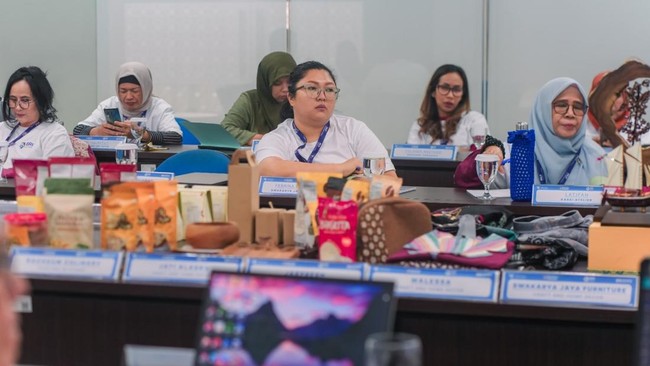
Febrina participated in the BRI Export Training (Pelatihan Ekspor), a comprehensive program designed to demystify the legal and logistical frameworks of international trade. For many small business owners, the "alphabet soup" of export documentation—including Bills of Lading, Certificates of Origin, and Phytosanitary Certificates—can be a deterrent. The BRI training provided a structured environment where Febrina could master these requirements.
"After participating in the training, I came to understand several steps that I previously did not comprehend," Febrina noted. "I now have a better grasp of export documentation, payment systems, and freight forwarding services. This knowledge is vital because it makes the export process more secure and significantly mitigates operational risks."
Technical Integration: Logistics and Payment Security
One of the most critical components of the training involved international payment mechanisms. In global trade, the risk of non-payment or fraudulent transactions is a constant concern for small exporters. The BRI program educated participants on the use of Letters of Credit (L/C) and other secure payment methods that ensure the exporter receives payment once the goods have met the specified conditions of the contract.
Furthermore, the training addressed the nuances of Incoterms (International Commercial Terms), which define the responsibilities of buyers and sellers regarding the delivery of goods. Understanding the difference between FOB (Free on Board) and CIF (Cost, Insurance, and Freight) allows business owners like Febrina to price their products accurately and manage their liability during the shipping process. By applying these professional standards, CV Swakarya Jaya Furniture was able to transition from a speculative business model to a structured, risk-averse operation.
Market Analysis: The Strategic Importance of Spain and the USA
The successful export of CV Swakarya Jaya Furniture’s products to Spain and the United States is statistically significant. The United States remains Indonesia’s largest export destination for furniture, driven by a high demand for sustainable and exotic wood products. Spain, on the other hand, serves as a strategic gateway to the broader European Union market, which maintains some of the strictest environmental regulations in the world, including the European Union Timber Regulation (EUTR).
To penetrate these markets, Indonesian exporters must comply with the Timber Legality Verification System (SVLK). This certification ensures that the wood used in furniture production is sourced from legal, sustainably managed forests. While the source text does not explicitly detail Febrina’s SVLK certification, the ability to export to Spain and the US implies a high level of compliance with these international standards—a feat that requires meticulous record-keeping and supply chain transparency.
The demand in these Western markets has shifted toward "story-driven" products. Consumers are increasingly interested in the provenance of their furniture and the social impact of their purchases. The narrative of CV Swakarya Jaya Furniture—a woman-owned business rising from zero capital in a small Javanese town—aligns perfectly with modern consumer values in Europe and North America, providing a competitive edge over mass-produced alternatives.
Institutional Perspective: BRI’s "UMKM Naik Kelas" Vision
The success of CV Swakarya Jaya Furniture is a point of pride for BRI. Dhanny, the Corporate Secretary of BRI, emphasized that the bank’s TJSL programs are specifically designed to help MSMEs "Naik Kelas" (move up to the next level). This strategy is built on the realization that the Indonesian economy’s resilience depends on the ability of local businesses to diversify their revenue streams beyond the domestic market.
"The story of CV Swakarya Jaya Furniture is a prime example of what happens when the spirit of an entrepreneur meets the right educational access," Dhanny stated. He further explained that BRI’s focus remains on improving the readiness of MSMEs to compete internationally through modules on market research, global branding, and packaging standards. In the furniture industry, packaging is particularly crucial; products must withstand weeks of maritime transport through varying humidity levels and temperatures without warping or sustaining damage.
Economic Implications and Future Outlook
The broader implications of Febrina Lossu’s success extend to the local economy of Sukoharjo. The furniture industry is a labor-intensive sector. As CV Swakarya Jaya Furniture grows, it creates a ripple effect of employment opportunities for local woodworkers, finishers, and logistics providers. This localized economic development is a key pillar of Indonesia’s national strategy to reduce urban migration by creating high-value industries in rural and semi-urban areas.
Looking forward, the challenge for CV Swakarya Jaya Furniture will be scaling its production capacity while maintaining the artisanal quality that attracted international buyers in the first place. The transition from a "no-facility" model to a more robust production infrastructure will likely require further capital investment, which the company is now better positioned to secure thanks to its proven track record and established relationship with BRI.
Moreover, the company’s success serves as a blueprint for other Indonesian MSMEs. It demonstrates that the barriers to international trade—though high—are not insurmountable. With the democratization of information through digital platforms and the support of institutional training programs, the "local to global" pathway is becoming increasingly accessible.
Chronology of Development
- 2020: CV Swakarya Jaya Furniture is established in Sukoharjo, Central Java. The founder begins independent research into wood types and export regulations during the global pandemic.
- 2021-2022: The company focuses on building a network of suppliers and identifying potential international buyers through digital outreach, operating without a central production facility to minimize overhead.
- 2023: Integration into the BRI Peduli program. Febrina Lossu undergoes intensive export training, covering documentation, international payments, and logistics.
- 2024: The company successfully executes export contracts to Spain and the United States, marking its transition into a legitimate player in the global furniture trade.
- 2025-2026: Continued expansion and stabilization of the business model, focusing on maintaining quality standards and exploring new markets within the European Union and Asia.
In conclusion, the evolution of CV Swakarya Jaya Furniture from a nascent idea in Sukoharjo to an international exporter is a testament to the power of human capital. Febrina Lossu’s journey highlights that while financial capital is a tool, knowledge and strategic partnerships are the true engines of growth. As Indonesia continues to position itself as a global hub for sustainable furniture, the synergy between determined entrepreneurs and supportive financial institutions like BRI will remain the cornerstone of the nation’s economic progress on the world stage.