
Holiday Ginger Snap Crust

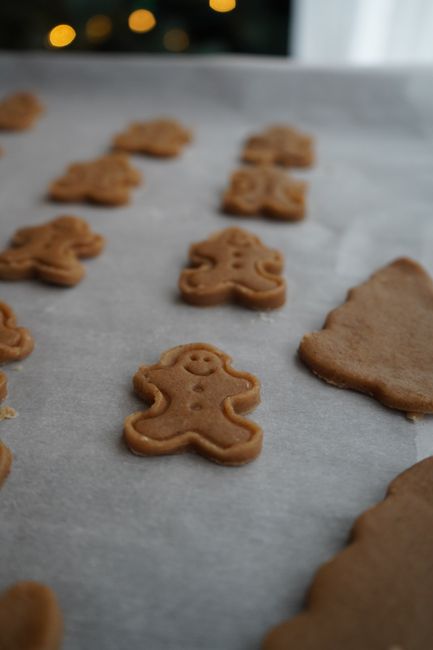
The Ultimate Guide to Crafting a Perfect Holiday Ginger Snap Crust: Flavor, Functionality, and Flavor Enhancement
A holiday ginger snap crust is more than just a base for a dessert; it’s an aromatic foundation, a textural marvel, and a significant contributor to the overall flavor profile of any cheesecake, pie, or tart. This guide delves deep into the science and art of creating an exceptional ginger snap crust, from selecting the right ingredients to achieving optimal texture and maximizing its festive appeal. Understanding the core components of a ginger snap cookie – namely the spice blend, molasses, and fat – is crucial to replicating and enhancing these qualities in a crust format. The interplay between the sharp, warm spices of ginger, cinnamon, cloves, and nutmeg, combined with the rich, slightly bitter sweetness of molasses, creates a complex flavor that is synonymous with holiday baking. When translated into a crust, these elements provide a delightful counterpoint to creamy fillings, offering a zesty, spicy contrast that elevates the entire dessert experience. The goal is to harness these inherent flavors and textures and adapt them for structural integrity and widespread appeal across various dessert applications.
The foundation of any great ginger snap crust lies in the quality and type of ginger snap cookies used. Opting for store-bought cookies that are crisp and intensely flavored is a convenient and effective approach. Look for brands that boast a robust ginger kick and a balanced spice blend. The key is a cookie that is not too soft or chewy, as this will translate to a gummy or crumbly crust. Ideally, the cookies should snap when broken, indicating a sufficient level of crispness. If using homemade ginger snaps, ensure they are baked to a firm, brittle consistency. The size of the crumbs is another critical factor. Finely ground crumbs, akin to coarse sand, will bind together more readily and create a denser, more uniform crust. Overly large crumbs can result in a crumbly, uneven texture that is prone to breaking. A food processor is the most efficient tool for achieving this uniform consistency, but pulsing in batches can prevent overheating and gumming up the blades. The aim is a fine, even particulate that will compact well.
The binder is what transforms loose crumbs into a cohesive crust. Butter is the undisputed champion in this category, providing richness, flavor, and the necessary binding power. Unsalted butter is generally preferred, allowing for greater control over the salt content of the final crust. The butter should be melted but not browned, as browning can impart an undesirable nutty flavor that may clash with the delicate spices of the ginger snaps. The ratio of crumbs to butter is a critical variable. Too little butter will result in a dry, crumbly crust that falls apart. Too much butter will lead to a greasy, oily crust that can pool at the bottom of the dessert and overpower the other flavors. A common starting point is a ratio of roughly 1.5 to 2 cups of cookie crumbs to ½ cup (1 stick) of melted butter. However, this can be adjusted based on the moisture content of the cookies and desired crust texture. It’s often helpful to err on the side of slightly more butter, as the crust can always be pressed more firmly to absorb excess.
Sugar, while already present in the ginger snap cookies, often plays a supporting role in the crust mixture to enhance sweetness and aid in binding. Granulated sugar or brown sugar can be used. Brown sugar, with its inherent molasses content, will amplify the warm, toffee-like notes of the ginger snaps, adding another layer of complexity. Light brown sugar offers a subtler sweetness and a more delicate caramel flavor, while dark brown sugar provides a more intense, robust molasses profile. The amount of sugar added should be judicious, as excessive sweetness can overwhelm the spice notes. A tablespoon or two of sugar per cup of cookie crumbs is a good starting point. This addition also contributes to the Maillard reaction during baking, leading to a slightly crisper, more golden-brown crust.
The inclusion of additional spices is where a holiday ginger snap crust truly distinguishes itself. While the cookies themselves are spiced, a touch more can elevate the festive aroma and flavor. Ground ginger is paramount, reinforcing the star ingredient. Cinnamon adds warmth and sweetness, while cloves contribute a pungent, slightly peppery note. Nutmeg, in moderation, offers a warm, earthy undertone. A pinch of allspice can also provide a subtle, complex warmth. The key to a successful spice blend is balance. Too much of any single spice can create an overpowering flavor. A common approach is to add an additional ¼ teaspoon of ground ginger, ¼ teaspoon of cinnamon, and a pinch of ground cloves and nutmeg per cup of cookie crumbs. Experimentation is encouraged to find the perfect spice profile for individual preferences and the specific dessert being made. Some bakers also like to incorporate a small amount of black pepper, which can surprisingly enhance the perceived sweetness and spiciness of the ginger.
Salt is a crucial, often overlooked, component in a ginger snap crust. It doesn’t just add a salty flavor; it amplifies the other flavors present, particularly the sweetness and the spices. A small pinch of salt, about 1/8 teaspoon per cup of cookie crumbs, is usually sufficient. If using salted butter, this amount may need to be reduced or omitted entirely. The salt helps to cut through the richness of the butter and molasses, creating a more balanced and nuanced flavor profile. It also contributes to the crispness of the crust by inhibiting gluten development and the caramelization of sugars, ensuring a satisfying crunch.
The method of combining the ingredients significantly impacts the final crust. Once the ginger snap cookies are finely crumbled, transfer them to a medium bowl. Add any additional sugar, spices, and salt. Whisk these dry ingredients together thoroughly to ensure an even distribution of flavors. Then, pour the melted butter over the crumb mixture. Using a fork or your fingertips, work the butter into the crumbs until the mixture resembles wet sand and clumps together when squeezed. It’s important to avoid overmixing at this stage, as this can lead to a tough crust. The goal is to evenly coat every crumb with butter.
Pressing the crust firmly into the prepared pan is paramount for structural integrity. A tart pan with a removable bottom, a pie plate, or a springform pan are common choices. For a pie or tart, press the mixture evenly across the bottom and up the sides of the pan. Use the flat bottom of a measuring cup, a small glass, or your fingers to compact the crumbs tightly. A well-compacted crust will be less likely to crumble when sliced and served. For cheesecakes, the crust is typically pressed onto the bottom and about an inch up the sides of the springform pan. Ensuring an even thickness is crucial for uniform baking and a visually appealing presentation.
Baking a ginger snap crust is an essential step for achieving optimal texture and flavor. Baking activates the sugars and starches, leading to a firmer, crispier crust and further developing the toasty, spiced notes. Preheating the oven to 350°F (175°C) is standard. The baking time will vary depending on the size and depth of the crust and the oven. Generally, 8-12 minutes is sufficient for a pre-baked crust. The crust should appear lightly golden and smell fragrant. For cheesecakes, the crust is often baked with the filling, but pre-baking it for 10-15 minutes before adding the filling ensures a crispier base. Allow the baked crust to cool completely before filling, as adding a warm filling to a hot crust can cause it to become soggy.
Variations and flavor enhancements can further elevate a holiday ginger snap crust. For an extra burst of citrus, add the zest of half an orange or lemon to the crumb mixture. This brightens the spices and adds a refreshing counterpoint to the richness of the molasses. A tablespoon of finely chopped candied ginger can introduce chewy pockets of intense ginger flavor and texture. For a boozy twist, a teaspoon of bourbon or rum can be added to the melted butter, infusing the crust with subtle notes of oak and spice. Toasted nuts, such as pecans or walnuts, can be incorporated into the crumb mixture for added crunch and nutty flavor. These should be finely chopped and toasted before being added.
The type of dessert a ginger snap crust complements is broad and varied. Its robust flavor profile makes it an ideal partner for creamy, rich desserts like cheesecakes, panna cotta, and mousse. The spicy notes also pair beautifully with fruit-based desserts, such as apple pies, pear tarts, and cranberry crisps, offering a warm contrast to the tartness of the fruit. Its versatility extends to ice cream pies and no-bake desserts, where its crisp texture and bold flavor prevent it from becoming lost. The key is to match the intensity of the crust with the richness and sweetness of the filling. A very strongly spiced crust might overwhelm a delicate custard, while a milder crust might be lost against a powerfully flavored chocolate mousse.
Storage of pre-baked ginger snap crusts is straightforward. Once completely cooled, they can be stored at room temperature for a day or two, covered loosely with plastic wrap. For longer storage, wrap the crust tightly in plastic wrap and then in aluminum foil and refrigerate for up to a week. Freezing is also an excellent option for preparing crusts in advance. Wrap the cooled crust tightly in plastic wrap, followed by a layer of aluminum foil, and freeze for up to 3 months. Thaw overnight in the refrigerator before filling. This advance preparation is a holiday baking lifesaver.
In summary, a superior holiday ginger snap crust is achieved through careful selection of cookies, precise ratios of ingredients, thoughtful spice blending, and proper technique in combining, pressing, and baking. It’s a fundamental element that, when executed correctly, transforms a dessert from ordinary to extraordinary, embodying the warmth, spice, and comfort of the holiday season. Mastering this seemingly simple component unlocks a new level of dessert artistry, ensuring that every bite delivers a harmonious symphony of texture and flavor. The enduring appeal of the ginger snap crust lies in its ability to evoke nostalgia while offering a sophisticated flavor profile that stands the test of time. Its adaptability and robust character make it a perennial favorite for bakers seeking to impress during the festive period and beyond.


