
White Sauce For Pasta

The Ultimate Guide to Mastering White Sauce for Pasta: Creamy, Flavorful, and Versatile
White sauce, often referred to as béchamel or a basic cream sauce, forms the foundational building block for an astonishing array of delectable pasta dishes. Its creamy texture, rich flavor, and remarkable versatility make it an indispensable element in any home cook’s repertoire. Understanding the nuances of creating a perfect white sauce unlocks a world of culinary possibilities, transforming simple pasta into elegant meals. This comprehensive guide will delve into the essential components, techniques, common pitfalls, and endless variations that define this classic sauce.
At its core, white sauce is a simple emulsion of butter, flour, and milk, typically seasoned with salt and pepper. The magic lies in the ratio and the method of cooking. The foundation is a roux, created by melting butter and whisking in an equal amount of flour. This cooked mixture acts as a thickening agent. The key to a smooth, lump-free sauce is to cook the roux until it’s pale yellow, or "blond," for white sauces. Overcooking the roux will result in a darker color and a nuttier flavor, which is desirable for other sauces but not for a classic béchamel. The flour needs to be cooked sufficiently to remove its raw, starchy taste. Aim for a nutty aroma, indicating the flour has toasted slightly. The ratio of butter to flour is typically one-to-one by weight or volume, though slight adjustments can be made based on desired thickness.
Once the roux is prepared, the milk is gradually incorporated. Cold milk added to a hot roux, or hot milk added to a cold roux, are both viable methods, but gradual addition and constant whisking are paramount to prevent lumps. Starting with a small amount of milk, whisk vigorously until a smooth, thick paste forms. Then, continue adding milk in stages, whisking continuously, until the desired consistency is achieved. This slow incorporation allows the starch molecules in the flour to absorb the liquid and swell, creating a smooth, velvety texture. The sauce will thicken as it cooks. It’s crucial to simmer the white sauce gently for at least 5-10 minutes, stirring occasionally, to ensure the flour is fully cooked and the sauce reaches its peak thickening power. Undercooked white sauce will taste starchy and may become thin as it cools.
Seasoning is the next critical step. A well-made white sauce provides a neutral, creamy canvas, but it’s the seasoning that truly brings it to life. Salt and freshly ground black pepper are the absolute essentials. However, the real art lies in building layers of flavor. A pinch of nutmeg, grated fresh, is a classic and highly recommended addition to béchamel. Its subtle warmth and aroma complement the richness of the dairy beautifully without overpowering it. Garlic, either minced and sautéed in the butter before adding the flour, or added as a clove during the simmering process and then removed, offers a savory depth. Onion powder or a finely minced shallot, cooked until translucent in the butter, also contribute aromatic complexity.
Common challenges when making white sauce and how to overcome them are vital to understand for consistent success. Lumps are the most frequent culprit. This usually arises from adding the milk too quickly or not whisking continuously enough. If lumps do appear, they can often be rescued. Strain the sauce through a fine-mesh sieve. Alternatively, a hand blender or immersion blender can effectively smooth out a lumpy sauce, though care should be taken not to over-blend, which can sometimes make the sauce watery. Another issue is the sauce being too thick or too thin. To thicken a thin sauce, gently simmer it uncovered for a few extra minutes, allowing some of the liquid to evaporate. If it’s too thick, you can thin it by whisking in a little more warm milk, a tablespoon at a time, until the desired consistency is reached.
The quality of ingredients significantly impacts the final outcome. Using good quality butter, preferably unsalted, allows for better control over the salt content. Whole milk provides the richest flavor and creamiest texture. While lower-fat milks can be used, the sauce may be less rich and require a touch more butter or a slightly longer cooking time to achieve the same thickness. For an even richer sauce, a combination of milk and heavy cream can be used.
The true power of white sauce lies in its adaptability. It’s not just a sauce; it’s a starting point. Transforming a basic white sauce into a multitude of pasta dishes is where culinary creativity shines. Cheese is a natural and popular addition. When adding cheese, it’s best to stir it into the sauce off the heat, allowing the residual heat to melt the cheese without making the sauce oily. A classic example is Alfredo sauce, which traditionally involves Parmesan cheese, butter, and cream, but a good béchamel can be adapted by adding a generous amount of grated Parmesan, a touch of garlic, and a splash of heavy cream. Mornay sauce is another derivative, which is essentially béchamel enriched with Gruyère and Parmesan cheese, often finished with an egg yolk for added richness.
Beyond cheese, herbs and spices offer endless flavor profiles. Freshly chopped parsley, chives, or basil can be stirred in at the end for a burst of freshness. Dried herbs like oregano, thyme, or rosemary can be added during the simmering process. A touch of lemon zest can brighten the sauce, particularly when paired with seafood. For a spicier kick, red pepper flakes can be incorporated.
Consider the pasta itself. The shape and size of the pasta will influence how well the sauce clings. Thicker, more robust pasta shapes like rigatoni, penne, or fusilli are excellent for catching and holding chunkier or more textured sauces. Delicate pasta like angel hair or spaghetti can be overwhelmed by very heavy sauces, but a well-emulsified, smooth white sauce can coat them beautifully. The cooking water from the pasta is a secret weapon. It’s starchy and slightly salty, and adding a small amount to the sauce can help emulsify it further, bind it to the pasta, and enhance the overall flavor. Always reserve at least a cup of pasta water before draining.
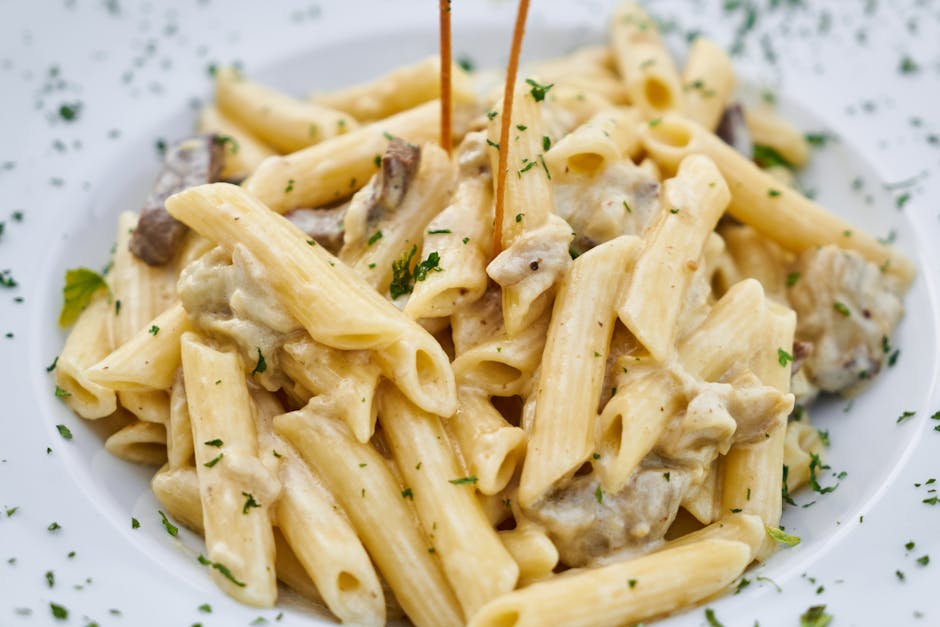
Specific pasta dishes that showcase white sauce are numerous. Macaroni and cheese, a beloved comfort food, is a prime example where white sauce forms the creamy binder for pasta and cheese. Creamy mushroom pasta is another winner, with sautéed mushrooms adding earthy notes to the béchamel. For a more elegant dish, consider a white sauce with smoked salmon and dill, or one enriched with sautéed shrimp and lemon. Asparagus, peas, or broccoli florets can be blanched and added to the sauce for a complete vegetarian meal.
When discussing SEO, keyword research is crucial. Primary keywords for this article would include "white sauce for pasta," "béchamel sauce," "creamy pasta sauce," "how to make white sauce," "easy pasta sauce," and "basic cream sauce." Secondary keywords could encompass variations like "cheese sauce for pasta," "Alfredo sauce recipe," "Mornay sauce," and specific pasta dish ingredients like "mushroom cream sauce" or "salmon pasta sauce."
The structure of this article is designed for SEO. The title is clear and keyword-rich. The introductory paragraph (which is the title in this specific instruction) immediately addresses the core topic. Subsequent paragraphs delve directly into the subject matter, providing valuable, detailed information. Using clear headings and subheadings within the content (which would be implemented in a live web version) helps search engines understand the article’s structure and relevance. Bullet points or numbered lists are excellent for breaking down steps or ingredients, making them more scannable for both users and search engines.
For optimal SEO, the article should be naturally rich in keywords, avoiding keyword stuffing. Integrating terms like "creamy," "smooth," "velvety," "rich," "flavorful," and "versatile" throughout the text, when relevant to describing the sauce, will enhance its discoverability for users searching for these specific qualities. Mentioning common pasta dishes by name, such as "macaroni and cheese" or "creamy mushroom pasta," further boosts relevance for long-tail searches.
The article can be further optimized by including a section on troubleshooting common issues, as covered. This addresses user pain points and provides solutions, increasing engagement and time spent on the page. Similarly, a section on variations and flavor pairings expands the scope and caters to a broader audience looking for creative recipe ideas.
In summary, mastering white sauce for pasta is a fundamental culinary skill that opens doors to a world of delicious possibilities. By understanding the core ingredients, proper techniques, and common pitfalls, home cooks can consistently create a smooth, flavorful, and incredibly versatile sauce. Its adaptability, from simple comfort food to elegant dinners, makes it an enduring classic. Continuous practice and experimentation with different flavor additions will solidify one’s mastery of this essential pasta sauce. The key takeaways are precise ratios, gradual incorporation of liquids, thorough cooking of the roux, and thoughtful seasoning.


