
Homemade Cherry Ice Cream

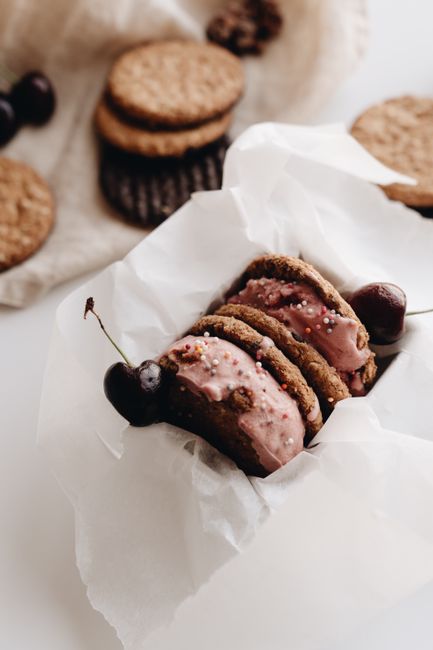
Homemade Cherry Ice Cream: A Comprehensive Guide to Crafting the Perfect Frozen Treat
The art of creating homemade cherry ice cream transcends mere dessert making; it is an exploration of flavor, texture, and the pure satisfaction of transforming simple ingredients into a sophisticated, chilled delight. This guide delves deep into the science and artistry behind achieving a truly exceptional homemade cherry ice cream, covering everything from ingredient selection and preparation to the nuances of ice cream maker operation and troubleshooting common issues. Whether you’re a seasoned ice cream artisan or a novice embarking on your frozen culinary journey, this comprehensive resource aims to equip you with the knowledge and techniques necessary to produce a superior homemade cherry ice cream that rivals, and often surpasses, its store-bought counterparts. The depth of flavor possible with fresh, ripe cherries, combined with the creamy richness of a homemade custard base, offers an unparalleled sensory experience.
The foundation of any exceptional ice cream lies in the quality of its ingredients. For homemade cherry ice cream, the star ingredient, cherries, dictates the ultimate flavor profile. Opt for fresh, ripe cherries when in season. Sweet varieties like Bing, Rainier, or Chelan are ideal for their natural sweetness and robust cherry flavor. If fresh cherries are unavailable, high-quality frozen cherries can be an excellent substitute. When using frozen cherries, allow them to thaw completely before incorporating them into the ice cream base; this ensures even cooking and prevents ice crystals from forming during the churning process. A slight tartness from varieties like Montmorency can also be beneficial, especially if you prefer a less cloyingly sweet ice cream, and can be managed with careful sugar adjustment. The color of the cherries will also significantly impact the visual appeal of your ice cream. Darker cherries, like Bing, will yield a deeper, more vibrant hue.
Beyond the cherries, the ice cream base itself is critical. A traditional Philadelphia-style base, which relies on cream and sugar, is simpler but can sometimes lack the luxurious, velvety texture of a custard-based ice cream. A French-style custard base, incorporating egg yolks, provides a richer, smoother, and more stable ice cream due to the emulsifying properties of the yolks. The process begins with combining whole milk and heavy cream in a saucepan. The ratio of milk to cream influences the richness; a higher cream content results in a denser, creamier ice cream. For homemade cherry ice cream, a ratio of 1:1 or 2:1 heavy cream to whole milk is a good starting point. Gently heat this mixture over medium heat until it just begins to simmer around the edges. Avoid boiling, as this can scorch the milk and affect the flavor.
While the milk and cream are heating, whisk together granulated sugar and egg yolks in a separate bowl until the mixture becomes pale yellow and slightly thickened. This process, known as tempering, is crucial for preventing the eggs from scrambling when introduced to the hot liquid. Gradually ladle small amounts of the warm milk and cream mixture into the egg yolk mixture, whisking continuously. Once a small portion of the hot liquid has been incorporated, pour the tempered egg yolk mixture back into the saucepan with the remaining milk and cream. Continue to cook over low to medium-low heat, stirring constantly with a wooden spoon or heatproof spatula, until the custard thickens enough to coat the back of the spoon. This typically occurs when the temperature reaches between 170-175°F (77-79°C). Using a thermometer is highly recommended for accuracy. Overheating will result in scrambled eggs, while undercooking will yield a thin, less stable base.
Once the custard base has reached the desired consistency, it’s time to strain it. Pass the cooked custard through a fine-mesh sieve into a clean bowl. This removes any potential bits of cooked egg or milk solids, ensuring a perfectly smooth texture. At this stage, you can introduce flavor enhancers. A pinch of salt is essential, as it doesn’t make the ice cream salty but rather amplifies the sweetness and balances the flavors. Vanilla extract is a classic addition that complements the cherry flavor beautifully. For homemade cherry ice cream, consider adding a touch of almond extract; it has a remarkable affinity for cherries and can deepen their flavor profile in a subtle yet significant way. Be judicious with almond extract, as too much can overpower the delicate cherry taste.
The next crucial step is chilling the ice cream base. Once strained and flavored, cover the bowl tightly with plastic wrap, pressing the wrap directly onto the surface of the custard to prevent a skin from forming. Refrigerate the base for at least 4-6 hours, or preferably overnight. This extended chilling period allows the fat molecules to solidify and the flavors to meld, resulting in a smoother, creamier ice cream that churns more effectively. An improperly chilled base will result in a less smooth texture and potentially icy ice cream.
Preparing the cherries is a multi-step process that significantly impacts the final product. If using fresh cherries, pit them. A cherry pitter is a valuable tool for this. You can leave the cherries whole, halve them, or chop them into smaller pieces depending on your desired texture. For a more intense cherry flavor and a smoother ice cream, consider cooking the cherries down. Combine the pitted cherries with a small amount of sugar (adjust based on the sweetness of your cherries) and a tablespoon or two of water or lemon juice in a saucepan. Cook over medium heat until the cherries soften and release their juices, forming a syrupy consistency. Some prefer to blend half of the cooked cherries into a purée and leave the other half in pieces for textural contrast. Cooling this cherry mixture completely before adding it to the chilled ice cream base is paramount. Adding warm fruit can interfere with the chilling process and affect the final texture.
Once the ice cream base is thoroughly chilled and the cherry mixture has cooled, it’s time to churn. Follow the manufacturer’s instructions for your specific ice cream maker. Most home ice cream makers require the bowl to be frozen for at least 24 hours beforehand, or for compressor models, pre-chilling is often automatic. Pour the chilled ice cream base into the frozen bowl of your ice cream maker. Churn until the mixture reaches a soft-serve consistency, which typically takes 20-30 minutes. During the last 5-10 minutes of churning, add the prepared cherry mixture. This ensures that the cherries are evenly distributed without being over-churned, which could break them down too much. If you are adding whole or halved cherries for larger pieces, add them during this final stage to maintain their integrity.
After churning, the ice cream will have a soft, scoopable consistency. However, to achieve the firm, scoopable texture of fully set ice cream, it needs to be hardened. Transfer the churned ice cream to an airtight container. For optimal hardening, press a piece of parchment paper or plastic wrap directly onto the surface of the ice cream before sealing the container. This prevents ice crystals from forming on the surface. Place the container in the coldest part of your freezer for at least 4-6 hours, or until firm. The longer it hardens, the firmer it will become.
Troubleshooting common issues is an integral part of the homemade ice cream journey. If your ice cream is icy, it’s often due to insufficient fat content in the base, improper chilling of the base before churning, or over-churning which incorporates too much air and leads to larger ice crystals. Using a richer base with more cream and egg yolks, ensuring the base is thoroughly chilled, and not over-churning can help. If your ice cream is too soft, it might be due to a base that’s too lean, not enough sugar (sugar acts as a cryoprotectant, lowering the freezing point), or insufficient hardening time. Conversely, if your ice cream is too hard, it could be due to a very lean base or too much water content from the cherries.
Enhancements and variations can elevate your homemade cherry ice cream further. For a boozy twist, a tablespoon or two of kirsch (cherry liqueur) or a dark rum can be added to the base before churning; this not only adds flavor but also helps to keep the ice cream softer due to the alcohol’s lower freezing point. A swirl of cherry jam or a balsamic glaze can add complexity and visual appeal. For a vegan version, coconut cream or cashew cream can be used as a base, though the texture and flavor will differ. Experimenting with different types of cherries, such as tart cherries for a more intense flavor, or combining sweet and tart varieties, can lead to unique results. Adding toasted nuts, such as slivered almonds or chopped pistachios, can provide a delightful textural contrast to the smooth ice cream and complementary flavors.
The storage of homemade cherry ice cream is also important to maintain its quality. Properly stored in an airtight container in a consistently cold freezer, it can last for 1-2 weeks. However, the best flavor and texture are usually experienced within the first week. Always use a clean scoop to serve, and if you notice any ice crystals forming on the surface, gently scrape them off before serving.
Mastering homemade cherry ice cream is a rewarding endeavor that offers a profound appreciation for the simplicity and deliciousness of well-crafted frozen desserts. By understanding the fundamental principles of ice cream making, from selecting the finest ingredients to employing meticulous preparation techniques, you can consistently produce a frozen masterpiece that delights the palate and showcases the vibrant essence of fresh cherries. The process, while requiring attention to detail, is ultimately accessible and highly adaptable to individual preferences, making it a truly personal and satisfying culinary pursuit. The vibrant color, the burst of fruit flavor, and the creamy texture combine to create an experience that is both comforting and celebratory.


