
Air Fried Purple Yam Fries With Sour Cream Sriracha Sauce
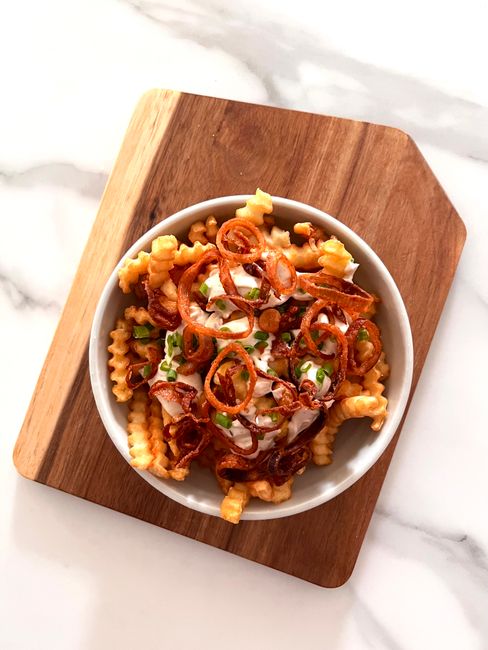
Air Fried Purple Yam Fries with Sriracha-Sour Cream Dip: A Vibrant and Healthy Side Dish
The humble purple yam, also known as ube or Okinawan sweet potato, offers a striking visual appeal and a subtly sweet, earthy flavor profile that makes it an exceptional ingredient for creating unique and healthy dishes. Moving beyond traditional frying methods, the air fryer presents a revolutionary approach to achieving a crispy, golden exterior and a tender, fluffy interior for these vibrant fries, all while significantly reducing oil consumption. This article delves into the meticulous process of creating perfect air fried purple yam fries, exploring the science behind achieving optimal texture, the nutritional benefits of purple yams, and a complementary sour cream sriracha sauce that elevates the dish with a kick of heat and creamy tang.
Understanding the Anatomy of a Great Air Fried Fry: Texture and Temperature
Achieving the ideal texture in air fried foods hinges on a delicate balance of moisture evaporation and surface browning. For purple yam fries, this means understanding how the starch and sugar content of the yam interacts with the hot, circulating air within the air fryer. Purple yams, while similar to sweet potatoes, possess a slightly denser flesh and a more pronounced starch content. This density can lead to a longer cooking time if not properly addressed, potentially resulting in a dry or unevenly cooked fry. The key to circumventing this lies in precise preparation and temperature management. The high heat of the air fryer, typically ranging from 375°F to 400°F (190°C to 205°C), is crucial for rapid moisture evaporation from the surface of the yam. This evaporation process drives the Maillard reaction, responsible for the desirable browning and crispy texture. Simultaneously, the inner core of the yam needs to cook through to a tender consistency without becoming mushy.
Pre-treatment is paramount. Cutting the purple yams into uniform, medium-thickness sticks (approximately 1/2 inch to 3/4 inch in thickness) ensures even cooking. Thicker fries will require a longer cooking time, increasing the risk of over-drying the exterior, while overly thin fries may burn before the interior is cooked. Soaking the cut yam sticks in cold water for at least 30 minutes, or even up to an hour, is a critical step that many home cooks overlook. This process leaches out excess surface starch, which can inhibit crisping and lead to a gummy texture. After soaking, thorough patting dry with paper towels is essential. Any residual moisture on the surface will steam the fries rather than allowing them to air fry, compromising crispiness.
The role of a light coating of oil cannot be overstated, even in an air fryer. A tablespoon or two of a high-smoke-point oil, such as avocado oil, grapeseed oil, or refined coconut oil, applied evenly to the dried yam sticks, aids in heat transfer and promotes browning. Tossing the fries with a generous pinch of salt and any desired seasonings, such as paprika, garlic powder, or black pepper, at this stage ensures uniform flavor distribution. Overcrowding the air fryer basket is another common pitfall. For optimal crisping, fries should be arranged in a single layer with adequate space between them to allow hot air to circulate freely. This often means cooking in batches, a minor inconvenience that yields significantly superior results.
Cooking Time and Temperature Optimization
The precise cooking time will vary depending on the thickness of the fries, the wattage of the air fryer, and personal preference for crispiness. However, a good starting point for 1/2-inch thick purple yam fries is 15-20 minutes at 400°F (205°C). Crucially, the fries must be shaken or tossed halfway through the cooking process, around the 8-10 minute mark. This agitation ensures all sides of the fries are exposed to the hot air, promoting even browning and preventing any one side from becoming overly cooked or pale. It’s advisable to start checking for doneness at the lower end of the estimated cooking time. Fries are ready when they are tender when pierced with a fork and have developed a golden-brown hue with crispy edges. If the fries are not yet crisp enough but the interior is cooked, a few extra minutes at a slightly higher temperature (e.g., 410°F or 210°C) can help achieve that final desired crunch. Conversely, if the fries are browning too quickly on the outside, the temperature can be slightly reduced for the remainder of the cooking time.
Nutritional Powerhouse: The Purple Yam Advantage
Purple yams are not just visually stunning; they are also a nutritional powerhouse. Their vibrant purple color is attributed to anthocyanins, powerful antioxidants that have been linked to a variety of health benefits, including reduced inflammation, improved heart health, and enhanced cognitive function. Beyond anthocyanins, purple yams are an excellent source of complex carbohydrates, providing sustained energy release. They are also rich in dietary fiber, which aids in digestion, promotes satiety, and helps regulate blood sugar levels. Furthermore, purple yams are a good source of essential vitamins and minerals, including Vitamin A, Vitamin C, potassium, and manganese. Vitamin A is crucial for vision and immune function, while Vitamin C acts as an antioxidant and supports collagen production. Potassium plays a vital role in maintaining healthy blood pressure, and manganese is involved in bone health and metabolism. Compared to white potatoes, purple yams often boast a lower glycemic index, making them a more favorable choice for individuals managing blood sugar levels. Their natural sweetness also means less added sugar is required in recipes, contributing to a healthier overall profile.
The Creamy and Spicy Counterpoint: Sour Cream Sriracha Sauce
To complement the earthy sweetness and crisp texture of the air fried purple yam fries, a vibrant and zesty dip is essential. This sour cream sriracha sauce strikes the perfect balance between cooling creaminess and fiery heat. The base of the sauce, sour cream, provides a rich, tangy foundation that mellows the intensity of the sriracha. Full-fat sour cream will yield the creamiest results, but reduced-fat versions can also be used. Sriracha, the beloved chili garlic sauce, brings the essential heat and a hint of fermented garlic flavor. The amount of sriracha can be adjusted to individual spice tolerance. For those who prefer a milder dip, start with a smaller amount and gradually add more to achieve the desired heat level.
Beyond the core ingredients, subtle additions can elevate the sauce. A squeeze of fresh lime or lemon juice adds a bright acidity that cuts through the richness and enhances the overall flavor profile. A finely minced clove of garlic introduces a pungent, savory depth that complements the sriracha. For those seeking a touch of herbaceousness, a sprinkle of finely chopped cilantro or chives can be incorporated. The consistency of the sauce can be adjusted by adding a splash of water or milk if it becomes too thick. It’s best to allow the sauce to meld for at least 15-30 minutes in the refrigerator before serving, allowing the flavors to harmonize.
Serving Suggestions and Variations
Air fried purple yam fries are incredibly versatile. They make an outstanding side dish for grilled meats, poultry, or fish. Their vibrant color also makes them a show-stopping addition to a plant-based meal, pairing well with black bean burgers, lentil loaves, or roasted vegetables. For a more substantial appetizer, they can be served as a base for loaded fries, topped with crumbled feta or goat cheese, caramelized onions, or even a drizzle of balsamic glaze.
Variations on the purple yam fries themselves are plentiful. Experiment with different seasonings. Smoked paprika adds a smoky depth, while cumin provides an earthy warmth. A touch of cayenne pepper can amplify the heat for those who enjoy it. For a sweeter twist, a pinch of cinnamon or nutmeg can be added to the yam sticks before air frying. Consider experimenting with different dipping sauces. A spicy aioli, a honey-mustard dip, or even a simple guacamole would also be delicious accompaniments. The key is to embrace the unique qualities of the purple yam and allow them to shine.
Troubleshooting Common Air Frying Issues
Despite the relative simplicity of air frying, common issues can arise. If your purple yam fries are coming out soggy, the most likely culprits are insufficient drying after soaking, overcrowding the air fryer basket, or not using enough oil. Re-evaluate these steps for future batches. If the fries are burnt on the outside and undercooked on the inside, the temperature might be too high, or the fries may be too thin. Reduce the temperature and consider slightly thicker cuts. Uneven browning can usually be attributed to not shaking the basket often enough. Remember that air frying is a dynamic process that requires intermittent agitation for optimal results. If your air fryer is smoking excessively, it could be due to excess oil or food debris in the basket. Ensure the basket is clean and avoid using oils with very low smoke points.
Conclusion: A Healthier, More Flavorful Fry
The air fried purple yam fry with sour cream sriracha dip offers a compelling combination of visual appeal, nutritional benefits, and exceptional flavor. By understanding the principles of air frying, preparing the purple yams meticulously, and complementing them with a well-balanced sauce, home cooks can create a dish that is both healthy and undeniably delicious. This recipe not only provides a vibrant alternative to traditional fried snacks but also celebrates the unique qualities of a less common root vegetable, proving that healthy eating can be exciting, flavorful, and visually stunning. The ease of preparation, coupled with the inherent nutritional advantages of purple yams, makes this a recipe worth revisiting and experimenting with, solidifying its place as a go-to option for a guilt-free indulgence.





