
Instant Pot Frozen Potato Soup

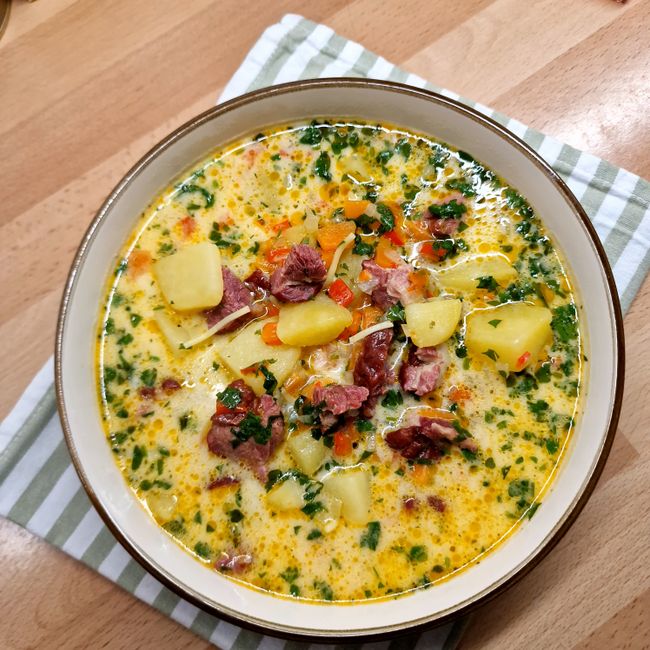
Instant Pot Frozen Potato Soup: The Ultimate Guide to Effortless Comfort Food
Creating a rich, creamy, and satisfying potato soup from frozen ingredients in your Instant Pot is a revelation in convenience and flavor. This guide will walk you through the entire process, from selecting the best frozen potatoes to achieving perfect soup consistency, all with minimal prep and maximum taste. Forget thawing; the Instant Pot makes it possible to transform frozen staples into a soul-warming meal in under an hour, making it ideal for busy weeknights or last-minute cravings.
The magic of Instant Pot frozen potato soup lies in its ability to cook dense, frozen ingredients quickly and evenly. Unlike stovetop methods that require careful thawing to prevent uneven cooking and watery results, the pressure cooker environment penetrates the frozen vegetables efficiently. This results in tender potatoes and other frozen vegetables that are perfectly cooked without mushiness. The high heat and steam generated by the Instant Pot break down the starches in the potatoes, leading to a naturally creamy texture that can be further enhanced with dairy or non-dairy additions.
Choosing the right frozen potatoes is a crucial first step for success. While you can technically use any frozen potato product, some options yield superior results. Diced frozen potatoes are the most versatile and recommended. Look for brands that offer uniformly sized cubes; this ensures even cooking. Avoid frozen potato wedges or hash browns as their irregular shapes and coatings can lead to inconsistent cooking times and textures. If you can find frozen sweet potato chunks, they can also be incorporated for a delightful twist, adding a subtle sweetness and vibrant color to your soup. Beyond potatoes, consider other frozen vegetables that complement potato soup. Frozen corn, peas, or a mirepoix blend (diced onions, carrots, and celery) can add layers of flavor and nutrients. Pre-chopped frozen onions are a fantastic time-saver.
The foundation of any good soup is its liquid base. For Instant Pot frozen potato soup, chicken broth or vegetable broth are excellent choices. Using low-sodium varieties allows you to control the salt content more precisely. Water can be used in a pinch, but broth will contribute significantly more depth of flavor. A good starting point for liquid is roughly 4-6 cups for a standard 6-quart Instant Pot, adjusting based on how thick or thin you prefer your soup.
Flavor building begins with aromatics. Even when using frozen vegetables, sautéing aromatics like garlic and onions (if not using frozen pre-chopped) in a bit of oil or butter before adding the frozen ingredients is highly recommended. This process, known as "blooming," releases their essential oils and creates a more complex flavor profile. Use the "Sauté" function on your Instant Pot for this. Add a tablespoon or two of olive oil or butter to the inner pot. Once hot, add minced garlic and chopped onions (fresh or frozen). Sauté for 2-3 minutes until fragrant and slightly softened. This step is not strictly necessary for a "dump and go" recipe, but it elevates the final taste considerably.
Once your aromatics are softened, it’s time to add the frozen components. Carefully add your frozen diced potatoes. If you’re incorporating other frozen vegetables like corn, peas, or a mirepoix blend, add them now as well. This is where the "frozen" aspect truly shines – no thawing required. The Instant Pot’s pressure cooking will tackle the frozen mass head-on.
Next, pour in your chosen broth. Ensure there’s enough liquid to cover the frozen ingredients, but be mindful of the Instant Pot’s maximum fill line. Seasoning is key at this stage. Salt and freshly ground black pepper are essential. Consider adding other herbs and spices that pair well with potato soup, such as dried thyme, rosemary, or a pinch of smoked paprika for a smoky undertone. A bay leaf can also infuse subtle aromatic notes.
Securing the lid and setting the correct pressure cooking time are critical. Ensure the steam release valve is set to "Sealing." For frozen diced potatoes, a cooking time of 8-10 minutes on High Pressure is usually sufficient. This might seem short, but the pressure building up inside the pot will continue to cook the potatoes even after the timer stops. If you’re using larger frozen potato chunks or a substantial amount of other dense frozen vegetables, you might need to increase this by a few minutes.
After the cooking cycle is complete, allow for a Natural Pressure Release (NPR) for at least 10-15 minutes. This allows the pressure to gradually decrease, preventing the soup from splattering when you manually release the remaining steam. Once the float valve has dropped, carefully move the steam release valve to the "Venting" position to release any remaining pressure.
Opening the Instant Pot to reveal a pot of perfectly cooked, tender potatoes and vibrant vegetables is a satisfying moment. At this point, the soup will likely be somewhat thin. This is where the creamy magic happens. You have several options to achieve your desired consistency.
For a classic creamy potato soup, the easiest method is to use an immersion blender directly in the Instant Pot. Blend until the soup reaches your preferred smoothness. You can leave some chunks for texture or blend it completely smooth. Be cautious when blending hot liquids.
Alternatively, you can transfer the soup in batches to a regular blender. Again, exercise caution and do not overfill the blender jar. Blend until smooth and return to the Instant Pot.
If you prefer not to use a blender, you can thicken the soup on the stovetop or by using the Instant Pot’s "Sauté" function. Remove about a cup of the cooked potatoes and vegetables, mash them with a fork or potato masher, and stir them back into the soup. This releases more starch and thickens the soup naturally. Another thickening method involves creating a slurry: mix equal parts cornstarch or all-purpose flour with cold water or broth until smooth. Stir this slurry into the simmering soup and cook for a few minutes until thickened.
For added richness and creaminess, incorporate dairy or non-dairy alternatives after the soup has been blended and is back on the "Sauté" function or being gently reheated on the stovetop. Heavy cream is the classic choice for a decadent texture. Half-and-half or milk can also be used, but they will result in a less rich soup. For dairy-free options, full-fat coconut milk or a good quality cashew cream provides excellent creaminess and a neutral flavor. Stir in your chosen creamy element and heat gently without boiling, as boiling can cause dairy to curdle.
Consider adding some shredded cheese, like cheddar or Gruyère, for an extra layer of flavor and creaminess. Stir it in during the final warming stages until melted and fully incorporated. This transforms the soup into a cheesy potato delight.
The final seasoning adjustments are crucial. Taste your soup and add more salt and pepper as needed. This is also the time to introduce fresh herbs for brightness. Chopped fresh chives, parsley, or dill can significantly enhance the flavor profile. A squeeze of lemon juice can also add a touch of acidity that brightens all the flavors.
Serving Instant Pot frozen potato soup is an opportunity to customize and elevate your meal. Classic toppings include shredded cheddar cheese, crispy cooked bacon bits, a dollop of sour cream or Greek yogurt, and freshly chopped chives or green onions. Croutons or oyster crackers are also popular additions for crunch. For a heartier meal, serve with crusty bread for dipping.
To optimize for search engines, incorporating relevant keywords throughout this article is essential. This includes "Instant Pot frozen potato soup," "easy potato soup," "quick potato soup recipe," "pressure cooker potato soup," "frozen vegetable soup," "comfort food recipes," and "weeknight meals."
The "frozen" aspect is a key selling point for SEO. Emphasize the convenience and speed that comes from using frozen ingredients. Phrases like "no thawing required," "minimal prep," and "dump and go" will resonate with users searching for quick and effortless meal solutions.
Variations of this recipe can be explored to capture a wider audience. For instance, "Instant Pot bacon potato soup" or "Instant Pot cheesy potato soup" can target users looking for specific flavor profiles. Including dietary considerations like "dairy-free Instant Pot potato soup" or "vegan Instant Pot potato soup" will also broaden reach.
The troubleshooting section addresses common issues users might encounter. For instance, if the soup is too thin, the blender or slurry method provides a solution. If the potatoes aren’t cooked through, it indicates a need to increase the pressure cooking time or NPR duration.
The storage and reheating instructions are vital for practical users. Explaining how to safely store leftover soup in airtight containers in the refrigerator and reheat it gently on the stovetop or in the microwave adds value. Freezing instructions can also be included, noting that dairy-based soups may separate upon thawing and require re-blending.
To further enhance SEO, consider structuring the article with clear headings and subheadings. These break up the text, making it more readable for users and signaling key topics to search engine crawlers. Using bullet points for ingredient lists or topping suggestions can also improve scannability.
The overarching message of this guide is the unparalleled ease and deliciousness of making potato soup from frozen ingredients using an Instant Pot. It’s a testament to modern cooking technology that transforms humble frozen staples into a comforting and impressive dish with minimal effort, making it a must-try for anyone seeking convenience without compromising on taste. The adaptability of the recipe, allowing for various additions and customizations, ensures that this Instant Pot frozen potato soup will become a go-to in any busy cook’s repertoire.


