
Italian Style Meatloaf I

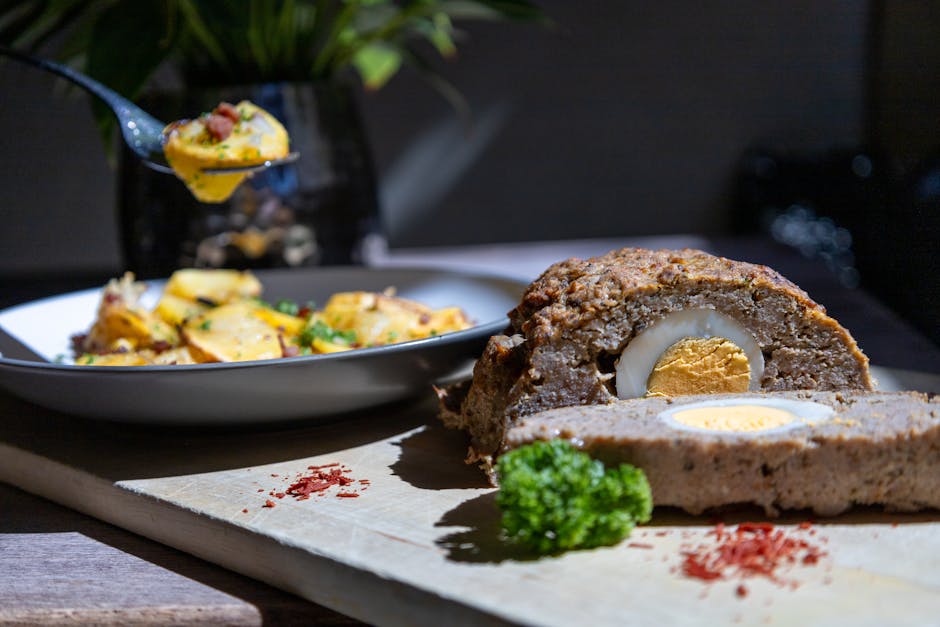
Italian Style Meatloaf: A Savory Symphony of Flavor and Tradition
Italian style meatloaf, often referred to as polpettone or impasto di carne, transcends the humble, everyday American meatloaf, offering a richer, more complex flavor profile deeply rooted in Italian culinary traditions. Unlike its simpler American counterpart, which often relies on ketchup or a basic glaze, Italian meatloaf is a testament to the art of incorporating savory ingredients, herbs, and often a touch of cured meat to elevate the humble ground meat into a sophisticated dish. This isn’t merely a baked loaf; it’s a carefully constructed combination of textures and tastes, designed to be both comforting and celebratory. The foundation is typically a blend of ground meats, most commonly a combination of beef and pork, sometimes with the addition of veal for tenderness. This meat mixture is then infused with a symphony of aromatics and seasonings that speak to the heart of Italian cuisine: finely minced garlic, sautéed onions, fresh parsley, fragrant basil, and often a hint of dried oregano. The binder, typically breadcrumbs, is usually moistened with milk or broth, creating a tender, cohesive loaf. What truly distinguishes Italian meatloaf, however, are the additional elements that are often incorporated directly into the mixture or strategically placed within the loaf itself. These can include grated Parmesan or Pecorino Romano cheese, adding a salty, nutty depth, or even strips of pancetta or prosciutto, which render their savory fat and infuse the meatloaf with an irresistible umami. Some recipes embrace the concept of a hidden surprise, encasing a filling of hard-boiled eggs, mozzarella cheese, or even sautéed vegetables like spinach or mushrooms within the meatloaf, creating a delightful reveal upon slicing. The cooking method is generally a slow, steady bake, allowing the flavors to meld and the meatloaf to cook through without drying out. This deliberate approach to preparation ensures that every bite of Italian style meatloaf is a harmonious balance of savory meat, aromatic herbs, and satisfying textures, making it a beloved dish that resonates with both home cooks and seasoned chefs.
The Art of Selecting and Blending Meats for Optimal Flavor and Texture
The cornerstone of an exceptional Italian style meatloaf lies in the judicious selection and blending of ground meats. While a single type of meat can be used, the true magic unfolds when a thoughtful combination is employed. The most traditional and widely recommended blend features equal parts ground beef and ground pork. Ground beef, particularly a cut with a moderate fat content (around 80/20 lean to fat ratio), provides structure and a robust meaty flavor. The fat in the beef is crucial for moisture and tenderness; a lean beef will result in a dry, crumbly meatloaf. Ground pork, on the other hand, contributes a distinct sweetness and a more succulent texture, further enhancing the overall richness. The fat rendered from the pork during cooking also contributes significantly to the moistness of the finished product. For those seeking an even more refined texture and a slightly lighter taste, ground veal can be incorporated into the mix, often replacing a portion of the pork. Veal’s delicate flavor and tender grain lend a sophisticated touch. Some regional variations might even include a small amount of ground lamb, though this is less common and should be used sparingly to avoid overpowering the other flavors. The fat content across all meats is paramount. Aim for a combined fat percentage of approximately 20-25%. Too little fat leads to a dry, tough meatloaf, while too much can result in an overly greasy and unappealing dish. Grinding your own meat at home, if possible, offers the ultimate control over the quality and fat content, but pre-ground options from a reputable butcher are also excellent. When purchasing pre-ground meat, it’s advisable to ask your butcher for a fresh grind rather than relying on commercially packaged meats that may have been sitting on shelves. The process of combining the meats should be gentle. Overworking the mixture can develop the proteins too much, leading to a tough meatloaf, akin to overworking dough. The goal is to evenly distribute the ingredients without compacting the meat unnecessarily. A light hand and a careful folding motion are key to achieving a tender, yielding texture.
Infusing Savory Depth: The Aromatic Backbone of Italian Meatloaf
Beyond the foundational meats, the soul of Italian style meatloaf resides in its sophisticated aromatic base. This isn’t a dish that relies on blandness; it thrives on the vibrant interplay of fresh herbs and aromatics, meticulously prepared to unlock their full flavor potential. The foundation for this savory depth often begins with a soffritto, the Italian holy trinity of finely diced onion, carrot, and celery, slowly sautéed in olive oil until softened and translucent. The onion provides sweetness, the carrot a subtle earthiness and color, and the celery a delicate herbaceous note. This slow sautéing process, known as appassire, gently caramelizes the vegetables, transforming their raw pungency into a mellow, rich sweetness that forms an invisible but crucial layer of flavor within the meatloaf. Garlic, of course, is an indispensable component. Minced finely and added towards the end of the soffritto process (to prevent burning and bitterness), it imparts its characteristic pungent warmth. The type of garlic used can also influence the final taste; roasted garlic, for instance, offers a milder, sweeter, and more nuanced flavor. Fresh herbs are the jewels in the crown of Italian flavor. Parsley, with its bright, clean, and slightly peppery notes, is almost universally present. Finely chopped fresh parsley not only adds a vibrant green hue but also a burst of freshness that cuts through the richness of the meat. Basil, the quintessential herb of summer, brings its sweet, slightly peppery, and anise-like aroma, a true hallmark of Italian cooking. Other herbs that can be incorporated include dried oregano for a more pungent, earthy depth, or even a touch of fresh thyme for its subtle, woody notes. When using dried herbs, it’s important to remember that they are more concentrated than fresh herbs and should be used in smaller quantities. Some chefs recommend gently toasting dried herbs before adding them to the mixture to release their essential oils and intensify their flavor. The inclusion of a small amount of tomato paste, either added to the soffritto or mixed directly into the meat, can also contribute a subtle tang and umami, deepening the overall flavor profile without making the meatloaf overtly tomato-based.
The Art of Binding and Enriching: Breadcrumbs, Dairy, and Cured Meats
The binding agents and enriching ingredients in Italian style meatloaf are what elevate it from a simple mixture of ground meat to a cohesive and deeply flavorful entity. The traditional binder is breadcrumbs. While dry breadcrumbs can be used, they often result in a denser meatloaf. For a more tender and moist outcome, it is highly recommended to use pan grattato, which can be made from day-old bread that has been pulsed in a food processor until coarse crumbs form, or even better, breadcrumbs that have been soaked in milk or broth. This "wet" breadcrumb method is crucial for achieving a succulent texture. The milk or broth not only softens the breadcrumbs but also infuses the meatloaf with additional moisture. The fat content of the milk is a consideration; whole milk will yield a richer result than skim. Some recipes even opt for beef or vegetable broth, adding another layer of savory complexity. Beyond breadcrumbs, cheese plays a pivotal role in enriching Italian meatloaf. Finely grated hard cheeses like Parmigiano-Reggiano or Pecorino Romano are almost essential. Their salty, nutty, and slightly sharp profiles add an irresistible umami that complements the meat beautifully. The quality of the cheese matters; freshly grated cheese offers a far superior flavor and meltability compared to pre-grated varieties that often contain anti-caking agents. For a more decadent and yielding interior, cubes or strands of mozzarella cheese can be strategically placed within the meatloaf, creating pockets of creamy, melted goodness. The true game-changer in many Italian style meatloaves is the inclusion of cured meats. Finely diced pancetta, a cured pork belly with a rich, savory flavor and a pleasant chew, renders its fat during baking, basting the meatloaf from within and infusing it with an unparalleled depth of flavor. Prosciutto, the thinly sliced cured ham, can also be incorporated, either chopped finely and mixed into the meat or laid as a layer within the loaf for a subtle, salty infusion. When using pancetta, consider rendering some of its fat beforehand to use in sautéing the soffritto, further integrating its flavor. The careful balancing of these binders and enrichers is key: too many breadcrumbs can make the meatloaf dry, while insufficient binder can lead to a crumbly, uncohesive loaf. The aim is to achieve a texture that is firm enough to hold its shape but still yields to the fork.
Embracing Texture and Surprise: Fillings and Coatings for Added Dimension
Italian style meatloaf isn’t always a monolithic entity. Many traditional recipes embrace the concept of adding textural contrast and delightful surprises within the loaf itself, transforming it into a culinary adventure with every slice. One of the most classic and visually striking fillings is the hard-boiled egg. Whole, peeled hard-boiled eggs are placed in the center of the meatloaf mixture before baking, creating a perfectly cooked egg at the heart of the dish. This is a simple yet elegant addition that provides a creamy yolk and a firm white, offering a pleasing textural counterpoint to the dense meat. Another popular filling involves incorporating sautéed vegetables. Spinach, often wilted and squeezed dry to remove excess moisture, adds a vibrant green color and a subtle earthy flavor. Sautéed mushrooms, whether cremini, shiitake, or a mix, bring their distinct umami and meaty texture. These vegetables can be mixed directly into the meat or layered within the loaf for a more defined surprise. For a truly decadent experience, cubes or strips of fresh mozzarella cheese can be nestled within the meatloaf. As it bakes, the mozzarella melts, creating luscious, gooey pockets that add a luxurious dimension to the dish. Some adventurous cooks even incorporate strips of salami or provolone cheese for a sharper, more piquant filling. The method of encasing these fillings is crucial. The meatloaf mixture should be spread into an even layer, the filling placed in the center, and then more meatloaf mixture carefully spooned over to completely enclose it, ensuring no filling is exposed to prevent burning or leaking during baking. Beyond internal fillings, the exterior of the meatloaf can also be enhanced. While a simple glaze is common, Italian style meatloaves often benefit from a more integrated coating. A thin layer of prosciutto or pancetta laid over the top of the loaf before baking can crisp up beautifully, providing a savory, salty crust. Alternatively, a mixture of breadcrumbs, grated Parmesan cheese, and a drizzle of olive oil can be pressed onto the surface, creating a golden-brown, flavorful crust that adds an appealing crunch. Some recipes also incorporate a tomato-based sauce, either as a glaze applied during the latter stages of baking or as a simmering sauce in which the meatloaf is cooked, imparting a tangy sweetness and keeping the loaf exceptionally moist. The key to incorporating these textural elements and surprises is thoughtful execution; ensuring fillings are properly drained of excess moisture and that the meatloaf is sealed effectively will guarantee a cohesive and delicious final product.
The Slow, Gentle Bake: Mastering Moisture and Flavor Development
The cooking process for Italian style meatloaf is as crucial as its preparation, demanding a slow, gentle approach to ensure optimal moisture retention and profound flavor development. Unlike some quick-cooking dishes, meatloaf thrives on patience. The ideal cooking temperature typically falls between 325°F and 375°F (160°C to 190°C). A lower temperature, combined with a longer cooking time, allows the fats to render slowly, the herbs to infuse deeply, and the internal moisture to distribute evenly throughout the loaf, preventing the exterior from drying out before the interior is cooked through. Preheating the oven is non-negotiable; a properly heated oven ensures consistent and even baking from the moment the meatloaf enters. The baking vessel also plays a role. A sturdy baking pan, such as a loaf pan or a rimmed baking sheet, is suitable. If using a loaf pan, some recipes suggest lining it with parchment paper or foil to facilitate easier removal and cleanup, while others prefer to bake directly in the pan to allow for better browning of the sides. For a more even cook and to prevent the bottom from becoming soggy, baking on a wire rack set inside a baking sheet is an excellent strategy, allowing air to circulate around the entire loaf. The duration of baking will vary depending on the size and thickness of the meatloaf, as well as the specific oven. Generally, a meatloaf will require anywhere from 45 minutes to 1.5 hours. The most reliable indicator of doneness is internal temperature. Using an instant-read meat thermometer is essential for food safety and perfect results. The meatloaf is fully cooked when it reaches an internal temperature of 160°F (71°C). For meatloaves with a cheese filling, it’s important to monitor the temperature closely to ensure the cheese has melted without overcooking the meat. Basting, while not always traditional for Italian style meatloaf, can be a beneficial technique. During the last 15-20 minutes of baking, a light basting with a tomato sauce, a savory broth, or even some rendered fat from the meat can add an extra layer of moisture and flavor to the exterior. However, excessive basting can lead to a mushy crust, so a light touch is recommended. Resting the meatloaf after baking is a critical, often overlooked step. Allowing the meatloaf to rest for at least 10-15 minutes before slicing is paramount. This resting period allows the juices to redistribute throughout the loaf, ensuring that each slice is moist and flavorful. If sliced too soon, the internal moisture will escape onto the cutting board, resulting in a drier meatloaf. The residual heat within the loaf will continue to cook it slightly during this resting period, further contributing to its tender texture. This slow, deliberate baking process, coupled with the crucial resting period, guarantees that the Italian style meatloaf emerges from the oven a tender, deeply flavorful, and satisfying centerpiece.
Serving Suggestions and Culinary Pairings for Authentic Italian Meatloaf
The versatility of Italian style meatloaf extends beyond its preparation to its presentation and accompanying dishes. While it stands proudly as a main course, its rich flavors make it adaptable to a variety of culinary contexts. The most classic accompaniment is a robust tomato sauce. This can be a simple marinara, a slow-simmered Bolognese, or even a rustic crushed tomato sauce seasoned with garlic and herbs. The sauce can be served alongside for dipping or poured generously over the sliced meatloaf, adding moisture and a bright, acidic counterpoint to the richness of the meat. Pasta, naturally, is a quintessential pairing. Wide ribbons of pappardelle, hearty rigatoni, or even simple spaghetti serve as excellent vehicles for the savory meat sauce and any accompanying gravy. Beyond pasta, mashed potatoes are a comforting and classic choice, their creamy texture a perfect foil for the dense meatloaf. Roasted root vegetables, such as carrots, parsnips, and potatoes, provide earthy sweetness and textural contrast. A simple green salad, dressed with a bright vinaigrette, offers a refreshing counterpoint to the richness of the meatloaf. For a more traditional Italian presentation, consider serving it with a side of sautéed greens, such as spinach, kale, or rapini, seasoned with garlic and olive oil. Polenta, creamy or grilled, is another excellent Italian pairing, absorbing the savory juices of the meatloaf beautifully. When considering wine pairings, robust red wines are generally recommended. A Chianti Classico, with its cherry notes and good acidity, cuts through the richness of the meat. A Sangiovese-based wine, like a Rosso di Montalcino, offers a similar profile. For a bolder choice, a Barbera from Piedmont, with its bright acidity and dark fruit flavors, can also be a delightful match. Even a medium-bodied Merlot or a Zinfandel can complement the savory notes of the meatloaf. For those who prefer white wine, a crisp, unoaked Chardonnay or a Vermentino with its mineral notes might offer a lighter, refreshing contrast. The beauty of Italian style meatloaf lies in its adaptability; it can be a comforting weeknight meal or a sophisticated dish for a special occasion, effortlessly embodying the spirit of Italian hospitality and culinary tradition.


